
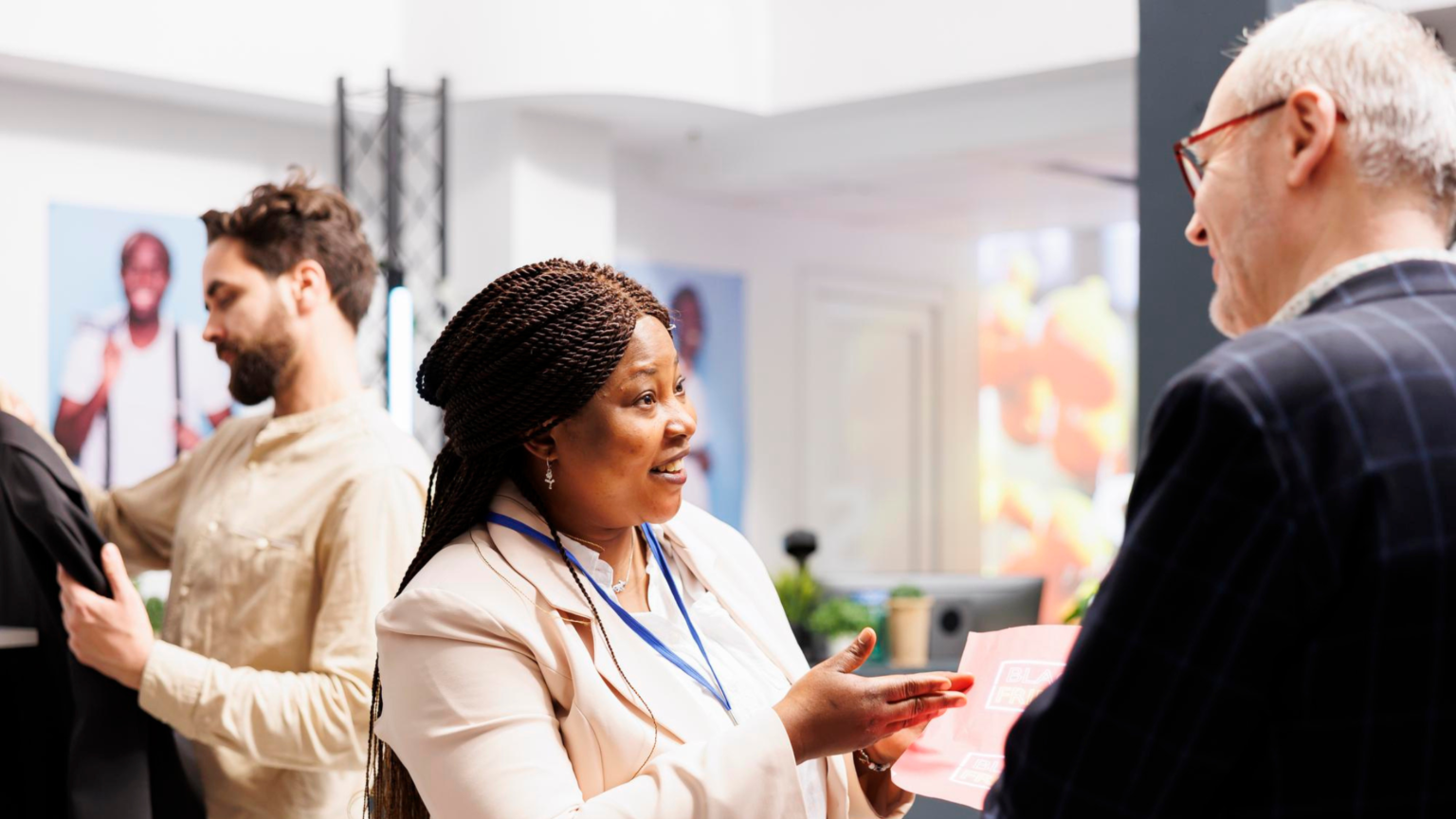
Some booths stay busy from opening bell to closing announcements. Others sit quietly, even when the products and services are strong.
The difference becomes obvious after watching attendee behavior for a few hours. Certain booths naturally slow people down. Visitors pause, look up, and step inside without being pulled. Nearby, other booths struggle to get a second glance, even with friendly staff and branded giveaways.
What makes this pattern interesting is that it repeats across industries. Technology, healthcare, construction, hospitality, and startups all show the same split. The booths winning attention are not always the biggest or the most expensive. Many are surprisingly simple.
#1 They Design for Orlando Crowds, Not for a Website Screenshot
Orlando foot traffic is unique. Aisles can get narrow, crowds move in waves between sessions, and overhead lighting is rarely flattering. These conditions change basic design choices. Signage needs to be read from 30 feet, circulation paths must allow two people to stop without blocking the flow, and focal points should be visible at a glance.
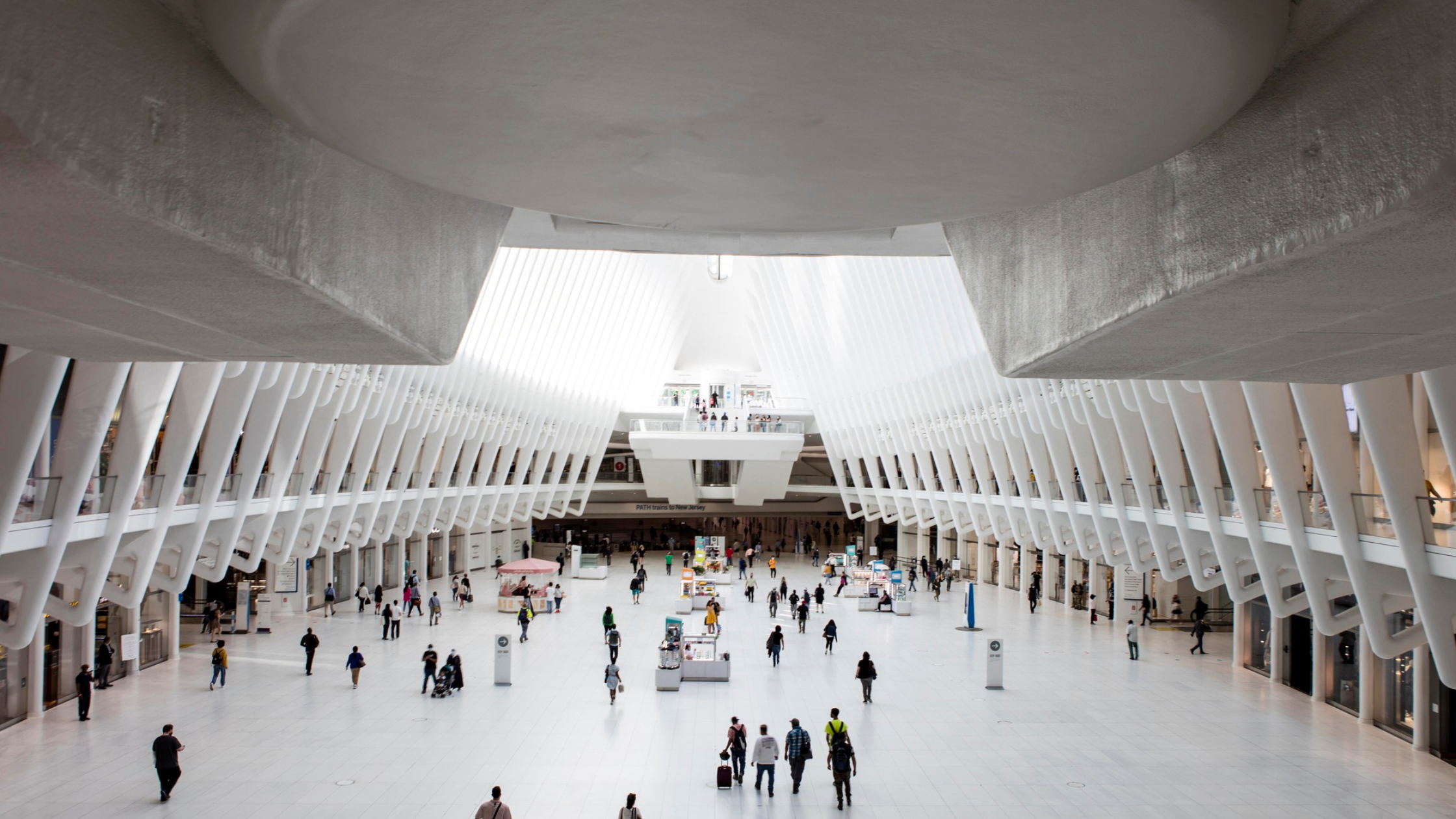
Simple layout fixes stop people mid-walk. A raised display or a clear sightline to a demo area draws attention. Low counters that invite a quick peek work better than tall, closed walls that create a barrier. Creating a small breathing space in front of the booth gives visitors room to pause without feeling trapped.
There are common mistakes Orlando exhibitors quietly learn to avoid after one bad show. Overloading a footprint with furniture, relying on subtle colors, or assuming a digital mockup matches the live feel all lead to wasted budget and missed opportunities.
Local exhibit builders who know Orlando venues can prevent these problems before fabrication begins. Partnering with Purple Exhibits, the only Exhibit Fabrication Company Orlando familiar with venue rules, lighting quirks, and traffic patterns keeps the design practical and effective.
#2 They Know Exactly What the Booth Has to Achieve Before the Doors Open
Without that goal the booth becomes a compromise between competing ideas. With it, graphics, layout, staffing, and follow up all point to the same outcome. Below are concrete rules and quick examples that make the choice actionable on the shop floor and in the project brief.
Start with one measurable goal written on the brief and used as a veto for extras. Example goals that force clarity:
- Collect 200 qualified leads that meet three criteria: job title, purchase timeline, budget.
- Book 12 product demos that last exactly 10 minutes each.
- Sign three distributor memorandums of understanding during the show.
Turn the chosen goal into exactly three decisions that shape the booth.
#3 Their Booth Tells a Clear Story in Under Five Seconds
On a busy Orlando floor people decide to stop or pass in a glance. The booth must deliver one simple story that reads from 25 to 30 feet and points to a single next step. If the top third of the display does not answer “who is this for” and “what happens if I stop,” most visitors keep walking. Short, bold messaging filters the crowd and raises the ratio of qualified conversations.
Key rules and examples:
- The headline must be 3 to 6 words, high contrast, readable from 25–30 feet. Example: “Install Faster, Downtime Less.”
- Hero visuals should have one clear image showing outcome, not a feature collage. A single person using the product works better than multiple small photos.
- Add Single micro CTA. One visible action only, such as a tablet icon with “Demo” or a QR with “Tap to Book.”
- No long copy, no multiple CTAs, no busy backgrounds that kill legibility.
- Photograph the mockup from 25–30 feet; if headline or CTA fail, simplify immediately.
#4 They Build for Multiple Shows, Not Just One Weekend
Strong Orlando exhibitors plan for a season, not a single weekend. They assume the booth will travel across convention halls, hotel ballrooms, and regional expos where footprints, ceiling heights, and traffic patterns change. Designing only for one event usually leads to rebuilds, rushed fixes, and rising costs by the second show.
Smart teams lock flexibility into the structure from the start. They use modular wall panels that reconfigure from a 10×10 to a 20×20, counters that flip orientation, and headers that scale in height without reprinting the full graphic set. Lighting tracks and monitor mounts are positioned to work across multiple layouts instead of being hard-fixed to one plan.
The biggest savings happen early. Decisions like universal panel sizes, reusable crates, and standardized connectors cut labor and shipping costs before fabrication even begins.
This is why working with Purple Exhibits who plans scalability from day one pays off across every Orlando show on the calendar.
#5 They Treat Booth Staff Like Part of the Exhibit
On Orlando show floors, visitors often decide whether to engage based on the first three seconds of human interaction, not the graphics. A distracted or poorly positioned staff member can undo months of planning.
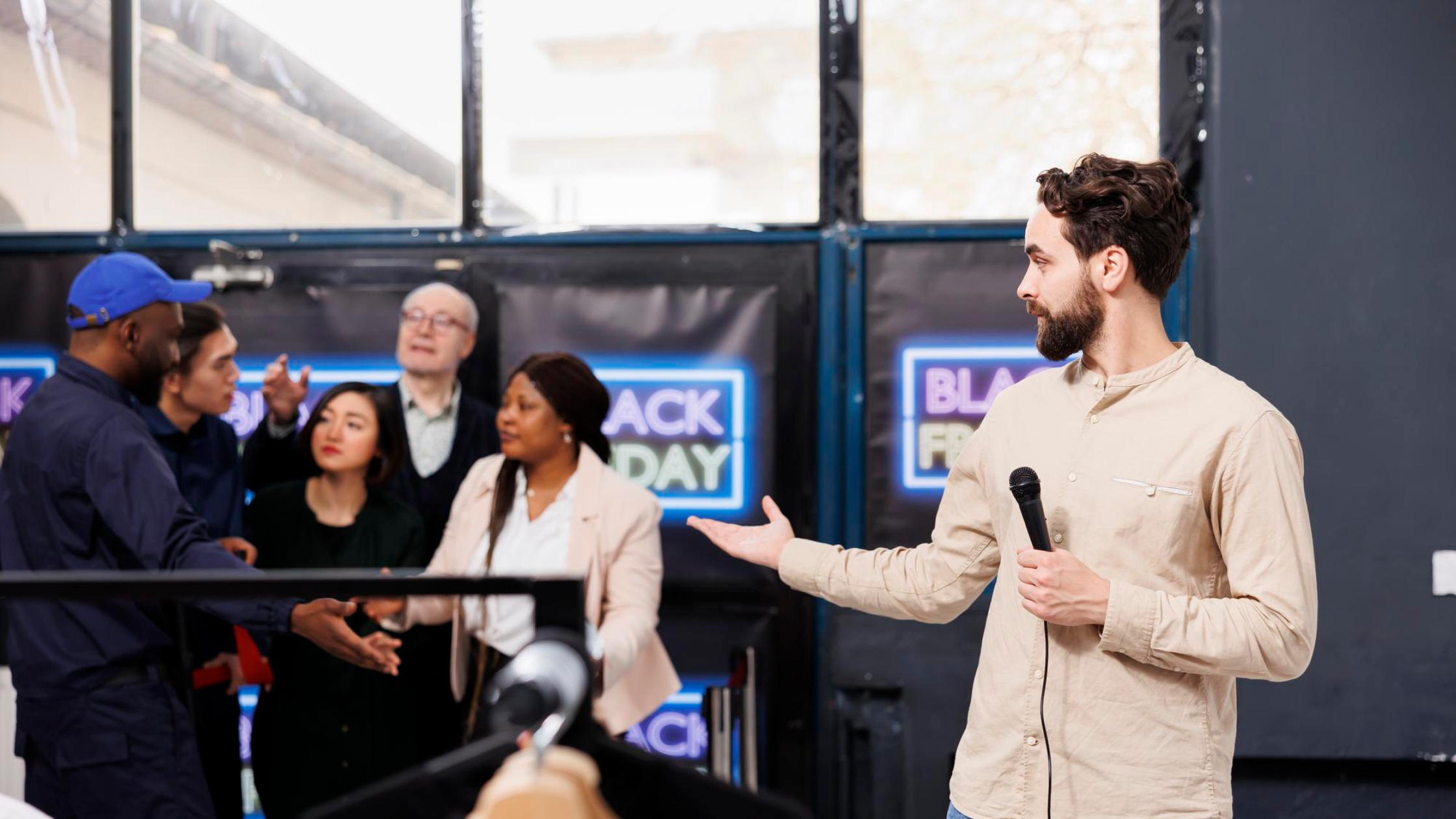
Successful Orlando exhibitors coach booth behavior before the show. One common example is positioning. Instead of standing behind counters with crossed arms, trained staff stand at the booth edge, angled toward traffic. This small change alone increases first contact because it removes the physical and psychological barrier.
Common mistakes that quietly kill engagement include:
- Clustering in groups of two or three, which signals “private conversation.”
- Looking at phones or laptops, which tells passers the booth is closed.
- Delivering the same long pitch to every visitor, regardless of interest level.
Simple shifts create better conversations. For example, a greeter trained to ask a single qualifying line such as “Are you looking to install this year or just exploring options?” can route visitors correctly in seconds.
Another example is assigning one person to stay near the demo while another floats near the aisle, keeping traffic flowing instead of bottlenecking.
#6 They Use Lighting and Height to Win the Visual Battle
Orlando convention halls use high ceilings and broad ambient lighting, which flattens booths that rely only on printed graphics. Exhibitors who stand out treat light and elevation as structural tools, not decoration.
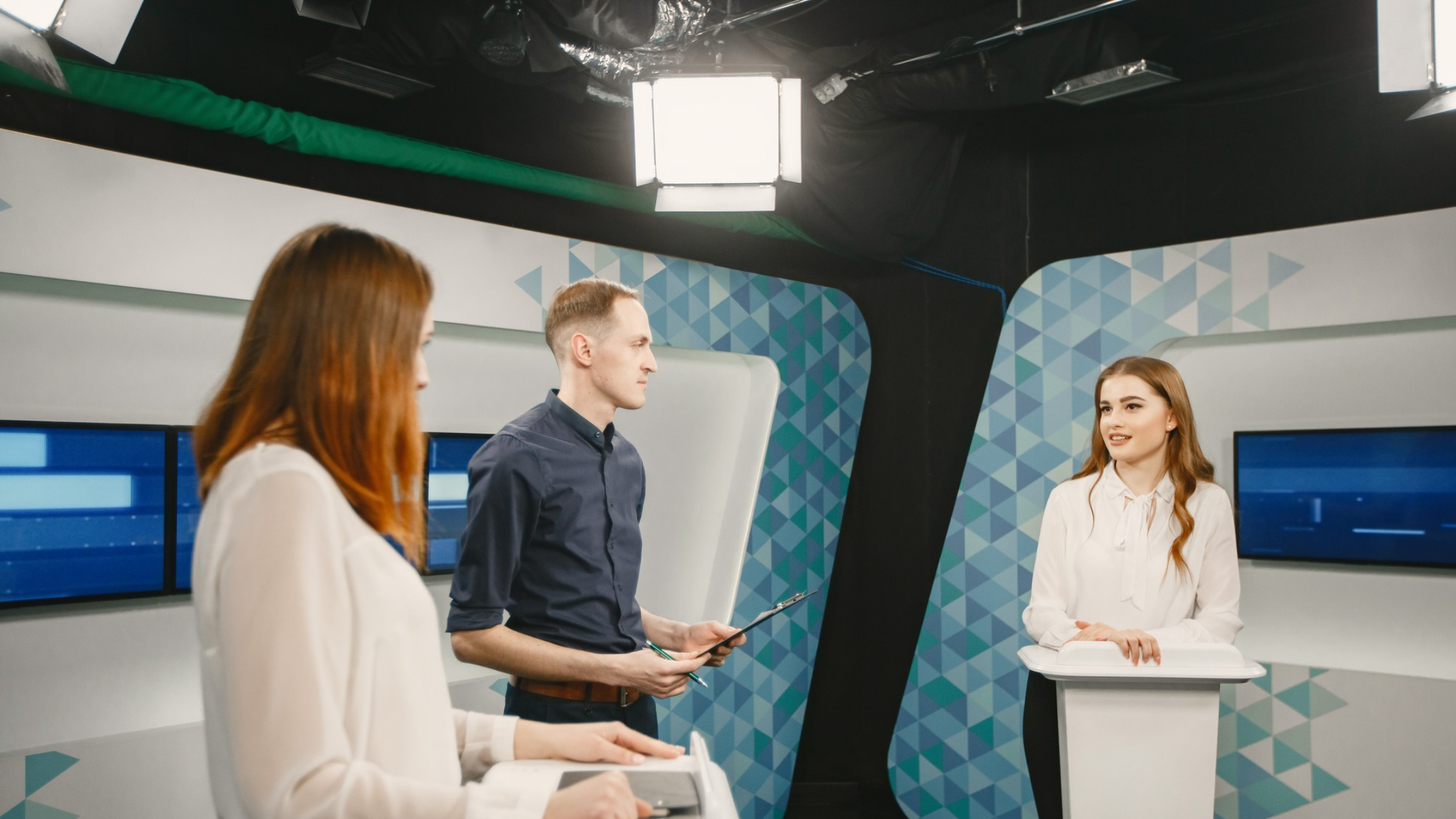
Trade Show Lighting is the first differentiator. Booths that blend in often depend on hall lights and wash lighting, which makes graphics look dull and uneven. Strong performers layer light with purpose:
- Overhead spotlights to pull focus to the headline area.
- Accent lighting to highlight demos or products, creating a natural pause point.
- Warmer tones in meeting zones to signal comfort and conversation.
Height attracts attention without breaking rules. A raised header, vertical tower, or hanging sign draws the eye from across the aisle while staying within venue limits.
Even a few extra feet of vertical structure gives the brain a landmark to aim for, especially in long rows of flat booths.
#7 They Follow Up Like the Show Never Ended
Strong teams segment leads based on what actually happened in the booth, not just a badge scan. For example, someone who watched a full demo and discussed pricing is tagged very differently from someone who grabbed a brochure and left.
Timing is where many exhibitors lose momentum. Waiting a week to reach out is the fastest way to go cold. The most effective follow ups happen within 24 to 72 hours, while the visitor still remembers the booth, the conversation, and the context of the show.
Message alignment matters. If the booth promised a fast install or a live demo, the first email or call must reference that exact point. Generic follow ups break trust because they feel disconnected from the in-person experience.
High performing booths remove excess elements until every graphic, light, and staff movement serves one clear purpose. They design for real crowd behavior, not for visuals alone, and refine what works from show to show.