

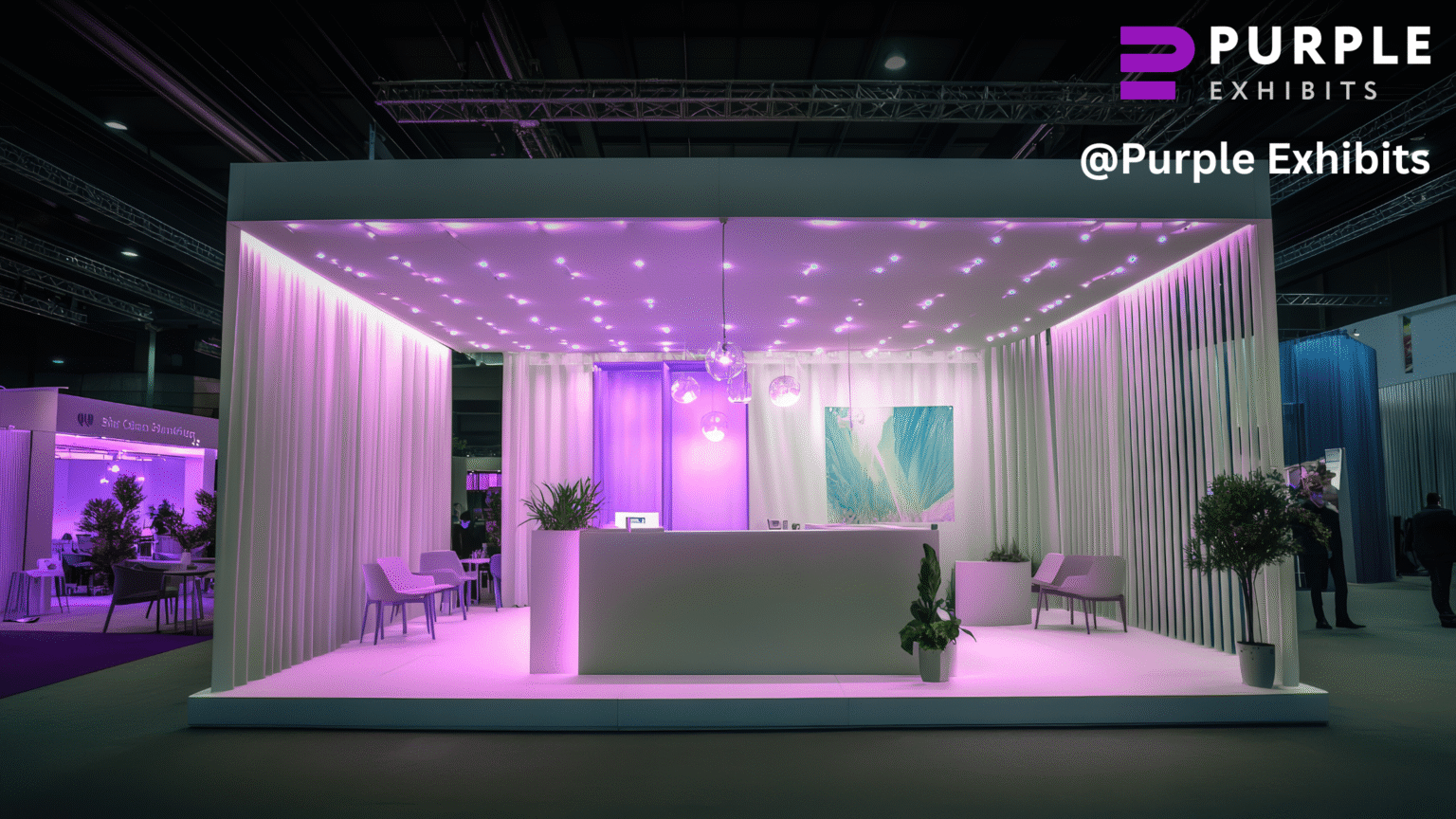
The trade show floor can feel like a slow-motion river of people, attendees cruising past booth after booth with that “seen it all” look, eyes sliding over the same posters and tired giveaways. Then there’s the rare booth that actually halts the flow, where light, movement, and a welcoming path pull people in and the energy around the space turns casual passersby into conversations.
Unforgettable booths are not accidents, they are built with purpose: layout that guides, moments that invite touch, and a clear story that reads from the aisle.
It matters, because most attendees are decision makers and coming to discover new solutions, so a booth that earns attention can directly influence buying conversations.
#1 Turn Curiosity Into Foot Traffic With a Show Floor-Smart Layout
Attendees rarely realize it, but most people on a show floor move in predictable patterns. Their eyes follow the clearest visual cues, and their feet naturally drift toward open paths that feel easy to enter.
A booth that places its strongest visual pull in the draw-in zone catches that instinct quickly, while the engagement pocket keeps visitors inside just long enough for a real conversation.
Even a small change, such as removing a front counter that creates a physical barrier or angling the entrance so it points toward the main aisle flow, can increase approachability and reduce that hesitation visitors often feel.
The sticky demonstration corner works the same way by creating a moment that encourages lingering rather than passing
Purple Exhibits uses these behavioral patterns when planning layouts by studying venue flow, aisle direction, and typical attendee walking routes before finalizing the floorplan.
#2 Create a Mini Experience People Can Feel
On a crowded show floor, tactile and sensory touchpoints cut through the scrolling eyes and tired passersby. Think of a demo bar where attendees can try a product for 30 seconds, an LED wall that changes when someone steps into a footprint, a big red button that launches a 60 second reveal, or a micro VR station that drops a visitor into a use-case scene.
Passive visuals like posters, looping videos, and dense copy ask visitors to look. Active touchpoints ask visitors to do something and reward that action with an immediate sensation or story. That interruption of routine walking patterns is what makes a booth stick in memory.
To keep things clean, Purple Exhibits designs experience pockets as purpose-built zones: a draw-in touchpoint at the front, a demo nook set slightly off the main flow, and a compact tech station tucked into a corner.
#3 Let Bold Story Framing Do the Talking (Because Overloaded Walls Never Do)
Cluttered walls full of paragraphs rarely win attention. From 10 feet away a visitor sees shape and color first, not copy, so long blocks of text become visual noise that gets ignored. The trick is to fracture the message into three clear layers so each distance delivers the right information.
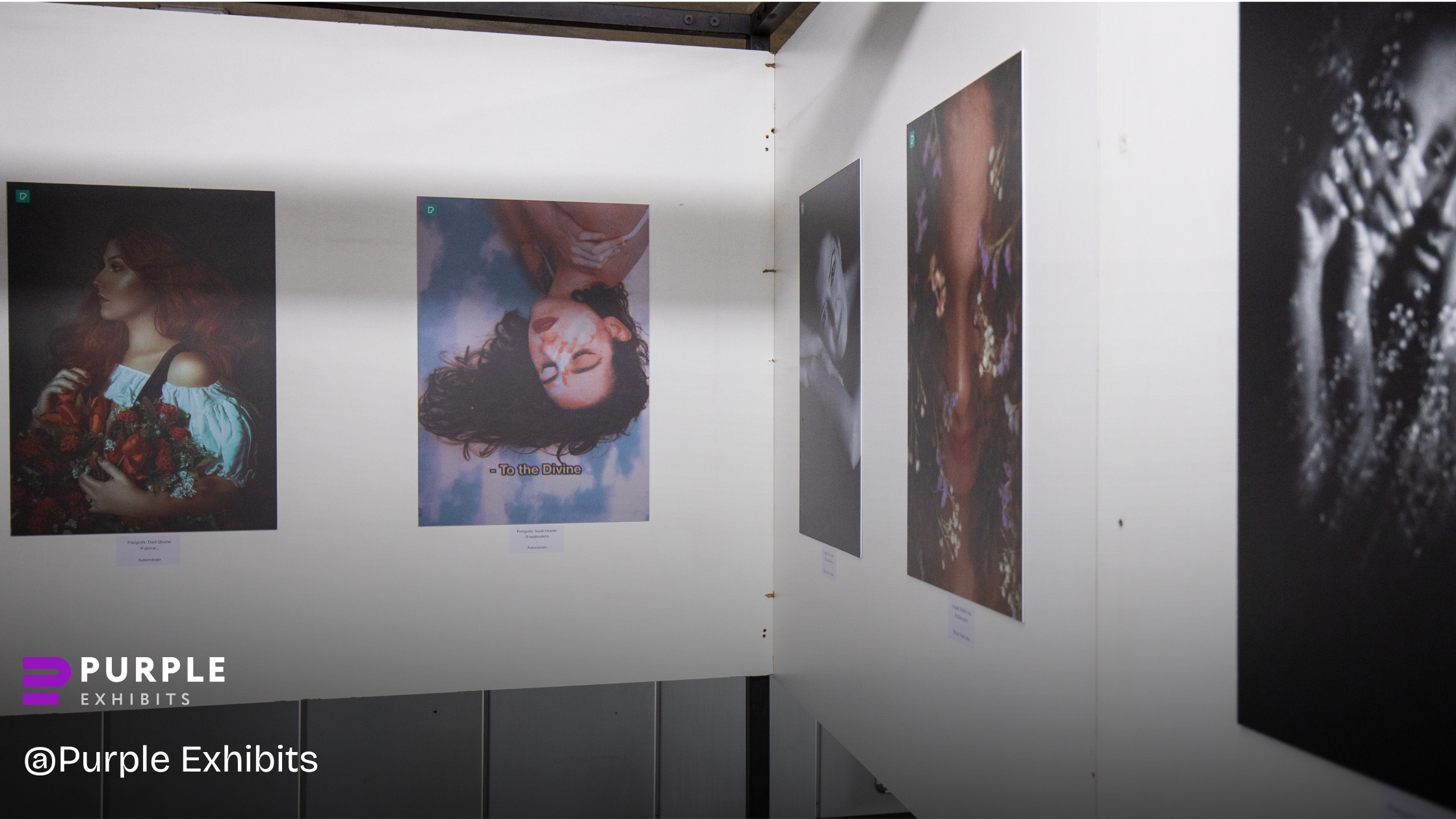
The three-tiered message structure works like this:
- The 10-foot message: a single, bold line that reads like a promise or a feeling. This is the headline that stops a passerby.
- The 5-foot message: one or two concise proof points or differentiators that make the promise believable.
- The 1-foot message: short, clean details for people who step inside and want the specifics.
A back wall covered in five paragraphs, product specs, and a small logo that disappears into the crowd. After: a striking 10-foot headline above a dramatic visual, a 5-foot band with two quick proof bullets, and a tucked panel with technical specs for those who come closer.
Multiple competing calls to action that confuse visitors. After: one clear emotional hook up front and a single, visible next step at chest height.
#4 Staff Who Create the “Unforgettable Factor”
Some trade show booths feel flat the moment someone walks by, usually because staff are sitting behind tables or staring at screens instead of the aisle.
Others feel alive even with the same number of people. The difference comes from simple behaviors visitors instinctively respond to. A quick smile or small nod is often enough to make someone pause instead of drifting past.
Light, conversational openers work better than scripted lines because they feel like an invitation rather than a pitch. Once someone steps in, the goal is gentle guidance, not pressure, which is where a visitor choreography map helps.
Purple Exhibits often provides pre-show walkthroughs where teams can practice this visitor choreography inside the actual booth setup before shipping. It eliminates awkward first hours on show day.
#5 Add One Immersive Surprise That Sparks Post-Show Memory
When every booth is shouting for attention, the one thing that gets talked about later is a single signature moment. That signature does not need to be large or expensive. It needs to be distinct, timed, and easy to describe.
Small, well executed surprises create an emotional memory that outlives the show floor noise and becomes the story attendees tell peers. Practical examples that work without overwhelming a design include:
- A lighting moment triggered by motion that brightens a product area for five seconds.
- A suspended element that casts a striking silhouette visible from down the aisle.
- A subtle scent note at the entrance that people later say reminded them of the brand.
- A timed product reveal or short 60 second demo that runs every ten minutes so passersby learn to expect the moment.
Placement and pacing matter: position the surprise where it pulls people deeper, cadence it so it does not annoy, and check show rules for rigging, sound, and scent.
Brands planning next season’s shows can request a free design blueprint from Purple Exhibits. Just a custom booth concept sketch showing how these five strategies can transform the space into an unforgettable experience.