

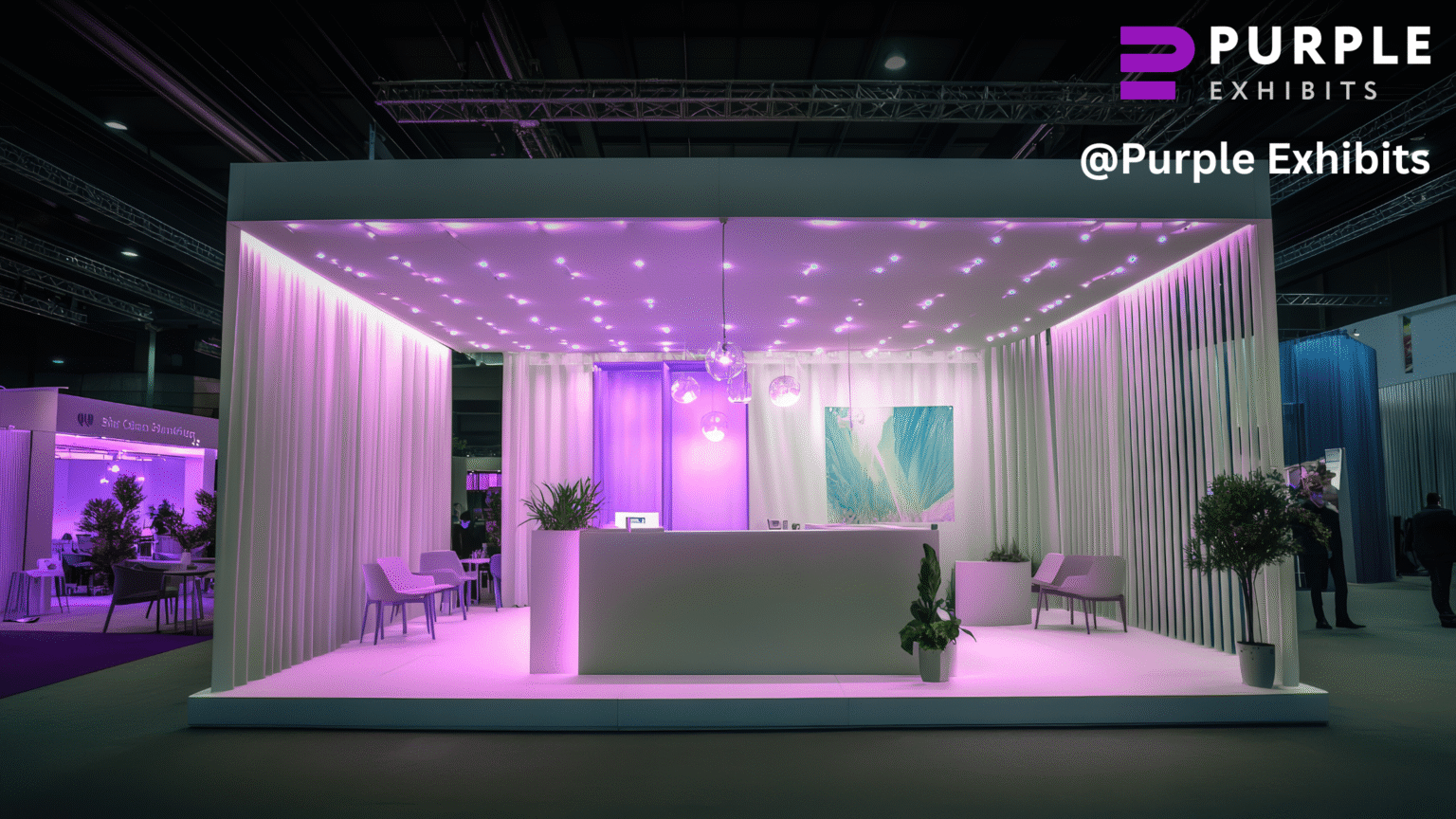
Exhibits are expensive, and one overlooked detail can cost real results. Anyone who’s spent time on a busy trade-show floor has seen it: a beautiful booth that draws eyes but not meetings, or a tight budget blown on flashy panels that never convert.
Exhibiting isn’t just renting a booth and standing there with brochures, it starts months earlier with strategy, messaging, and logistics. Many first-time teams and seasoned brands repeat the same mistakes that drain budgets, kill engagement, and weaken ROI.
Thinking the Exhibit Begins at the Trade Show Hall
Treating the booth as the starting line creates chaos. Planning should begin months earlier with strategy, messaging, and pre-show promotion. Nail clear goals (for example: 50 qualified leads, 8 demos, 3 partner meetings).
Build a realistic timeline backwards from move-in creative deadlines, shipping cutoffs, tech tests, and staff dry runs. Assign owners for design, logistics, lead capture, and follow-up and keep one shared checklist. With that prep, the booth becomes the finishing touch, not the whole plan.
Designing a Booth That Looks Good but Doesn’t Function Well
A visually stunning Custom Trade Show Booths can still fail if people can’t move through it or quickly understand what’s offered. Prioritize a clear traffic flow so visitors enter, engage, and exit without bottlenecks; place a single focal point like a demo station, product wall, or video that draws attention and anchors conversations. Strip back competing visuals and keep messaging readable from 10–15 feet so the offer registers in seconds.
Test sightlines and walking paths during setup; adjust counters, displays, and seating so staff can engage naturally. Don’t forget accessibility: level entrances, reachable demo surfaces, and obvious signage make the space welcoming for everyone. A booth is a selling environment first designed for movement, clarity, and connection.
Forgetting That Visitors Only Give You 5–8 Seconds to Impress
On crowded exhibition floors attention spans are microscopic. Visitors scan quickly and decide to stop or keep walking in about 5 to 8 seconds, so the first visual impression has to communicate value instantly.
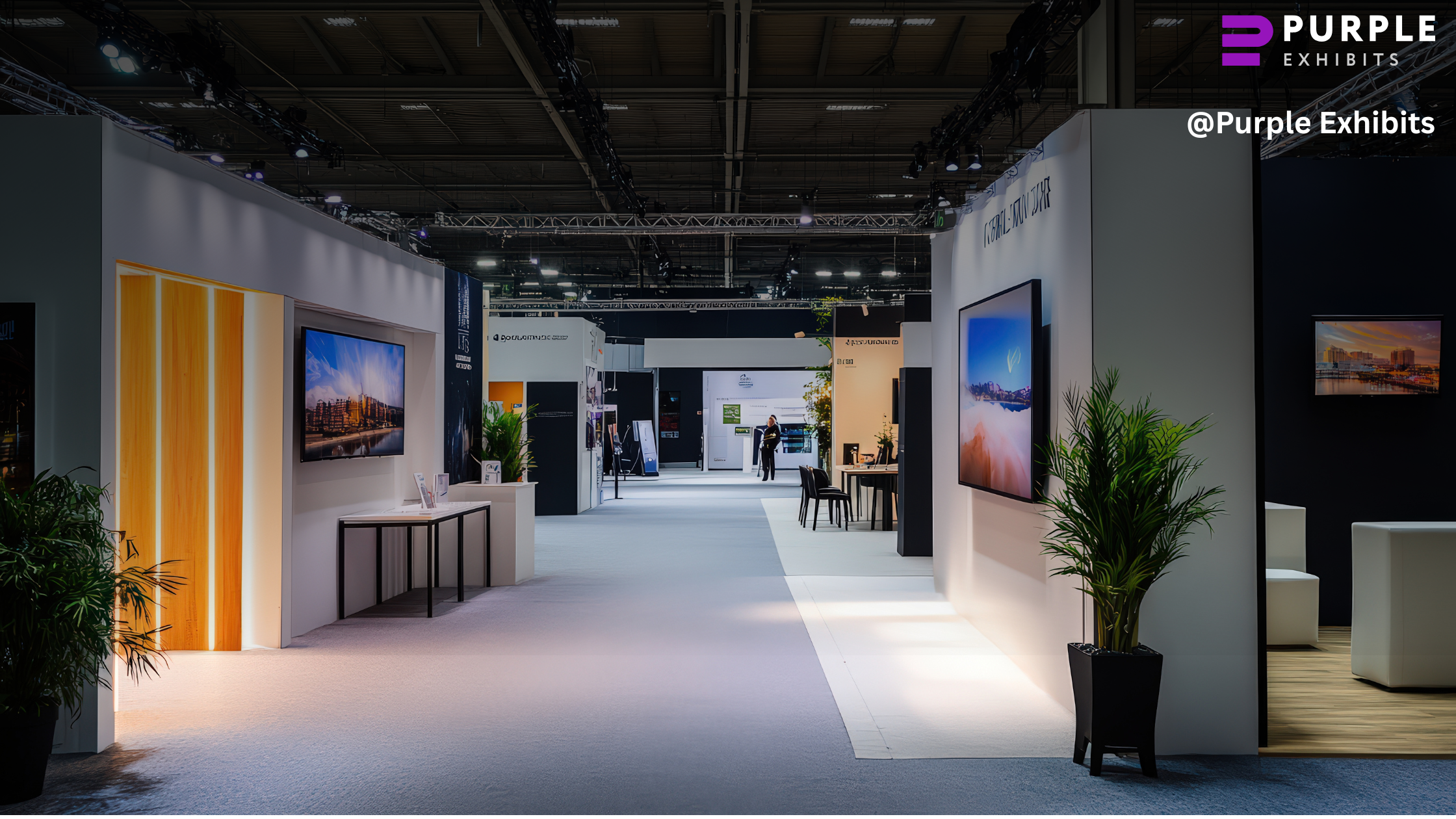
Common mistakes that make attendees walk on:
- Complex messaging that needs decoding.
- Tiny fonts that vanish from 10 to 15 feet.
- Hidden value propositions that require a conversation to understand.
- Cluttered visuals that compete instead of directing attention.
Planning Technology Last and Paying the Price Later
Interactive tech can make an exhibit unforgettable, but only when it is part of the plan from day one. Adding screens, AR, or live demos at the last minute creates costly surprises.
Key items to lock in early:
Power and cabling: Calculate total wattage, request dedicated circuits if needed, map outlets, and label every cable.
Hardware and compatibility: Confirm OS versions, drivers, ports, adapters, and video formats before fabrication begins.
Network needs: Decide between wired and Wi-Fi, reserve a static IP or hotspot, and prepare for offline fallbacks if the venue network is unreliable.
Staffing and workflows: Assign a tech operator, train them on demo flows and quick troubleshooting, and write short run scripts for handoffs.
Backup plan: Pack spare devices, local playback of demos, extra cables, power strips, and a tested plan for swapping to a non-interactive fallback.
Assuming the Booth Itself Will Bring Visitors to You
One of the most common mistakes is relying entirely on walk-in traffic. With hundreds of booths competing for attention, visitors rarely stop at a booth they don’t already know something about. Exhibitors who skip pre-event promotion often end up waiting for crowds that never arrive.
A better approach starts before the show opens:
- Announce participation early to stay visible and let prospects know you’ll be there.
- Share teasers and countdown posts that highlight what visitors can expect, such as new products, live demos, or limited offers.
- Send email and LinkedIn invites to current leads, past customers, and key prospects. Include booth number and a link to schedule a meeting.
- Offer special perks for pre-booked appointments, such as priority demos, early access, or exclusive takeaways.
Staff Who Don’t Understand the Approach or the Audience
Many exhibits get undermined by staff who chat among themselves, lack product understanding, or deliver inconsistent messages that confuse visitors. People walking the floor need clarity fast, and if the booth team cannot communicate confidently, engagement drops immediately.
A strong foundation starts with short scripts that outline what to say in the first few seconds. Keep them simple, conversational, and focused on what the visitor gains. Pair this with core value messages that everyone on the team can repeat word for word, so the booth has one cohesive voice instead of five disconnected stories.
Staff should practice reading visitor behavior, recognizing whether someone wants a quick overview, a deep demo, or simply a brochure and a polite exit.
Forgetting That Booth Budget Should Also Cover People, Marketing, and Follow-ups
Putting 80–90% of the budget into booth construction and nothing into the human and marketing side is a fast way to watch leads evaporate. The physical build matters, but so do the things that turn floor conversations into deals: post-show outreach, staff training, and reliable lead-capture tools.
A practical split keeps the whole effort working:
40% booth — design, fabrication, freight, drayage, on-site install/dismantle.
30% staffing and operations — training, travel, per diems, temp hires, lead-capture devices, and on-floor support.30% marketing and follow-up, pre-show promotion, meeting scheduling tools, CRM integration, post-show email/drip sequences, retargeting ads, and sales enablement content.
Collecting Leads Without Preparing a Plan to Use Them
Trade shows generate piles of scanned badges and business cards, but many never get used. The common attitude is “we’ll deal with it after the show”, and by the time the team gets home, the momentum is gone. Leads go cold in days, and valuable conversations turn into missed revenue simply because no process existed before the event.
A strong system starts before the show:
- Set up CRM auto-tagging and segmentation so every lead is categorized by interest, product, priority, and event.
- Build follow-up workflows in advance, including when each message goes out and who owns the next step.
- Write prebuilt email sequences tailored to different lead types so follow-up isn’t delayed by content creation after the team is exhausted from travel.
Send an immediate post-event acknowledgment, even if short and simple, thanking the visitor and confirming next steps.
Trying to juggle all of that internally, especially while also managing daily business operations, often leads to rushed decisions, overlooked details, and the very mistakes that drain budget and impact results.
This is where partnering with an experienced exhibit team like Purple Exhibits makes a measurable difference. Specialists handle the heavy lifting while keeping the brand’s goals front and center.
Measuring Success Through the Wrong Metrics
The metrics that actually matter are qualified leads, cost per lead, demos conducted, meetings booked, and partnerships closed, plus the exhibit’s contribution to pipeline and closed revenue.
Tag every lead in the CRM with the event campaign and interest categories so measurement is automatic. Calculate cost per lead as total event spend divided by qualified leads, and track demos and meetings with calendar integrations that feed back into the CRM.
Attribute closed deals to the show through campaign tags or opportunity notes so ROI can be measured in revenue, not impressions.
The booths that deliver real ROI are the ones where planning starts early, messaging is immediately clear, the space functions as a selling environment, the team knows how to engage visitors, and follow-up is executed with discipline.
When all these moving parts connect, the exhibit becomes more than a presence on the floor, it becomes a measurable business driver.