

So you’re walking into an exhibit where the lights flatten the graphics, the soundtrack fights the conversation, and every surface feels like cheap plastic. Now imagine the exact opposite: layered light that guides the eye, sound that primes curiosity, and textures that invite touch. The difference is not just aesthetic.
Lighting, sound, and texture in Chicago Trade Show Booth Design are measurable levers that change attention, emotion, memory, and behavior. This post breaks down how each sense works in a live environment, highlights research-backed effects, and gives concrete tactics to test at the next show.
Where relevant, Purple Exhibits’ approach to sensory design is sprinkled in to show how a deliberate funnel can turn passive visitors into qualified leads.
Why the senses matter more than a pretty booth
Sensory cues do two things at once. First, they orient people physically: where to look, where to stop, where to move next. Second, they shape how people feel about what they see and remember. Neuroscience and environmental psychology show that lighting conditions change emotional and neural responses during viewing.
In a controlled museum simulation, different lighting conditions produced measurable shifts in viewers’ emotional ratings and brain activity, which correlate with engagement and memory formation.
Put simply, the booth that controls the sensory field controls attention. That is the starting point for designing experiences that convert.
Lighting: guide the gaze, set the mood, protect the message
It is a directional cue, a mood engine, and sometimes a conservation constraint. Studies in exhibition settings find that color temperature and light distribution affect visitors’ perception, comfort, and preference, even in virtual setups. Tweaking correlated color temperature and contrast can make a display feel warmer and more intimate or cooler and more clinical depending on the objective.
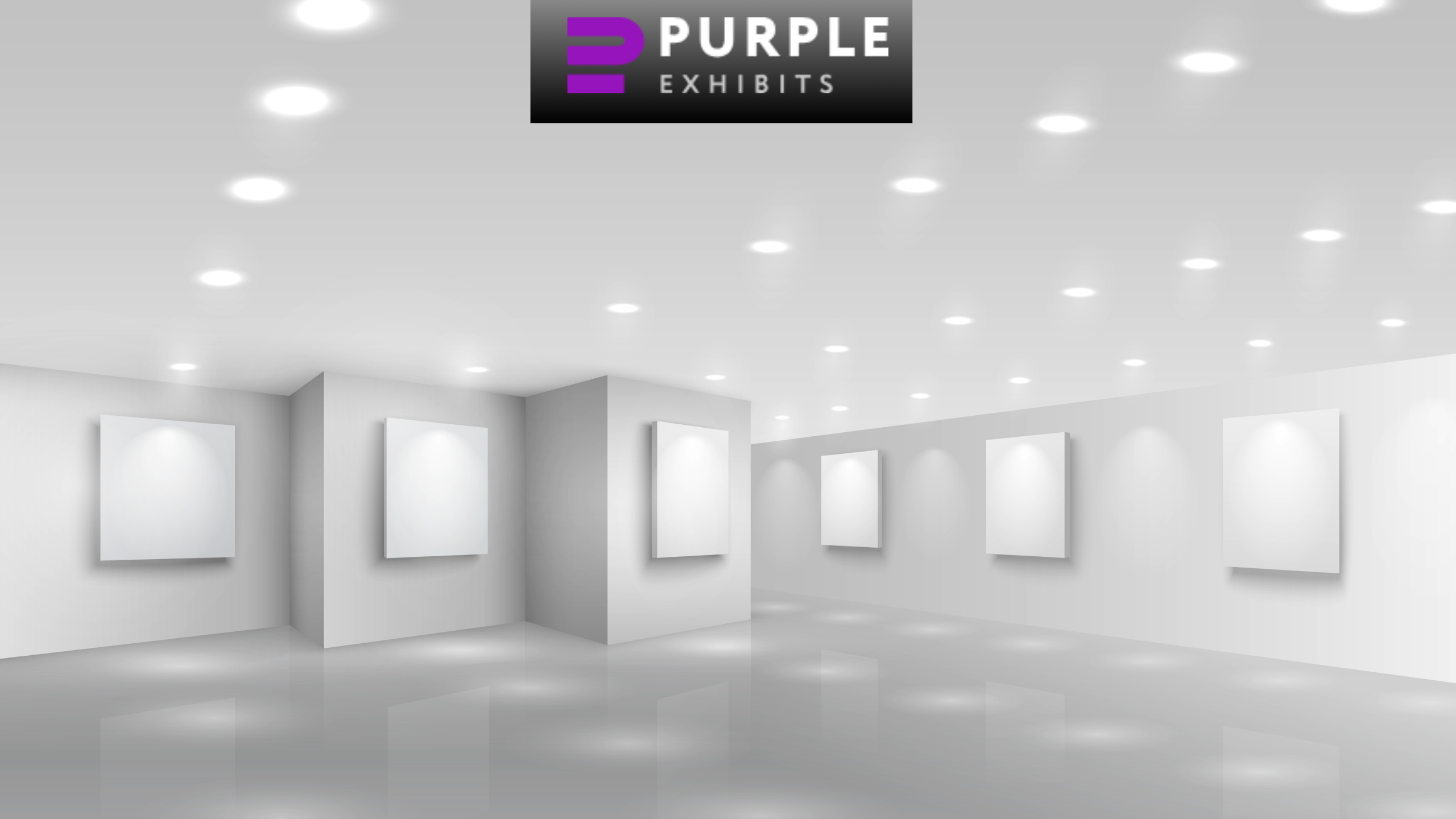
Use layered lighting. Ambient light sets overall comfort. Accent light highlights hero assets and creates hierarchy. Backlight or grazing light reveals texture.
Where conservation is a concern, fragile textiles, historic materials work with LED sources and filtered spectra to balance visibility with preservation. In one museum study, inadequate or uneven lighting harmed visitor experience for most respondents, with a large majority reporting negative effects on comfort and engagement.
That reaction translates directly to trade shows where visitors have seconds to decide to pause.
Create two identical micro-displays with different CCTs and measure dwell time and photo captures. Even small shifts in light temperature often change perceived warmth, approachability, and time spent looking.
Sound: tempo and volume steer attention and behavior
Background music tempo affects movement speed and therefore dwell time. Classic retail experiments showed that slower tempo music slows shoppers down and can increase time in-store and sales.
In environments where conversations matter, product demos, lead capture and choose sound that reduces cognitive load and supports, rather than competes with, human interaction.
Use sound zoning. Keep music or atmospherics confined to display islands, and use lower ambient levels near staffed demo areas. Short, purposeful sonic cues can call attention to a live demo start or a new visual reveal. Avoid long looping tracks that become background fatigue.
If the brand story needs energy, tempo can be increased selectively during scheduled activations rather than run constantly.
Texture and touch: converting curiosity into commitment
Touch carries persuasive power. Consumers who can touch a product evaluate it more positively and are more likely to convert. Research in consumer behavior shows that haptic information enhances product evaluation and can drive impulse decisions. Where possible, make tactile samples available, create hand-held takeaways, and design surfaces that reward exploration.
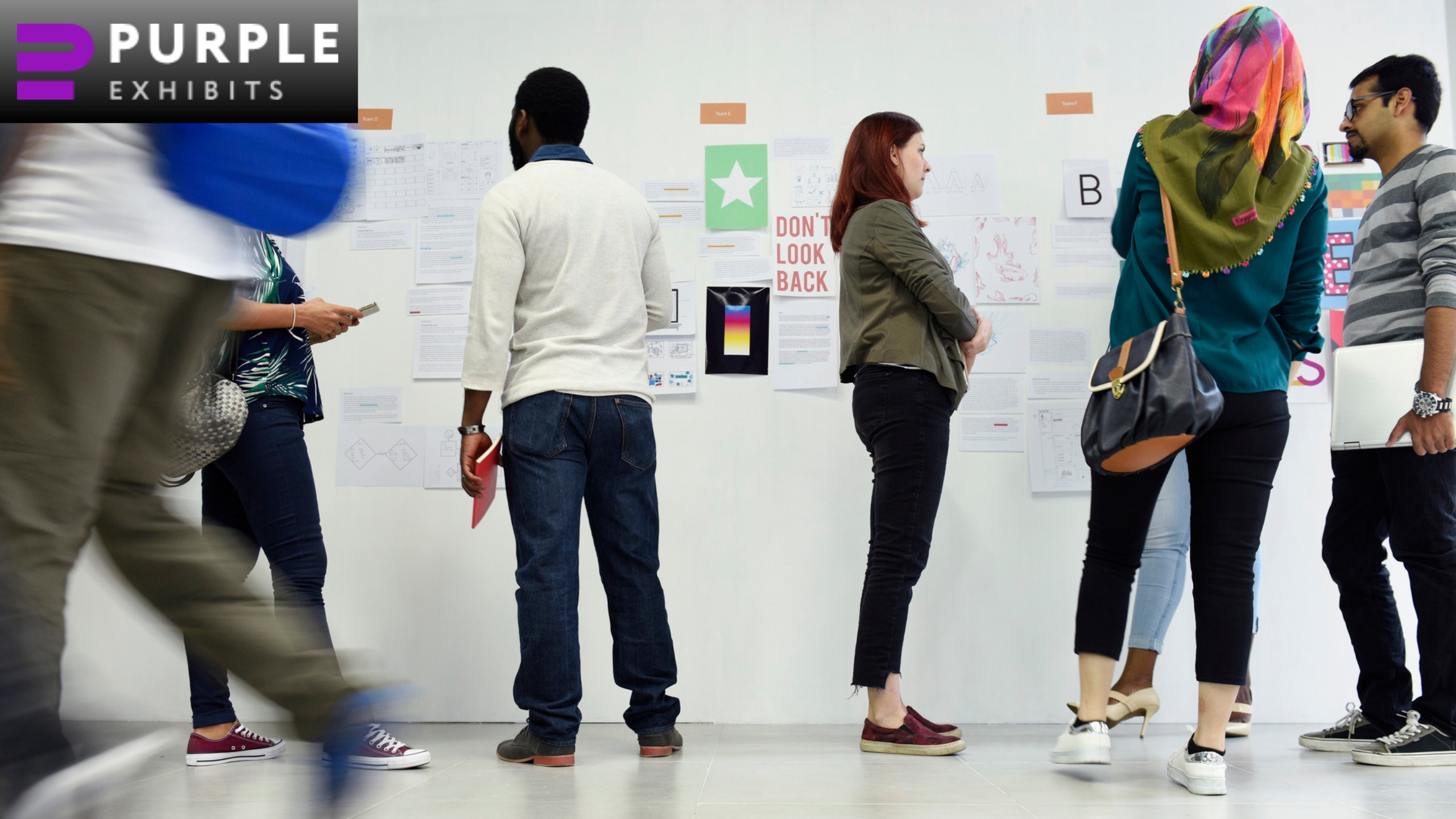
Design tip: pair texture with information architecture. A tactile sample invites an interaction; match that with a succinct benefit card and a simple CTA and QR code to a short product video or a live demo sign-up. That frictionless path converts curiosity into a tracked lead.
Congruency matters more than intensity
Multisensory environments work best when cues are congruent. Research in sensory marketing finds that congruency among stimuli improves emotions and willingness to purchase, while mismatched cues create dissonance and reduce trust. That means a warm, tactile display will feel off if the lighting is clinical and the soundtrack aggressive.
Create three mini-experiences at the next event like matched sensory stack, mismatched stack, and neutral baseline. Measure NPS, dwell time, and conversion at each. The matched stack will typically outperform the others on subjective enjoyment and conversion metrics.
- The demo island that used a dim theatrical wash to make AR visuals pop increased dwell time by measurable minutes. The darker ambient field focused eyes on the lit holographic element and reduced distractions from passing traffic. The outcome: more demo sign-ups and higher qualified lead rate.
- A booth switched from continuous pop music to soft, instrumental atmospherics near the demo table. Conversations lengthened and demo completion rates rose because attendees could hear sales reps without raising their voices.
- A tactile product sample station paired with a single-sentence benefit card and a QR code produced higher scan-to-lead rates than a traditional brochure rack.
How to measure sensory impact without guesswork
Track dwell time using camera-based heatmaps or badge scans. Pair dwell with conversions like demo sign-ups, QR scans, and qualified conversations. Run short post-visit micro-surveys to capture perceived warmth, clarity, and memorability.
For labs, physiological measures like eye-tracking and EEG reveal attention patterns, but the practical approach is heatmaps, conversion funnels, and short surveys.
If an audit would help, Purple Exhibits, one of the best Chicago Trade Show Experts, offers sensory checklists and A/B mockups that integrate into the event funnel so every sensory change maps back to a conversion metric. That keeps design decisions tied to revenue and not just aesthetics.
Small experiments with big insight
A/B testing works in physical spaces too. Try these micro-experiments:
- Lighting swap: change accent brightness or CCT on alternate hours and compare photo activity and demo sign-ups.
- Sound tempo: run slow instrumental vs moderate tempo playlists on alternate days and track average dwell time.
- Touch availability: offer tactile samples versus display-only for comparable products and track QR scans or demo requests.
Document outcomes and repeat the winners. Over just a few shows this builds a sensory playbook tailored to target audiences.
Three sensory-practical guidelines to apply now
- Use accent lighting to create focus points, not just to look pretty. A spot on the hero item is a directional nudge.
- Keep demo areas quieter and use natural-sounding atmospherics, not playlist leftovers that compete with speech.
- If people are allowed to touch, give them a logical next action such as a take-home sample, quick demo, or QR-triggered content.
Sensory design is less about maximal stimulation and more about intentional control of what attendees see, hear and feel. The payoff is not just nicer photos; it is longer conversations, higher-quality leads, and experiences that are remembered. To translate this into action, pick one sense to test at the next show and pair that change with one clear metric.
For help turning a sensory test into a conversion engine, Purple Exhibits can design a test plan that fits the floor plan and the funnel without adding noise to the budget.