
The Complete Trade Show Planning Blueprint
Turn Every Exhibition Into a Business Opportunity
Trade shows provide a unique opportunity to meet potential customers face-to-face, showcase your solutions, strengthen brand recognition, and generate qualified leads. However, successful exhibiting doesn’t happen by chance. It requires strategic planning, coordinated execution, and a clear understanding of your objectives.
This guide walks through the key stages of planning a successful trade show experience—from initial preparation to post-event follow-up.
1. Start With Clear Goals
Before selecting an event or designing a booth, determine what success looks like for your organization.
Common exhibition objectives include:
* Generating new business leads
* Launching products or services
* Increasing brand visibility
* Building industry relationships
* Meeting existing clients
* Conducting market research
Defining your goals early helps guide every decision throughout the planning process.
2. Select the Right Event
Not every trade show is the right fit.
When evaluating events, consider:
* Audience relevance
* Industry focus
* Visitor demographics
* Geographic reach
* Historical attendance
* Competitor participation
A smaller industry-specific event may deliver stronger results than a large exhibition with a broad audience.
3. Build a Realistic Budget
Many exhibitors underestimate the true cost of participating in a trade show.
Your budget should account for:
* Booth space rental
* Exhibit design and production
* Graphics and branding materials
* Shipping and transportation
* Installation and dismantling
* Travel and accommodation
* Marketing campaigns
* Staff expenses
* Lead capture technology
Creating a detailed budget helps avoid unexpected expenses and improves ROI tracking.
4. Develop a Pre-Show Marketing Plan
Successful exhibitors begin promoting their presence long before the event opens.
Consider:
* Email campaigns
* Social media announcements
* Customer invitations
* Appointment scheduling
* Landing pages
* Digital advertising
* Event-specific promotions
The objective is to create awareness and schedule meaningful conversations before arriving at the venue.
5. Partner With the Right Exhibit Team
Whether you’re renting, purchasing, or creating a custom exhibit, choosing experienced partners can significantly impact event success.
Look for providers that offer:
* Design services
* Fabrication
* Graphic production
* Logistics support
* Installation supervision
* Storage solutions
* Project management
A reliable partner helps reduce stress and keeps projects on schedule.
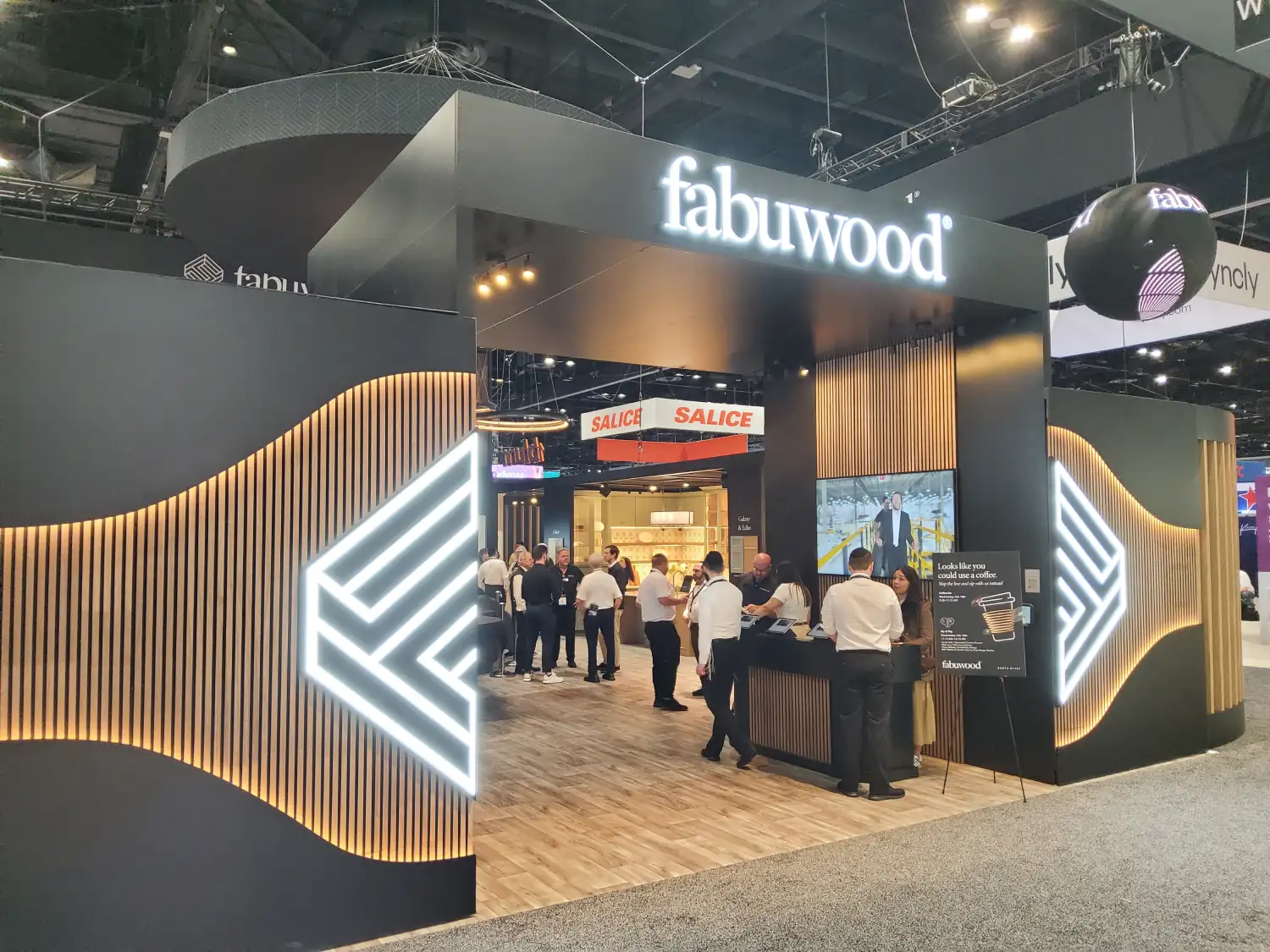
6. Create an Attention-Grabbing Booth Experience
Our exhibit should do more than look attractive—it should communicate value instantly.
Effective booth design includes:
Strong Branding
Ensure visitors immediately recognize your company and offerings.
Clear Messaging
Use concise headlines and benefits-focused communication.
Visitor-Friendly Layout
Create an open environment that encourages engagement.
Interactive Elements
Incorporate demonstrations, digital experiences, product showcases, or live presentations.
Strategic Lighting
Use lighting to highlight products and improve visibility across the show floor.
7. Prepare and Train Your Booth Staff
Even the most impressive exhibit can underperform if the team isn’t prepared.
Your staff should understand:
* Event goals
* Product knowledge
* Lead qualification processes
* Visitor engagement techniques
* Demonstration procedures
* Follow-up expectations
Well-trained staff create stronger visitor experiences and generate higher-quality leads.
8. Follow Up Quickly After the Event
The real value of a trade show often comes after the doors close.
Post-show activities should include:
* Lead qualification
* Personalized follow-up emails
* Sales outreach
* Meeting scheduling
* Performance reviews
* ROI analysis
Timely follow-up helps convert interest into opportunities.
Final Thoughts
Successful trade show participation is the result of careful planning, effective execution, and continuous improvement. By focusing on clear objectives, strong booth experiences, trained staff, and structured follow-up, exhibitors can maximize the value of every event and build long-term business growth.
Let’s discuss your exhibition goals today? Let’s Connect.