


Walking the Javits show floor makes one thing obvious. A handful of Custom Exhibits NYC draw crowds and conversations, while rows of others sit quietly, full of potential that never materializes. The problem is not glamour or location alone.
Unclear goals, sloppy handoffs, and tactics built on assumptions instead of data. Let’s understand the common failure points and show the concrete steps top exhibitors use to turn New York trade shows into predictable pipelines.
The Plan gap that quietly kills performance
A surprising number of booths fail before the doors open. Decisions are made without measurable goals, budgets are shoehorned in at the last minute, and booth design becomes an aesthetic exercise instead of a business function.
That early misalignment is what exhibition pros call the Plan gap. When objectives are vague – “get brand awareness” or “meet buyers” – there is no way to prioritize creative, staffing, or technology choices, and results suffer.
Research supports this. Industry recovery and performance tracking from the Center for Exhibition Industry Research shows that many events are still rebuilding and that exhibitor outcomes vary widely between shows and sectors. Getting specific about measurable outcomes should be step one.
Why traffic is not the same as qualified leads
Traffic numbers look great on the post-show recap, but raw headcount masks intent. Too many exhibitors mistake curiosity for purchase intent. People will pick up branded swag, pose for the photo op, and leave. Without a rapid, honest qualification process, the “leads” are expensive noise.
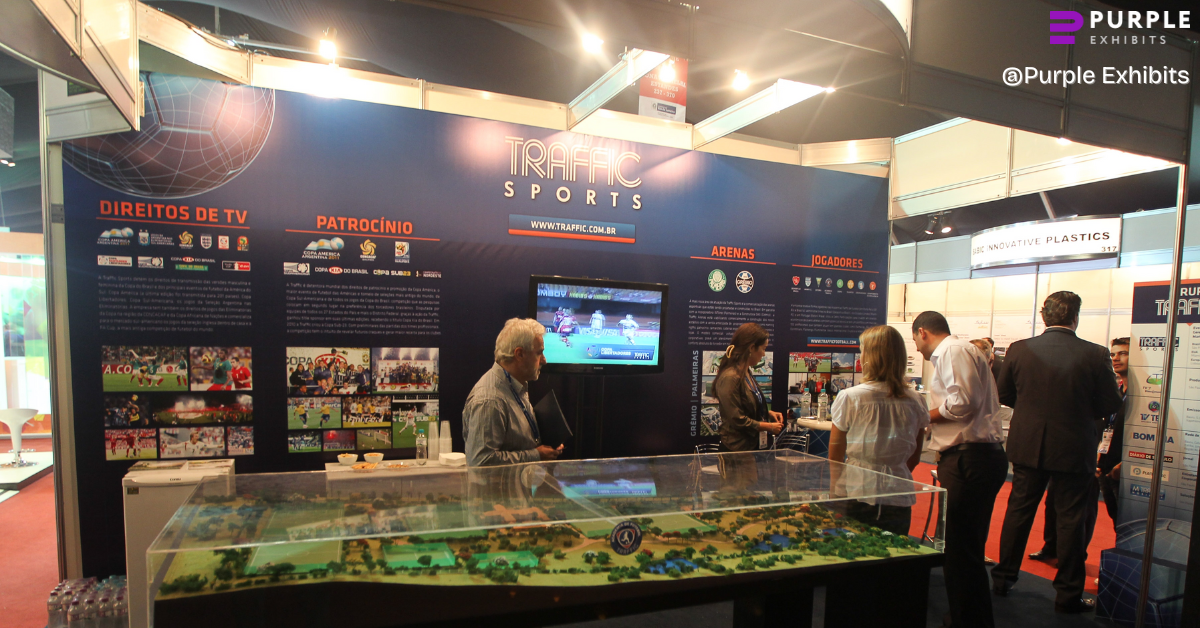
Concrete fixes used by high-performing teams include scripted micro-qualifications (two questions max), demo-to-close ratios tracked live during the show, and digital badge scans tied to immediate follow-up sequences. These methods focus energy on quality over quantity which protects sales bandwidth after the event.
Many exhibitors never train booth staff on how to convert or follow up. Longstanding industry audits show that a high percentage of booth staffers do not receive formal exhibit training, and an alarming portion of leads are never followed up effectively.
That organizational leak NYC Exhibit Design is one of the biggest ROI killers.
Design that confuses versus design that compels
A beautiful display is only useful when it communicates. Common mistakes are walls full of copy, unclear sightlines, and product arrangements that force attendees to ask “what does this do?” High-converting booths use visual hierarchy to shout the single most important thing from twenty feet away. When the message is clear, the conversation begins on a business note.
Three design rules that consistently work in New York halls.
- Signage that answers “Why should I stop?” at a glance.
- A demo or experience that proves value within 90 seconds.
- One clear CTA in the space – demo, appointment, or trial sign-up.
Purple Exhibits builds exhibits with that logic baked in. Their process maps show how a concept becomes an engineered plan with mockups and measurable touchpoints, which reduces on-site guesswork and scope creep.
Logistics friction is a silent budget eater
New York shows are notoriously complex from an operational standpoint. The Javits Center alone hosts hundreds of events and millions of visitors in a typical year, and venue rules, drayage, freight windows, and union labor can eat time and money if the plan isn’t airtight. Late decisions and hidden costs are a major cause of blown budgets and chaotic installs.
Smart exhibitors treat logistics as a strategic advantage. That means a single project owner, a P&L that captures all show-specific line items, and rehearsed arrival-to-launch checklists. When the setup runs on a known choreography, staff can focus on conversations instead of troubleshooting AV, flooring, or missing hardware.
The follow-up trap most teams fall into
Collecting leads is only step one. The real ROI happens in the 72 hours after the show when buyers are still primed. Yet many teams drop the ball here: delayed emails, generic messaging, or no prioritization of high-value prospects.
The result is leads cooling off and the exhibit investment turning into a neat stack of business cards.
Top exhibitors use tiered follow-up flows: instant confirmation messages for everyone, prioritized outreach for qualified leads, and a sustained nurture track for lukewarm contacts. Measurement matters: tracking conversion rates from badge-scan to meeting to opportunity reveals what to tweak for the next show.
Real New York example – shows that got it right
Take the recent New York Restaurant Show. It registered a meaningful attendance bump and showed that when organizers and exhibitors invest in relevancy, the market responds. Exhibitors who matched their demos to attendee intent and prioritized buyer meetings significantly outperformed peers.
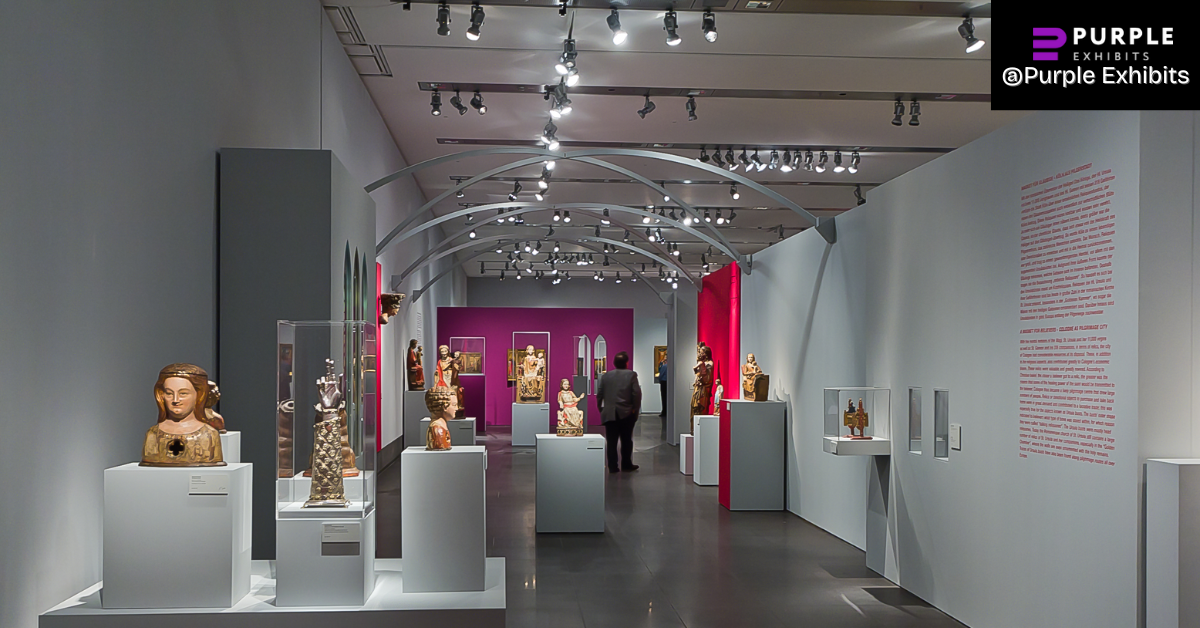
The lesson is simple: align show-specific offers to the audience and track outcomes.
Budget triage – where to spend and where to stop
With pressure on exhibition budgets rising, not every spend is equal. Data from recent trade show studies suggests that exhibitors are trimming the number of shows and focusing spend where measurable returns exist. Prioritize elements that influence conversion: effective signage, trained staff, a usable demo, and a follow-up engine.
Splurges that rarely pay off in New York
- Excessive giveaways that don’t tie to the offering
- Overcomplicated booth features that distract from the product
- Last-minute VIP entertainment without a lead capture plan
A small reallocation toward staff training and a fast digital lead flow often produces better ROI than a fancier graphic wall.
Ready to stop guessing and start measuring? Purple Exhibits offers a booth audit that maps creative choices to measurable goals and the full logistics plan to deliver on them.
Staffing is where strategy becomes reality
A great strategy is wasted if the people on the floor are unprepared. Role-specific training, clear talking points, and real-time debriefs each day are easy wins.
The highest performing booths rehearse handoffs between the greeter, demo lead, and closer. Scripts should be concise and measurable: count demos, appointments set, and objections handled.
Because many sales teams view trade show leads as cold, it is essential to reframe the event as a warm engagement channel. Train staff to treat interactions as qualification-first, not pitch-first. This small mindset shift produces better post-show conversions.
Measurement that feeds future shows
Finally, build a measurement framework that answers: what does success look like for this show? Useful metrics include meetings booked, demos completed, qualified opportunities created, and pipeline value attributed to the show. Tie those to spend so next year’s decision about exhibiting or not can be data-driven.
CEIR and other industry groups are helpful for benchmarking, but internal, repeatable metrics are the most actionable. When exhibitors track the same metrics across events, trends emerge and budgets become smarter.
A practical checklist
Here is a short field checklist for a New York show
- One clear goal with measurable KPIs.
- Visuals that shout the value proposition from 20 feet.
- A demo that proves value in under 90 seconds.
- Staff trained in qualification and objection handling.
- Logistics owner and a complete P&L for the event.
- A 72-hour follow-up plan with tiered sequences.