

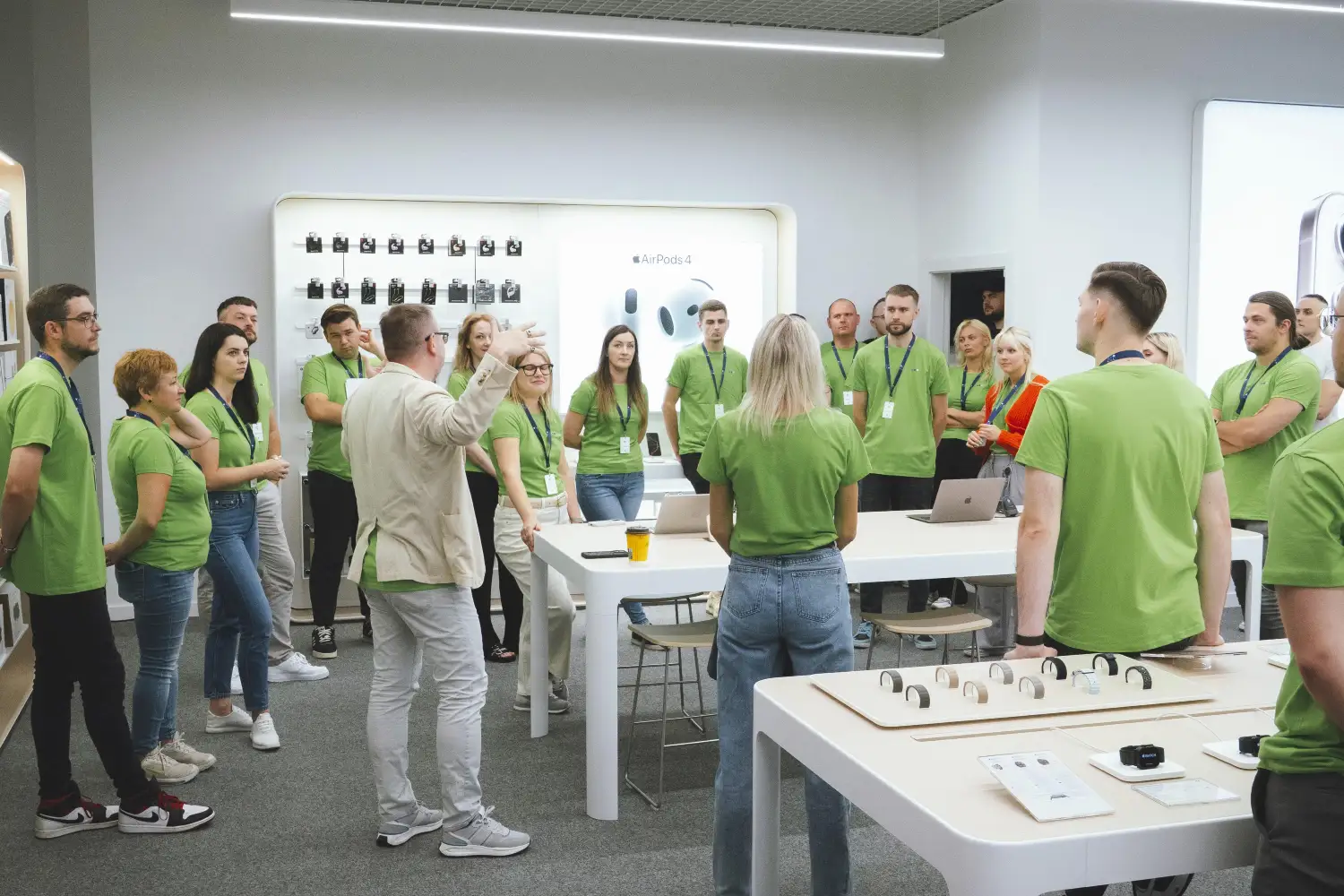
Why Your Booth Staff Matters More Than Your Booth
Here's a hard truth many exhibitors don't want to hear:
You can have the most beautiful booth at the show.
The biggest LED wall.
The best location.
The most impressive graphics.
And still have a disappointing event.
Why?
Because trade shows are ultimately about people.
Your booth attracts visitors.
Your staff converts them into opportunities.
At Purple Exhibits, we've seen modest booths outperform massive exhibits simply because they had a well-trained, engaged, and professional team.
We've also seen six-figure exhibits struggle because the staff was disengaged, distracted, or unprepared.
The reality is simple:
People don't buy booths. They buy from people.
That's why booth staffing is one of the most important factors in trade show success.
Why Booth Staff Matters So Much
Your booth serves one primary purpose:
To start conversations.
Every lead, meeting, partnership, sale, and opportunity begins with a conversation.
And those conversations are controlled by your team.
Your staff influences:
- Visitor engagement
- Lead quality
- Brand perception
- Product understanding
- Meeting opportunities
- Follow-up success
- Event ROI
The best booth design in the world cannot compensate for poor booth staffing.
Choosing the Right People for Your Booth
One of the most common mistakes exhibitors make is selecting booth staff based on availability instead of ability.
Not everyone belongs on a trade show floor.
The ideal booth team typically includes a mix of:
Sales Professionals
Responsible for qualifying prospects and generating opportunities.
Product Experts
Able to answer technical questions and provide demonstrations.
Leadership Team
Executives often help strengthen relationships and accelerate opportunities.
Marketing Team Members
Help support branding, content creation, and lead capture efforts.
Customer Success Team Members
Can strengthen relationships with existing customers and prospects.
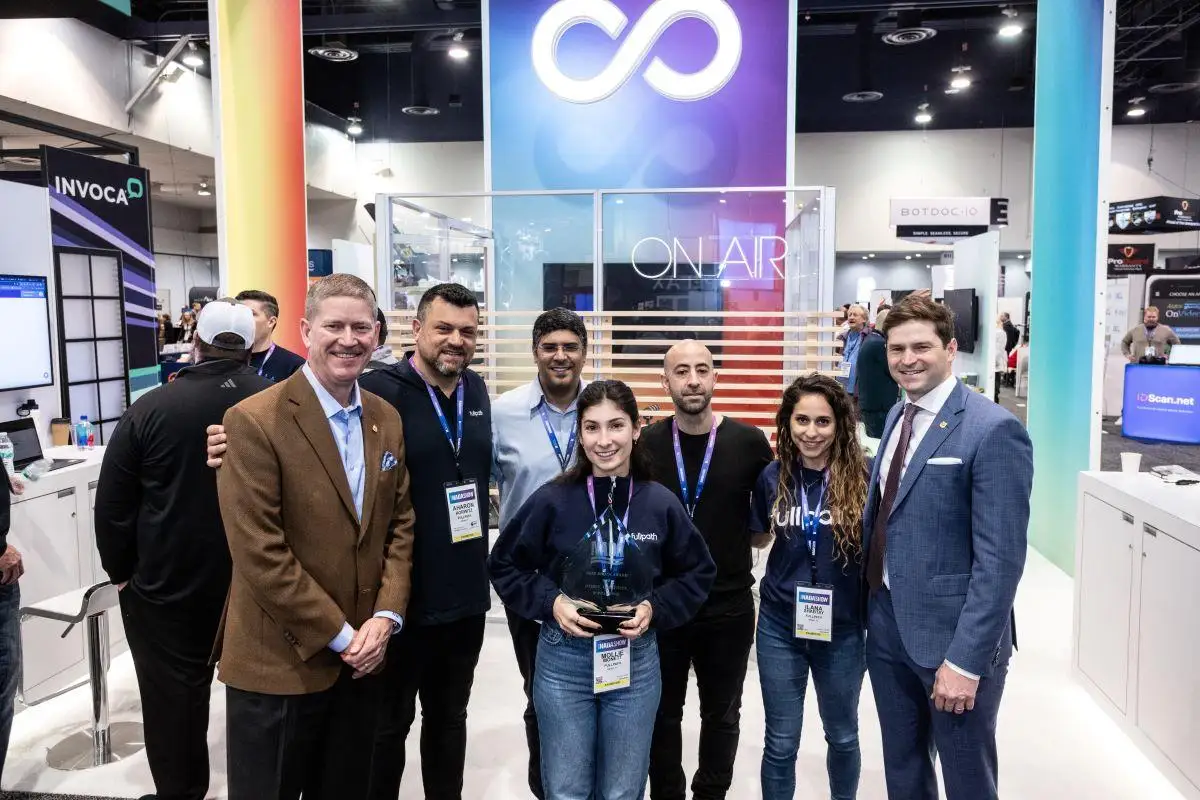
How Many Staff Members Do You Need?
A common rule of thumb:
10x10 Booth
2–3 staff members
10x20 Booth
3–5 staff members
20x20 Booth
5–8 staff members
30x30 Booth
8–12 staff members
40x40 Booth
10+ staff members
The goal is maintaining coverage without overcrowding the booth.
Too few staff creates missed opportunities.
Too many staff can make visitors feel uncomfortable.
What Every Booth Staff Member Should Know
Before the show begins, every team member should understand:
Company Overview
What does the company do?
Who does it serve?
What makes it different?
Products and Services
Staff should be comfortable discussing:
- Key offerings
- Benefits
- Applications
- Competitive advantages
Target Audience
Who are you trying to meet?
Understanding the ideal visitor helps improve lead quality.
Event Objectives
Everyone should understand:
- Goals
- KPIs
- Meeting targets
- Lead generation expectations
When the entire team understands the mission, performance improves.
The Importance of Booth Staff Training
Trade show success isn't something you improvise.
Preparation matters.
Every booth team should receive training before the event.
Topics should include:
- Elevator Pitches
- Product Demonstrations
- Lead Qualification
- Lead Capture Process
- Visitor Engagement
- Follow-Up Expectations
The more prepared your team is, the more confident they'll be.
And confidence creates better conversations.
The First 10 Seconds Matter
Trade show attendees make decisions quickly.
Your staff often has only a few seconds to create engagement.
The goal is not to immediately start selling.
The goal is to start a conversation.
Successful booth staff:
- Smile
- Make eye contact
- Stay approachable
- Ask questions
- Show genuine interest
People respond to authenticity.

Questions Every Booth Staff Member Should Ask
Instead of launching into a sales pitch, start with questions.
Good examples include:
- What brings you to the show?
- What challenges are you currently facing?
- What solutions are you evaluating?
- What caught your attention about our booth?
- What are you hoping to accomplish this year?
Questions create dialogue.
Dialogue creates opportunities.
How to Qualify Trade Show Leads
Not every visitor is a qualified prospect.
Some are students.
Some are competitors.
Some are vendors.
Some are simply curious.
Lead qualification helps your team focus on the most valuable opportunities.
The BANT Framework
One popular qualification method includes:
Budget
Do they have purchasing power?
Authority
Are they involved in decision-making?
Need
Do they have a problem your solution solves?
Timeline
How soon are they planning to act?
Understanding these factors helps prioritize follow-up efforts.
The Art of Listening
One of the most overlooked sales skills at trade shows is listening.
Many exhibitors spend too much time talking.
The best booth staff listen more than they speak.
When visitors feel heard:
- Trust increases
- Engagement improves
- Opportunities become clearer
Great conversations begin with curiosity.
Trade Show Booth Etiquette
Professional behavior matters.
Visitors notice everything.
Stand, Don't Sit
Standing creates a more welcoming environment.
Avoid Phones
Nothing kills engagement faster than a booth staff member staring at a screen.
Stay Off Laptops Unless Necessary
Technology should support engagement, not replace it.
Don't Eat in the Booth
Maintain a professional appearance.
Avoid Group Conversations
Staff should never create social circles that make visitors feel excluded.
Common Booth Staff Mistakes
Let's look at some of the biggest mistakes exhibitors make.
Acting Like a Gatekeeper
Visitors should feel welcomed, not interrogated.
Talking Too Much
Selling starts with listening.
Ignoring Visitors
Every attendee deserves acknowledgment.
Chasing Unqualified Traffic
Not every visitor deserves the same amount of time.
Failing to Capture Lead Information
Great conversations are useless if you can't follow up later.
Managing Booth Staff Schedules
Trade shows can be exhausting.
Energy management matters.
Consider:
- Rotating Breaks
- Lunch Schedules
- Coverage Plans
- Meeting Assignments
Tired teams often produce weaker results.
Daily Booth Team Meetings
The most successful exhibitors hold short team meetings each morning.
Review:
- Goals
- Scheduled Meetings
- Product Demonstrations
- Daily Priorities
- Previous Day Learnings
Even a 10-minute meeting can dramatically improve performance.
Motivating Your Team
Trade shows are intense.
Keep energy high by:
- Celebrating Wins
- Sharing Success Stories
- Recognizing Great Conversations
- Tracking Daily Goals
Momentum matters.

Lead Capture Best Practices
Every lead should be documented consistently.
Recommended information includes:
- Name
- Company
- Title
- Phone Number
- Interests
- Follow-Up Notes
- Lead Rating
The more information collected, the easier follow-up becomes.
What Happens After the Show Matters Most
Many exhibitors focus entirely on the event itself.
But the event is only the beginning.
The best booth teams understand:
The Show Creates Opportunities
Follow-Up Creates Results
Successful follow-up includes:
- Personalized emails
- Meeting scheduling
- LinkedIn connections
- Product information
- Next-step conversations
Speed matters.
The first company to follow up often gains a competitive advantage.
Should You Use Trade Show Models or Brand Ambassadors?
For certain industries, promotional staff can be valuable.
They can help:
- Greet visitors
- Distribute materials
- Manage traffic
- Support engagement
However, they should complement your sales team—not replace it.
Qualified conversations should always involve knowledgeable representatives.
The Purple Exhibits Philosophy on Booth Staffing
At Purple Exhibits, we believe booth design and booth staffing work together.
A great exhibit attracts visitors.
A great team converts visitors into opportunities.
One without the other limits your results.
The companies that consistently generate strong trade show ROI understand that investing in their people is just as important as investing in their booth.
Final Thoughts
When exhibitors think about trade show success, they often focus on:
- Graphics
- Lighting
- Flooring
- Technology
- Booth size
Those things matter.
But people close deals.
People build relationships.
People create trust.
And trust drives business.
The next time you're preparing for a trade show, remember:
Your booth may attract the crowd.
But your team determines what happens next.
Because the most important asset on the show floor isn't your exhibit. It's the people standing inside it.
What's Next?
Now that we've covered booth staffing and team training, let's look at another critical piece of the puzzle:
Trade Show Marketing Strategy.
In the next section, we'll explore how to attract more visitors before the show, generate more engagement during the event, and maximize results after the show ends.