

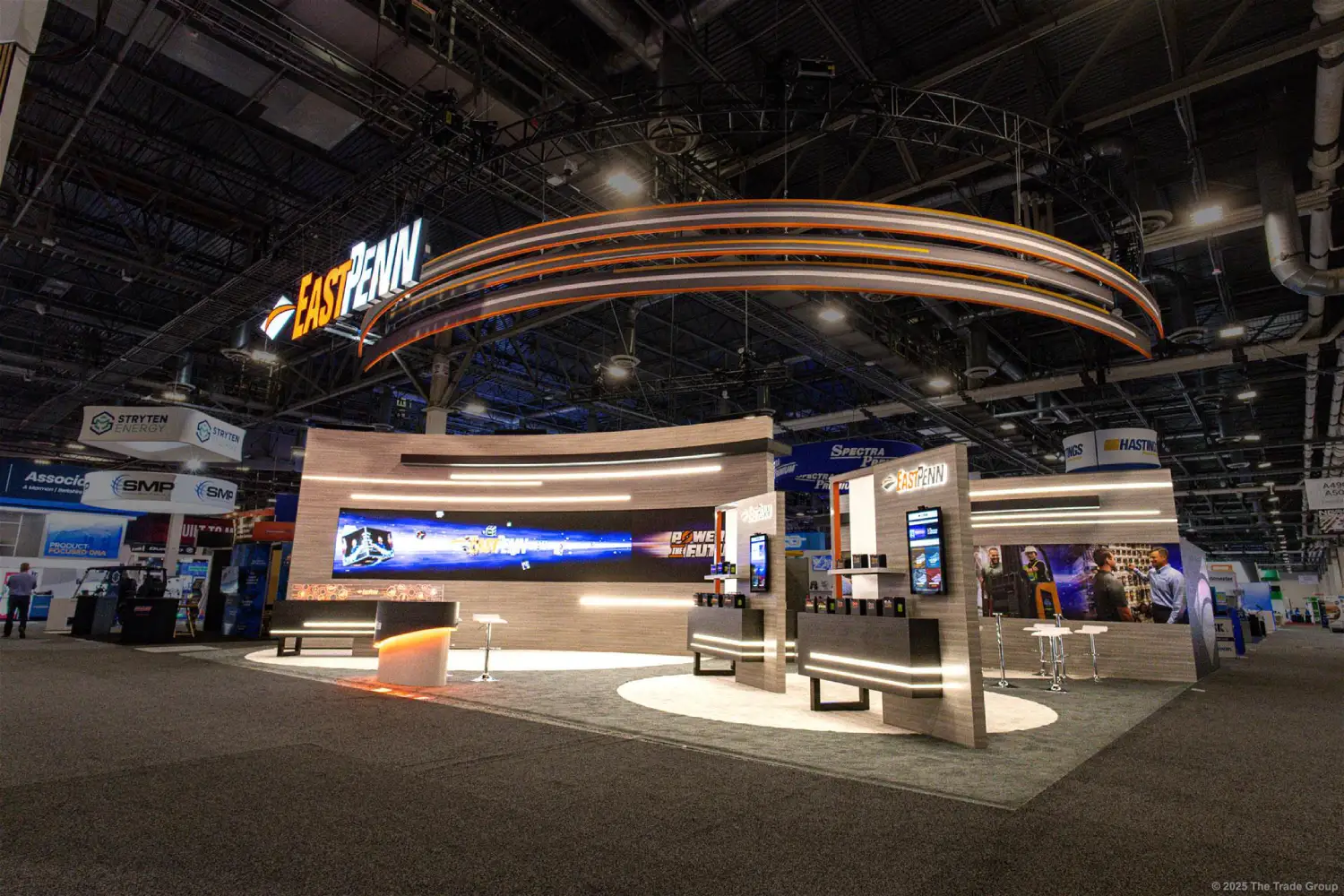
Picture this...
The show floor opens.
Thousands of attendees begin pouring through the aisles.
Some booths immediately attract crowds.
Others sit empty.
The difference isn't luck.
It's design.
A great trade show booth does far more than look impressive. It grabs attention, sparks conversations, creates memorable experiences, and helps turn visitors into customers.
Whether you're exhibiting at a local industry event or a massive international trade show, your booth is often the first impression people have of your company.
And first impressions happen fast.
At Purple Exhibits, we've seen it firsthand. Companies can invest tens of thousands—or even hundreds of thousands—of dollars into a trade show, only to discover that their booth isn't attracting the right audience.
The good news?
Most of these problems can be solved long before the show begins.
This guide will walk you through everything you need to know about trade show booth design—from understanding attendee behavior and creating stronger branding to designing layouts that encourage engagement and generate better results.
Whether you're planning a simple 10x10 booth or a custom island exhibit, this guide will help you create an exhibit that doesn't just look amazing—it performs.
Because at the end of the day, the goal isn't to have the prettiest booth on the show floor.
The goal is to leave with opportunities.
Let's dive in. 💜
What Is Trade Show Booth Design?
Trade show booth design is the process of creating a physical environment that represents your brand, showcases your products or services, and helps you connect with potential customers.
But great booth design is about much more than walls, graphics, and furniture.
It's about strategy.
Think about it this way:
Your booth is your storefront.
Your sales office.
Your marketing campaign.
Your meeting space.
And your first impression—all rolled into one.
Every element inside your exhibit should serve a purpose.
From the graphics visitors see from across the aisle to the way people move through the space, every detail contributes to the overall experience.
A successful booth design helps exhibitors:
- Attract more visitors
- Increase brand awareness
- Generate qualified leads
- Launch products
- Schedule meetings
- Support sales conversations
- Strengthen customer relationships
- Improve return on investment
The best booths don't just get attention.
They create action.
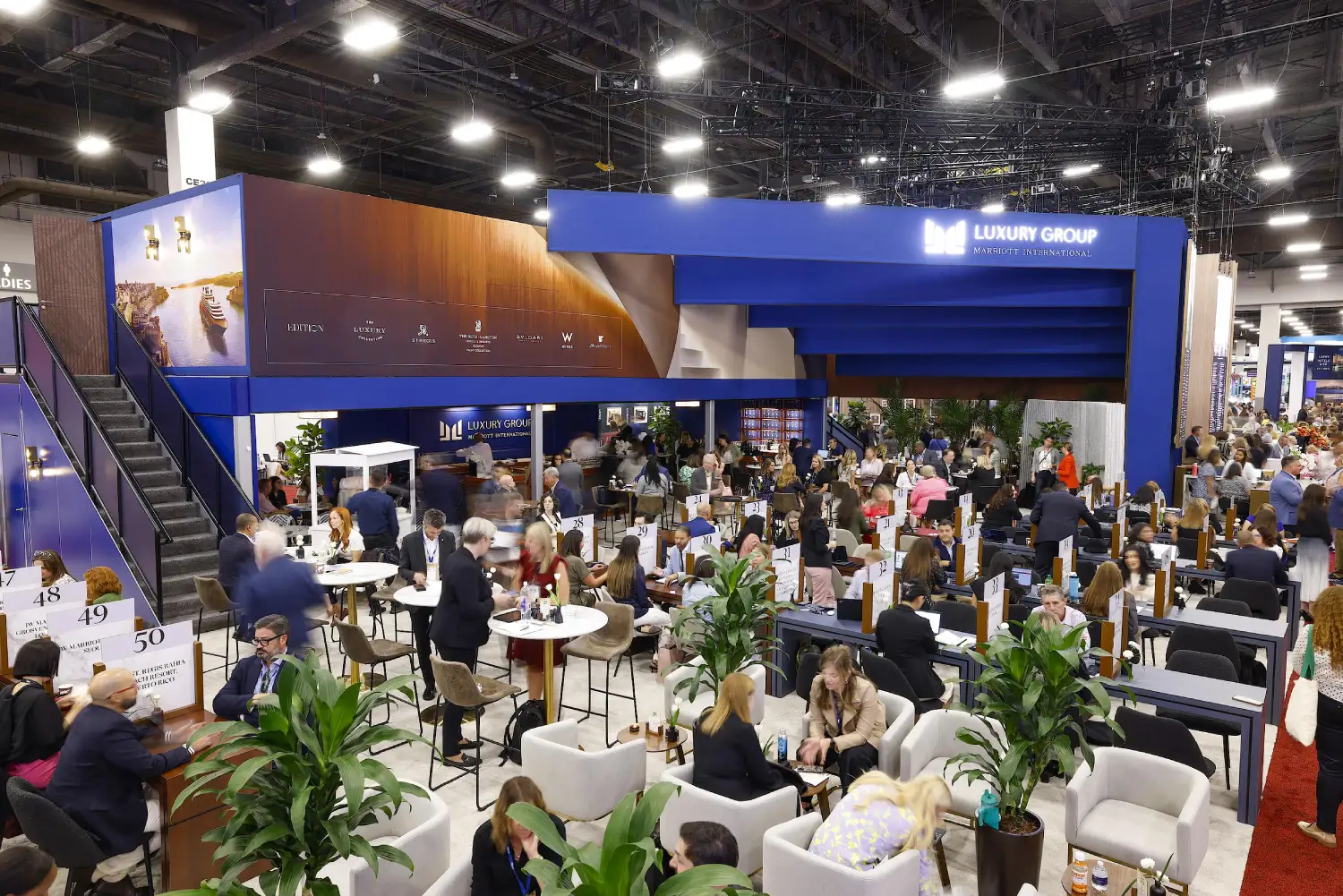
Why Trade Show Booth Design Matters
Let's be honest.
Most companies don't attend trade shows just to hear people say, “Nice booth.”
They attend to grow their business.
Trade shows require a serious investment.
- Booth space.
- Shipping.
- Labor.
- Travel.
- Hotels.
- Graphics.
- Furniture.
- Promotional items.
When everything is added together, even a small exhibit can represent a significant investment.
That's why booth design matters so much.
A poorly designed exhibit can make it difficult for attendees to understand who you are and what you offer.
A well-designed exhibit makes everything easier.
More Traffic
The more people who stop at your booth, the more opportunities you have to start meaningful conversations.
Better Brand Recognition
Strong visual branding helps attendees remember your company long after the show ends.
Higher Quality Leads
Strategic layouts encourage longer conversations and deeper engagement.
Stronger Sales Conversations
A booth should support your sales process, not create obstacles.
Improved Trade Show ROI
Every design decision should contribute toward achieving measurable business results.
The best exhibits don't happen by accident. They're designed with a purpose.
The Psychology Behind Successful Booth Design
One of the biggest mistakes exhibitors make is focusing only on what they want to say instead of how attendees actually behave.
People don't walk through trade shows looking for booths.
They're looking for solutions.
They're looking for ideas.
They're looking for opportunities.
Your booth needs to communicate value before anyone even steps inside.
Visitors Make Decisions Quickly
Attendees often decide within seconds whether they're interested in a booth.
They immediately ask themselves:
- What does this company do?
- Is this relevant to me?
- Should I stop?
- Is it worth my time?
If your booth doesn't answer those questions quickly, people keep walking.
People Follow Visual Signals
Humans naturally gravitate toward:
- Bright lighting
- Movement
- Large graphics
- Open spaces
- Interactive experiences
- Product demonstrations
That's why successful exhibits use these elements strategically.
People Avoid Confusion
Complicated messaging is one of the biggest traffic killers on a trade show floor.
If attendees need to work hard to understand what your company does, they'll usually move on.
Simple wins.
Clear wins.
Easy-to-understand wins.
People Remember Experiences
Think back to the last trade show you attended.
You probably don't remember every booth.
But you remember the ones that made an impression.
The ones with a great demo.
The ones with a unique experience.
The ones that made you stop.
That's exactly what your booth should do.
The Anatomy of a High-Performing Trade Show Booth
Every successful exhibit is built around several key elements working together.
It's not just one thing.
It's the combination of many things done well.
Let's break down the building blocks of a high-performing trade show booth.
Branding and Messaging
If attendees can't tell who you are from across the aisle, your booth has a problem.
Strong branding is one of the most important elements of trade show success.
Visitors should immediately understand:
Who You Are
Your company name and logo should be visible and easy to recognize.
What You Do
Don't assume attendees know your business.
Tell them.
Quickly.
Why They Should Care
This is where many exhibitors miss the mark.
Instead of talking about features, focus on benefits.
How do you help customers?
What problem do you solve?
Why should someone stop and learn more?
The best booth messaging is:
- Clear
- Simple
- Benefit-focused
- Easy to scan
Remember:
Attendees are walking.
They're not reading a novel.
A few strong headlines will almost always outperform large blocks of text.
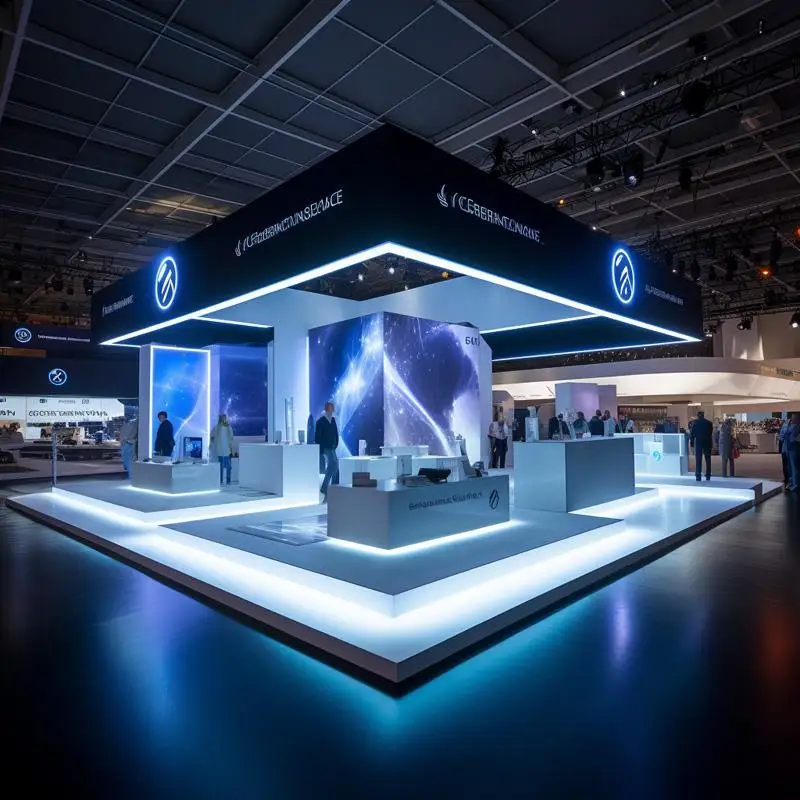
Graphics That Get Attention
Your graphics often determine whether someone stops or keeps walking.
Great graphics should communicate your message before a salesperson says a single word.
Effective trade show graphics typically include:
Large Visuals
People notice images faster than text.
Use professional, high-quality visuals that reinforce your brand and products.
Strong Headlines
Keep messaging short and impactful.
Consistent Branding
Everything should feel connected and intentional.
High Contrast
Make important information easy to see from a distance.
Clear Product Positioning
Visitors should quickly understand what you're offering.
One common mistake?
Trying to say too much.
A booth graphic isn't a brochure.
Keep it clean.
Keep it focused.
Keep it memorable.
Lighting That Stops Traffic
Lighting is one of the most powerful—and most overlooked—tools in trade show booth design.
The right lighting can completely transform an exhibit.
It can create energy.
Highlight products.
Increase visibility.
And help your booth stand out in a crowded exhibit hall.
Popular lighting solutions include:
Backlit SEG Graphics
One of the most effective ways to create a premium, high-end appearance.
LED Accent Lighting
Adds depth and visual interest.
Product Spotlights
Direct attention where it matters most.
Illuminated Counters
Creates natural focal points throughout the exhibit.
LED Video Walls
Combines motion, content, and lighting into a powerful attention-grabbing feature.
A bright booth naturally attracts more attention than a dark one.
It's that simple.
Booth Layout and Visitor Flow
Even the most beautiful exhibit can struggle if the layout doesn't work.
The goal is simple:
Make it easy for people to enter.
Make it easy for people to engage.
Make it easy for people to stay.
Create Open Entry Points
Avoid blocking entrances with large counters or furniture.
Invite people in.
Design Natural Traffic Flow
Visitors should move comfortably throughout the exhibit.
Create Purposeful Zones
Larger booths often include:
- Product display areas
- Demonstration spaces
- Meeting areas
- Lounge spaces
- Lead capture stations
Each area should support a specific objective.
Eliminate Bottlenecks
Crowded layouts reduce engagement.
Open layouts encourage exploration.
Design Around Conversations
At the heart of every successful exhibit is conversation.
Your layout should support interaction, not hinder it.
Creating Memorable Experiences
Today's attendees expect more than a collection of banners and brochures.
They want experiences.
The most successful exhibits create moments that visitors remember long after the show ends.
Some of the most effective engagement strategies include:
Product Demonstrations
Show your solution in action.
Interactive Technology
Touchscreens, interactive displays, and digital experiences increase engagement.
Live Presentations
Educational content can attract and retain visitors.
Video Content
Movement naturally draws attention.
Social Media Opportunities
Give visitors a reason to share your brand online.
Hands-On Experiences
People remember what they experience far more than what they read.
The goal isn't simply attracting traffic. The goal is creating meaningful interactions. Because meaningful interactions create opportunities. And opportunities create business.
What's Next?
Now that we've covered the fundamentals of trade show booth design, it's time to dive deeper into the different types of exhibits available and how to choose the right booth for your goals.
In the next section, we'll cover:
- Inline Booths
- Corner Booths
- Peninsula Booths
- Island Booths
- Double-Deck Exhibits
- 10x10 Booth Design
- 10x20 Booth Design
- 20x20 Booth Design
- 20x30 Booth Design
- 30x30 Booth Design
- 40x40 Booth Design
- Custom Booths vs Rental Booths
Choosing the right booth structure is one of the most important decisions you'll make during the planning process.
At Purple Exhibits, we've helped companies across North America create exhibits that attract attention, generate leads, and deliver measurable results.
Because great booths don't happen by accident.
They're planned.
They're designed.
They're built with purpose.
And when everything comes together?
You can skip the chaos and focus on what matters most—connecting with customers and growing your business. 💜