

How to Attract More Visitors Before, During, and After the Show
One of the biggest trade show myths is that success begins when the exhibit hall opens.
It doesn't.
The most successful exhibitors start generating excitement weeks—or even months—before the event.
Think about it this way:
Would you rather hope attendees find your booth?
Or have them actively looking for you before they even arrive?
The companies that consistently generate the best trade show results understand that exhibiting is only part of the equation.
Marketing matters.
A lot.
The best booths combine great design with a smart marketing strategy that starts long before setup day and continues long after move-out.
Let's explore how to maximize your trade show marketing efforts before, during, and after the event.
Why Trade Show Marketing Matters
Every trade show has hundreds—or sometimes thousands—of exhibitors competing for attention.
Simply showing up isn't enough.
A strategic marketing plan helps you:
- Increase booth traffic
- Schedule more meetings
- Generate better leads
- Launch products effectively
- Strengthen customer relationships
- Improve trade show ROI
The goal is simple:
Create multiple opportunities for attendees to discover, remember, and engage with your brand.
Pre-Show Marketing
Building Momentum Before the Event
The best time to start promoting your trade show presence is before the show begins.
By the time attendees walk through the doors, they should already know you're exhibiting.
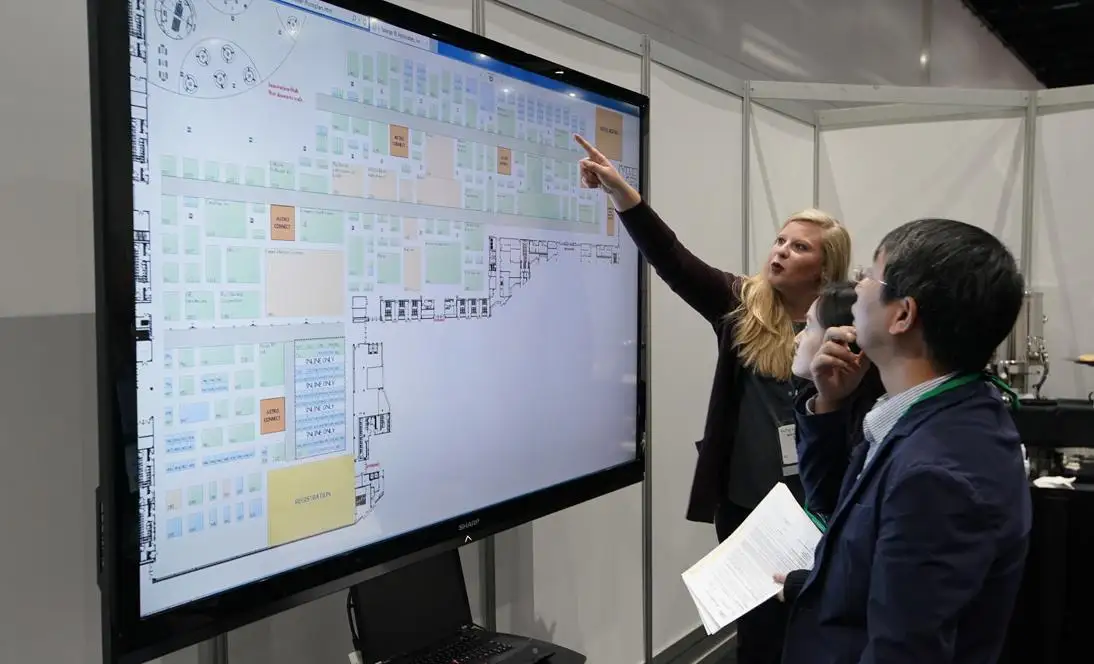
Create a Trade Show Landing Page
One of the most effective pre-show marketing tools is a dedicated landing page.
Your landing page should include:
Show Information
Event name, dates, and location.
Booth Number
Make it easy for attendees to find you.
Featured Products
Highlight what visitors can expect to see.
Meeting Scheduler
Allow attendees to book appointments before the event.
Call to Action
Give visitors a reason to stop by.
Examples:
- Schedule a demo
- Meet the team
- See a product launch
- Receive a giveaway
A dedicated landing page also provides SEO value and supports email campaigns.
Email Marketing Campaigns
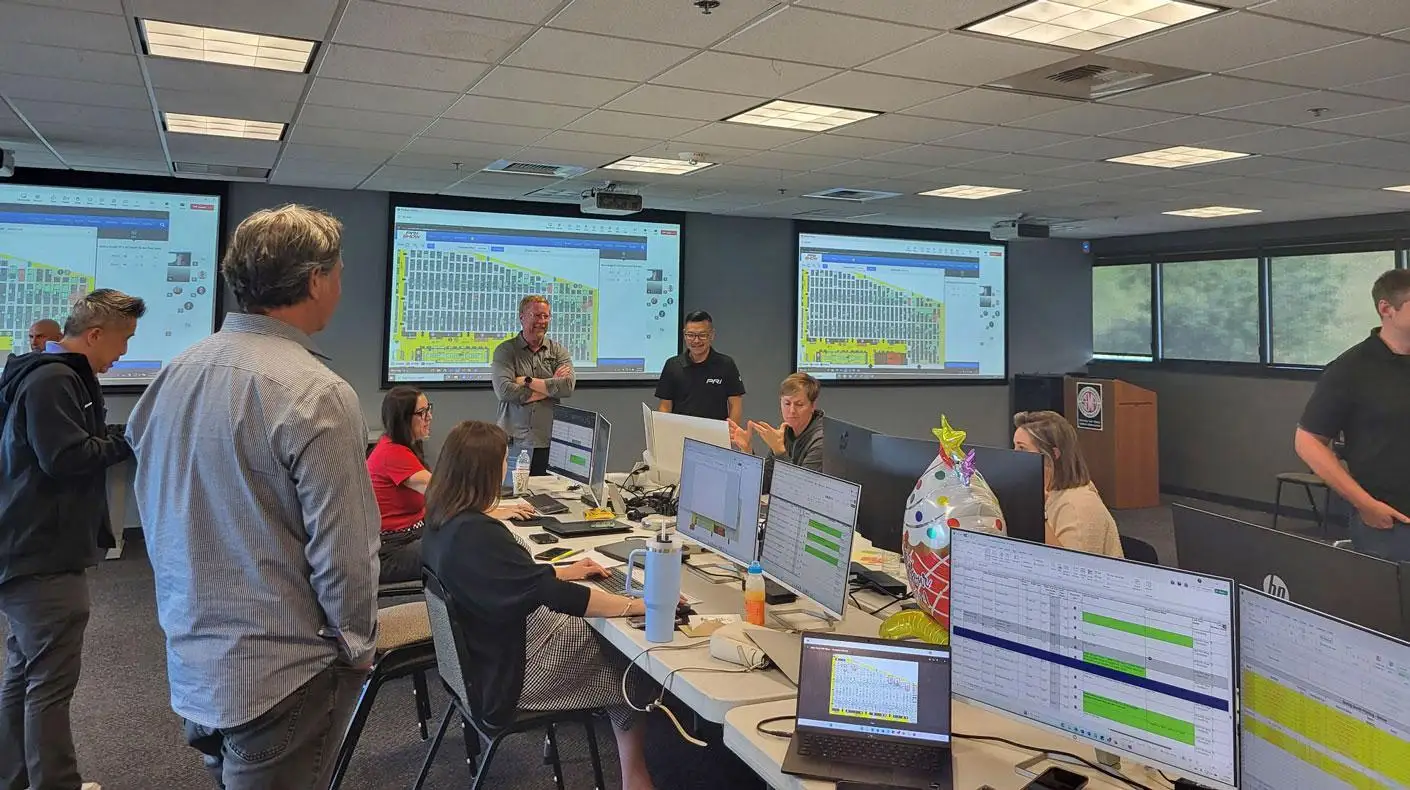
Email remains one of the most effective trade show marketing tools available.
Create a sequence that begins several weeks before the event.
Email #1: We're Exhibiting
Announce your participation.
Include:
- Event details
- Booth number
- Key attractions
Email #2: Product Spotlight
Highlight products, services, or demonstrations.
Email #3: Schedule a Meeting
Encourage prospects and customers to reserve time in advance.
Email #4: See You at the Show
Final reminder before the event.
The goal is to create familiarity before attendees arrive.
Leverage LinkedIn
For B2B trade shows, LinkedIn can be incredibly powerful.
Before the show:
Announce Your Participation
Share updates regularly.
Connect With Attendees
Reach out to prospects and customers who will be attending.
Promote Product Launches
Build anticipation before the event.
Share Booth Renderings
Give followers a preview of what they'll see.
Consistent activity helps keep your company top-of-mind.
Use Social Media Strategically
Social media should support—not replace—your trade show strategy.
Focus on:
- Product teasers
- Team introductions
- Setup progress
- Event countdowns
- Demonstration announcements
Remember:
People enjoy seeing the behind-the-scenes process.
Invite Existing Customers
Trade shows aren't only about finding new customers.
They're also an opportunity to strengthen existing relationships.
Reach out to:
- Current customers
- Former customers
- Strategic partners
- Industry contacts
Invite them to stop by.
Many of the most valuable conversations happen with people you already know.
Schedule Meetings Before the Show
One of the biggest mistakes exhibitors make is waiting for traffic to appear.
Instead, create traffic.
Schedule meetings before the show opens.
A calendar filled with appointments often produces far stronger results than relying solely on walk-up traffic.
During-Show Marketing
Maximizing Visibility While the Event Is Live
Once the show begins, your marketing efforts should continue.
Post Live Content
Share:
- Booth photos
- Product demonstrations
- Team updates
- Event highlights
- Customer visits
Real-time content creates excitement and increases visibility.
Use Event Hashtags
Many trade shows have official hashtags.
Using them helps attendees discover your content.
Examples include:
- #CES
- #KBIS
- #IMTS
- #RSNA
Always research the official event hashtags beforehand.
Create Video Content
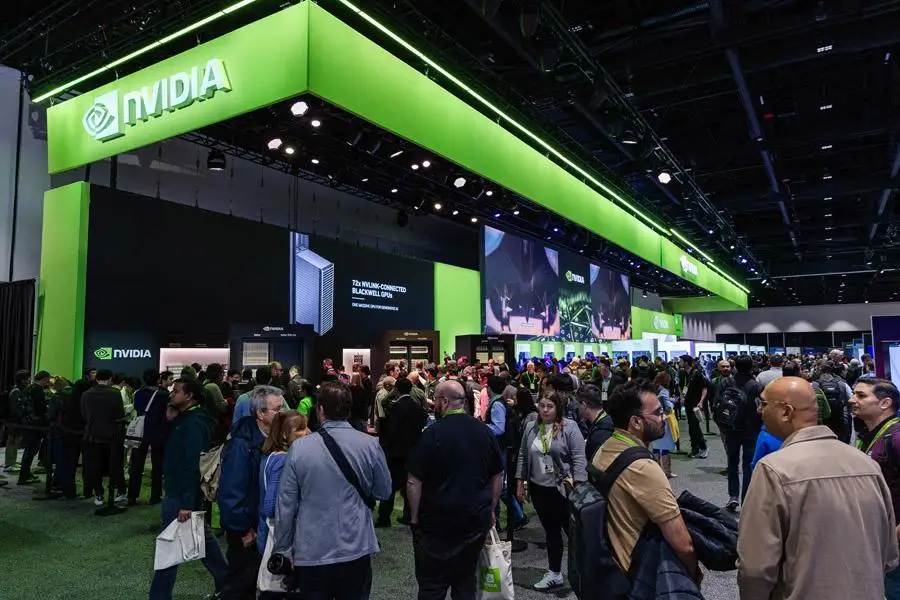
Video consistently generates higher engagement than static content.
Ideas include:
- Booth Tours
- Product Demonstrations
- Customer Interviews
- Team Updates
- Event Highlights
Even short videos can dramatically increase reach.
Encourage Social Sharing
Make your booth shareable.
Consider:
- Photo Opportunities
- Interactive Displays
- Product Demonstrations
- Unique Architectural Features
The easier it is to share, the more people will.
Capture Content Throughout the Event
Many exhibitors regret not taking enough photos and videos.
Document:
- Booth activity
- Demonstrations
- Meetings
- Team moments
- Product launches
These assets remain valuable long after the show ends.
Promote Demonstration Schedules
If you're conducting demonstrations, make sure attendees know when they're happening.
Promote:
- Demonstration times
- Product launches
- Special presentations
The more visibility you create, the more attendance you'll generate.
Post-Show Marketing
Where Most Exhibitors Drop the Ball
The trade show may be over.
But the marketing is not.
In fact, some of the most important work begins after the event ends.
Follow Up Quickly
Speed matters.
The longer you wait, the colder opportunities become.
Aim to follow up within:
24–72 Hours
Personalized communication always performs better than generic messaging.
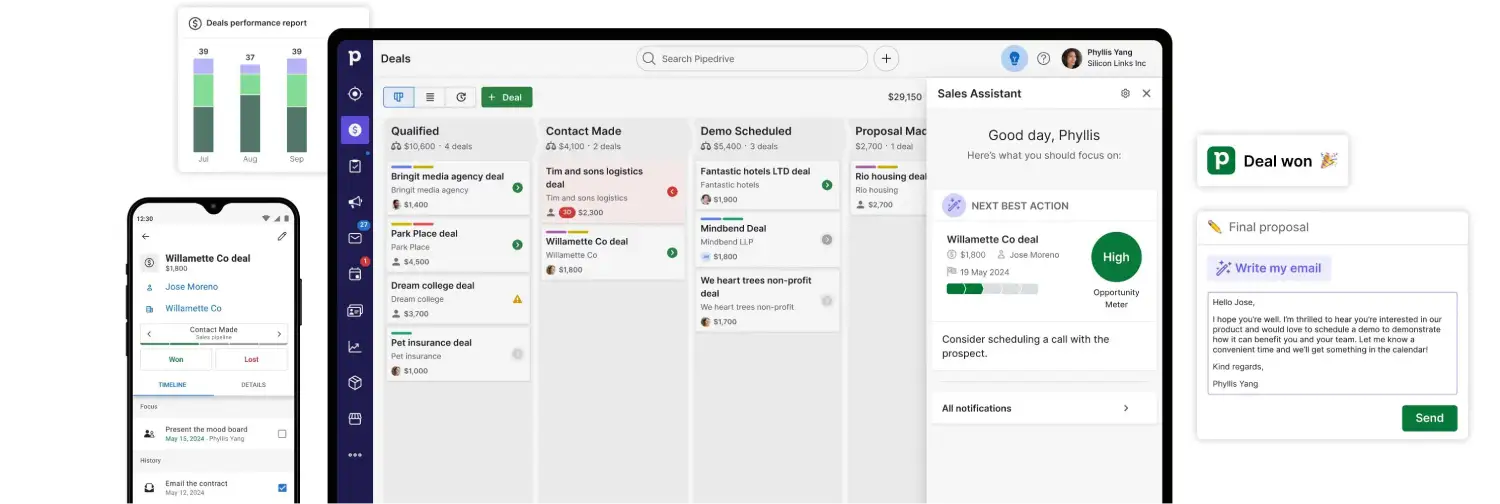
Segment Your Leads
Not every lead deserves the same follow-up.
Create categories:
Hot Leads
Immediate opportunities.
Warm Leads
Potential opportunities requiring nurturing.
Long-Term Prospects
Future opportunities.
Proper segmentation improves efficiency and conversion rates.
Connect on LinkedIn
Trade shows provide an excellent reason to expand your professional network.
Send personalized connection requests while the interaction is still fresh.
Share Event Recaps
Create content that extends the value of the event.
Examples include:
- Event Highlights
- Product Launches
- Team Photos
- Customer Success Stories
- Behind-the-Scenes Content
This helps keep the momentum going.
Nurture Leads Over Time
Not every prospect is ready to buy immediately.
Create ongoing touchpoints through:
- Email campaigns
- LinkedIn engagement
- Educational content
- Product updates
The relationship doesn't end when the event does.
Measuring Marketing Success
Evaluate metrics such as:
- Landing Page Traffic
- Email Open Rates
- Meeting Requests
- Social Media Engagement
- Lead Volume
- Qualified Leads
- Pipeline Value
- Revenue Generated
Tracking these metrics helps improve future campaigns.
Common Trade Show Marketing Mistakes
Avoid these common errors:
Waiting Until the Last Minute
Marketing should begin weeks before the show.
Relying Only on Booth Traffic
Create opportunities before attendees arrive.
Ignoring Existing Customers
Current relationships often generate significant value.
Failing to Capture Content
You only get one chance to document the event.
Delayed Follow-Up
Fast follow-up consistently outperforms slow follow-up.
The Purple Exhibits Approach to Trade Show Marketing
At Purple Exhibits, we believe successful exhibits start long before move-in day.
A beautiful booth is important.
But a beautiful booth without marketing support limits its potential.
The strongest exhibitors combine:
- Smart design
- Strong branding
- Effective marketing
- Great staffing
- Consistent follow-up
When these elements work together, trade show performance improves dramatically.
Final Thoughts
Trade show marketing isn't a single activity.
It's a process.
It starts before the event.
Continues throughout the show.
And extends well beyond move-out day.
The companies that generate the best results understand that every email, social media post, meeting invitation, demonstration, and follow-up contributes to the overall success of the event.
Because the goal isn't simply getting people to visit your booth. The goal is creating opportunities that grow your business.
And that's where great trade show marketing makes all the difference. 💜
What's Next?
Now that we've covered trade show marketing strategy, it's time to answer another critical question:
How do you choose the right trade show in the first place?
In the next section, we'll explore how to evaluate trade shows, compare opportunities, avoid costly mistakes, and determine which events deserve your investment.