

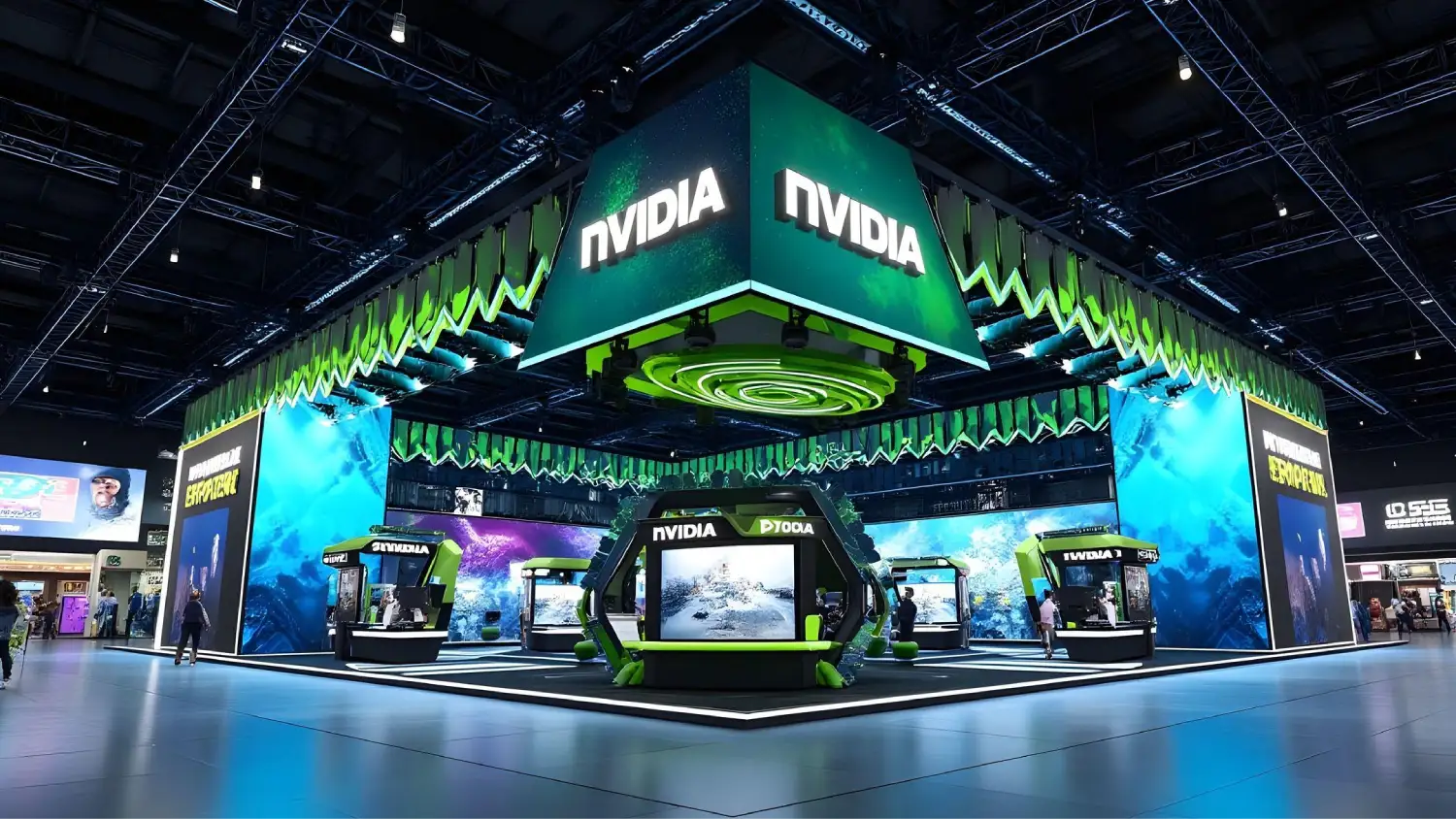
How Technology Can Transform Your Trade Show Booth and Increase Engagement
Trade show technology has changed dramatically over the past decade.
Gone are the days when a few banners and a table were enough to attract attention.
Today's attendees expect experiences.
They expect interaction.
They expect information to be available instantly.
And they expect exhibitors to use technology in ways that make learning easier and more engaging.
But here's something important to remember:
Technology alone doesn't create successful trade show booths.
Technology should support your goals.
Not distract from them.
When used strategically, technology can help you:
- Attract more visitors
- Increase engagement
- Improve lead capture
- Demonstrate products
- Strengthen branding
- Generate better ROI
Let's explore the most effective trade show technologies available today.
Why Technology Matters at Trade Shows
Trade show attendees are constantly competing for information.
They have limited time.
Limited attention.
And hundreds of booths to visit.
Technology helps exhibitors communicate faster and more effectively.
A well-executed technology strategy can:
- Increase visibility
- Create interactive experiences
- Improve product understanding
- Capture better leads
- Support sales conversations
- Generate social media content
The key is choosing technology that supports your objectives.
LED Video Walls
The King of Modern Trade Show Technology
Few exhibit features attract attention like a large LED wall.
LED displays have become increasingly popular because they combine:
- Motion
- Color
- Storytelling
- Branding
- Product education
All in one highly visible format.
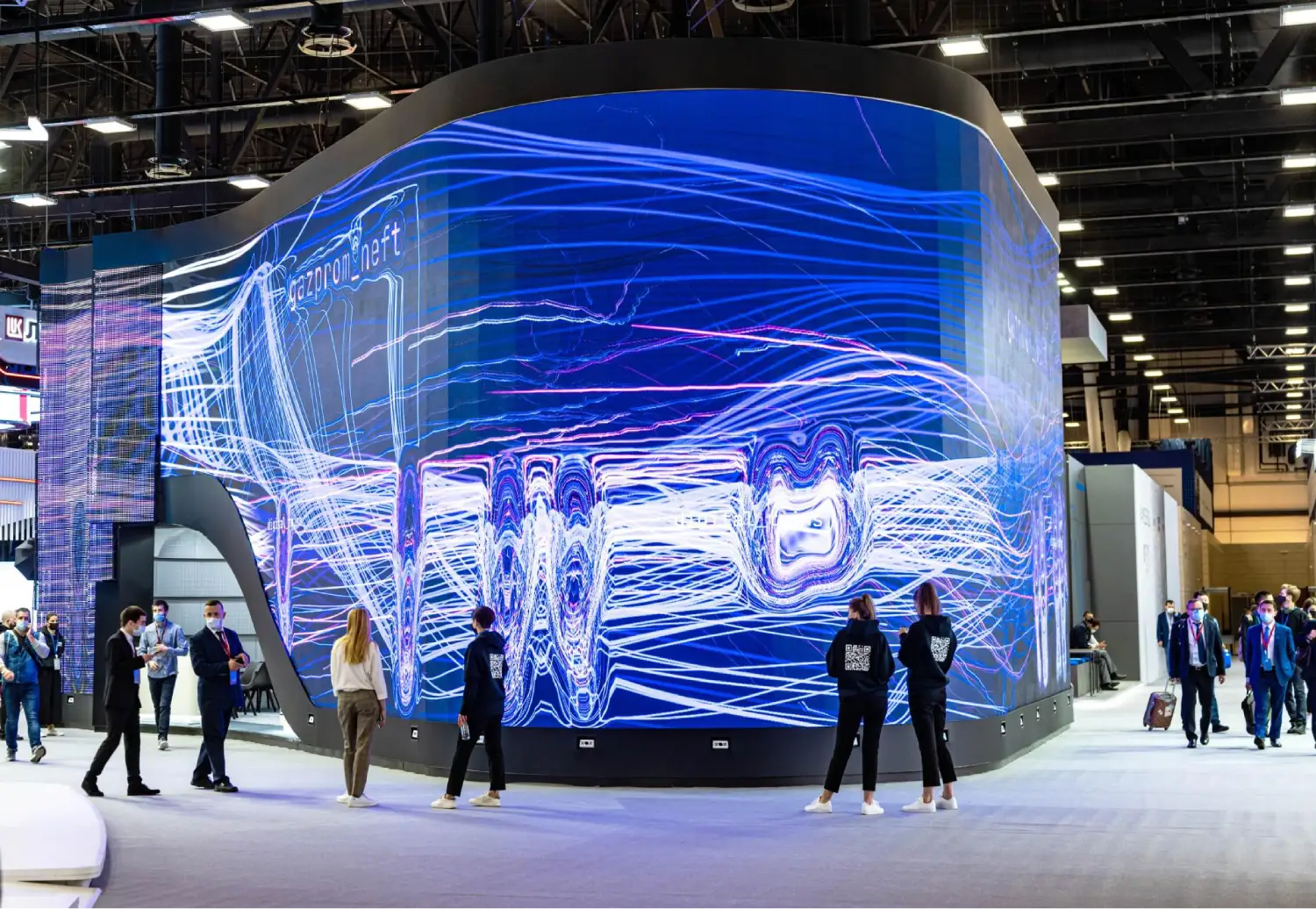
Benefits of LED Walls
Increased Visibility — Moving content naturally attracts attention.
Stronger Storytelling — Showcase products, customer success stories, and brand messaging.
Better Product Demonstrations — Ideal for explaining complex solutions.
Modern Brand Image — Creates a premium appearance.
When LED Walls Make Sense
LED walls are especially effective for:
- Product launches
- Technology companies
- Manufacturing companies
- Healthcare brands
- Enterprise organizations
- Large island exhibits
The larger the event, the greater the impact.
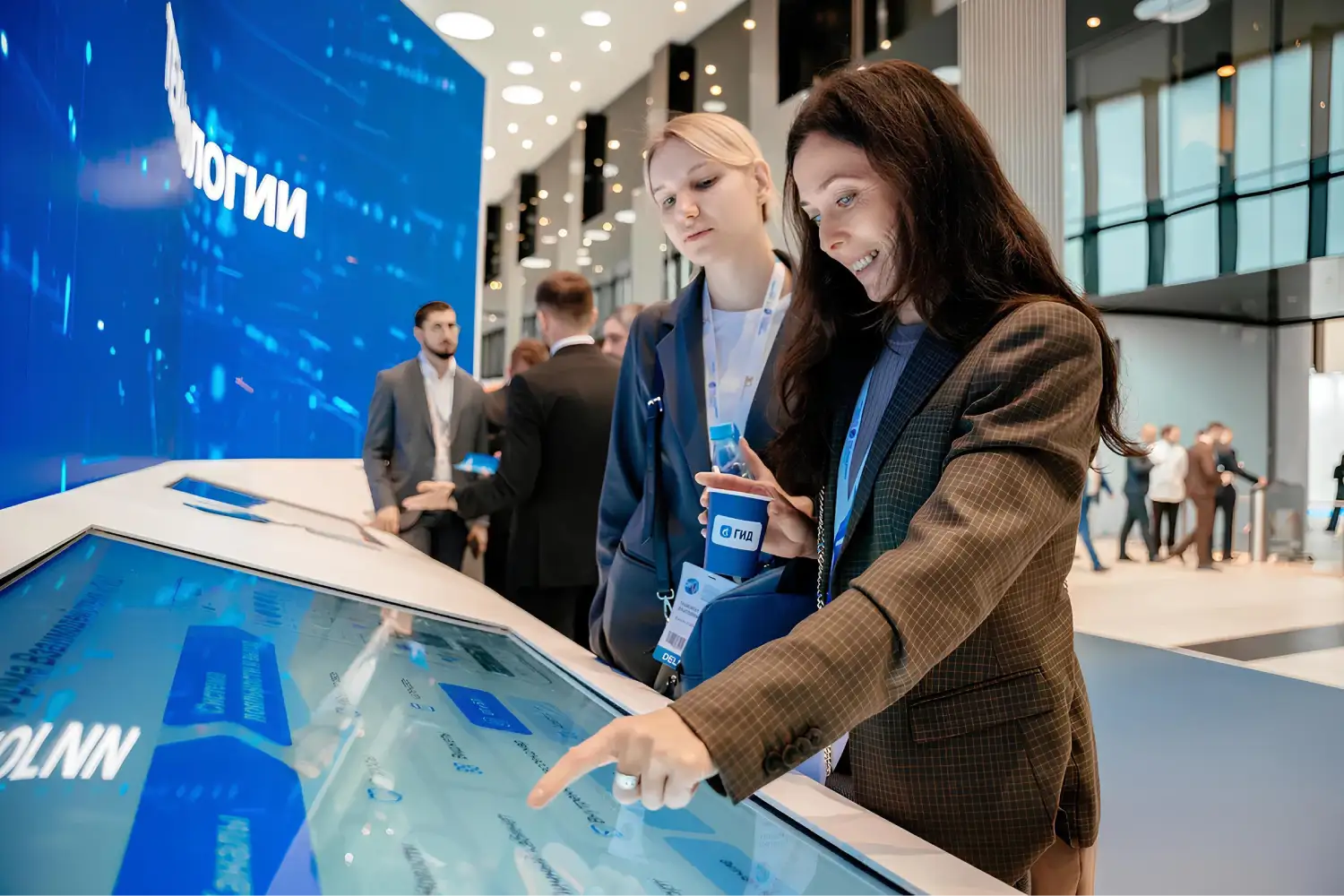
Touchscreen Displays
Putting Information in Visitors' Hands
Touchscreens allow attendees to explore information at their own pace.
Instead of waiting for a sales representative, visitors can interact directly with content.
Common Touchscreen Applications
- Product catalogs
- Interactive presentations
- Product comparisons
- Company information
- Case studies
- Videos
- Lead capture forms
Touchscreens work particularly well when products or services require explanation.
Product Configurators
Some products are easier to understand when customized visually.
Product configurators allow attendees to:
- Select options
- Compare features
- Visualize solutions
- Explore pricing structures
This creates a more engaging experience while helping prospects understand value.
Interactive Product Demonstrations
One of the most effective uses of technology is helping visitors experience products firsthand.
Examples include:
- Software demonstrations
- Equipment simulations
- Interactive training modules
- Product walkthroughs
- Guided experiences
The more involved visitors become, the more memorable the interaction.
Digital Signage
Digital signage provides flexibility that static graphics cannot.
Benefits include:
- Easy content updates
- Multiple messages
- Product promotion
- Event announcements
- Demonstration schedules
Digital displays are especially useful when messaging changes frequently.
QR Codes
Small Tool, Big Impact
QR codes became mainstream for a reason.
They're simple.
They're familiar.
And they're effective.
Common QR Code Uses
- Product information
- Digital brochures
- Meeting scheduling
- Video content
- Lead capture
- Website traffic
QR codes reduce friction and improve accessibility.
Lead Capture Technology
Modern exhibitors are moving away from paper forms and business card bowls.
Today's lead capture solutions include:
- Badge scanners
- Mobile apps
- CRM integrations
- Digital forms
- Tablet registration systems
The goal is faster, cleaner, and more accurate lead management.
Artificial Intelligence in Trade Show Exhibiting
AI is rapidly becoming one of the most discussed technologies in the exhibit industry.
While still evolving, AI is already being used for:
- Lead qualification
- Chat assistants
- Product recommendations
- Visitor engagement
- Meeting scheduling
- Data analysis
The future of trade show technology will likely include even more AI-powered experiences.
Virtual Reality (VR)
Virtual reality creates immersive experiences that can be difficult to replicate through traditional displays.
Popular applications include:
- Facility tours
- Product simulations
- Equipment demonstrations
- Training experiences
- Real estate walkthroughs
VR is especially useful when products are too large, expensive, or complex to bring to the show.
Augmented Reality (AR)
Unlike VR, augmented reality overlays digital information onto the real world.
Applications include:
- Product visualization
- Interactive displays
- Digital product information
- Enhanced demonstrations
AR continues to gain popularity as mobile technology improves.
Gamification
Making Booths More Interactive
People enjoy participating.
Gamification encourages visitors to engage through:
- Contests
- Challenges
- Leaderboards
- Trivia games
- Prize opportunities
Done correctly, gamification can increase dwell time and lead generation.
Social Media Technology
Trade shows and social media now work hand in hand.
Technology can support:
- Live streaming
- Social sharing stations
- Photo opportunities
- Hashtag displays
- User-generated content
The goal is extending the event beyond the exhibit hall.
Presentation Technology
Many exhibitors use technology to support educational content.
Examples include:
- Presentation screens
- Wireless microphones
- Audio systems
- Interactive workshops
- Training sessions
Educational content often attracts highly qualified visitors.
Technology Mistakes to Avoid
Technology can be powerful.
But it can also create problems when used incorrectly.
Using Technology Without a Purpose
Technology should support strategy.
Not replace it.
Overcomplicating Experiences
Simple experiences often outperform complicated ones.
Ignoring Human Interaction
Technology should enhance conversations—not eliminate them.
Poor Content
Even the best technology cannot compensate for weak content.
Lack of Testing
Always test equipment before the show opens.
How to Choose the Right Technology
Start by asking:
- What are our goals?
- What information do visitors need?
- What creates the best experience?
- What supports lead generation?
- What fits our budget?
The answers will guide your decisions.
Technology by Booth Size
Different booth sizes often benefit from different technologies.
10x10 Booth
Best options:
- Touchscreen
- Tablet lead capture
- QR codes
- Small monitor
10x20 Booth
Best options:
- Digital presentations
- Product demonstrations
- Touchscreen displays
20x20 Booth
Best options:
- LED wall
- Interactive displays
- Demonstration stations
30x30 and Larger
Best options:
- Large LED environments
- Multiple touchpoints
- VR experiences
- AR applications
- Presentation theaters
The larger the booth, the more opportunities exist for technology integration.
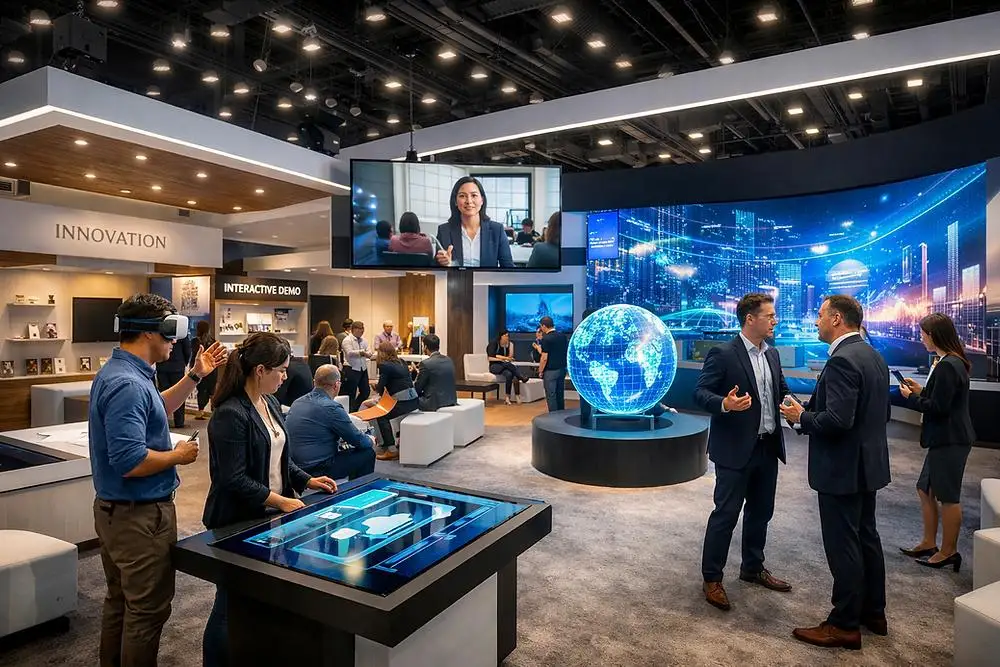
The Future of Trade Show Technology
Several trends are shaping the future of exhibiting:
- Larger LED displays
- AI-powered experiences
- Smart lead capture
- Interactive storytelling
- Hybrid event integration
- Personalized visitor experiences
Technology will continue evolving, but one thing remains constant:
The goal is creating better visitor experiences.
The Purple Exhibits Approach to Technology
At Purple Exhibits, we believe technology should serve a purpose.
We don't add technology simply because it's impressive.
We recommend technology that helps:
- Increase engagement
- Support branding
- Improve lead generation
- Demonstrate products
- Strengthen ROI
The best technology is the technology that helps you achieve your goals.
Final Thoughts
Technology can be one of the most powerful tools in modern trade show exhibiting.
But success doesn't come from having the newest technology.
It comes from using the right technology in the right way.
When combined with strong design, effective staffing, clear messaging, and smart marketing, technology can dramatically improve your trade show performance.
Because great technology doesn't replace human interaction. It enhances it. And that's where the real magic happens. 💜
What's Next?
Now that we've explored the latest trade show technologies, let's look at another growing topic in the exhibit industry: Sustainability in Trade Show Exhibiting.
In the next section, we'll discuss how exhibitors can reduce waste, reuse materials, improve efficiency, and create more environmentally responsible trade show programs without sacrificing results.