

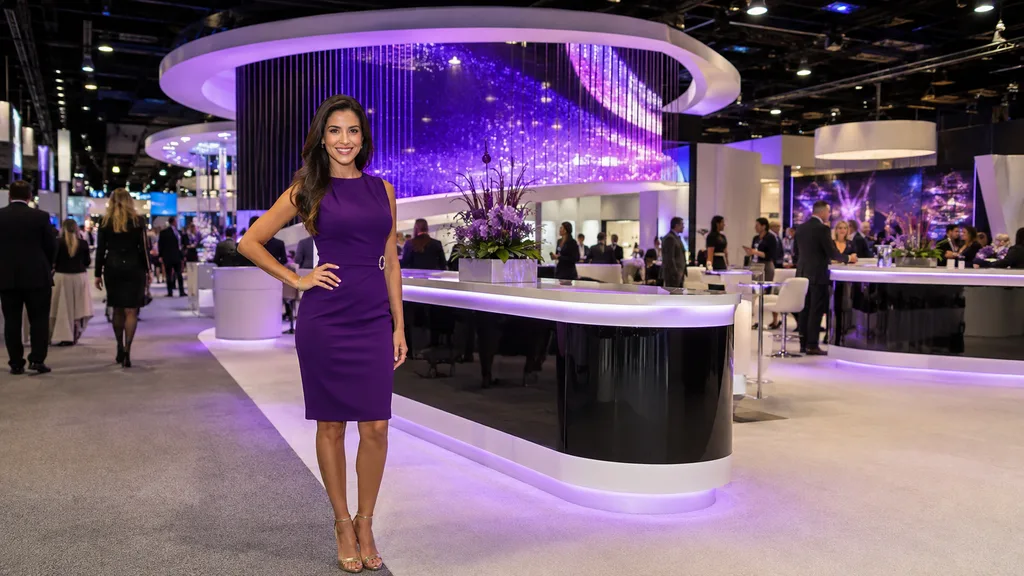
An exhibit can earn the first glance. The booth team determines whether that glance becomes a qualified next step.
Pretty is good. Productive is better. A beautiful booth can stop someone in the aisle, but it cannot qualify the visitor, demonstrate the product, record the opportunity or book the next meeting. The people inside the exhibit make that happen.
Exhibitors often use trade show model, brand ambassador, booth host, trade show hostess, exhibit staff and sales representative as though they describe the same job. They do not.
The short answer: When comparing a trade show model vs. a brand ambassador, choose the model for visibility and brief front-of-booth engagement; the ambassador for deeper brand conversation and light qualification; and a booth host for welcome, appointments and routing. Use specialists for demonstrations, lead staff for capture and salespeople for commercial next steps.
Most serious exhibits need a thoughtful combination—not one person expected to do everything.
If you already know the show, city and responsibilities, Purple can help you hire trade show models and booth staff nationwide. If you are still defining the role, start with the comparison below.
The 30-Second Purple Booth Staffing Role Selector
Do not hire a title. Hire the visitor moment you need someone to own.
Need two of these outcomes happening at the same time? Staff two functions. One cross-trained person may cover both during quiet periods, but one long demonstration should never leave reception empty.
The Purple rule: A title tells you what to call the person. A staffing plan tells you what that person must make happen.
In This Guide
- The 30-Second Purple Booth Staffing Role Selector
- Trade show model vs. brand ambassador vs. booth host
- The main types of trade show staff
- The Purple Five-Question Role Test
- The Purple Exhibits Six-Moment Booth Staffing Framework
- The free Purple Booth Staffing Role & Capacity Calculator
- The Opening-Day Booth Staffing Audit
- A copy-and-use staffing brief and candidate checklist
- Frequently asked staffing questions
Trade Show Model vs. Brand Ambassador vs. Booth Host: Side-by-Side
The roles can overlap, but the overlap must be written into the assignment. A title is not permission to improvise.
What Are the Main Types of Trade Show Staff?
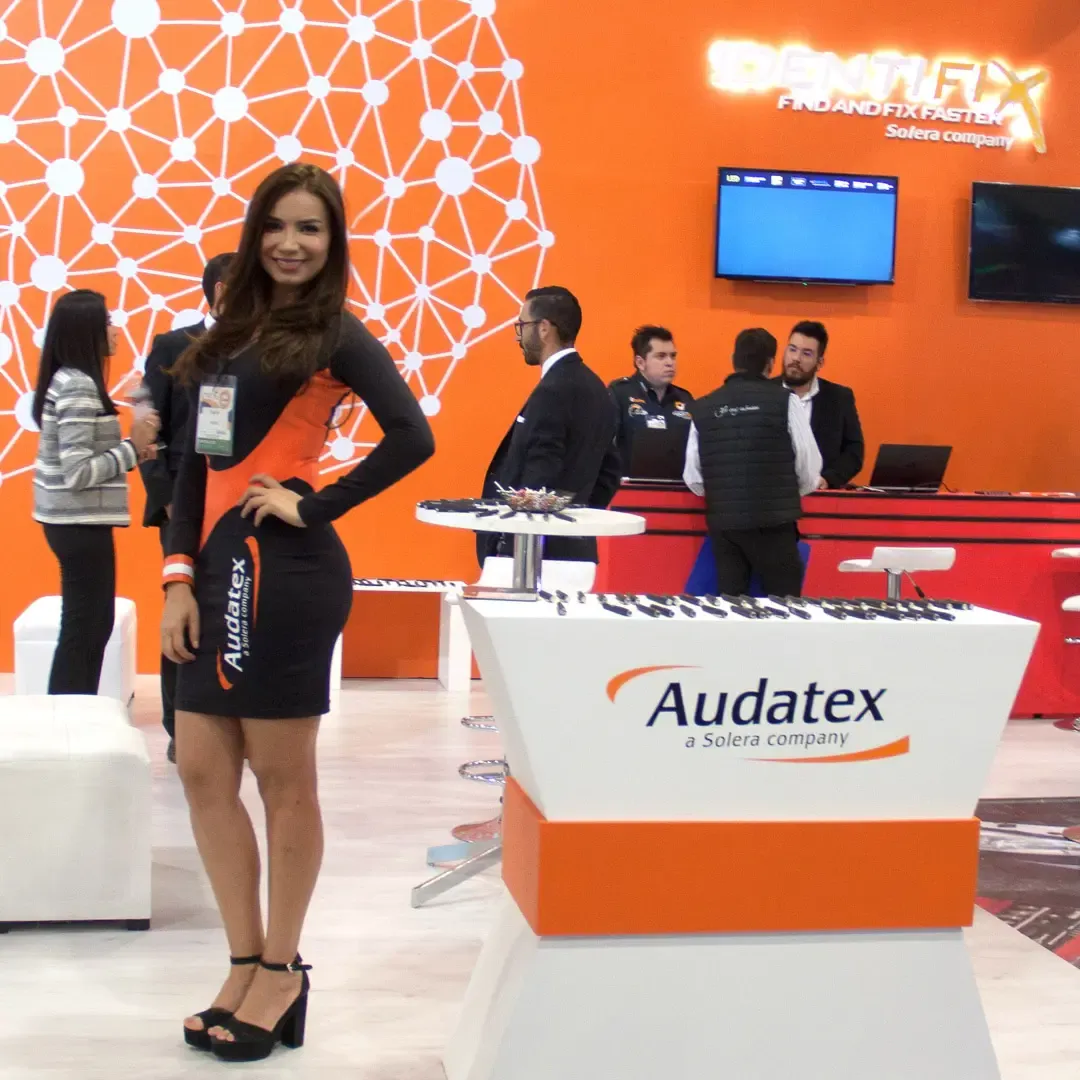
The main trade show staffing functions are models, brand ambassadors, booth hosts or hostesses, lead-generation staff, product demonstrators or specialists, sales representatives and booth managers. Bilingual expertise can be layered onto any role when both the language and job skills are verified.
Trade Show Staffing Roles at a Glance
No job title guarantees performance. A useful staffing brief defines where the person stands, what the person says, what the person records, when the person hands off and what success looks like.
Adjacent Roles Not to Confuse With the Core Booth Team
These jobs may be cross-trained with another role during quiet periods. If the duties must happen simultaneously, staff them separately.
The Purple Five-Question Role Test
Before requesting candidates, answer five questions:
- Where does this person stand?
- What attendee action should this person create?
- What may this person say or demonstrate?
- When must this person hand off?
- What must this person record?
If one answer is missing, the role is not ready to hire.
Why Trade Show Staffing Titles Get Confusing
Different companies use the same title for different assignments.
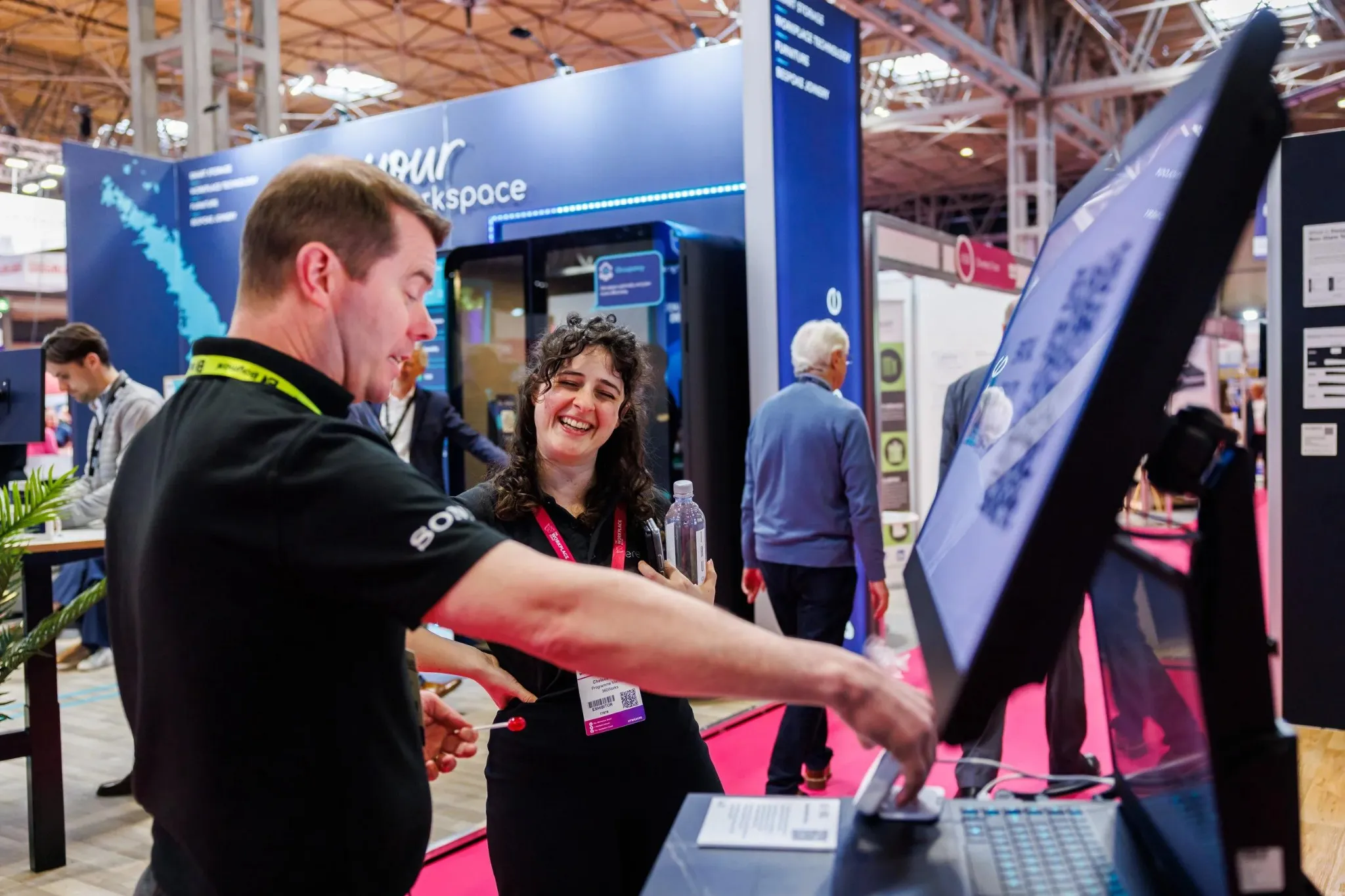
One agency may call a front-of-booth greeter a trade show model. Another may use brand ambassador for anyone wearing branded apparel. An international exhibitor may request an exhibition hostess, while a U.S. team may ask for a booth host, convention model, promotional representative or reception staff.
Even apparently simple searches can have mixed meanings:
- Exhibit model can mean a person working an exhibition—or a physical product replica or scale model.
- Trade show host can mean someone inside a booth, an emcee, or the organizer of the show.
- Exhibit salesperson can mean a representative working the booth, a salesperson selling exhibit space, or someone selling trade show displays.
- Hostie is informal language used in some markets, but it is not a standard U.S. staffing title. For a U.S. event, booth host, hostess, greeter, reception staff or brand ambassador will produce a clearer brief.
Do not begin by asking, “Which title sounds right?” Begin by asking, “What must happen when an attendee reaches our booth?”
Trade Show Model vs. Brand Ambassador: The Central Difference
A trade show model is commonly selected for professional presentation, visibility, approachability and short front-of-booth interactions. Depending on the assignment, that person may welcome attendees, invite participation, distribute literature or samples, support a photo moment and deliver a short approved message.
A trade show brand ambassador is usually selected for a deeper level of brand communication. The ambassador may begin conversations, explain core benefits, guide visitors through an experience, ask light qualifying questions, scan leads and hand interested attendees to sales or product experts.
The roles can overlap. The practical difference is usually the depth of knowledge and responsibility—not appearance.
Choose a trade show model when the job centers on:
- Creating an approachable first impression
- Increasing participation in a visible activation
- Distributing samples, literature or branded items
- Supporting a launch, presentation or photo opportunity
- Delivering a concise, approved opening message
- Directing attendees to a product zone or company representative
Choose a brand ambassador when the job requires:
- Learning a structured brand story
- Holding a longer, natural conversation
- Explaining key benefits or use cases
- Guiding an attendee through an interactive experience
- Asking approved qualifying questions
- Capturing a lead and recording useful notes
- Knowing when to transfer the conversation to an expert
Neither title should be treated as decoration. Every person representing your company should have a real responsibility, clear training and a measurable reason to be in the booth.
Promotional Model vs. Event Brand Ambassador: What Changes?
A promotional model is commonly booked for an event-specific assignment built around visibility, sampling, a launch, a photo moment or brief high-volume interactions. An event brand ambassador is usually trained for longer conversations, deeper message delivery, guided experiences and light qualification.
A long-term or social-media brand ambassador may also create content or represent a company across several campaigns; that is a separate scope. Hiring an event brand ambassador does not automatically mean hiring an influencer, celebrity spokesperson or content creator.
Where a Booth Host or Trade Show Hostess Fits
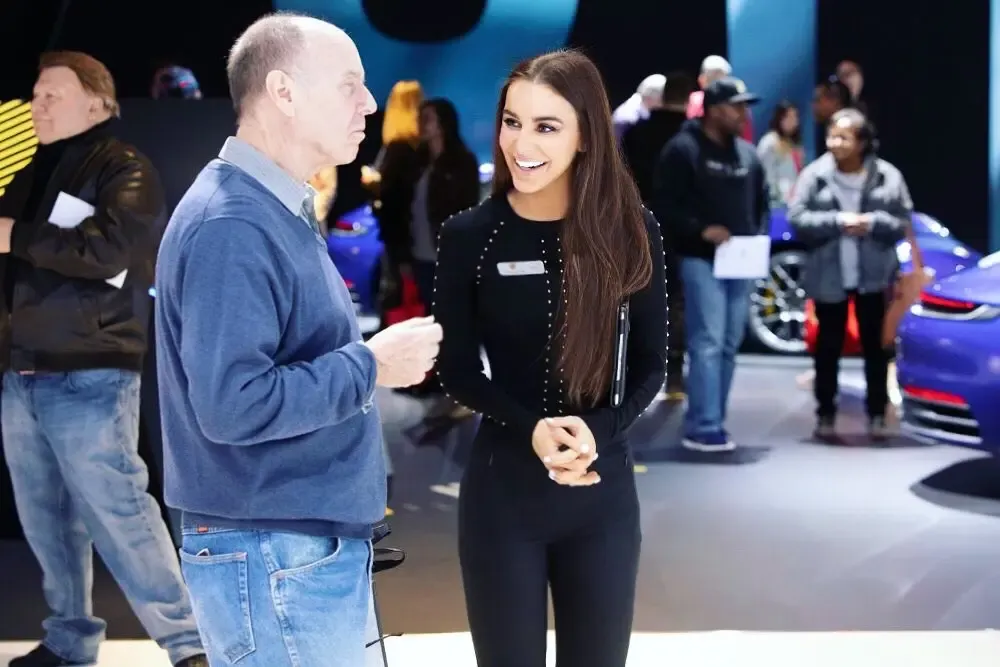
A booth host manages the first layer of the visitor experience.
That can include greeting every arriving attendee, confirming scheduled appointments, notifying the correct team member, organizing a waiting area, directing visitors to demonstrations, keeping the reception counter orderly and making sure no guest stands unnoticed.
This role is especially valuable when:
- Your salespeople have scheduled meetings throughout the day
- The booth has several product zones or meeting rooms
- Visitors need check-in, queue or hospitality support
- The exhibit entrance becomes congested during peak periods
- Your internal team needs uninterrupted time with qualified prospects
A booth host or hostess should not be expected to improvise technical claims, negotiate pricing or replace a trained salesperson unless those duties are explicitly part of the assignment and the person is qualified for them.
The best host does more than say hello. The best host makes the next step obvious.
When You Need Lead-Generation Staff
Crowds are easy to photograph. Qualified opportunities are more useful.
Dedicated lead-generation staff focus on turning aisle traffic and booth conversations into organized, actionable records. They can approach suitable attendees, ask approved questions, use the show’s lead-retrieval system, add notes and introduce qualified prospects to the correct person.
A strong lead qualifier should know:
- The ideal visitor profile
- Two or three approved qualifying questions
- Which answers indicate a strong fit
- Which representative handles each type of opportunity
- What information must be entered with every scan
- What consent, privacy or show rules apply to data capture
- What follow-up action should be selected
The handoff matters as much as the scan. “Here is someone who wants information” is weak. “This is Dana from Acme. She manages three facilities and wants to compare the enterprise package this quarter” gives the salesperson a useful beginning.
For the deeper process behind target profiles, qualifying questions, scoring, notes and follow-up, use Purple’s trade show lead-generation strategy.
When You Need a Product Demonstrator or Technical Specialist
Some exhibits need more than general brand knowledge.
A product demonstrator can deliver a rehearsed sequence, reset the station, manage participation and keep demonstrations moving. A product specialist can usually answer a defined layer of product questions and explain features, use cases or applications in greater depth.
Use a specialist when the assignment includes:
- Live equipment or machinery
- Software workflows or interactive technology
- Medical, clinical or regulated products
- Appliances, tools or engineered systems
- Detailed product comparisons
- Repeat demonstrations throughout the day
Define the boundary before the show: what the specialist may explain, what must go to an engineer or clinician, and which claims may not be made.
Purple can also coordinate trade show AV for product demonstrations so monitors, touchscreens, computers, audio, lighting and content playback support the person running the experience.
When the Booth Needs a Real Salesperson
A model, host, ambassador or lead generator can start an excellent conversation. That does not automatically make the person a closer.
A trade show sales representative should understand the offer deeply enough to uncover needs, answer commercial questions, address objections, discuss next steps and document a genuine opportunity. For complex B2B exhibits, your internal sales team is often the right group for this layer because it owns the customer relationship after the show.
Outside talent can protect that team’s time by handling welcome, traffic, qualification and lead capture. Your salespeople can then focus on the conversations only they can conduct.
That is a stronger division of labor than asking every person in the booth to greet, explain, scan, demonstrate, qualify and close at the same time.
The Purple Exhibits Six-Moment Booth Staffing Framework
Purple organizes booth staffing around six visitor moments: Attract, Route, Qualify, Demonstrate, Advance and Record. Each moment needs one clear owner, one handoff condition and one measurable output.
When two people think they own the same moment—or nobody owns it—visitors get ignored, questions get repeated and valuable context disappears before follow-up.
This journey should also shape the exhibit itself. Entry points, reception, demo stations, meeting rooms, lead scanners and product experts should support a natural handoff instead of competing for the same square footage.
Free Trade Show Booth Staffing Calculator: Which Roles and How Many People?
Purple’s no-login Booth Staffing Role & Capacity Calculator turns the Six-Moment Framework into a working plan. Enter the busiest realistic hour—not the daily average—and the tool returns:
- Active positions for Attract and Route, Qualify, Demonstrate, Advance and Record
- An objective-based mix of trade show models, brand ambassadors, booth hosts, lead staff, demonstrators and salespeople
- An adjustable relief and surge check
- A warning when demonstration demand exceeds the number of physical stations
- A copyable and printable staffing plan
The calculator shows its result before any contact form, works with keyboard controls, stores no personal data and keeps the method visible below the tool.
The Purple Booth Staffing Capacity Planner Method
Booth size sets a comfort limit. Visitor workload sets the operating requirement. A useful staffing plan must satisfy both.
Purple does not use a universal “people per square foot” rule as the answer. A quiet 20-by-20 meeting exhibit and a 20-by-20 booth running four continuous demonstrations can have the same footprint and completely different workloads.
Use this Capacity Planner as a simple trade show staffing calculator: estimate the peak workload at each visitor stage, calculate the active positions that stage needs and then test the answer against the floor plan.
For each visitor stage that must stay active, use this planning calculation:
Minimum active positions = round up (peak interactions per hour × average minutes per interaction ÷ 60)
Calculate each simultaneous stage separately. Then add relief or overflow coverage for breaks and traffic surges. Do not count an executive in a scheduled meeting as active floor coverage.
If the result crowds the booth, use shifts, faster handoffs, self-guided content or a different floor plan rather than placing too many people at the entrance.
Worked Example: Demo Capacity
Suppose peak demand is 12 requested demonstrations per hour, and each demonstration plus reset takes six minutes.
12 × 6 ÷ 60 = 1.2
Round up to two active demonstration positions before adding break or surge coverage.
If the booth can physically support only one demo station, adding a second demonstrator will not solve the bottleneck. Purple should redesign the experience, shorten the cycle or create an alternate path while visitors wait.
This is a planning method, not an industry law or a performance guarantee. The inputs should be reviewed after the first show day and adjusted using actual traffic, interaction times and bottlenecks.
The underlying workload relationship is standard. Purple’s distinct contribution is applying it separately to the exhibit’s visitor moments, matching each position to a role and handoff, and checking the result against the physical booth.
Why Role Clarity Matters: What Exhibition Research Shows
CEIR’s 2024 exhibitor research reports that 96% of exhibitors use engagement tactics to influence their top exhibition objectives and 81% evaluate engagement effectiveness.
Its three leading objectives were sales lead generation, branding and relationship management—the same outcomes most likely to fail when nobody clearly owns attraction, qualification, expertise or follow-through.
CEIR has also documented a persistent gap between the people exhibitors commonly place in booths and the product or technical experts attendees want to meet.
The practical answer is not to make every greeter an expert. It is to assign a qualified expert to the right stage and give front-line staff a precise handoff rule.
Opening-Day Booth Staffing Audit: Recalculate After the First Peak Hour
A staffing plan is a hypothesis until real visitors test it.
After the first representative peak block, the booth captain should time the actual work, audit a small consistent sample of completed lead records and watch where visitors wait, repeat themselves or leave.
The goal is not to create a vanity score. It is to make the next operating block better.
The Purple Six-Moment Operating Score
Score each moment after the observation window:
- 0: No reliable owner, or the intended handoff failed
- 1: The owner is clear, but coverage or the handoff breaks
- 2: The owner is clear, coverage is active and the handoff works
The total is an internal triage snapshot, not an external industry benchmark. Compare the same exhibit across time. Record the observed breakdown beside the score so the number always points to an action.
Download: Purple Exhibits Day-One Booth Staffing Audit. The supplied editable workbook records acknowledgment, qualification, demo wait, demo cycle, handoff completion, lead-record completeness, uncovered minutes, walkaways and all six moment scores without collecting attendee personal information.
Build the Purple Booth Staffing Bottleneck Benchmark
With client approval, Purple can use the same audit across future projects and publish anonymized aggregate findings on this canonical article.
Report the sample size, methodology, median and interquartile range by useful segments such as booth size, open sides, objective, demo stations and staffing mix. Publish no client names, attendee information or universal “industry benchmark” until the data genuinely supports it.
That first-party dataset—not another unsupported percentage—can become Purple’s strongest editorial and backlink asset.
Purple Exhibits Show-Floor Proof: Six Sales Models Inside a 10-Exhibit Program
At IEEE PES T&D in Chicago, Purple Exhibits coordinated a program involving 10 exhibits, six trade show sales models and 25,000 pounds of machinery.
This was not a show where staffing could be treated as a last-minute headcount. Each representative needed a defined position, an approved opening and a clear handoff path.
The exhibit plan also had to account for attendee movement around substantial equipment and for technical questions reaching the correct experts.
The lesson is simple: booth layout, staffing roles and sales handoffs must be planned as one operating system. The more complex the exhibit, the more precise each person’s responsibility must become.
Scope note: These are documented program facts. Purple does not claim a lead, revenue or conversion result here because no approved performance result has been supplied.
Purple Field Note: What a Real Trade Show Sales Model Assignment Includes
In one documented Purple industrial-show staffing brief, the job went well beyond standing at the booth edge.
The assigned trade show sales models were expected to:
- Stay present in the exhibit except during scheduled breaks
- Proactively attract relevant traffic and begin conversations
- Scan badges and distribute catalogs
- Learn the approved product information and transfer deeper questions to the correct company representative
- Follow the on-site sales team’s direction and handoff process
- Provide verified Spanish-English ability where the audience and position required it
That is what “trade show sales model” should mean when Purple uses the term: a defined show-floor responsibility, a prepared representative and a clean transition to the client—not appearance without a job.
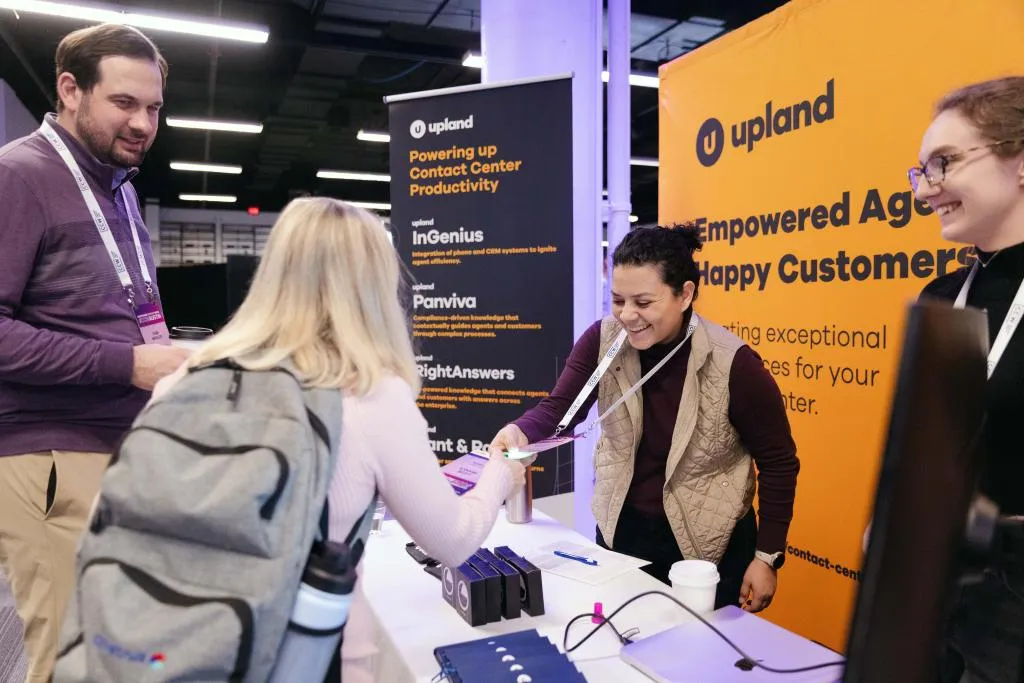
Choose the Staffing Mix by Booth Objective
For Brand Awareness or a Product Launch
Use a trade show model or outgoing brand ambassador to attract and welcome, then connect interested visitors to a product expert or company representative.
Add promotional-product or sampling support only when it serves a clear interaction.
For Scheduled B2B Meetings
Use a booth host at reception, with internal salespeople, executives or account managers handling the meetings.
The host protects the schedule and keeps walk-in traffic from being ignored.
For Continuous Product Demonstrations
Use a host or ambassador to build the audience, a trained demonstrator to run the experience and an internal expert for advanced questions.
If the demo relies on screens, sound or interactive equipment, plan the technology and staffing together.
For High-Volume Lead Capture
Use lead-generation representatives who are comfortable approaching attendees, asking concise questions, scanning accurately and recording notes.
Keep salespeople available for the strongest handoffs instead of making them process every visitor.
For an International Exhibitor
Use a bilingual brand ambassador or host when the role requires both language and booth engagement.
For technical, legal, medical or negotiation-heavy conversations, use a qualified interpreter or bilingual subject-matter expert rather than assuming conversational fluency is enough.
Employees, Outside Talent or Both?
Internal employees bring product knowledge, customer history, authority and ownership of the follow-up. Outside trade show staff bring dedicated coverage, show-floor confidence and the ability to manage repetitive front-line tasks without pulling more employees away from their regular work.
For many exhibitors, a blended team is the practical answer:
- Outside host + internal salespeople
- Brand ambassador + internal product expert
- Lead scanner + technical demonstrator + closer
- Bilingual ambassador + reception host + company executive
- Promotional model + sampling manager + sales representative
The combination should create a clean path from attention to conversation—not layers of people performing the same vague job.
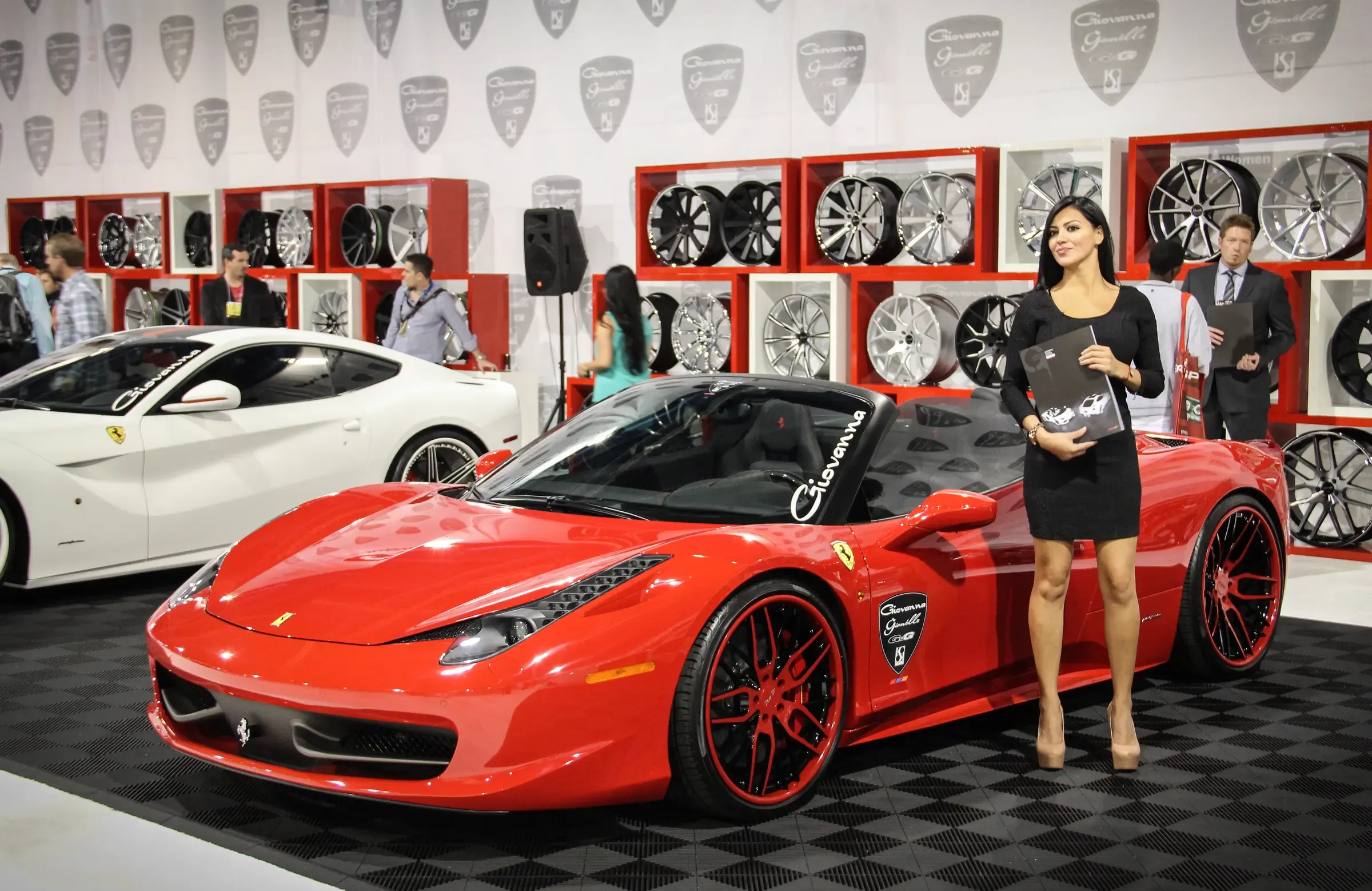
What Does It Cost to Hire Trade Show Staff in 2026?
There is no honest universal hourly rate for a trade show model, brand ambassador, booth host or product specialist.
A four-hour local reception assignment and a multi-day technical demonstration at a major convention are different jobs. A useful proposal should make the cost drivers visible instead of presenting one unexplained number.
Ask for a written quote that separates or clearly defines:
- Staff hours and any daily or shift minimum
- Paid training, orientation and rehearsal time
- Role complexity, required experience and product knowledge
- Bilingual, technical, presenter or team-lead requirements
- City, venue, major-show demand and booking lead time
- Wardrobe, shipping, parking, meals and local transportation
- Travel and lodging when local qualified talent is not appropriate
- Overtime, early call times, rush changes and additional show days
- On-site supervision, break coverage and replacement responsibility
- Agency coordination, employment responsibility and applicable insurance
Comparing quotes only by the lowest hourly number can hide training, supervision, travel or coverage costs.
Compare the complete staffed outcome: who is included, what each person is prepared to do, how the team is managed and what happens when the plan changes.
For a project-specific scope, use Purple’s trade show booth staffing service and send the show, city, schedule, role, language needs and primary objective.
Copy-and-Use Trade Show Staffing Brief
The fastest way to receive the wrong candidates is to send a request that says only, “We need two models.”
Copy this structure into your staffing request:
Show and venue: [Name, city and venue]
Booth: [Number, size and layout]
Primary objective: [Awareness, appointments, demonstrations, sampling, lead generation, sales or hospitality]
Requested role: [Model, ambassador, host, lead qualifier, demonstrator, specialist, salesperson or bilingual staff]
Number of people and hours: [Daily schedule, training time and break coverage]
Ideal visitor: [Industry, title, company type, need or application]
Opening message: [One approved sentence]
Questions to ask: [Two or three qualifying questions]
Approved information: [What the person may explain]
Escalation rules: [Questions or claims that must go to an internal expert]
Handoff process: [Who receives which visitor and how the introduction should be made]
Lead system: [Scanner or app, required fields, note format and follow-up status]
Attire and presentation: [Brand-appropriate, inclusive and practical requirements]
Language requirements: [Language and verified level of fluency]
Technology or equipment: [Tablet, monitor, demo unit, microphone or other tools]
On-site manager: [Name, phone and check-in point]
Backup plan: [Late arrival, illness, technology failure or unexpected traffic]
Success measures: [Qualified handoffs, complete scans, demos, appointments, samples or another specific outcome]
Once the people are selected, use The Purple Trade Show Guide to prepare the complete show-floor team.
Free Download: Purple Exhibits Trade Show Staffing Role Selector & Brief
Turn this guide into a working show-floor plan. Purple’s free Trade Show Staffing Role Selector & Brief combines the role comparison, Six-Moment Framework and copy-and-use briefing fields in one concise resource for exhibitors, organizers and educators.
Download the Purple Exhibits Trade Show Staffing Role Selector & Brief
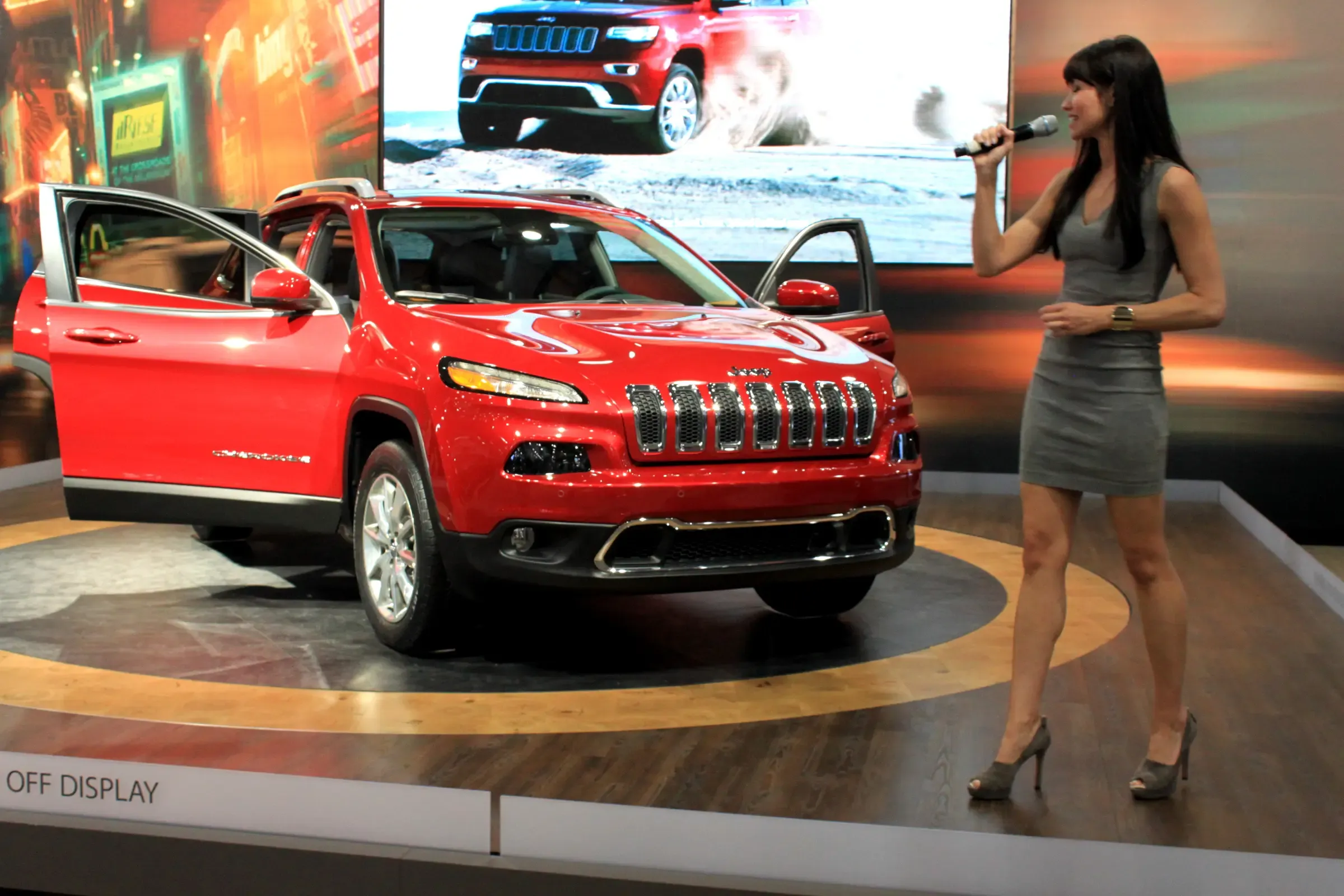
How to Evaluate Trade Show Staffing Candidates
A folder of headshots is not a staffing strategy. A headshot cannot tell you whether someone can represent your brand for eight hours on a crowded show floor.
Ask candidates or the staffing partner to demonstrate the work:
- Give a natural ten-second opener for your audience
- Explain your approved value proposition after reviewing a short brief
- Show how they would approach a visitor without sounding aggressive
- Describe how they would handle a question outside their authority
- Explain how they record a useful lead note
- Confirm experience with badge scanners, tablets or demonstration equipment
- Verify language ability when bilingual communication is essential
- Confirm rehearsal, call time, dress code and daily schedule
- Explain supervision, replacement and backup coverage
Select for reliability, communication, learning ability, judgment and brand fit—not a vague label.
Staffing Agency Due-Diligence Checklist
Before approving a staffing partner, confirm:
- Who employs and pays the staff
- What workers’ compensation and liability coverage applies
- How candidates are vetted and who approves the profiles
- Whether training and rehearsal time are included and paid
- What happens after a late arrival, illness or no-show
- Who serves as the on-site captain or escalation contact
- Who owns the lead data and what reporting is delivered after the show
Professional staffing is not only about who appears on the roster. It is also about who is accountable when the show floor gets busy.
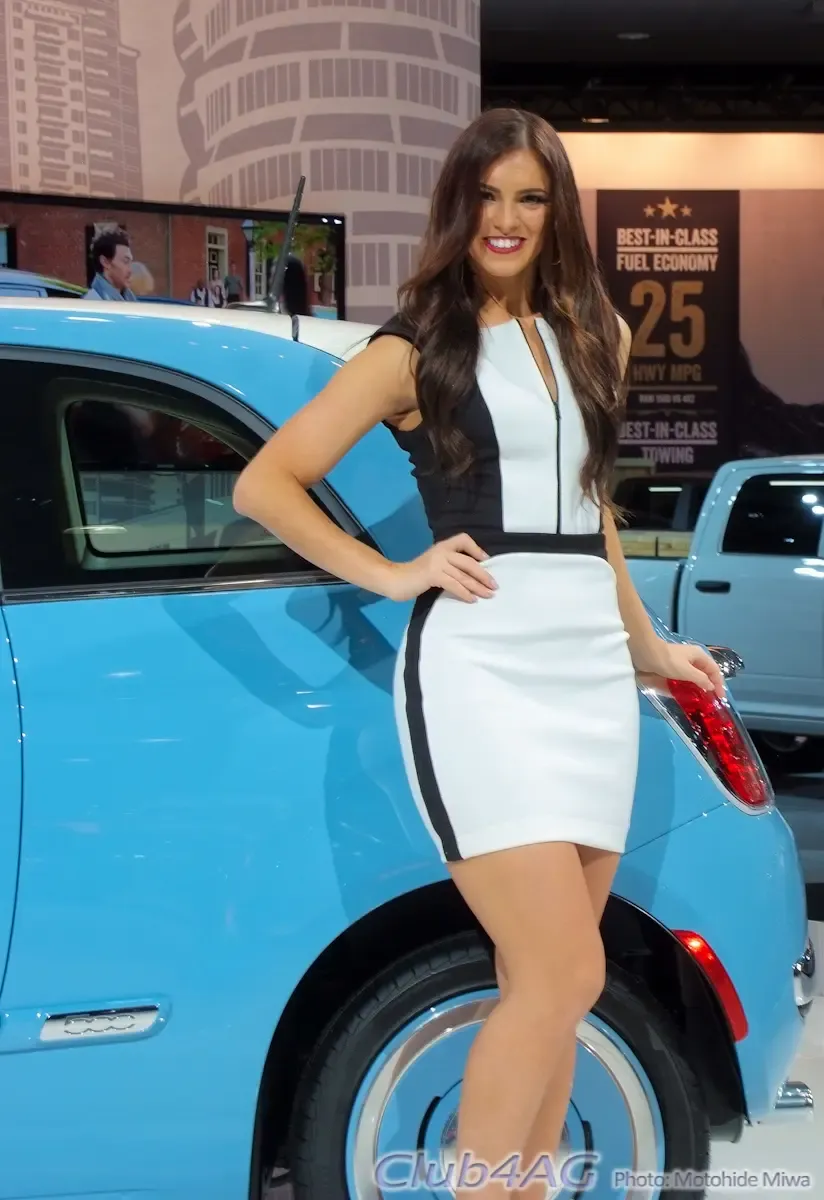
The Booth Design Must Support the People Inside It
Staffing decisions should not begin after the exhibit is finished.
A host needs a reception point that does not block the entrance. A lead qualifier needs access to a scanner without creating a line across the aisle. A demonstrator needs visibility, power, content and a clear reset path.
Salespeople need enough separation to hold a serious conversation. Staff bags, drinks and extra literature need storage.
Purple approaches custom trade show booth design around the full visitor experience: sightline, entry, engagement, demonstration, qualification, meeting and follow-up.
Your Floor Plan Is a Staffing Plan
Purple Pro Tip: Do not approve a staffing roster until every role has a place, every place has an owner and every visitor has a next step.
When the booth and staffing plan are developed together, each person has a useful place to work—and every visitor has a logical next step.
One Trade Show Partner for the Booth and the People
Most staffing agencies see a role description and a schedule. Purple sees the complete exhibit.
That matters when you are choosing a trade show exhibit builder as well as booth staff: the people, entry points, demonstration zones, technology and lead-capture positions must work as one plan.
We understand where visitors enter, how reception should work, where demonstrations happen, when crowd flow becomes a problem, where the lead scanner belongs and how a qualified attendee should reach sales.
Purple’s trade show staffing services can be coordinated with booth design, graphics, AV, freight, show services, installation and dismantling as one complete program.
One booth. One team. One accountable trade show partner.
That is how Purple makes JUST SHOW UP possible.
How This Guide Was Developed
Purple separates every staffing role using the same five practical questions in the Purple Five-Question Role Test:
- Where does this person stand?
- What attendee action should this person create?
- What may this person say or demonstrate?
- When must this person hand the visitor to someone else?
- What must this person record?
The matrices combine Purple Exhibits’ first-hand experience coordinating exhibit design, show-floor operations, AV, demonstrations, visitor flow and staffing.
The Capacity Planner adapts a standard workload calculation to each visitor stage, then requires explicit surge, relief and physical-space checks.
This is an operating framework—not a universal staffing ratio—and it should be adapted to the show, audience, product, venue and exhibitor’s objectives.
Frequently Asked Questions About Trade Show Models and Booth Staff
Is a Trade Show Model the Same as a Brand Ambassador?
Not always. A trade show model commonly focuses on visibility, professional presentation and shorter front-of-booth interactions.
A brand ambassador is usually trained more deeply on the brand message and may hold longer conversations, guide an experience, qualify visitors and capture leads. The duties can overlap, so the written assignment matters more than the title.
Is a Trade Show Model the Same as a Booth Salesperson?
No. A trade show model usually owns attention, a short approved opening and the first handoff.
A booth salesperson or trade show sales representative owns discovery, objections, commercial questions and a defined business next step.
“Booth sales model” or “trade show sales model” should be used only when the written assignment states exactly what the person may explain, qualify and commit to—and when an internal salesperson must take over.
What Is the Difference Between a Booth Host or Hostess and a Brand Ambassador?
A booth host or hostess usually owns welcome, reception, appointments and visitor routing.
A brand ambassador more often owns message delivery, engagement and light qualification. In a smaller booth, one well-briefed person may cover both roles if priorities and handoffs are clear.
What Do “Trade Show Hostie” and “Exhibit Hostie” Mean?
Some international clients use “trade show hostie,” “exhibit hostie,” or the plural “hosties” informally for a host or hostess.
These are not standard U.S. trade-show staffing titles. For a U.S. staffing request, use booth host, trade show hostess, greeter, reception staff or brand ambassador and describe the actual responsibilities.
Is an Exhibit Model the Same as a Promotional Model?
It can be, but “exhibit model” is ambiguous because it may also refer to a physical or scale model.
“Trade show model” or “promotional model for a trade show” is clearer when you mean a person representing the brand inside an exhibit.
Which Trade Show Staff Member Should Scan and Qualify Leads?
Use a dedicated lead-generation representative or a brand ambassador trained on the qualifying questions, scanner and note requirements.
The person should know exactly when to hand a visitor to sales and what information must be recorded before the conversation ends.
Can Hired Booth Staff Use Our Lead-Retrieval App or CRM?
Yes, when the access, training and data-handling rules are defined before the show.
Give the assigned staff a test login or training mode, show the required fields and note format, explain consent and privacy requirements, and define who receives the record after each interaction.
Use role-based access rather than a shared employee password, and complete a live test before the exhibit opens.
When Should I Use a Product Specialist Instead of a Brand Ambassador?
Use a product specialist when the role requires a structured demonstration, detailed product explanation or first-level technical answers.
A brand ambassador is usually the better fit for broader brand storytelling and attendee engagement. Complex or regulated questions should still go to a qualified internal expert.
What Is the Difference Between a Product Demonstrator, Product Specialist and Presenter?
A product demonstrator runs a repeatable hands-on or visual sequence. A product specialist can usually answer a defined layer of deeper product or application questions.
A presenter delivers a scheduled one-to-many talk, often using a microphone, stage or theater format.
One person may be qualified for more than one function, but simultaneous demonstration, technical Q&A and stage presentation require separate coverage.
Can One Person Greet Visitors, Demonstrate Products and Capture Leads?
Sometimes, especially in a smaller booth with moderate traffic.
The risk is that one long demonstration leaves reception and lead capture uncovered. Define the first priority, plan break and peak-time coverage, and add separate roles when the activity requires continuous attention.
Who Should Handle Technical Questions and Sales Negotiations?
Your qualified product expert, engineer, clinician, executive or sales representative should handle questions that require authority, technical depth or commercial approval.
Outside staff should have clear escalation rules and should never guess.
Can a Bilingual Ambassador Perform More Than One Booth Role?
Yes, when the person is qualified for both the language and the assigned work. Verify fluency at the level the role requires.
A bilingual greeter, a technical interpreter and a multilingual salesperson are different assignments.
What Should Be Included in a Trade Show Staffing Brief?
Include the show, venue, booth, objective, role, schedule, target visitor, approved message, qualifying questions, escalation rules, lead system, attire, language, equipment, handoff process, on-site manager, backup plan and success measures.
How Many Trade Show Booth Staff Do I Need?
Start with the number of visitor interactions that must happen at the same time—not only the square footage.
For each stage, round up peak interactions per hour multiplied by average minutes per interaction and divided by 60; then add relief or overflow coverage.
Use the Purple Booth Staffing Capacity Planner above for the calculation and The Purple Trade Show Guide for shift scheduling, rehearsal and break planning.
How Much Does It Cost to Hire a Trade Show Model or Brand Ambassador?
Pricing depends on the city, show dates, role complexity, experience, language requirements, training time, wardrobe, daily hours, supervision and whether travel is required.
The 2026 pricing section above explains how to compare a complete staffing scope. Purple’s trade show booth staffing service provides the correct quote path.
How Far in Advance Should I Book Trade Show Staff?
Book as soon as the show, schedule and role are defined, especially for major convention weeks, bilingual talent, technical demonstrators or specialized presenters.
More lead time improves candidate choice and gives the team enough time for profile approval, training, wardrobe and rehearsal.
What Should I Ask a Trade Show Staffing Agency Before Hiring?
Ask who employs and insures the staff, how candidates are vetted, whether training is included, who supervises on site, what replacement coverage exists, how lead data is handled and what reporting follows the show.
A strong partner should answer each question before the roster is approved.
What Happens if a Confirmed Staff Member Cancels or Does Not Arrive?
The written agreement should identify the notice process, replacement responsibility, on-site escalation contact and any coverage limits.
Ask when backup candidates are confirmed, how qualifications are matched and who decides whether a replacement is acceptable.
Keep the opening briefing, wardrobe requirements and approved message in a shared show file so a qualified replacement can be prepared quickly.
Should We Hire Local Trade Show Staff or Fly In Talent?
Use qualified local staff when the role can be trained effectively and local availability is strong; this can reduce travel cost and disruption.
Fly in a person when specialized product knowledge, an established presenter, regulated expertise, language ability or continuity across several shows outweighs the added travel cost.
The decision should be based on the assignment and risk—not a blanket rule.
Does My Exhibit Need an On-Site Staffing Manager?
An on-site captain becomes valuable when the team covers several positions, zones, shifts or days.
The manager protects coverage, rotates high-intensity roles, handles late arrivals or breaks, resolves escalations and gives Purple or the exhibitor one accountable show-floor contact.
Build the Right Team for Your Next Exhibit
Not sure whether you need a model, ambassador, host, lead qualifier, product specialist, salesperson—or a blended team?
Send Purple five details: your show and city, booth size, daily schedule, ideal visitor and primary objective.
We can help define the staffing mix and coordinate the people with your booth design, AV, visitor flow and on-site execution.
One booth. One team. One accountable partner.
Build the booth. Staff the moment. JUST SHOW UP.