


Atlanta boasts of some of the busiest trade shows in the southeast with tens of thousands of buyers attending every year including the logistics, healthcare, fintech, and manufacturing industries.
In large exhibitions like the Georgia World Congress Center, the contest among the exhibitors is how they capture the interest of the people in the hall where everyone makes a fast choice on where to pull over.
The brands that are regularly filled with booths are not just playing dice. They have an explicit, repeatable process that is constructed on preparation, layout, and engagement basis.
It Starts Before the Booth Ever Ships
Exhibitors in Atlanta who have a consistent foot traffic start to plan months before. Whether it is about what occurs on show days, or not, that is seldom what defines Booth success. It begins by having specific objectives related to the event audience. Exhibitors examine the profiles of attendees, their busiest times, show layout maps in order to determine where to focus the energy.
That is why many teams study proven approaches from markets like New York, where Atlanta Trade Show Experts emphasize booth planning around attendee behavior rather than visual appeal alone. The same line of thought is currently determining the way Atlanta exhibitors design their booths.
Step One: Build for Movement, Not Decoration
Booths that are packed are flow-oriented. The Atlanta show floors are bustling and limited or insular designs lose their visitors. Winning exhibitors emphasize the features of open layouts with the opportunity to enter space and not feel claustrophobic.
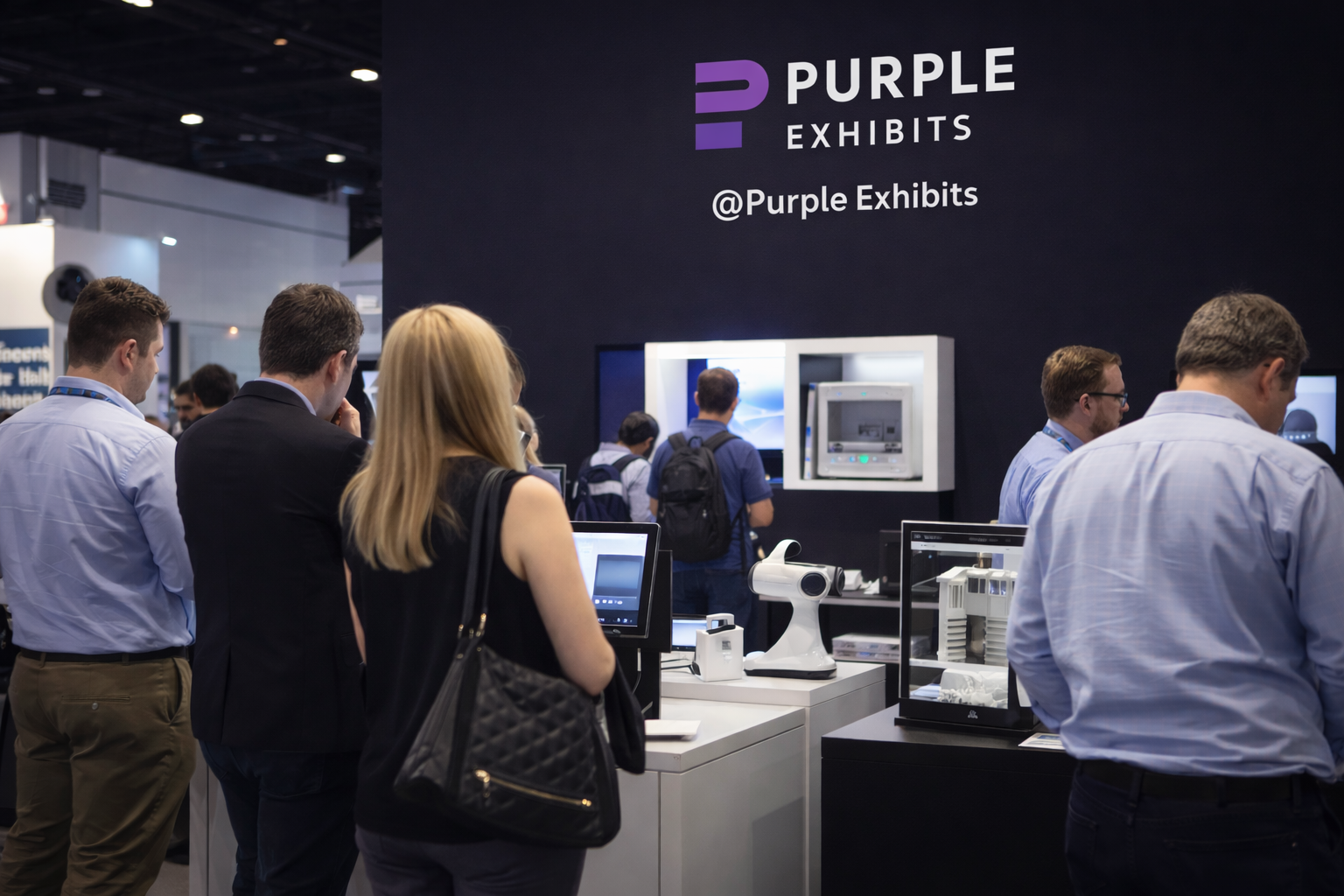
Booths inspired by Atlanta exhibits often apply this successfully, using natural entry points and layouts that guide visitors toward conversation instead of blocking them with counters or walls. It has aimed at eliminating the friction and welcoming curiosity in a way, within the first few seconds.
Step Two: Give People a Reason to Stay
It is one thing to get attention. Holding it is another. Packer exhibitors create an encounter that makes visitors spend time in the booth.
- Best booths at Atlanta usually have:
- Less than five minutes product demos.
- Graphical storytelling to describe value without explanation.
- No complex interactive features that deter involvement.
Data available in the industry indicates that interactive booths are able to raise dwell time by approximately half of that of a static display.
Step Three: Staff Like Conversations Matter
A booth may appear ideal and fail to perform well because employees are not ready. Successful Atlanta exhibitors train their people to listen and only speak second.
Staff are taught not to ask predetermined questions, but to pose open ones and get to the point as fast as possible. This solution is similar to the practice in Atlanta Trade Show Experts in which the movement of staff is scheduled together with the arrangement of the booth.
Step Four: Use Data While the Show Is Live
Exhibitors of Atlanta are moving towards mid-show strategy adjustment. Online lead capture devices, QR codes, and tracking systems commonly used within Exhibit Design Atlanta help identify which booth sections receive the most attention.
Why This Method Works in Atlanta
Atlanta trade show awards transparency and effectiveness. The guests come with strict schedules and objectives. It is a step-by-step process that exhibitors adhering to this approach will fit the booth design, staffing, and engagement into a single system.
Many Atlanta brands are adapting proven ideas seen in Exhibit Design Atlanta, translating those concepts to suit local audiences and regional show formats. What it produces is that the booths are lively, friendly, and meaningful instead of ornamental.