

KBIS 2027 Booth Planning Checklist: Design, Budget, Logistics and Installation
KBIS 2027 will bring kitchen and bath manufacturers, designers, builders, retailers, dealers and industry decision-makers together in Las Vegas from February 2–4, 2027. Held alongside the International Builders’ Show as part of Design & Construction Week, KBIS gives brands three important days to introduce products, meet customers and create new business opportunities.
But a successful KBIS exhibit does not begin when the show doors open.
It begins months earlier with clear goals, strategic booth design, engineering, fabrication, graphics, shipping, show services, installation and on-site coordination. Each part of the project must follow the same plan and timeline.
This KBIS 2027 booth planning checklist from Purple Exhibits walks exhibitors through every major stage—from the first booth-design conversation to the final dismantle and post-show storage.
Start with Clear KBIS Booth Goals
Before discussing materials, colors or architectural features, define what success should look like for your company at KBIS.
Common goals may include:
Generating qualified leads for the sales team
Launching a new product, collection or technology
Increasing brand recognition among dealers, designers and builders
Meeting with current customers and distribution partners
Hosting media appointments or product demonstrations
Showcasing craftsmanship in a realistic lifestyle environment
Creating content for social media and future marketing campaigns
Generating qualified leads for the sales team
Launching a new product, collection or technology
Increasing brand recognition among dealers, designers and builders
Meeting with current customers and distribution partners
Hosting media appointments or product demonstrations
Showcasing craftsmanship in a realistic lifestyle environment
Creating content for social media and future marketing campaigns
Your goals should guide every decision that follows.
A KBIS exhibit designed for quick product discovery will require a different layout from one created for private meetings or longer demonstrations. When the goal is clear, the booth design can support it instead of simply filling the available space.
Build a Realistic KBIS 2027 Booth Budget
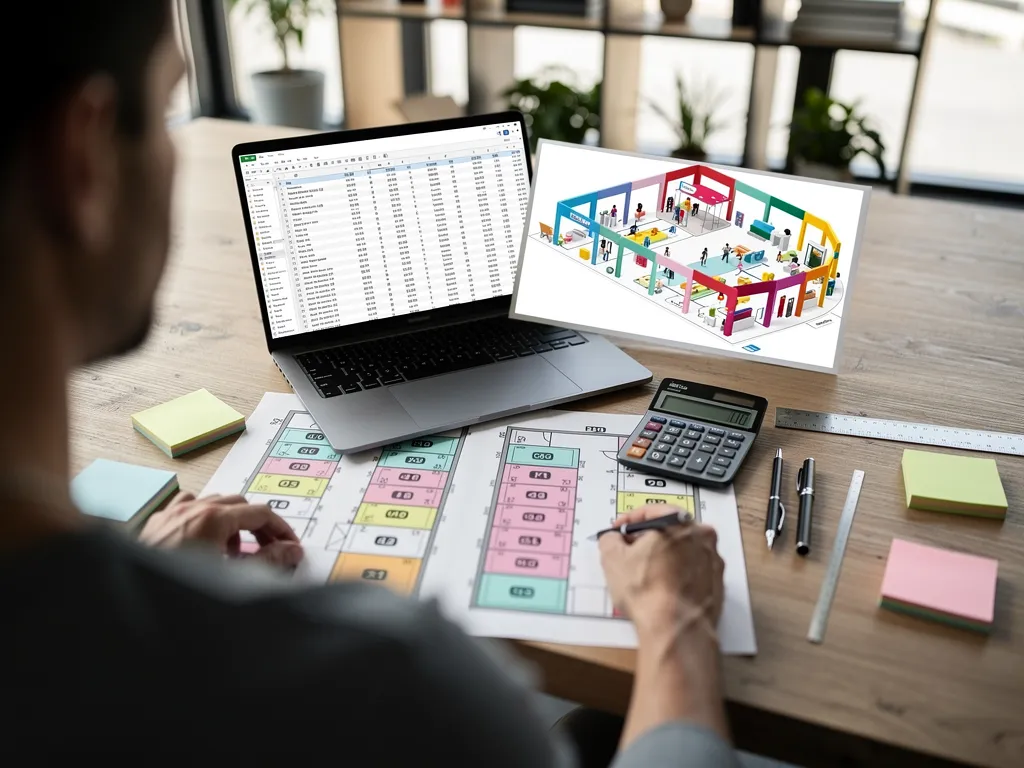
A complete trade show budget should cover the entire exhibit lifecycle—not only the booth structure.
Important budget categories may include:
Creative design and 3D renderings
Engineering and production drawings
Fabrication and materials
Graphics and signage
Lighting, flooring and furniture
LED walls, monitors and audiovisual equipment
Electrical, internet, plumbing or compressed-air services
Shipping and freight coordination
Drayage and material handling
Installation and dismantle labor
On-site supervision
Cleaning and booth maintenance
Storage, refurbishment and future reuse
Creative design and 3D renderings
Engineering and production drawings
Fabrication and materials
Graphics and signage
Lighting, flooring and furniture
LED walls, monitors and audiovisual equipment
Electrical, internet, plumbing or compressed-air services
Shipping and freight coordination
Drayage and material handling
Installation and dismantle labor
On-site supervision
Cleaning and booth maintenance
Storage, refurbishment and future reuse
Request itemized pricing so you understand where the budget is going and where adjustments can be made.
It is also smart to reserve a contingency amount for on-site changes. Additional labor, revised electrical requirements, freight delays or replacement graphics can create unexpected costs when there is no room left in the budget.
Early planning gives your team more options. Last-minute planning usually gives you fewer choices at a higher cost.
Plan Your KBIS Booth Layout and Visitor Flow
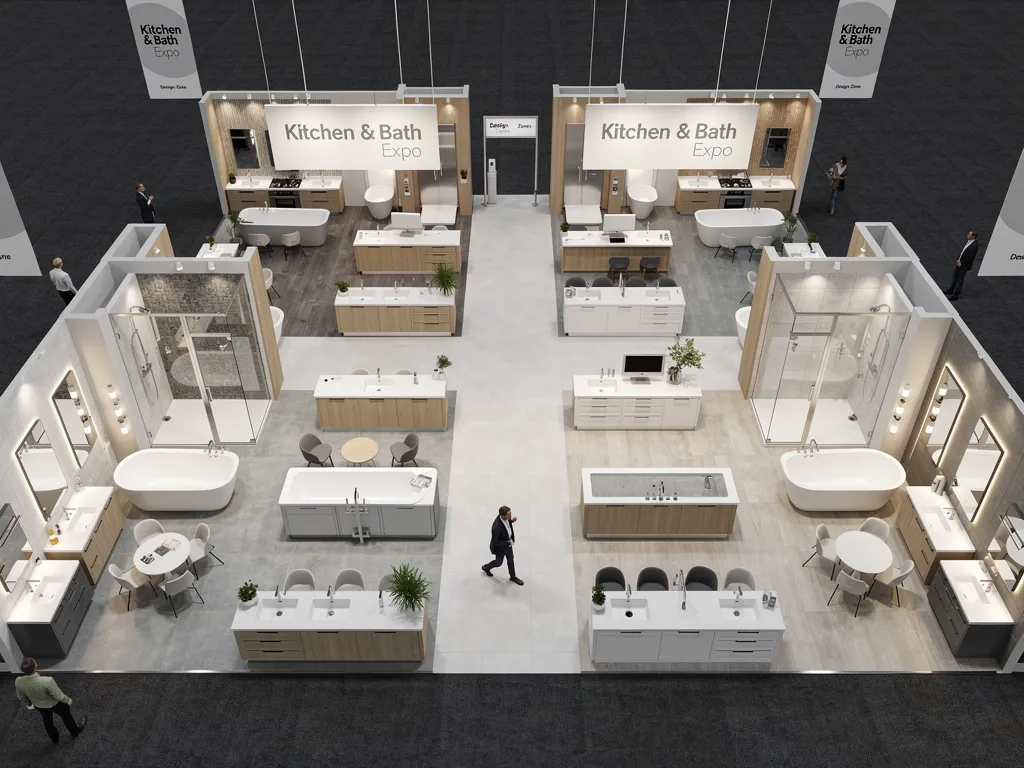
Your floor plan determines how people enter, move through and experience the exhibit.
When planning a KBIS booth layout, consider:
The main aisle and likely direction of attendee traffic
Clear sightlines to your company name and featured products
Open entry points that make the booth feel welcoming
Dedicated areas for displays, demonstrations and meetings
Space for hospitality or private conversations
Pathways that prevent bottlenecks
Hidden storage for personal items, literature and supplies
Comfortable work areas for booth staff
Accessibility and safety throughout the space
The main aisle and likely direction of attendee traffic
Clear sightlines to your company name and featured products
Open entry points that make the booth feel welcoming
Dedicated areas for displays, demonstrations and meetings
Space for hospitality or private conversations
Pathways that prevent bottlenecks
Hidden storage for personal items, literature and supplies
Comfortable work areas for booth staff
Accessibility and safety throughout the space
For kitchen and bath brands, layout can make the difference between displaying individual products and helping visitors imagine those products inside a real home.
Cabinetry, fixtures, appliances, surfaces, hardware and lighting are often more powerful when presented as part of a complete environment. A carefully planned layout allows visitors to explore those environments naturally without feeling lost or crowded.
KBIS Booth Design and Engineering
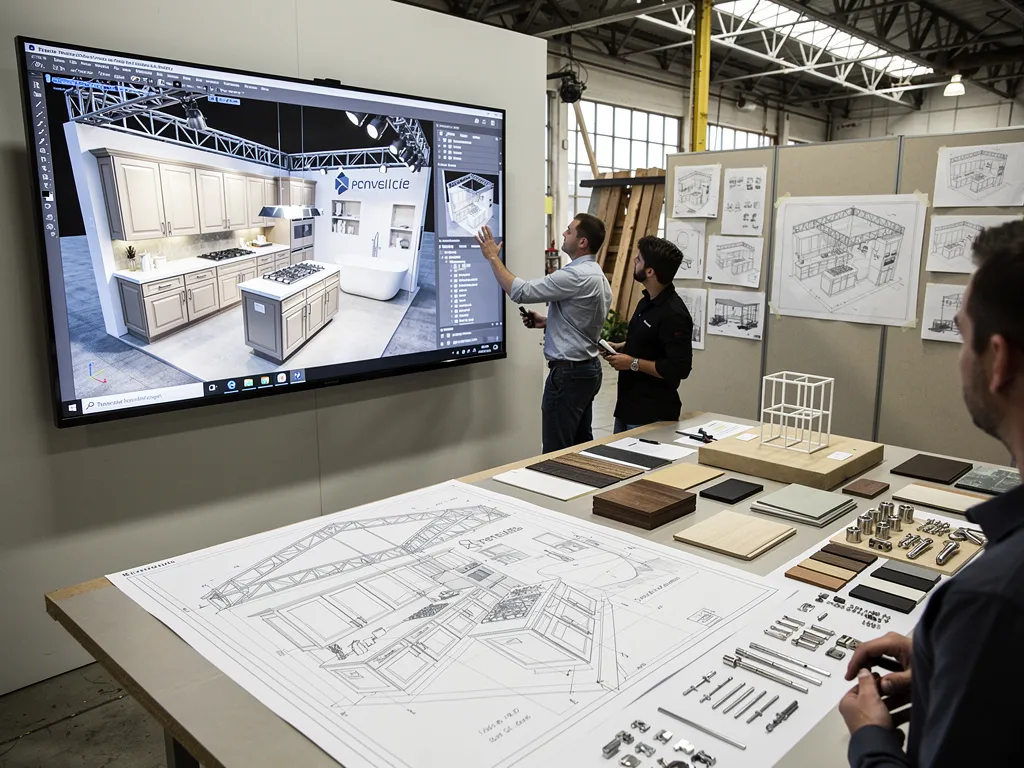
An effective KBIS booth design must balance creativity with structural and show-floor practicality.
Whether you are building a fully custom exhibit, using a rental system or combining the two, consider:
Booth height and structural requirements
Hanging-sign and rigging needs
Product weight and load-bearing requirements
Electrical and audiovisual integration
Storage and staff access
Neighboring-booth sightlines
Venue and show regulations
Installation and dismantle sequencing
How the exhibit may be reused at future shows
Booth height and structural requirements
Hanging-sign and rigging needs
Product weight and load-bearing requirements
Electrical and audiovisual integration
Storage and staff access
Neighboring-booth sightlines
Venue and show regulations
Installation and dismantle sequencing
How the exhibit may be reused at future shows
Creative and engineering teams should work together from the beginning.
A design may look impressive in a rendering, but it must also be safe, buildable, transportable and efficient to install. Working with an experienced KBIS booth builder early gives the design, engineering and production teams time to solve challenges before they become expensive fabrication or show-floor problems.
Fabrication and Material Selection
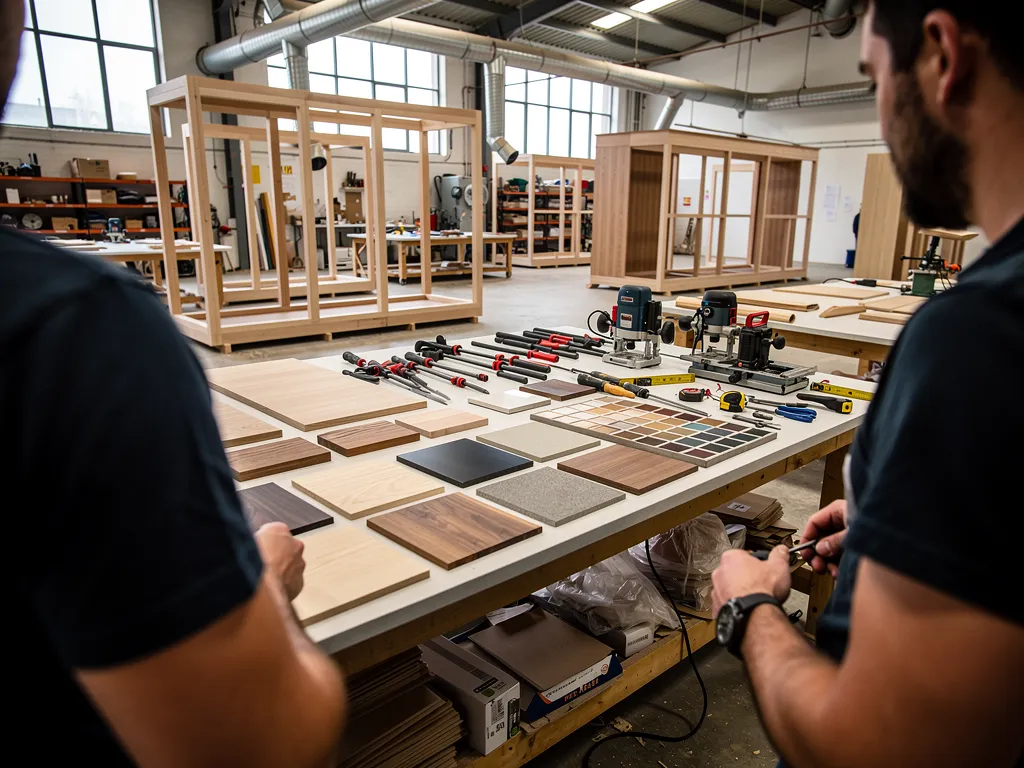
Once the design is approved, fabrication turns the concept into a physical exhibit.
This phase should include:
A detailed production schedule
Clear client approval and sign-off points
Material purchasing and lead-time planning
Structural fabrication
Graphic measurements and production
Lighting and electrical preparation
Product-display testing
Quality-control inspections
Pre-show assembly or testing when appropriate
Careful packing and labeling for transportation
A detailed production schedule
Clear client approval and sign-off points
Material purchasing and lead-time planning
Structural fabrication
Graphic measurements and production
Lighting and electrical preparation
Product-display testing
Quality-control inspections
Pre-show assembly or testing when appropriate
Careful packing and labeling for transportation
Material choices should support the brand and the practical needs of the exhibit.
Kitchen and bath attendees notice craftsmanship. If a brand sells premium cabinetry, fixtures or surfaces, the exhibit should demonstrate a similar level of finish and attention to detail.
At Purple Exhibits, fabrication is planned together with shipping and installation. This helps ensure that every component is packed properly, arrives with the correct installation information and can be assembled in the intended order.
Graphics That Communicate Quickly
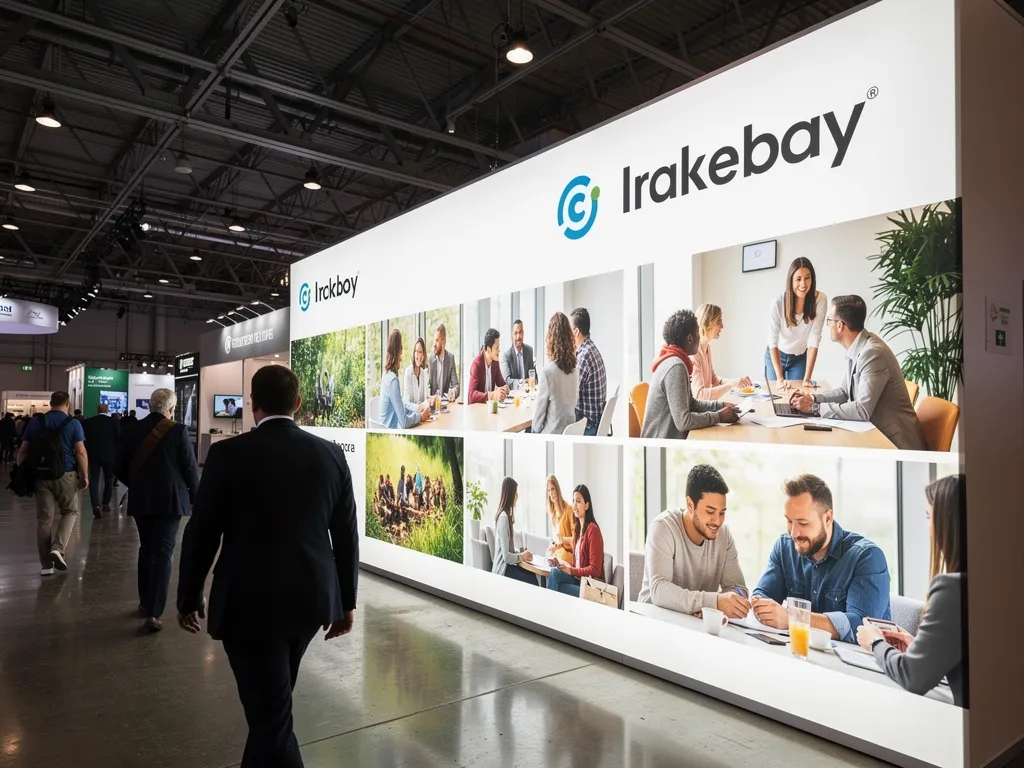
Trade show attendees make fast decisions while walking the aisles.
Strong exhibit graphics should help visitors understand three things within seconds:
Who you are
What you offer
Why they should enter
Who you are
What you offer
Why they should enter
Effective KBIS booth graphics should:
Keep the primary message simple and visible
Use high-resolution product and lifestyle photography
Maintain consistency with the company’s overall branding
Highlight key products or launches
Support navigation through larger exhibits
Avoid overwhelming visitors with too much text
Remain readable from the aisle
Keep the primary message simple and visible
Use high-resolution product and lifestyle photography
Maintain consistency with the company’s overall branding
Highlight key products or launches
Support navigation through larger exhibits
Avoid overwhelming visitors with too much text
Remain readable from the aisle
Graphics should support the environment—not compete with it.
In a large exhibit with several rooms or collections, signage can help guide visitors and create a clear story from one section to the next.
A Real KBIS Example: Fabuwood’s Award-Winning Booth
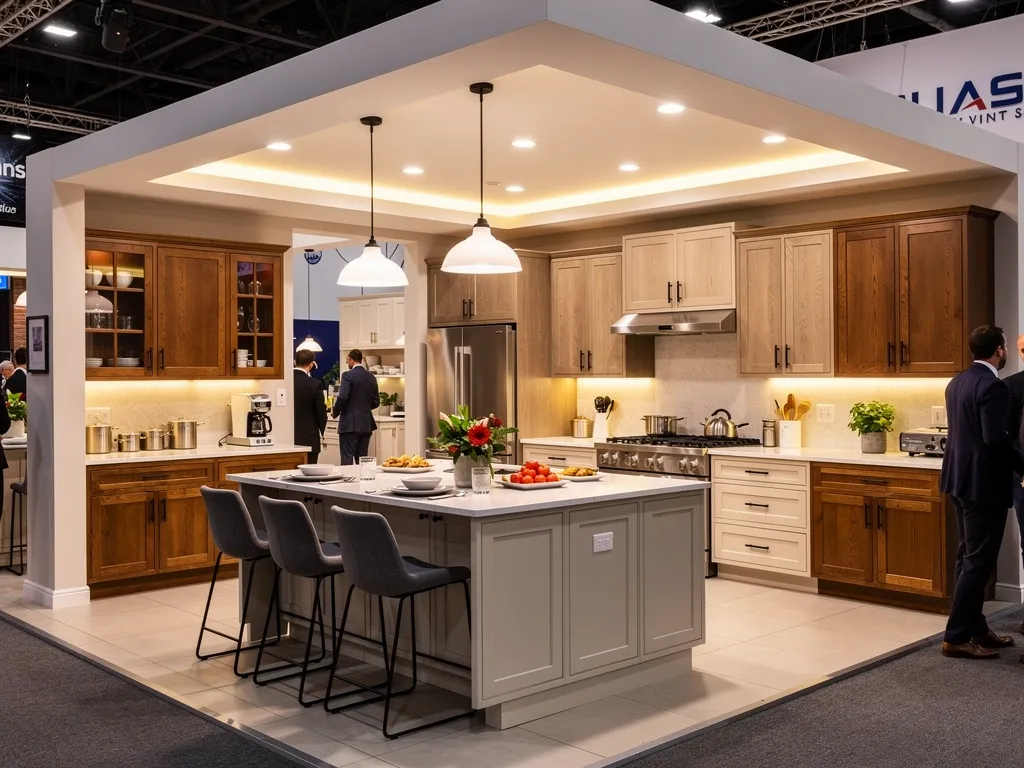
Purple Exhibits’ work on the award-winning Fabuwood booth at KBIS shows how design, storytelling and show-floor execution can work together.
Instead of presenting cabinetry in a traditional product display, the KBIS 2026 exhibit featured 13 fully designed lifestyle spaces, each with its own atmosphere, layout and soundtrack. The soundproofed, multi-room environment allowed visitors to experience how Fabuwood cabinetry could be used throughout an entire home—not only in the kitchen.
Purple Exhibits managed the project across design, fabrication, production, graphics, logistics, installation and on-site execution. The finished exhibit received the Best Booth on the Show Floor award for Best Large Booth at KBIS 2026.
The project demonstrated an important lesson: a memorable exhibit is not created by one feature alone. The structure, graphics, lighting, products, technology, sound, visitor flow and staff experience must all support the same central idea.
A beautiful booth attracts attention. A thoughtfully planned experience gives visitors a reason to enter, stay and remember the brand.
Lighting, Flooring and Furniture
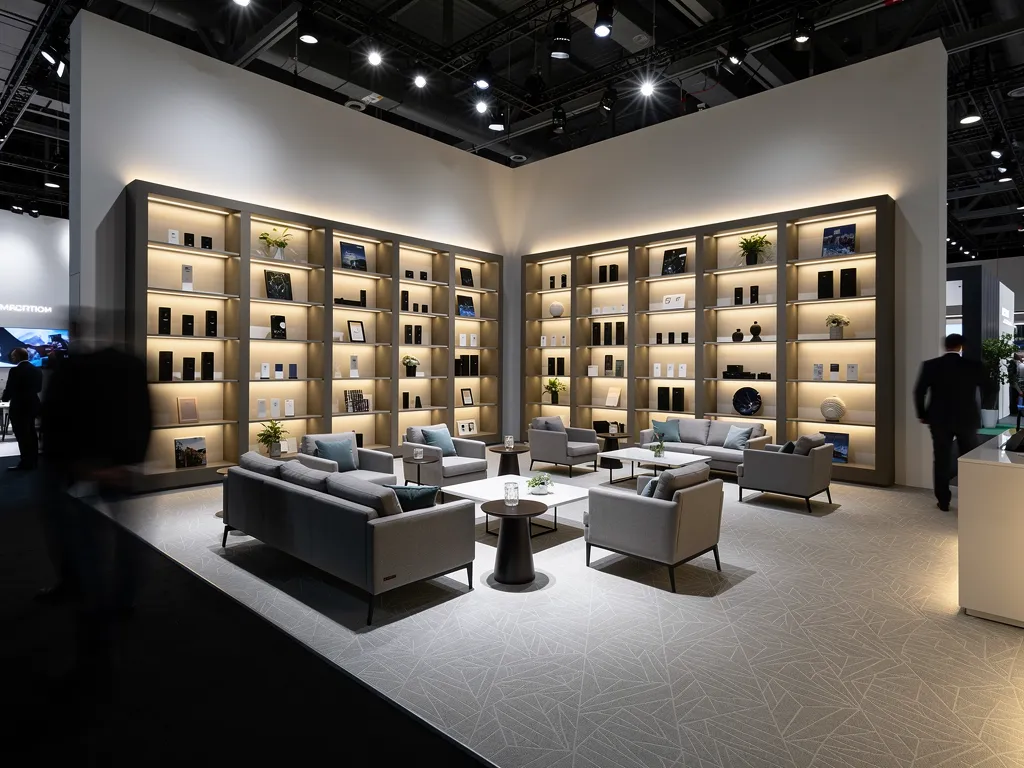
Lighting, flooring and furniture help determine how an exhibit feels.
Lighting
Lighting can:
Highlight product details
Create atmosphere
Define different zones
Improve graphics and photography
Guide attention toward featured products
Help the exhibit stand out from the aisle
Highlight product details
Create atmosphere
Define different zones
Improve graphics and photography
Guide attention toward featured products
Help the exhibit stand out from the aisle
Lighting requirements should be planned early because they can affect electrical orders, structural design and installation time.
Flooring
Flooring can:
Separate the booth visually from the aisle
Reinforce the brand through color or texture
Improve comfort for staff and attendees
Help define different areas within the exhibit
Support wiring or utilities when raised flooring is used
Separate the booth visually from the aisle
Reinforce the brand through color or texture
Improve comfort for staff and attendees
Help define different areas within the exhibit
Support wiring or utilities when raised flooring is used
Furniture
Furniture should match the purpose of each area.
Use counters for demonstrations, café seating for quick conversations, lounge furniture for hospitality and private seating for longer meetings. Furniture should look intentional and leave enough room for comfortable movement.
Audiovisual and Electrical Planning
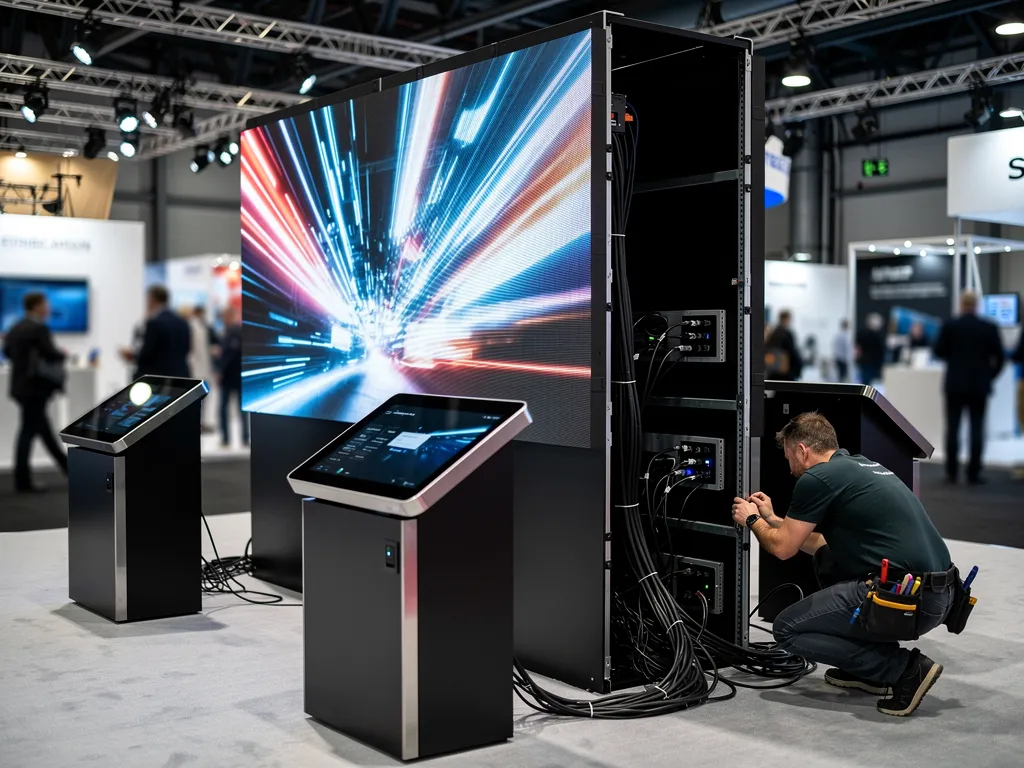
Audiovisual technology should strengthen the visitor experience rather than distract from the products.
Depending on the exhibit, this may include:
LED walls
Monitors and digital displays
Interactive product screens
Video presentations
Sound systems
Lighting controls
Charging stations
Laptops or tablets
Internet connections
Live product demonstrations
LED walls
Monitors and digital displays
Interactive product screens
Video presentations
Sound systems
Lighting controls
Charging stations
Laptops or tablets
Internet connections
Live product demonstrations
Map every power and data requirement onto the booth floor plan before submitting service orders.
Consider:
The location of electrical drops
Equipment power consumption
Cable management
Internet bandwidth
Screen visibility
Sound levels
Overnight power requirements
Backup equipment or technical support
The location of electrical drops
Equipment power consumption
Cable management
Internet bandwidth
Screen visibility
Sound levels
Overnight power requirements
Backup equipment or technical support
Waiting until move-in to solve electrical or AV requirements can lead to expensive changes and installation delays.
KBIS Shipping, Drayage and Material Handling
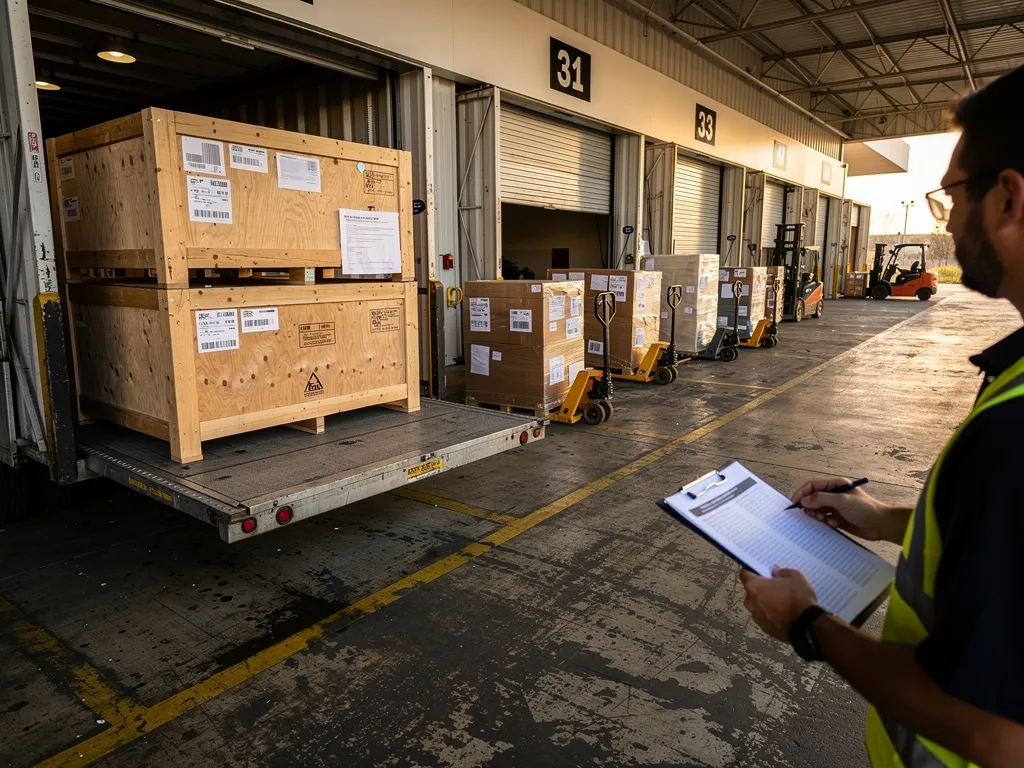
Getting an exhibit to the Las Vegas Convention Center safely and on schedule requires detailed planning.
Start by deciding whether your freight should ship to the advance warehouse or directly to the show site. The right choice depends on production timing, show schedules, freight rates and the official move-in plan.
Prepare for:
Proper crates and protective packaging
Accurate labels and booth information
A complete packing inventory
Carrier scheduling
Advance-warehouse or direct-to-show deadlines
Material-handling paperwork
Empty-crate storage
Return shipping after the show
Contingency time for transportation delays
Proper crates and protective packaging
Accurate labels and booth information
A complete packing inventory
Carrier scheduling
Advance-warehouse or direct-to-show deadlines
Material-handling paperwork
Empty-crate storage
Return shipping after the show
Contingency time for transportation delays
Shipping and drayage are related but different.
Shipping transports the booth materials to the destination.
Drayage, also called material handling, covers the movement of freight from the dock or advance warehouse to the booth space, storage of empty containers during the show and return of the freight after dismantle.
Every exhibitor receives a targeted freight move-in date, and current freight information is provided through the official KBIS Exhibitor Resource Center.
KBIS Booth Installation and Dismantle
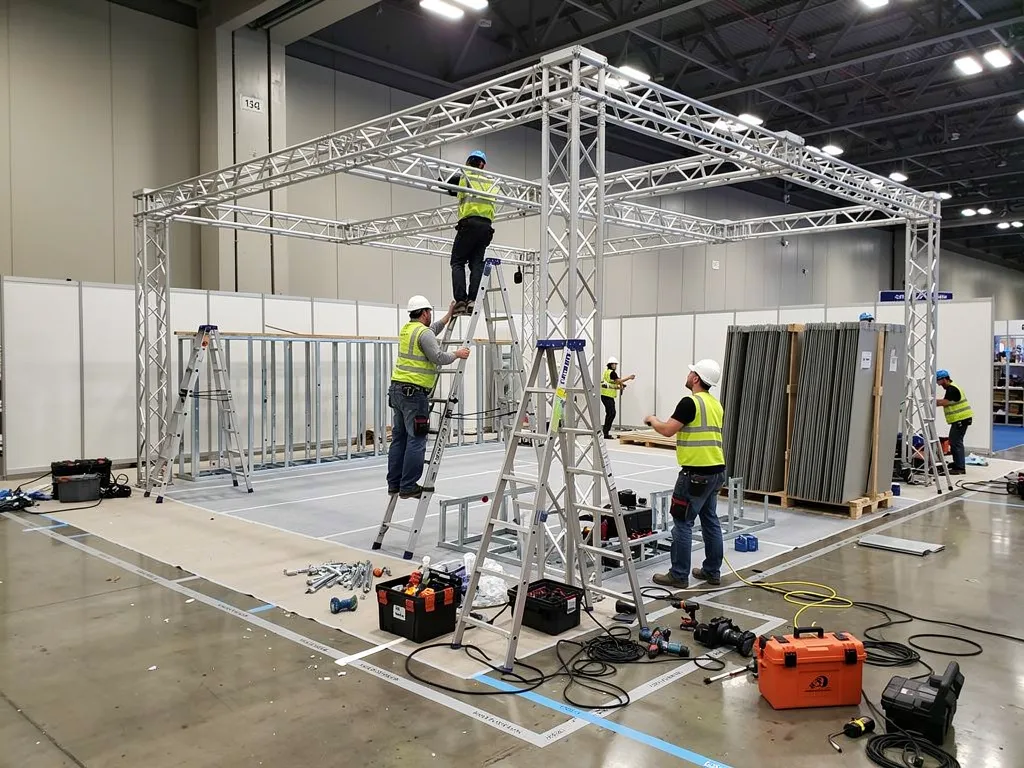
Installation and dismantle—commonly called I&D—is where the design becomes a real exhibit on the show floor.
A strong installation plan should specify the order of work, including:
Freight delivery and crate placement
Flooring installation
Structural assembly
Electrical and utility work
Graphics and signage
Lighting and audiovisual equipment
Product placement
Furniture and accessories
Cleaning and final inspection
Freight delivery and crate placement
Flooring installation
Structural assembly
Electrical and utility work
Graphics and signage
Lighting and audiovisual equipment
Product placement
Furniture and accessories
Cleaning and final inspection
Booths with several rooms, hanging signs, working products or complex technology may require several contractors to work in a specific order.
Confirm whether labor will be coordinated through the official show contractor, an approved Exhibitor Appointed Contractor or full-time employees of the exhibiting company, as permitted under the current KBIS rules. EACs are subject to notification and insurance requirements.
A dismantle plan is equally important. Reusable graphics, structures, AV equipment and furniture should be removed carefully, inspected, inventoried and repacked for storage or transportation to the next event.
One Team from Concept Through Dismantle
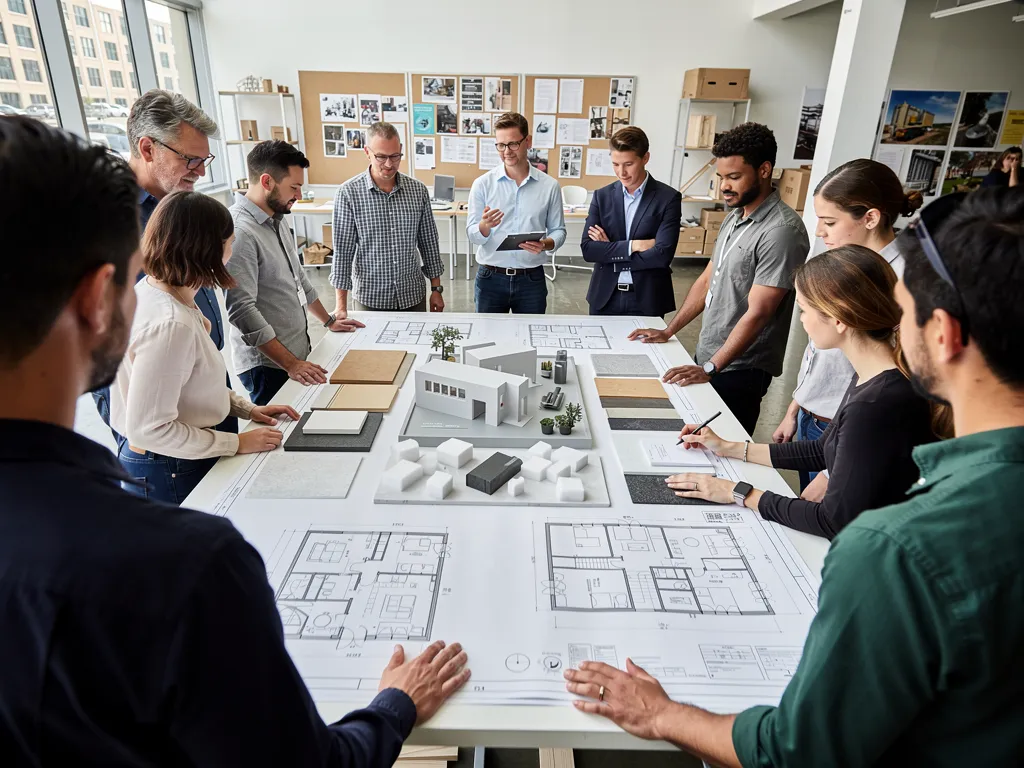
Working with many disconnected vendors can make a complex trade show project even harder to manage.
For exhibitors who prefer one point of contact, Purple Exhibits provides complete KBIS exhibit services, including:
Custom KBIS booth design
3D renderings and engineering
In-house fabrication
Exhibit rentals
SEG and custom graphics
Flooring, furniture and lighting
LED walls and audiovisual integration
Hanging signs and custom signage
Shipping and logistics
Installation and dismantle
On-site project supervision
Show-form and service coordination
Post-show storage and refurbishment
Custom KBIS booth design
3D renderings and engineering
In-house fabrication
Exhibit rentals
SEG and custom graphics
Flooring, furniture and lighting
LED walls and audiovisual integration
Hanging signs and custom signage
Shipping and logistics
Installation and dismantle
On-site project supervision
Show-form and service coordination
Post-show storage and refurbishment
When design, fabrication, shipping and installation are managed together, each decision can be made with the complete project in mind.
The result is clearer communication, stronger accountability and fewer last-minute surprises.
KBIS 2027 Exhibitor Forms, Services and Deadlines
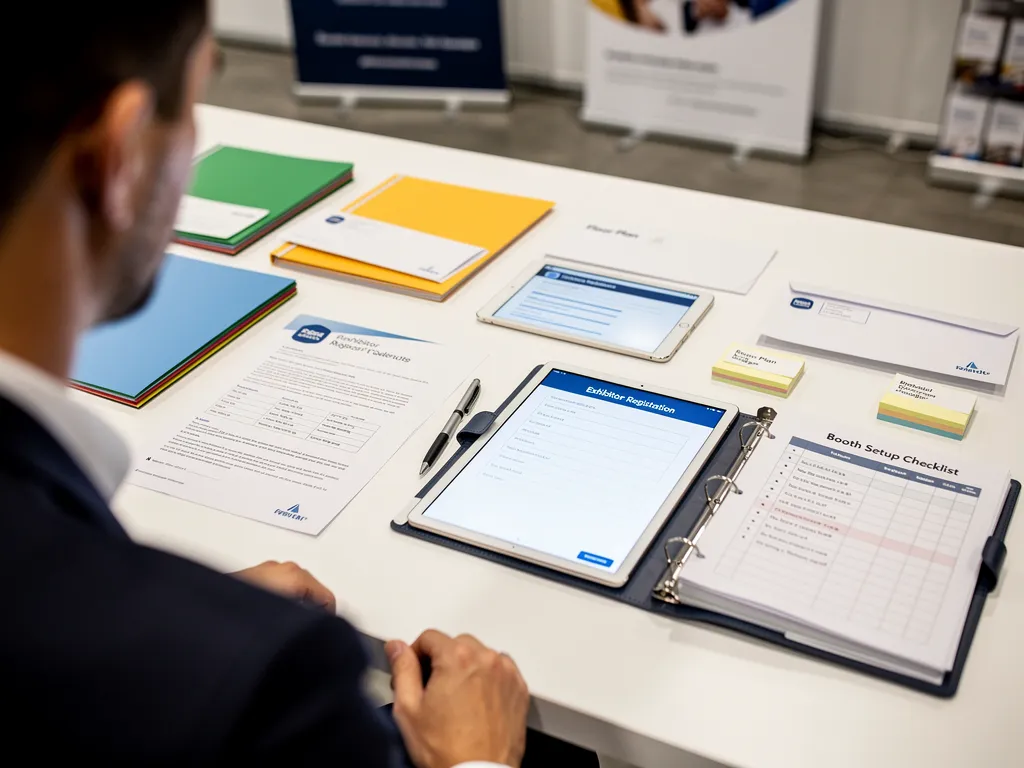
Show forms should never be treated as an afterthought.
Use the official KBIS Exhibitor Resource Center to monitor current guides, forms, service providers, freight information and critical deadlines. The resources may continue to change as the show approaches, so exhibitors should check the portal regularly.
Assign one person or exhibit partner to track:
Exhibitor profile information
Booth-regulation approvals
Insurance documents
EAC notifications
Electrical and utility orders
Internet services
Rigging and hanging signs
Flooring and furniture
Material handling
Cleaning
Lead retrieval
Booth security
Freight schedules
Installation labor
Dismantle and outbound shipping
Exhibitor profile information
Booth-regulation approvals
Insurance documents
EAC notifications
Electrical and utility orders
Internet services
Rigging and hanging signs
Flooring and furniture
Material handling
Cleaning
Lead retrieval
Booth security
Freight schedules
Installation labor
Dismantle and outbound shipping
Keep copies of every order, form, receipt and confirmation. Have digital and printed copies available during move-in.
Because requirements and service providers may change from one year to the next, always confirm current information through the official KBIS 2027 Exhibitor Resource Center rather than relying only on previous-show experience.
On-Site Supervision and Final Preparation
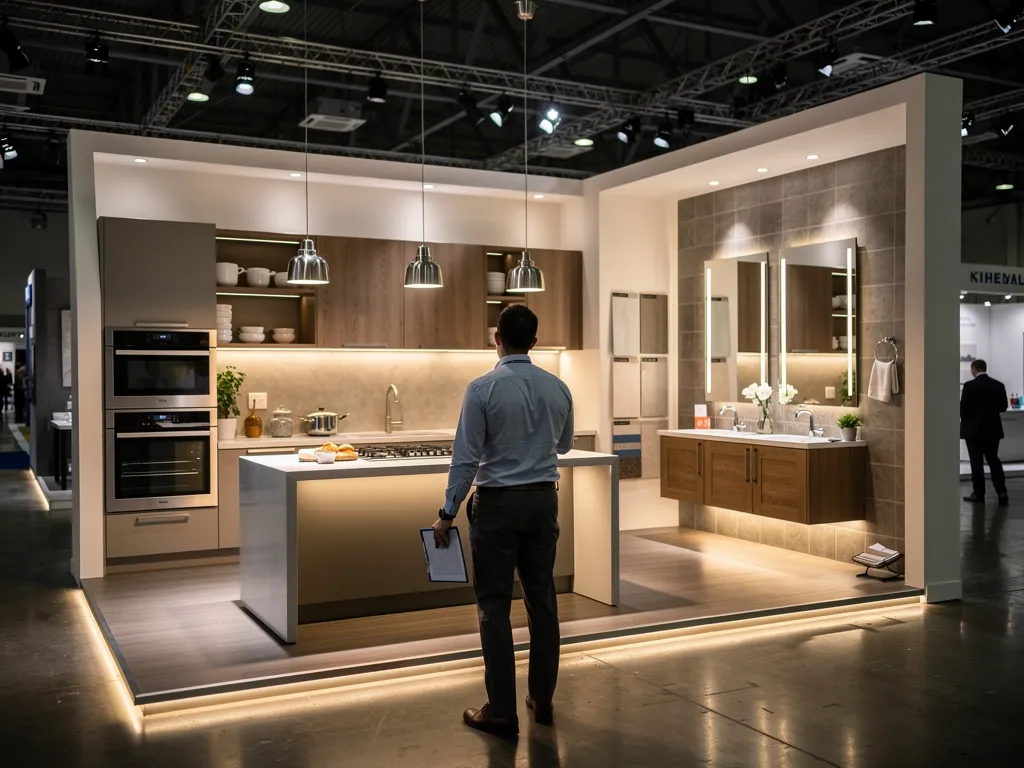
Even the best plan benefits from experienced on-site supervision.
Before the show opens, the supervisor should confirm:
The booth matches the approved design
Graphics are installed correctly
Lighting and AV equipment are working
Products are clean and positioned properly
Furniture and accessories are complete
Storage areas are organized
Electrical cords are safely managed
The exhibit is clean and ready for visitors
Missing or damaged items are addressed
Booth staff understand the layout and visitor experience
The booth matches the approved design
Graphics are installed correctly
Lighting and AV equipment are working
Products are clean and positioned properly
Furniture and accessories are complete
Storage areas are organized
Electrical cords are safely managed
The exhibit is clean and ready for visitors
Missing or damaged items are addressed
Booth staff understand the layout and visitor experience
During the show, the supervisor may also help coordinate cleaning, technical support, repairs and last-minute adjustments.
After the show, supervision helps ensure that dismantle follows the correct sequence and reusable booth components are protected.
Post-Show Storage and Asset Management
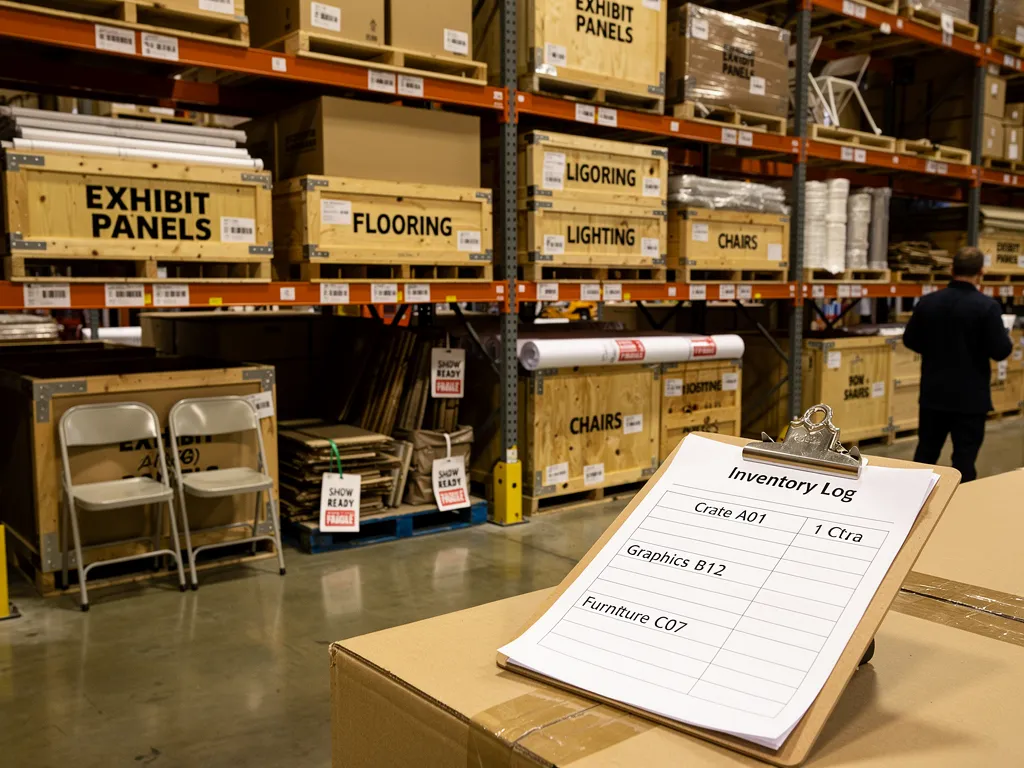
The project does not end when the show closes.
After dismantle:
Inspect structures, graphics and furniture for damage
Photograph any damaged or missing items
Update the booth inventory
Label crates clearly
Identify graphics that need reprinting
Schedule repairs or refurbishment
Confirm the storage location of every component
Review what worked and what should change
Record recommendations for the next show
Inspect structures, graphics and furniture for damage
Photograph any damaged or missing items
Update the booth inventory
Label crates clearly
Identify graphics that need reprinting
Schedule repairs or refurbishment
Confirm the storage location of every component
Review what worked and what should change
Record recommendations for the next show
Well-maintained booth components can often be reused or reconfigured, helping brands make more efficient use of their exhibit investment across several events.
The Complete KBIS 2027 Booth Planning Checklist
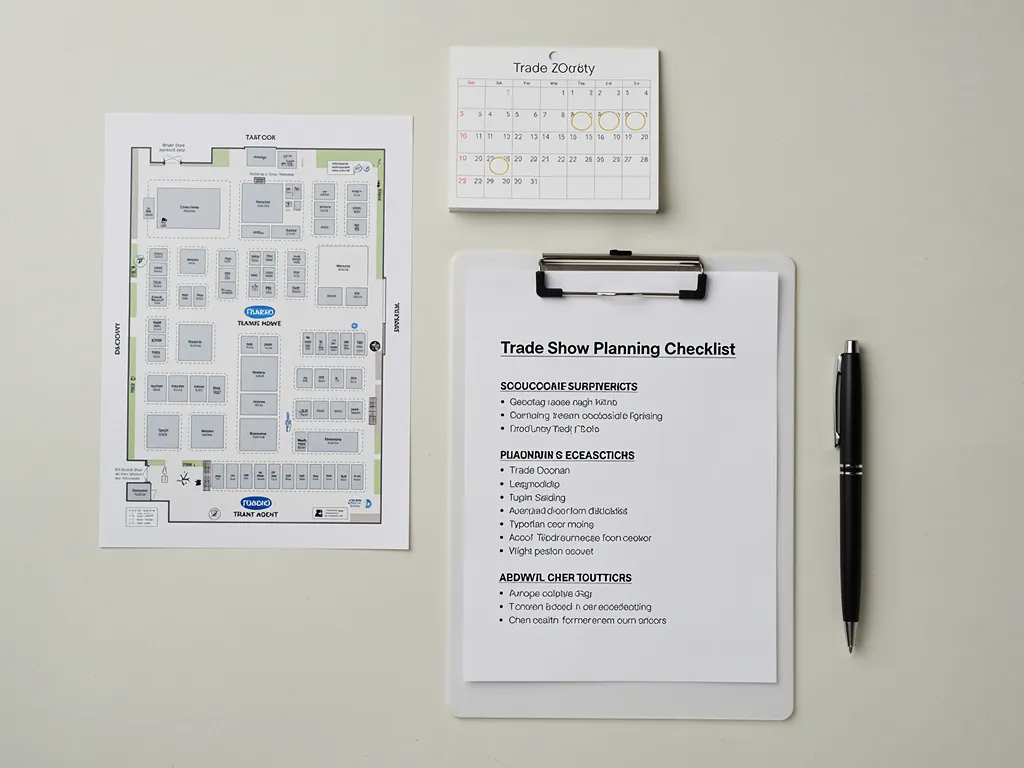
Use this checklist to track your progress:
Goals and Strategy
Define the primary goals for exhibiting at KBIS
Identify featured products and key messages
Determine how success will be measured
Plan lead capture and post-show follow-up
Define the primary goals for exhibiting at KBIS
Identify featured products and key messages
Determine how success will be measured
Plan lead capture and post-show follow-up
Budget
Set the complete project budget
Include design, fabrication, graphics and technology
Include shipping, drayage and labor
Include show services and utilities
Include storage and refurbishment
Reserve a contingency amount
Set the complete project budget
Include design, fabrication, graphics and technology
Include shipping, drayage and labor
Include show services and utilities
Include storage and refurbishment
Reserve a contingency amount
Design and Production
Confirm booth dimensions and location
Finalize the floor plan and visitor flow
Approve the creative design
Complete structural engineering
Approve materials and finishes
Approve graphic measurements and artwork
Confirm product-display requirements
Complete pre-show quality testing
Confirm booth dimensions and location
Finalize the floor plan and visitor flow
Approve the creative design
Complete structural engineering
Approve materials and finishes
Approve graphic measurements and artwork
Confirm product-display requirements
Complete pre-show quality testing
Show Services
Review current KBIS exhibitor resources
Submit required insurance documents
Complete EAC forms when applicable
Order electrical and utilities
Order internet and lead retrieval
Confirm rigging or hanging-sign requirements
Arrange furniture, flooring and cleaning
Review current KBIS exhibitor resources
Submit required insurance documents
Complete EAC forms when applicable
Order electrical and utilities
Order internet and lead retrieval
Confirm rigging or hanging-sign requirements
Arrange furniture, flooring and cleaning
Logistics and Installation
Choose advance-warehouse or direct-to-show shipping
Confirm the targeted freight move-in date
Prepare labels and packing inventories
Schedule installation and dismantle labor
Create a detailed installation sequence
Assign an on-site supervisor
Prepare outbound shipping documents
Choose advance-warehouse or direct-to-show shipping
Confirm the targeted freight move-in date
Prepare labels and packing inventories
Schedule installation and dismantle labor
Create a detailed installation sequence
Assign an on-site supervisor
Prepare outbound shipping documents
Final Show Preparation
Train the booth staff
Test all AV and electrical equipment
Clean products and displays
Confirm literature and promotional materials
Review lead-capture procedures
Complete the final booth inspection
Train the booth staff
Test all AV and electrical equipment
Clean products and displays
Confirm literature and promotional materials
Review lead-capture procedures
Complete the final booth inspection
Post-Show
Inspect all booth components
Record damaged or missing items
Update the stored inventory
Schedule repairs or graphic reprints
Review results with the sales and marketing teams
Document improvements for the next show
Inspect all booth components
Record damaged or missing items
Update the stored inventory
Schedule repairs or graphic reprints
Review results with the sales and marketing teams
Document improvements for the next show
Frequently Asked Questions
When and where is KBIS 2027?
KBIS 2027 will take place February 2–4, 2027, in Las Vegas, Nevada. The show will again be held alongside the International Builders’ Show as part of Design & Construction Week.
When should we start planning our KBIS 2027 booth?
Begin as soon as your booth space and business goals are confirmed. Large custom exhibits require time for design, revisions, engineering, fabrication, graphics, shipping and installation planning. Starting early provides more creative flexibility and reduces last-minute pressure.
Should we build a custom KBIS booth or rent one?
The right option depends on your goals, budget, booth size and future exhibit schedule.
A custom booth offers greater control over architecture and brand storytelling. A rental or hybrid exhibit may provide more flexibility. Both approaches still require careful planning for graphics, products, logistics, utilities and installation.
What is the difference between shipping and drayage?
Shipping moves your exhibit freight to the convention center or advance warehouse. Drayage moves that freight from the dock or warehouse to your booth, stores the empty crates during the show and returns the freight after dismantle.
Can exhibitors install their own KBIS booth?
According to the official KBIS FAQ, exhibitors may use full-time employees of the exhibiting company to set up and dismantle their booth. Exhibitor Appointed Contractors must meet current notification and insurance requirements. Always confirm the latest rules before scheduling labor.
What should we do with the booth after KBIS?
Inspect every structural component, graphic, piece of furniture and technology item before storage. Update the inventory, document damage and schedule repairs early so the exhibit is ready for the next event.
Planning Your KBIS 2027 Exhibit?
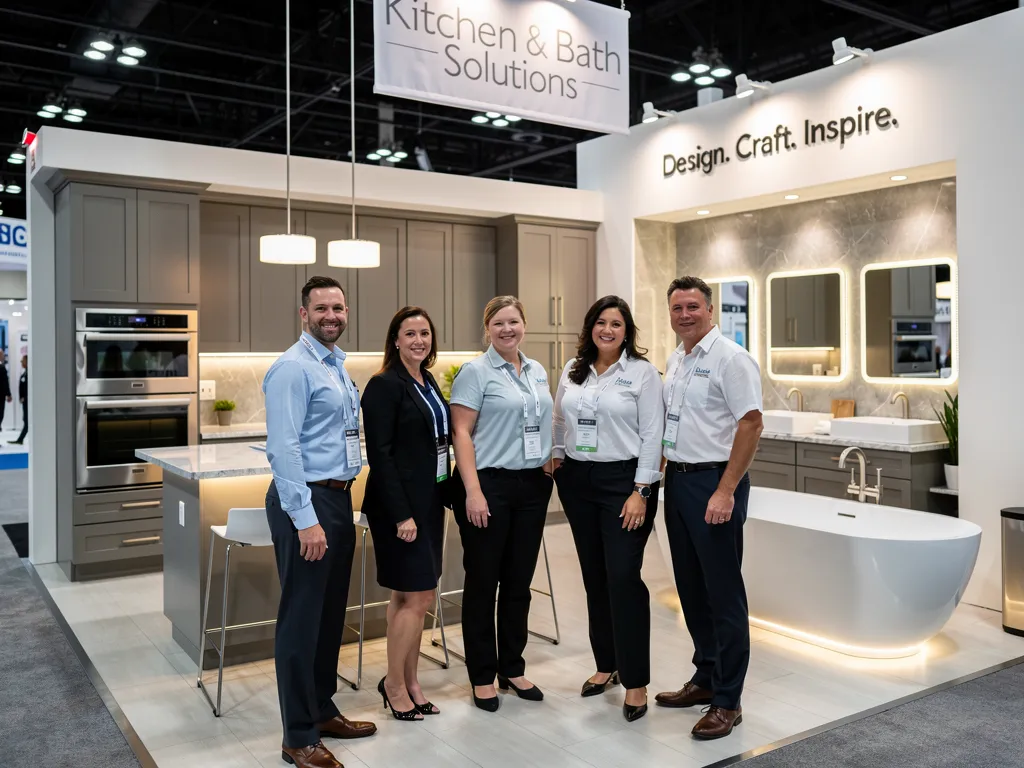
A successful KBIS booth requires more than an attractive design.
It requires strategy, engineering, fabrication, graphics, technology, shipping, labor and on-site execution to work together as one complete project.
Purple Exhibits manages the process from the first idea through final dismantle, helping exhibitors arrive ready to introduce products, meet customers and make the most of KBIS.
JUST SHOW UP. We’ll handle the rest.
Planning Your KBIS 2027 Exhibit?
Purple Exhibits provides complete KBIS booth design, fabrication, graphics, shipping, installation, dismantle, on-site supervision and post-show storage.
Explore our KBIS 2027 exhibit services, or see how Purple Exhibits delivered an award-winning booth at KBIS.
JUST SHOW UP. We’ll handle the rest.