

The SEMA Show is one of the most important events for businesses working in the automotive aftermarket industry. It brings together manufacturers, distributors, retailers, automotive professionals, innovators, and enthusiasts from across the industry.
For businesses exhibiting at the show, simply booking booth space is only the beginning. To make the most of the opportunity, you need a well-planned strategy covering SEMA Show exhibit design, branding, product presentation, lead generation, staff preparation, logistics, and post-show follow-up.
Whether you’re launching a new automotive product, demonstrating technology, meeting buyers, or strengthening your brand presence, proper preparation can help you turn the SEMA Show into a valuable business opportunity.
Why Should Your Business Exhibit at the SEMA Show?
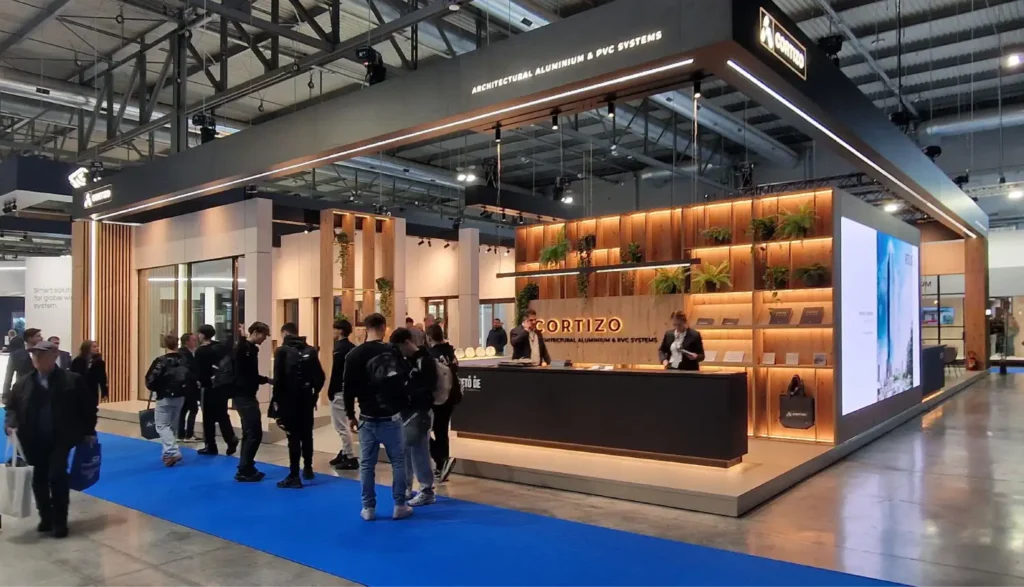
The SEMA Show provides an environment where automotive businesses can connect directly with industry professionals and potential customers.
Exhibiting can help your business:
- Showcase new automotive products
- Demonstrate innovative technologies
- Generate qualified leads
- Meet distributors and retailers
- Build industry partnerships
- Strengthen brand recognition
- Connect with existing customers
- Create new sales opportunities
- Gather market and competitor insights
However, competition for attention can be intense. Your brand needs to stand out visually while giving visitors a compelling reason to stop and engage.
Start Your SEMA Show Planning Early
One of the biggest mistakes exhibitors make is waiting too long to begin planning.
A successful SEMA Show booth can require several stages, including design, approvals, fabrication, graphics, product preparation, shipping, installation, staffing, and marketing.
Starting early gives you more time to:
- Define your objectives
- Select your booth concept
- Develop graphics and messaging
- Plan product demonstrations
- Coordinate booth construction
- Prepare marketing materials
- Arrange shipping and logistics
- Schedule meetings
- Train your booth staff
- Develop pre-show promotions
Early planning also gives you room to make changes without putting unnecessary pressure on your team.
Define What You Want to Achieve
Before designing your booth, decide what success looks like.
Are you primarily focused on launching a product? Generating leads? Meeting distributors? Increasing brand awareness? Demonstrating technology?
Your objectives should influence your booth design and visitor experience.
For example, an automotive technology company launching a new product may want a prominent product demonstration zone. A parts manufacturer focused on distributor relationships may need comfortable meeting spaces. A brand seeking maximum visibility may prioritize strong graphics and an open, highly accessible layout.
When your SEMA Show exhibit design starts with a clear goal, it becomes easier to determine which elements deserve the most attention.
Create a Standout SEMA Show Booth Design
Your booth is often the first interaction attendees have with your brand.
A professional SEMA trade show booth design should attract attention from the aisle while making it easy for visitors to understand what your company offers.
Consider incorporating:
- Strong brand messaging
- High-impact graphics
- Product displays
- Vehicle or equipment showcases
- Demonstration areas
- Digital screens
- Interactive technology
- Reception areas
- Meeting spaces
- Storage solutions
- Effective lighting
The goal isn’t simply to build the biggest booth. It is to create a purposeful environment that supports your business objectives and encourages visitors to engage.
Make Your Products the Center of Attention
The automotive aftermarket is highly visual. Products, vehicles, components, accessories, and technology can become powerful attractions when presented correctly.
If you’re showcasing a new product at SEMA, consider how visitors will experience it.
Can they see it clearly from the aisle? Can your team demonstrate it? Is there enough room for visitors to explore it? Can they quickly understand its key benefits?
A thoughtful product presentation can help turn your booth into an experience rather than simply a display.
Use Graphics to Tell Your Brand Story
Your booth graphics should communicate your message quickly.
Trade show attendees don’t always have time to read lengthy descriptions. Use large, easy-to-understand messaging to communicate your primary value proposition.
Effective SEMA booth graphics can highlight:
- Your company name and logo
- Product categories
- New product announcements
- Key benefits
- Technology
- Industry applications
- Brand differentiators
- Calls to action
A simple messaging structure can help:
Who You Are → What You Offer → Why It Matters → What Visitors Should Do Next
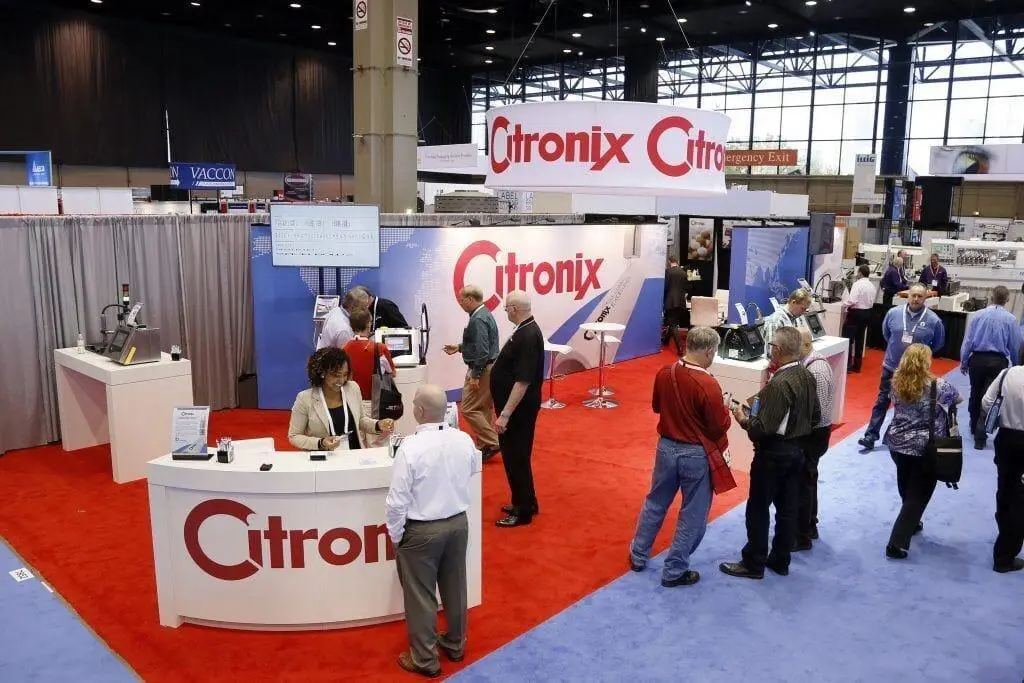
This creates a clear path from initial awareness to engagement.
Create an Engaging Visitor Experience
A successful SEMA exhibit should give attendees something worth experiencing.
Depending on your business, this could include:
- Product demonstrations
- Interactive displays
- Touchscreen presentations
- Product videos
- Vehicle showcases
- Technical demonstrations
- Digital catalogs
- Live presentations
- QR code experiences
Technology can be useful, but it shouldn’t be added just for visual effect. Every interactive element should make your products easier to understand or encourage visitors to take the next step.
Design a Comfortable Space for Business Meetings
SEMA is a valuable networking opportunity. Many conversations that begin on the show floor can develop into serious business discussions.
Your booth should provide an environment where those conversations can continue comfortably.
Depending on your booth size, consider:
- Open meeting tables
- Semi-private seating
- Private meeting rooms
- Consultation areas
- Hospitality spaces
If you’re expecting distributors, retailers, buyers, or business partners, dedicated meeting areas can help your team have more focused conversations away from the busiest parts of the show floor.
Consider Custom or Modular Exhibit Solutions
The right exhibit structure depends on your business, booth size, objectives, and event schedule.
A custom trade show booth can give you greater freedom to create a distinctive environment built around your products and brand.
For businesses attending several automotive and industry events, a modular trade show exhibit may offer greater flexibility. Modular systems can be adapted to different booth sizes while allowing you to update graphics, messaging, and product presentations.
Consider your long-term exhibiting strategy before choosing an exhibit format.
Plan Your Trade Show Technology
Technology can help your SEMA booth stand out and provide additional ways to communicate with visitors.
Depending on your needs, you may consider:
- LED video walls
- Digital product presentations
- Interactive touchscreens
- Product demonstration displays
- Digital catalogs
- QR codes
- Lead capture systems
- Social media displays
The key is to make technology useful.
For example, an interactive display could allow visitors to explore product specifications, compare solutions, watch an installation demonstration, or request additional information.
Don’t Overlook Lighting
Lighting is sometimes treated as a finishing touch, but it can significantly influence how your exhibit looks and feels.
Strategic lighting can help draw attention toward:
- Featured products
- Brand messaging
- Product displays
- Demonstration areas
- Reception counters
- Meeting spaces
Good lighting can also improve the appearance of product photography and social media content captured at your booth.
Prepare Your Booth Staff
Your booth design may attract visitors, but your team turns those visits into conversations and opportunities.
Before the SEMA Show begins, make sure your staff understands:
- Your primary objectives
- Key product messages
- Target audiences
- Product demonstrations
- Lead qualification criteria
- Meeting schedules
- Follow-up responsibilities
Avoid having staff members spend the entire show looking at their phones or waiting behind counters.
Encourage your team to welcome visitors naturally, ask useful questions, listen to their needs, and provide relevant information.
Build a Pre-Show Marketing Strategy
Don’t wait until the show begins to promote your participation.
Create awareness before attendees arrive.
Your pre-show marketing can include:
- Email campaigns
- Social media announcements
- Product launch teasers
- Booth number promotions
- Meeting invitations
- Website banners
- Blog content
- LinkedIn updates
- Personalized outreach
If you have an important product launch or demonstration planned, give potential visitors a reason to add your booth to their SEMA itinerary.
Think About Lead Generation Before the Show
Your booth should make it easy to capture and organize visitor information.
Consider how your team will identify and categorize leads.
You might capture information such as:
- Name and company
- Job role
- Product interest
- Purchase timeline
- Business requirements
- Follow-up preferences
Digital lead capture can make this process more organized, but your team should also know which questions to ask during conversations.
The goal is not to collect the largest number of contacts. It is to identify the visitors most likely to become valuable business opportunities.
Plan Logistics, Shipping, and Installation
Your booth needs to arrive at the show in the right condition and on schedule.
Depending on your exhibit, logistics may involve:
- Booth components
- Graphics
- Product samples
- Automotive parts
- Demonstration equipment
- Furniture
- Technology
- Promotional materials
Work with your exhibit partner and logistics providers early to coordinate shipping and material handling requirements.
Professional trade show booth installation and dismantling can also help your team avoid unnecessary setup challenges.
Work With an Experienced Exhibit Partner
Preparing for the SEMA Show involves many moving parts. Working with an experienced exhibit company can make the process more manageable.
A full-service exhibit partner can potentially assist with:
- Exhibit strategy
- Custom booth design
- 3D visualization
- Exhibit fabrication
- Graphics
- Lighting and AV
- Product display planning
- Shipping and logistics
- Installation and dismantling
- On-site coordination
- Storage
Having these services coordinated through one experienced team can help maintain consistency from the first design concept through the final show-floor experience.
Don’t Forget Your Post-Show Strategy
Your SEMA strategy shouldn’t end when the show closes.
One of the biggest opportunities can come after the event when your team follows up with the people who visited your booth.
Create a follow-up process before the show begins.
Organize leads according to priority and interest, then provide relevant information based on each conversation.
Your follow-up may include:
- Personalized emails
- Product information
- Pricing details
- Meeting invitations
- Demonstration requests
- Sales calls
- Distributor discussions
Fast and relevant follow-up can help turn trade show conversations into long-term relationships.
Measure Your SEMA Show Results
After the event, evaluate what worked.
Useful metrics may include:
- Total booth visitors
- Qualified leads
- Meetings held
- Product demonstrations
- Sales opportunities
- Distributor inquiries
- Social media engagement
- Follow-up meetings
- Revenue influenced by the event
Reviewing these results can help you understand your return on investment and improve your strategy for future trade shows.
Get Your Business Ready for the SEMA Show
Preparing for the SEMA Show requires more than creating an attractive booth. Your SEMA Show exhibit design, product presentation, branding, staff, technology, marketing, logistics, and follow-up strategy should all work together.
Start early, define your goals, understand your audience, and design your booth around the experience you want visitors to have.
With the right planning and professional exhibit support, your business can create a SEMA presence that attracts attention, showcases your products, encourages meaningful conversations, and supports long-term growth.
The SEMA Show is your opportunity to put your brand in front of the automotive aftermarket industry. Make every square foot of your exhibit count.