

01
Asking for free designs
A free rendering shows how hard a company will work to win you, not how they’ll work once they have you.
Do this insteadWalk through a real past project from brief to show floor. Pay your winner to design properly.

Anyone can pitch a booth.
The right partner delivers it, show after show.
How to choose a trade show exhibit company with a short RFI that tests people, process and proof, not slide decks.
To choose a trade show exhibit company, send a short RFI of 20–30 questions to 4–6 companies, score the answers on five areas (People, Process, Craft, Flexibility and Proof), call two references for each of your top three, and meet the people who’ll actually work on your account before you sign. It takes about four weeks.
Work through it in order, or jump to the part your team needs most.
An exhibit RFI (request for information) is a short document you send to exhibit companies to learn who they are, how they work and what they can prove, so you can build a shortlist before asking anyone for designs or prices.
The one rule of this workshop: if they can’t prove it, score it like they didn’t say it.
| Item | RFI | RFP | RFQ | Spec design |
|---|---|---|---|---|
| You ask for | People, process, proof | A solution + price for one project | A price for a defined item | Free booth concepts |
| It tells you | Who’s best to work with all season | Who has the best plan for this project | Who’s cheapest for the same spec | Who pitches best |
| Your effort | Low | Medium | Low | High |
| Use it | First, to shortlist 2–3 | Second, with your shortlist | For simple repeat orders | Rarely, and paid if you do |
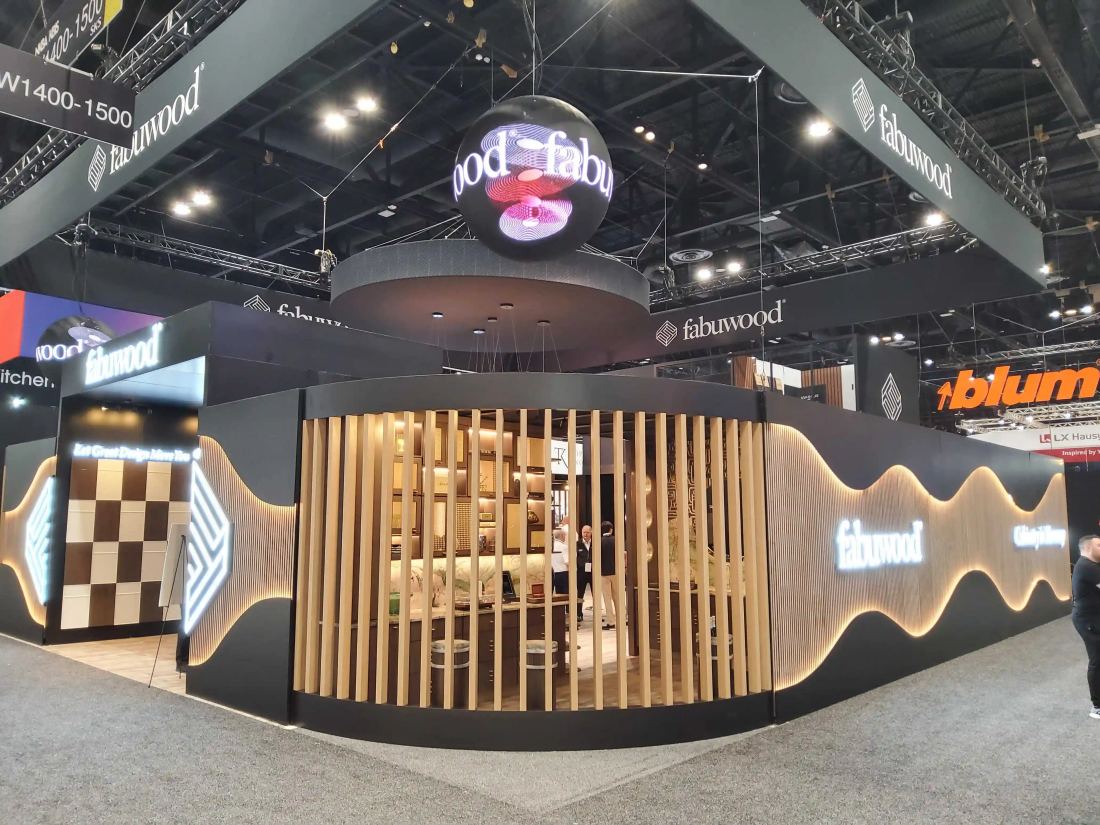
Every one of these started as a brief. What made them work on the floor was the team behind them: the people, the process and the follow-through you’re about to test.


Each one quietly tilts the result toward whoever sells hardest, not whoever delivers best.
A free rendering shows how hard a company will work to win you, not how they’ll work once they have you.
Do this insteadWalk through a real past project from brief to show floor. Pay your winner to design properly.
Giant questionnaires get copy-pasted marketing answers. Every response looks the same.
Do this insteadAsk 20–30 sharp questions. Start with the 25 below and cut what doesn’t fit.
Without a range, vendors guess. Some lowball to win, others pad. Answers stop being comparable.
Do this insteadShare a range and ask: “What would you do with this, and what wouldn’t you?”
A big company isn’t a big team on your account. You might get one overloaded project manager.
Do this insteadScore the specific people assigned to you, and how much of their time you’ll get.
Start four to six months before your first show with a new partner. Rushed searches end with whoever’s available, not whoever’s right.
One to two pages about your program (checklist below). Choose 4–6 companies to invite.
Allow 10 business days. Offer each vendor one 20-minute call so everyone hears the same thing.
Everyone scores alone first, then compare. Call two references for each of your top three.
Meet the people who’d work on your account, not the sales lead. Decide, or send an RFP to your top two.
Vendors can only give honest answers to an honest brief. Tick off each part as you write it.
Grouped into five lenses. Open any question to see why it matters and what a green-flag and red-flag answer sound like.
Who actually does the work, and how much of their time you’ll really get.
Your experience depends on this one person far more than on the company’s size.
Green flagA named person you can meet before signing, with a workload that leaves room for you.
Red flag“Our team will take care of you.” No names, or a salesperson who disappears after the contract.
Shows don’t move when people get sick or go on vacation.
Green flagA named backup who already knows your account.
Red flag“We’ll figure it out,” or a long pause.
Most booth problems happen on the floor, in the hours before the show opens.
Green flagTheir own supervisor, or a named installation crew they’ve worked with for years.
Red flag“The labor company handles it,” with nobody from their side checking.
Some companies send their best people to win the work, then hand it off.
Green flagYes, and you can meet them now.
Red flagVague answers about “our design department.”
This shows how they behave under pressure, which is when you’ll need them most.
Green flagA specific recent story: what changed, what it cost, how it went.
Red flag“No problem, we can do anything!” with no process and no mention of cost.

How they get from your brief to a finished booth, and how they keep your budget honest.
A real process has real dates. A vague one means you’ll be the one chasing them.
Green flagA clear schedule with milestones and approval points.
Red flag“It depends,” with no example timeline.
Revision fees are where many budgets quietly grow.
Green flagA clear number of rounds and a written price for extras.
Red flag“As many as you need”… until the invoice arrives.
Every venue is different. Getting the rules wrong means fines, or a booth that can’t be built.
Green flagThey read each exhibitor manual and tell you early what’s allowed.
Red flag“The show handles that,” or no mention of exhibitor manuals.
You should never learn about extra costs from the final invoice.
Green flagLine-item estimates and written approval before extra work starts.
Red flagOne lump-sum number and “we’ll true it up after the show.”
Clear client deadlines protect you. Unclear ones get used later to explain delays.
Green flagA simple list of what they need from you, with dates.
Red flagNothing specific, which usually means the blame lands on you.
Build and graphics quality. Your booth is your brand at full size, so it has to look right up close.
Outsourcing is normal and fine. Not being honest about it isn’t.
Green flagAn honest breakdown, naming long-term production partners.
Red flagClaims that “everything is in-house” that don’t hold up.
Fabric, rigid panels and screens all show color differently. Mismatched colors look cheap.
Green flagPrinted color proofs before production, with target colors for every material.
Red flag“We’ll print the files you send us.”
Photos hide quality. A real sample shows the stitching, the edges and the color.
Green flagYes. They’ll send or bring samples.
Red flagOnly photos, or excuses.
Bad files make bad graphics: blurry images, cut-off text, wrong sizes.
Green flagA real check for resolution, bleed and sizing, plus a proof for you to approve.
Red flagNo file check. They print whatever arrives.
Damage happens in shipping. A replacement that doesn’t match is almost as bad as none.
Green flagA clear turnaround time, and saved color settings so reprints match.
Red flag“We’d have to reprint the whole set.”
Whether your booth and budget can grow, shrink and move as your show schedule changes.
The right answer depends on how often you exhibit. A partner should do that math with you.
Green flagAn answer based on your show count, with the numbers shown.
Red flagThey always push buying (or always renting), whatever you tell them.
Reconfigurable booths stretch one budget across more shows.
Green flagYes, with photos of real reconfigured booths.
Red flagA new build every time you change size.
These costs come back every show and can add up to more than the booth itself.
Green flagWritten monthly and per-show estimates up front.
Red flagStorage fees that only come up after you own the booth.
As programs grow, overlapping shows become a given.
Green flagA plan: duplicate kits, rentals to fill the gap, or splitting the booth.
Red flagSurprise at the question.
It’s your brand. You should own your design files and the assets you paid for.
Green flagYou keep your design files, graphic files and the booth you paid for.
Red flagYour files stay with them, or there are “release fees.”

Anyone can say the right things. Proof is what they can show you.
Similar programs have similar problems. You want proof they’ve solved yours.
Green flagA real, comparable client who will take your call.
Red flagOnly famous logos, and no one you can speak to.
Every company has bad days. What matters is how they handle them.
Green flagA real story, owned honestly, and what they changed afterwards.
Red flag“That’s never happened to us.”
If you can’t measure a show, you can’t defend the budget for the next one.
Green flagGoals agreed before the show and a simple report after it.
Red flagA folder of booth photos and nothing else.
Long relationships mean clients keep choosing them, show after show.
Green flagReal numbers, and they’re happy for you to call those clients.
Red flagA dodge, or only brand-new clients.
The most honest question in the RFI. Good partners know who they serve best.
Green flagA clear, honest answer about who they’re best for.
Red flag“We’re a great fit for everyone.”
Take all 25 questions with you, ready to send.
Eight yes/no questions about the company you work with now. Your grade tells you whether it’s time for an RFI.

A company doing two shows a year needs a different partner than one doing thirty.
1–3 SHOWS / YEARWeigh People highest
 4–10 SHOWS / YEAR
Weigh Flexibility highest
10+ SHOWS / YEARWeigh Process and Proof highest
Pick your program size to set the weights, or drag them yourself. Score each company 1–5 per lens using the guide under each lens. The radar shows where each one is strong or weak.
Score each company to see who leads.
Every company hands you happy references. These six questions get past the polite answers.
What’s the last thing that went wrong, and what did they do?Listen for how fast and how honestly it was fixed.
Has a final bill ever been higher than the quote? Did you know in advance?Invoice surprises are one of the most common frustrations.
Who do you talk to week to week? Has that person changed?Turnover on your account is a real cost to you.
How much of your own time does working with them take?A good partner takes work off your plate.
Did the booth on the show floor look like the design?Ask about colors, fit and finish, especially graphics.
Would you hire them again if you were starting over?Listen to the pause before the answer.
In plain English. For the full list, see our trade show glossary.
Send a short RFI of 20–30 focused questions to 4–6 exhibit companies. Score their answers on People, Process, Craft, Flexibility and Proof. Call two references for each of your top three, meet the people who’d actually work on your account, then decide. It takes about four weeks.
An RFI screens companies on people, process and proof so you can build a shortlist. An RFP asks that shortlist for a specific solution and price. Run the RFI first, then send an RFP to your top two or three.
Usually not. A free design shows how hard a company works to win you, not how it works across a show season. Pay your chosen partner to design with your full brief.
About 20–30. Long questionnaires get copy-pasted marketing answers. Fewer, sharper questions get real answers you can compare.
About four weeks. Start four to six months before your first show with the new partner.
Yes, a range. Without it vendors guess, and their answers can’t be compared. Not sure of your range? Try our booth cost calculator.
Four to six. Narrow to two or three for reference calls and team meetings.
It depends on how often you exhibit. Companies doing only a few shows a year often save by renting or a hybrid, once storage and handling are counted. Frequent exhibitors often benefit from owning a reconfigurable booth.
No named account team, lump-sum pricing, storage fees revealed only after purchase, no physical graphic samples, keeping your design files if you leave, mismatched references, and claiming nothing has ever gone wrong.
Silicone edge graphics: dye-sublimated fabric with a silicone strip sewn around the edge that presses into an aluminum frame. They’re light, resist wrinkles and are easy to replace.
Including #25. We’ll answer in writing, introduce the people who’d actually work on your account, and tell you honestly if we’re not the right fit.
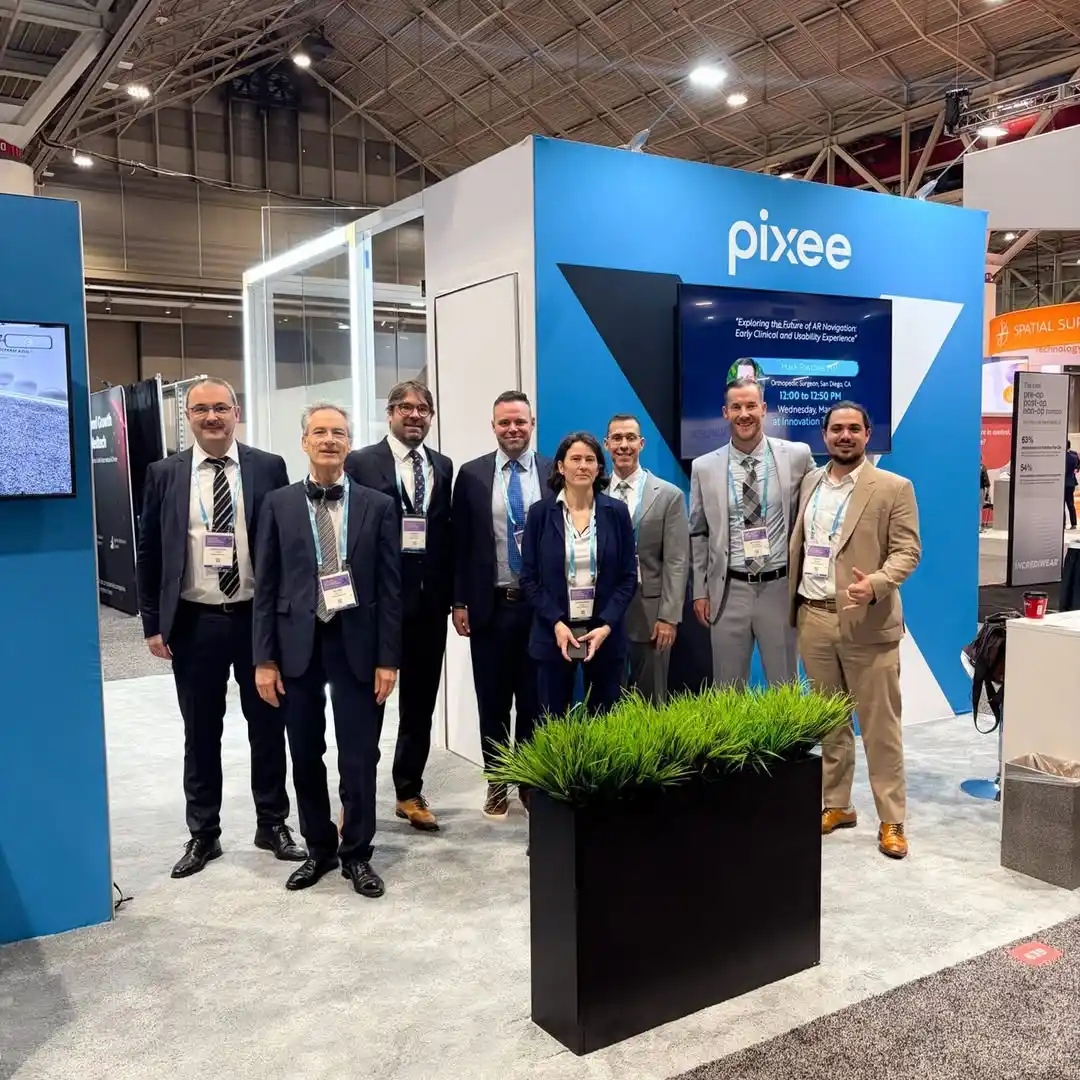
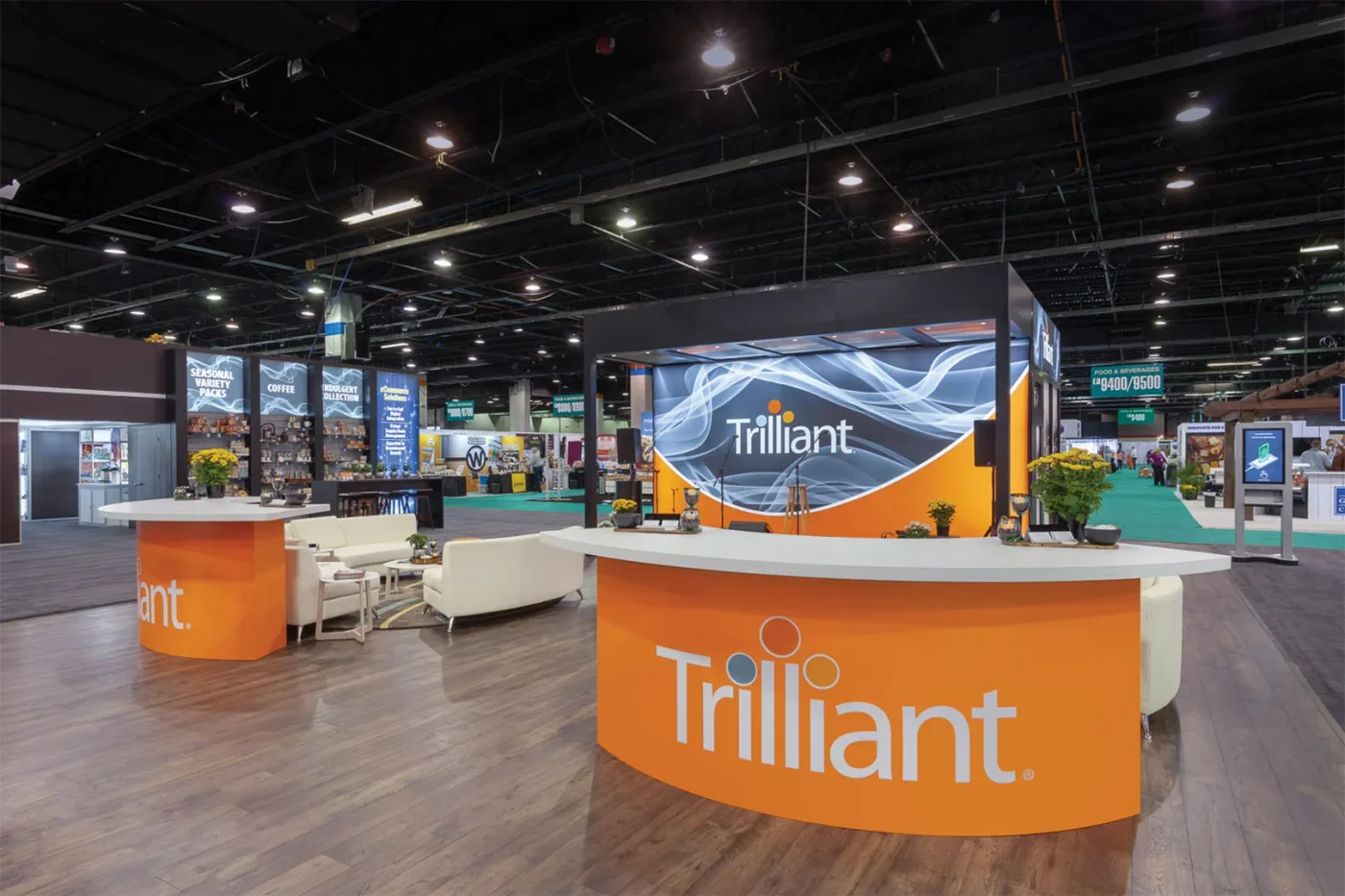
Written by the Purple Exhibits team from our day-to-day work designing, renting and managing trade show booths, and from the questions we wish more buyers asked us. It’s meant to help you choose well, even if you don’t choose us. All photos show Purple Exhibits projects: Fabuwood, Kleemann, SpecialtyRx, Amazon at the ESSENCE Festival, French Avenue, Trilliant, Pixee Medical, Machu Picchu and Shapoorji Pallonji. Download the template and scorecard freely; if you share this guide, please link back to this page.