
Purple Exhibits

The food protection forumKansas City / 2027

IAFP 2027 · Custom exhibit design & build Give the evidence room to be examined.

A food-safety exhibit should make a technical conversation easier to follow. At IAFP, organize the display around a practical workflow, show where the product belongs, and keep the supporting evidence within reach of the specialist explaining it.

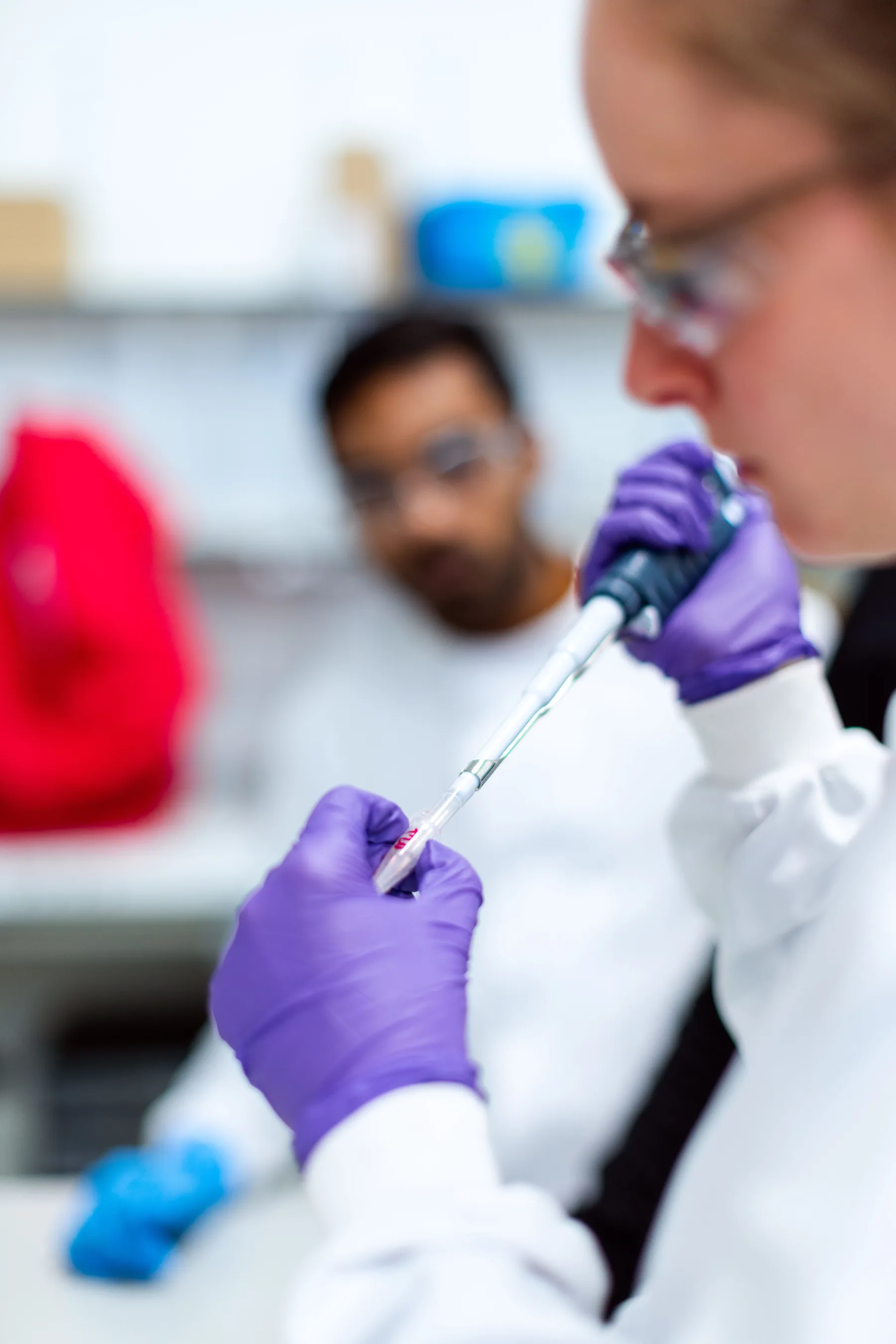
A woman scientist uses a pipette at a laboratory workstation.
Laboratory workflow reference; not IAFP event photography. Photo: ThisIsEngineering · Pexels License
Exhibit focusAnalytical workflowsInstrument inspectionSpecialist conversations
Full eventJuly 18–21, 2027
Exhibit hallJuly 18–20, 2027
Kansas CityKansas City Convention Center
Official show ↗

A show-specific perspective

Connect a product to the question behind it

IAFP confirms its 2027 Annual Meeting at Kansas City Convention Center on July 18–21, with exhibits July 18–20 in the linked prospectus. The meeting brings together the food-protection community across industry, education and government. A useful booth accommodates different levels of inquiry: a quick introduction, a closer product discussion and a longer examination of evidence. The following recommendations concern exhibit communication and layout, not food-safety procedures.

Find your product story

DESIGN NOTES / 01

Design an evidence station people can actually read

Scientific credibility is difficult to communicate through distant fine print. Reserve the prominent graphic for a clear application and product role, then provide readable technical material closer to the conversation. Charts should retain their labels, units, context and source. If a figure cannot be understood at the intended viewing distance, it belongs in a closer screen view or a document that the visitor can examine with a specialist.

Build the information hierarchy with the technical team before the graphics are finalized. Decide which statements require qualification and which documents support them. Assign ownership for content approval and record the version used in the booth. This avoids having a polished headline, a detailed screen and a take-away sheet describe different configurations or imply different levels of evidence.

Exhibit concept

One workflow, three depths of conversation

Design a clear route from a recognizable food-safety question to the instrument, service or software that addresses a defined part of the workflow. Give visitors control over how deeply they engage, while keeping the scientific story consistent at every station.

  1. Identify the relevant context

    Open with the food category, facility setting or analytical question your team is equipped to discuss. A concise application statement helps a visitor recognize relevance without reading an entire scientific poster. Avoid implying that one method or product is appropriate for every matrix, facility or decision.

  2. Locate the product in the workflow

    Use a legible sequence to distinguish the product's role from surrounding activities. A physical instrument can sit beside a simplified process graphic, with manufacturer-approved demonstration materials. The purpose is orientation: show what the visitor is looking at before introducing performance data, accessories or configuration options.

  3. Make evidence accessible

    Provide a nearby screen or document station for approved technical information. Staff should be able to identify the source, version and relevant context of a claim without leaving the conversation. Use separate views for overview content and detailed results so neither audience has to struggle through the wrong level of detail.

  4. Define the next technical exchange

    Offer a clear route to an application discussion, documentation request or evaluation conversation. Capture the question that needs an answer and the appropriate specialist to provide it. Do not turn an initial booth discussion into an unsupported promise about suitability, validation or regulatory acceptance.

Built around what you bring

Display the work without recreating a laboratory

01

Analytical instruments

Show the instrument at a practical viewing height with sufficient access to the features the product team intends to explain. Account for accessories, cables and demonstration materials in the layout. Obtain requirements from the manufacturer; an attractive countertop is not a substitute for a suitable support or operating environment.

02

Sampling and consumables

Arrange a curated set in a consistent sequence with clear identifiers. Keep display samples separate from distributed materials and from any items used during demonstrations. The exhibit should explain product relationships and packaging without providing improvised operational instructions or inviting visitors to handle unsuitable materials.

03

Software and traceability tools

Build a short scenario using approved demonstration data. A visitor should be able to follow the path from an input or observation to the information a user reviews. Position a second screen or tablet for detailed questions if one large display would force every visitor into the same presentation.

04

Testing and advisory services

Use an application map and an understandable engagement process to make an intangible service visible. Explain what information the team needs to begin a discussion and which specialist will respond. Keep proposed scope, turnaround statements and quality claims within the service provider's approved current materials.

A smiling woman scientist in a lab coat holds laboratory glassware and a pipette.
Scientific professional reference; not IAFP event photography.Photo: Kindel Media · Pexels License

The human connection

Make the specialist easy to find

Give each staff member a defined role in the visitor journey. A host can identify the application, a demonstrator can explain the product's position in the workflow, and a technical specialist can address deeper questions or arrange a follow-up. Smaller teams can combine roles with a clear handoff signal. Rehearse what happens when a question falls outside approved content: acknowledge it, record it accurately and connect the visitor with the person authorized to answer.

Shape the visitor experience

A closer look

Keep demonstrations repeatable and discussions distinct

A strong demonstration is a controlled explanation of the product's role, not a compressed laboratory tour. Choose a short sequence that the presenter can repeat consistently using approved materials, and confirm any proposed operation with the manufacturer and organizer. Include a display-only or recorded alternative where appropriate. Plan where a visitor stands, what they can see and how staff reset the station for the next conversation.

Longer discussions need a place that does not stop the demonstration. Provide a nearby conversation surface for comparing documentation or exploring an application with the right specialist. Staff can direct a visitor there after establishing context, leaving the main station available. Follow-up notes should describe the actual technical question and agreed next action while avoiding unnecessary confidential production or research information.

Build your planning checklist
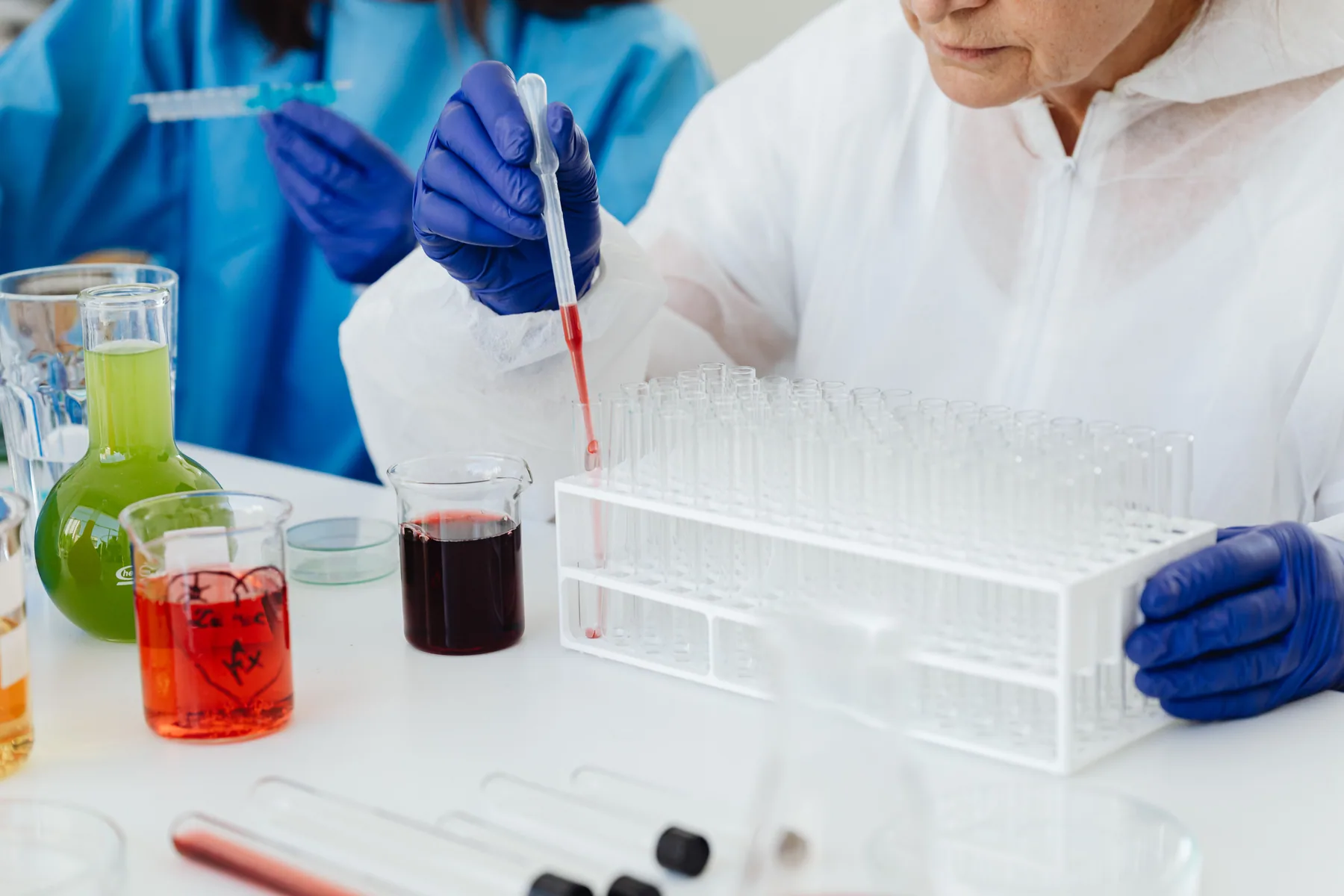
A scientist uses a pipette with test tubes at a laboratory bench.
Laboratory equipment reference; not IAFP event photography.Photo: https://kaboompics.com/ · Pexels License

The practical details

Kansas City event and exhibit dates

Organizer information checked September 16, 2026. Event dates and exhibit-hall dates are labeled separately.

Plan from the current editionThe official IAFP homepage confirms the meeting location and July 18–21, 2027 dates. Its linked 2027 prospectus specifies July 18–20 for exhibits and describes several booth sizes. The separate Exhibit at IAFP webpage still carries a 2026 heading, so use the 2027 prospectus and current organizer correspondence for this edition. Purple is independent of IAFP.

Choose the working space

A footprint with a purpose.

Layout direction 1

Single-focus inline space

Choose one primary workflow and one demonstration station, with readable technical material within reach. Keep the entrance open and store consumables out of the visitor's working area. A restrained selection supports a more coherent discussion than several instruments competing for the same narrow counter.

Explore this approach
Layout direction 2

Two-station comparison

Separate introductory demonstrations from deeper application conversations. Use consistent terminology across both stations and allow staff to share supporting material without crossing through the other presentation. The extra space should improve simultaneous conversations, not merely increase the number of screens.

Explore this approach
Layout direction 3

Portfolio exhibit

Group products by workflow or audience question, using a central orientation point and several clearly differentiated stations. Include a quieter area for planned technical meetings. Verify the booked configuration and applicable show requirements before assuming that an open island or overhead feature is available.

Explore this approach

Conceptual layouts, adapted to your confirmed footprint, open sides, equipment and current show requirements.

Protect clarity when allocating the exhibit budget

Instrument supports, shipping and handling, electrical needs, demonstration screens, secure storage and technical-content production can all influence cost. Separate those requirements from decorative features in the estimate. Confirm whether equipment travels with the booth or through a different logistics route, and who is responsible for setup. Reusable counters and replaceable application graphics can support future events, but only if instrument sizes and workflows are considered before fabrication.

Useful answers

IAFP exhibit questions.

Talk through your brief
When are the IAFP 2027 exhibits?

The official 2027 exhibitor prospectus lists July 18–20 as the exhibit dates. The full Annual Meeting runs July 18–21 at Kansas City Convention Center in Kansas City, Missouri. Keep those two windows distinct when planning booth staffing, technical meetings and travel.

What is the strongest starting point for an IAFP booth?

Define the application question your visitor is trying to answer and the part of the workflow your product addresses. That gives the layout a meaningful structure. Product names and technical claims become easier to understand when the audience can first see where the product fits.

Should we bring an operating instrument?

An operating unit can support a demonstration when the product owner and organizer approve the proposed arrangement and requirements. It is not automatically necessary. A display unit, approved materials and a clear recorded explanation may suit some products better, particularly when the full workflow cannot be represented appropriately onsite.

How much technical detail belongs on the main wall?

Use the wall to establish context and invite a conversation. Keep dense results, method comparisons and qualification details in a closer reading format with clear sources. The aim is to let a visitor move from an understandable overview to evidence without losing essential context.

Can we show multiple food-safety workflows?

Yes, if each has a clear audience question, product role and staffed presentation. Grouping by workflow is often easier to navigate than grouping only by internal product division. Prioritize the workflows the team can explain well within the booked footprint rather than displaying every available configuration.

What should a technical follow-up record contain?

Capture the visitor's relevant application, the question discussed, the material requested and the agreed next action. Identify the internal owner responsible for responding. Keep notes proportionate and avoid collecting confidential facility or research information unless there is a defined and appropriate reason.

How can the exhibit work across future scientific meetings?

Build durable supports and a flexible information system, with replaceable application graphics and adaptable screen content. Keep equipment mounts and shipping arrangements documented. Before reuse, check the next event's space, service requirements and audience so the same structure can support a relevant new presentation.

Your working checklist

Prepare the workflow and its supporting evidence

0 of 12 items confirmed

Confirm the brief
Design the experience
Prepare the delivery

JUST SHOW UP.

Build a clearer food-safety exhibit

Bring your product inventory, approved evidence and priority applications. Purple can translate them into a booth concept with a readable workflow, practical demonstration positions and space for technical discussion.

(800) 994-8030info@purpleexhibits.comExhibit design · custom builds · rentals · show coordination

Request a proposal

Tell us what you are bringing to IAFP and what your exhibit needs to accomplish.

Add booth details (optional)

Your request goes to Purple’s exhibit team.

Plan my IAFP exhibitCall Purple