Purple Exhibits

The food innovation labChicago / 2027

IFT FIRST 2027 · Custom exhibit design & build Make the science tangible.

A promising ingredient becomes easier to understand when a buyer can see the application, explore the evidence and speak to the right expert. Give each of those moments a place.

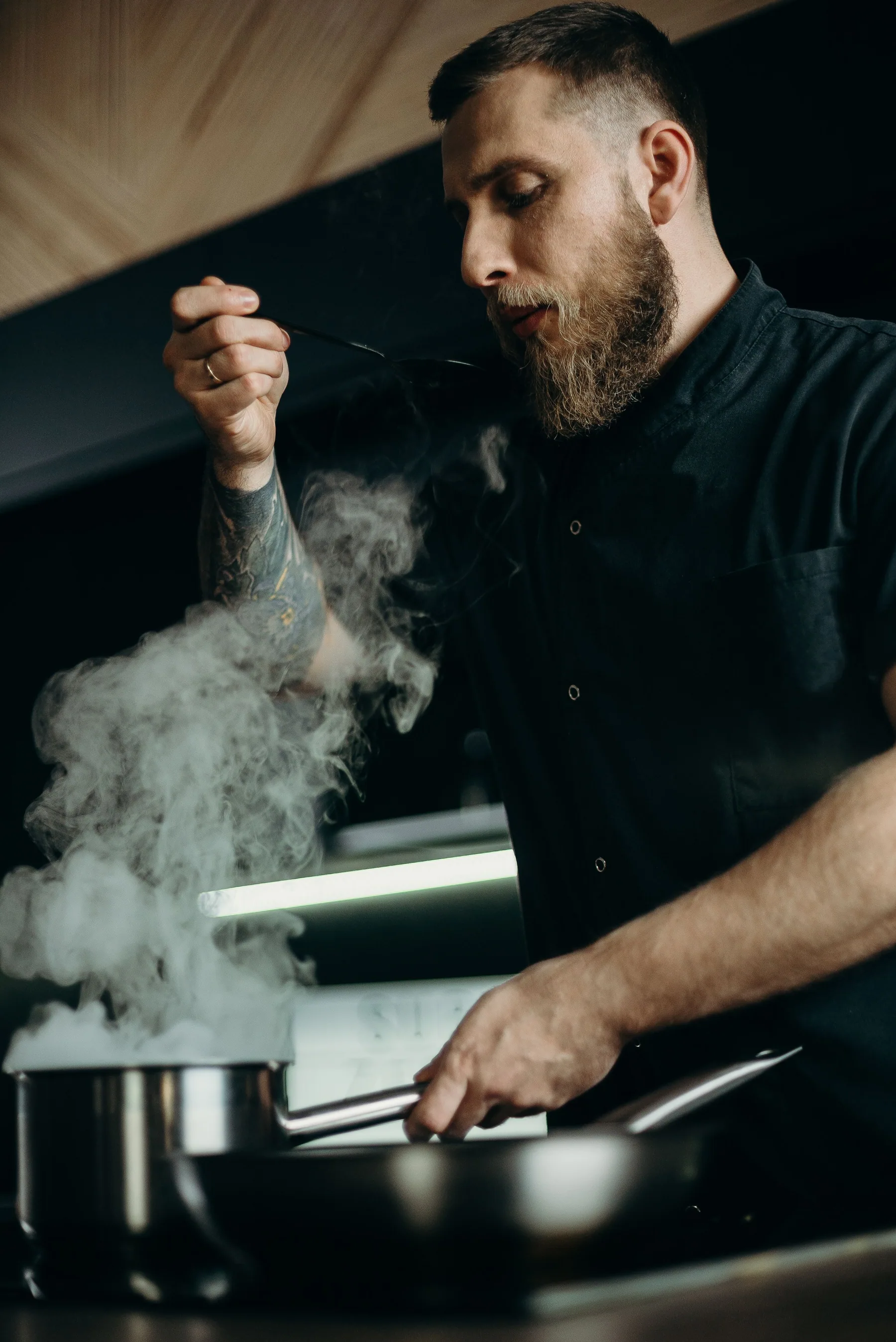
A chef tastes a dish in a professional kitchen with steam rising.
Culinary application reference; not IFT FIRST event photography. Photo: cottonbro studio · Pexels License
Exhibit focusIngredient storiesApplication samplesTechnical conversations
Full eventJuly 11–14, 2027
Exhibit hallSeparate 2027 expo dates not yet confirmed
ChicagoMcCormick Place
Official show ↗

A show-specific perspective

Build a food innovation exhibit around the application

IFT FIRST brings food researchers, suppliers and decision-makers together. Your stand can help them move from a broad product claim to a specific formulation question. Begin with the application you want to discuss, then design the sample presentation, approved technical information and consultation space as one connected experience.

Find your product story

Built around what you bring

Choose a demonstration format that fits the evidence

01

Ingredients and flavor systems

An organized set of approved applications can show how an ingredient relates to a food experience. Keep sample codes, labels and technical information consistent across the counter and follow-up materials. Design room for a representative to explain distinctions without requiring visitors to handle every sample in the collection.

02

Equipment and analytical tools

Start with the actual machine or instrument dimensions, access points and presentation method. A representative model, component or approved video may tell the story when a full operating setup is unsuitable. Establish who owns the demonstration and what services it needs before designing the surrounding architecture.

03

Services and development capabilities

For testing, research or formulation services, the exhibit needs a convincing conversation structure. A process graphic, selected case material and a table for reviewing a brief can be more valuable than a product display. Use only examples your organization has approved for public presentation.

Food innovation / From application to evidence

The application bench

Create a sequence from recognizable food application to technical conversation. The concept can support an ingredient, process, analytical service or finished prototype without making every visitor sit through the same presentation.

  1. The question

    Name the formulation question

    Make the opening message specific enough for the intended audience: texture, flavor, stability, a process challenge or another approved benefit. Group examples by application rather than displaying a long list of ingredient names without context. The visitor should recognize a relevant problem immediately.

  2. The example

    Show an approved example

    Use a physical prototype, packaged sample or clear media demonstration to connect the ingredient to the finished application. If tasting is part of the plan, develop the serving and replenishment requirements with the responsible product team and current venue guidance before deciding the counter arrangement.

  3. The evidence

    Reveal the supporting detail

    Provide an adjacent place to view approved product information, compare samples or discuss a process diagram. Keep technical documents associated with the exact item on display. Short, legible explanations allow a specialist to enter the discussion at the appropriate level.

Bring the findings together
  1. The development
    conversation

    Record the development brief

    A useful follow-up starts with the application, formulation stage and information the visitor needs next. Give technical and commercial colleagues somewhere to confer without holding up the sample station. Avoid forcing a complex project discussion into an aisle-side lead scan.

DESIGN NOTES / 01

A tasting counter is also a working environment

Where samples are served, design from the operating process outward. Ask how products arrive, where approved storage takes place, how serving supplies are replenished and who clears the presentation surface. Define those responsibilities with your food team and the event’s current requirements. A beautiful counter that cannot support its planned workflow will quickly become a crowded workbench, making the product harder to explain and the stand harder to maintain.

Give visitor interaction and staff preparation distinct places. A demonstration may need several people behind the counter while a technical specialist speaks at one end. Plan the view from the aisle, the room needed for the intended queue and a way to reset between presentations. Utility, food-handling and service arrangements should be confirmed through the appropriate responsible parties rather than inferred from a previous Chicago event.

A closer look

Help a technical audience choose the right level of detail

Food innovation conversations vary widely. One visitor may want an overview; another may arrive with an application brief and detailed questions. Use layered communication: an accessible application story at a distance, a concise explanation at the display, and approved supporting material for the deeper conversation. This keeps the exhibit readable while giving researchers and product developers a reason to remain and engage.

Plan where the commercial and technical conversation meet. A small seated setting can accommodate a notebook, sample tray and two colleagues without blocking the demonstration. For a larger portfolio, use consistent sample identifiers across several application stations and a shared consultation area. Purple can develop this layout around the brief and actual booth assignment; the organizer’s current documents govern event access, services and exhibit requirements.

Build your planning checklist
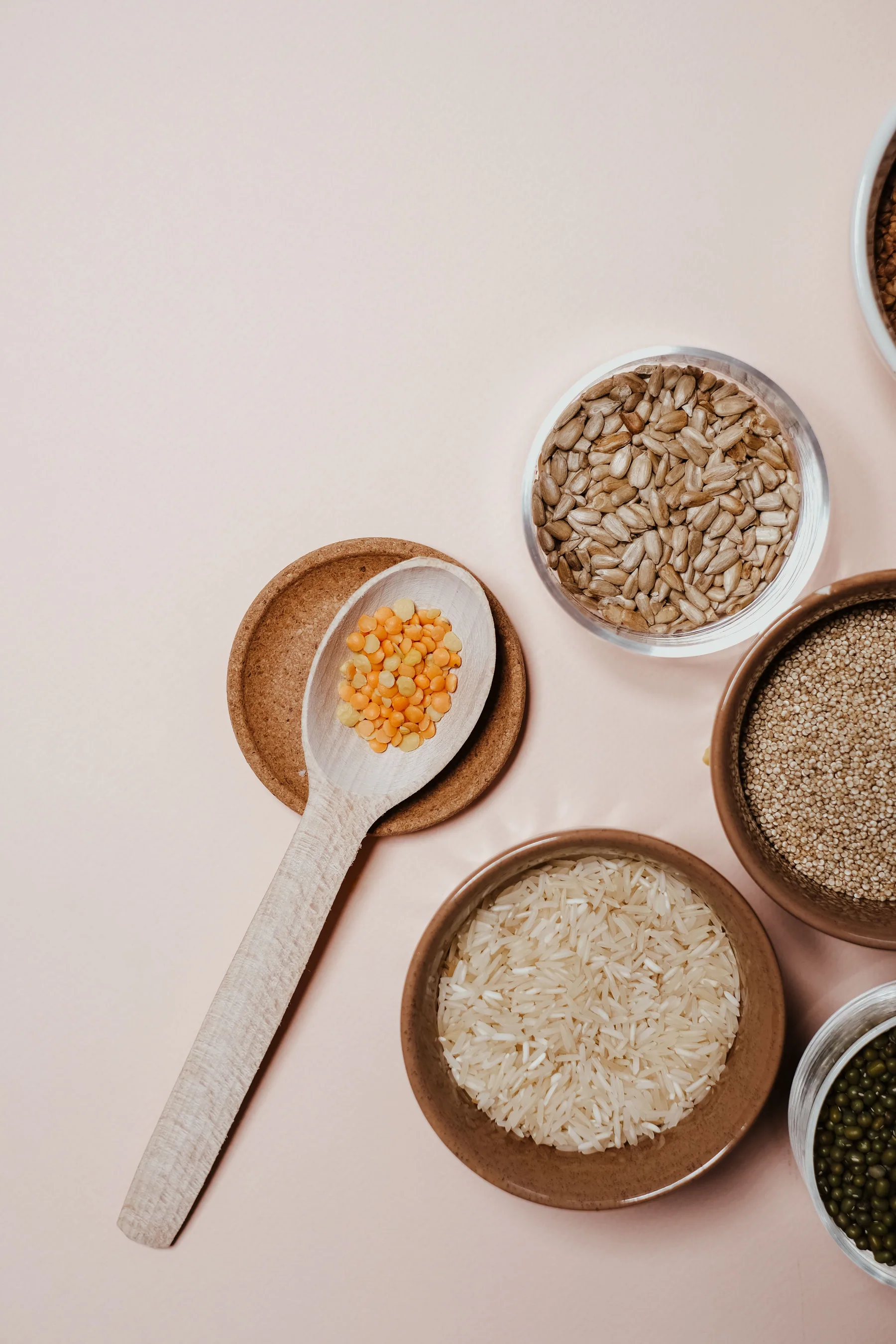
Grains and seeds arranged in small bowls and a wooden spoon on a neutral surface.
Food ingredient reference; not IFT FIRST event photography.Photo: Vie Studio · Pexels License
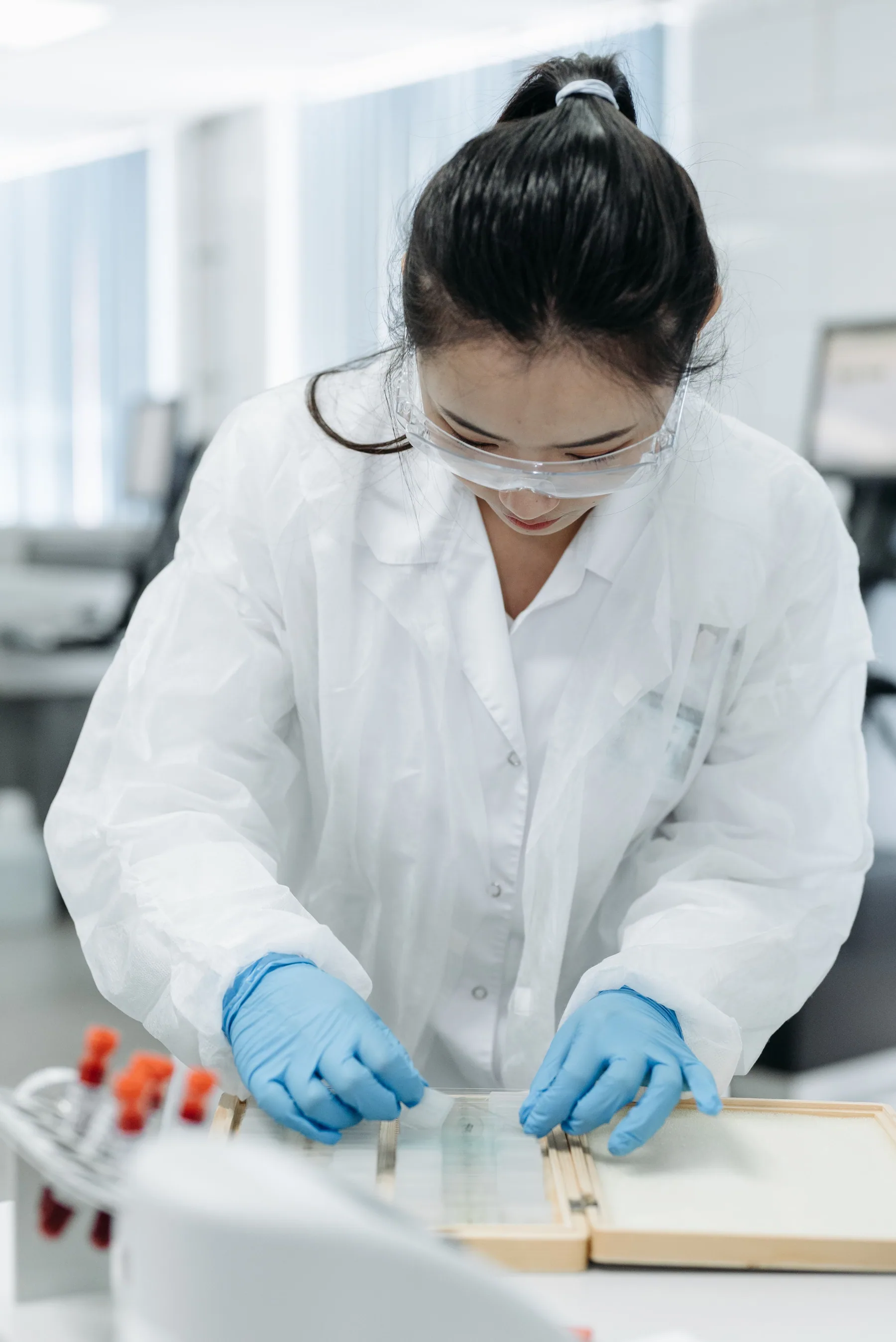
A woman examines samples while working in a laboratory.
Laboratory research reference; not IFT FIRST event photography.Photo: Pavel Danilyuk · Pexels License

The human connection

Put the right specialist beside the right application

Assign clear roles for welcoming visitors, presenting samples and handling technical questions. Staff should know when to hand a conversation to an application expert and where that discussion can continue. Capture the visitor’s development question alongside the contact details. A record that identifies the sample and requested information is more useful than a badge scan with no context.

Shape the visitor experience

The practical details

IFT FIRST 2027 planning facts

Organizer information checked September 16, 2026. Event dates and exhibit-hall dates are labeled separately.

Plan from the current editionThe confirmed July 11–14 dates are the full event window. The current sources reviewed do not establish separate 2027 exhibit-hall dates. Confirm the hall schedule, location assignment and service requirements before making a detailed installation plan.

Choose the working space

A footprint with a purpose.

Layout direction 1

One application, clearly explained

A compact stand can focus on one bench, one application story and a small consultation position. Use storage efficiently and resist adding a second demonstration if it compromises the first. Make the product explanation readable while a representative is already working with another visitor.

Explore this approach
Layout direction 2

Several applications, one portfolio

A wider footprint can separate application stations while sharing a preparation or storage zone. Label each station in a consistent way and leave enough room for visitors to compare examples. A central technical meeting point can reduce duplication of documents, equipment and staff resources.

Explore this approach
Layout direction 3

A working innovation studio

A larger exhibit can combine demonstrations, scheduled technical meetings and a quieter project table. Test simultaneous use rather than drawing every area as if it were empty. The sample service, equipment presentation and consultation routes need to work together throughout the day.

Explore this approach

Conceptual layouts, adapted to your confirmed footprint, open sides, equipment and current show requirements.

Let the demonstration define the scope

Prototype serving, preparation arrangements, equipment supports, storage and utilities can influence cost as much as the size of the stand. Clarify what must be physical and what can be explained through media. Compare custom fixtures with reusable rental architecture, and separate the exhibit design and build from the cost of operating demonstrations and ordering event services.

Your working checklist

Translate the food brief into an exhibit brief

0 of 12 items confirmed

Confirm the brief
Design the experience
Prepare the delivery

Useful answers

IFT FIRST exhibit questions.

Talk through your brief
When and where is IFT FIRST 2027?

IFT confirms July 11–14, 2027 at McCormick Place in Chicago, Illinois. These are the full event dates. The separate 2027 exhibition schedule was not confirmed in the current organizer information reviewed for this guide, so check the exhibitor schedule before finalizing attendance and freight plans.

What makes an IFT FIRST exhibit different from a food retail booth?

The design brief often needs to support a technical application discussion as well as a product experience. A sample should connect to approved information and a development question. Plan for formulation, processing or analytical conversations according to your offering, rather than treating the stand only as a tasting destination.

Can Purple design space for food sampling?

The exhibit can be planned around your approved sampling process, including counters, storage, staff positions and visitor circulation. Your product team and the relevant event providers must establish the operating requirements. Define those needs early so the display supports them instead of requiring an improvised arrangement onsite.

Do we need to ship a full machine or instrument?

That depends on what the visitor needs to understand. A full unit may be appropriate when its physical operation is central to the conversation. A component, model or approved presentation can be considered when transport, services or access make a complete setup impractical. Confirm the choice with the product owner.

How should we display several ingredient applications?

Organize by the question a visitor is trying to answer, and give each application a consistent label and sample code. Keep the range manageable at the front of the stand, with additional options available for guided discussion. Shared storage and consultation space can help several stations work as one exhibit.

What information helps produce a realistic booth estimate?

Provide the footprint, application list, demonstration format, equipment dimensions, sample workflow and intended meeting capacity. Add the expected services, reuse plans and coordination scope. This allows the proposal to distinguish exhibit construction from the operational costs and organizer services required to run the presentation.

Can the exhibit support confidential project discussions?

A quieter meeting area can be included where the footprint allows. Decide how much separation the discussion needs and what materials may be shown publicly. The layout can support privacy, while your team remains responsible for confidentiality practices and deciding which information belongs in a later controlled conversation.

How can the booth remain useful after Chicago?

Design around reusable sample trays, adaptable counters and graphics that can be replaced as applications change. Document the equipment and packing arrangement. A modular presentation system can support future events, but each new footprint and demonstration plan should be checked before the same configuration is reused.

JUST SHOW UP.

Start with the application you want buyers to understand

Share your IFT FIRST footprint, application priorities and demonstration plan. Purple can develop an exhibit concept that connects food innovation, technical evidence and a productive next conversation.

(800) 994-8030info@purpleexhibits.comExhibit design · custom builds · rentals · show coordination

Request a proposal

Tell us what you are bringing to IFT FIRST and what your exhibit needs to accomplish.

Add booth details (optional)

Your request goes to Purple’s exhibit team.

Plan my IFT FIRST exhibitCall Purple