


crops, agtech and grain · New Orleans
Commodity Classic 2027New Orleans exhibitor guide: booth costs, dates and deadlines
5,111 farmers, one hall: Commodity Classic 2027 booths in New Orleans
- Event dates
- March 3–5, 2027
- Exhibit hall
- March 3–5, 2027 (Wed 1–5 p.m. (media preview 11:30 a.m.); Thu–Fri 8:30 a.m.–3 p.m.)
- Venue
- Ernest N. Morial Convention Center, New Orleans
4.9 star client rating3,000+ exhibitors10,000+ booths builtSince 2015

Quick answers
Commodity Classic 2027 in 30 seconds
Commodity Classic is the yearly grower convention and sold-out expo of U.S. corn, soybean, wheat and sorghum farmers, presented by the American Soybean Association, National Corn Growers Association, National Association of Wheat Growers, National Sorghum Producers and the Association of Equipment Manufacturers. The 2027 edition runs March 3–5, 2027 at the Ernest N. Morial Convention Center in New Orleans. In 2026 it drew a record 12,122 attendees, 5,111 of them farmers, and 440 exhibiting companies on 2,983 booths, sold out with a wait list, per Commodity Classic. Space is sold in units starting at $1,730 each. Purple builds inline and island booths for its exhibitors.
- When is Commodity Classic 2027?
- March 3–5, 2027, at Ernest N. Morial Convention Center, New Orleans.
- When is the hall open at Commodity Classic?
- March 3–5, 2027, Wed 1–5 p.m. (media preview 11:30 a.m.); Thu–Fri 8:30 a.m.–3 p.m.
- How big is Commodity Classic?
- 12,122 attendees, 440 exhibitors (2026 edition).
- What does Commodity Classic booth space cost?
- $1,730 per 10×10 (1–5), $1,650 (6–19), $1,340 (20+); inline premium +$420, paid to the organizer.
- What does a 10×20 booth cost all-in at Commodity Classic?
- $7,500 – $15,000 for a Purple rental at Commodity Classic with design, graphics, lighting, install and dismantle. Commodity Classic bills space and show services separately.
- For Commodity Classic, what is the next exhibitor deadline?
- What's New and Mini What's New proposal notifications: November 20, 2026.
Official Commodity Classic 2027 links: Commodity Classic 2027 hotelsCommodity Classic 2027 booth space
Crops, seed & inputs · New Orleans · 2027
2,983
booths sold at Commodity Classic 2026, with a wait list source
The lookNew Orleans 2027
Corn, beans, wheat, sorghum. Farmers who came to ask.
Commodity Classic meets at the Ernest N. Morial Convention Center March 3–5, 2027. In 2026 it drew a record 12,122 attendees, 5,111 of them farmers, and sold out 2,983 booths, per Commodity Classic.





Everything about Commodity Classic 2027 in one place
Commodity Classic 2027 fact sheet
| Official name | Commodity Classic 2027 |
|---|---|
| Event dates | March 3–5, 2027 |
| Exhibit hall dates | March 3–5, 2027 (Wed 1–5 p.m. (media preview 11:30 a.m.); Thu–Fri 8:30 a.m.–3 p.m.) source |
| Venue | Ernest N. Morial Convention Center 900 Convention Center Blvd, New Orleans, LA 70130 |
| Organizer | Commodity Classic (American Soybean Association, National Corn Growers Association, National Association of Wheat Growers, National Sorghum Producers and Association of Equipment Manufacturers) |
| Size (2026) | 12,122 attendees · 440 exhibitors source |
| Who attends | Corn, soybean, wheat and sorghum farmers; 90% of farmer attendees are decision-makers, per Commodity Classic |
| Booth space | $1,730 per 10×10 (1–5), $1,650 (6–19), $1,340 (20+); inline premium +$420 source |
| Next deadline | What's New and Mini What's New proposal notifications: November 20, 2026 source |
| Nearest airport | Louis Armstrong New Orleans International Airport (MSY) About 25 to 30 minutes from the convention center, per Purple's venue guide |
| Hotels | Official Maritz block with shuttles to many hotels; group rates guaranteed through February 3, 2027 Official hotel page → |
| Official website | commodityclassic.com |
Official Commodity Classic resources
Commodity Classic 2027 calendar
Commodity Classic 2027 dates and deadlines
In order: the dates the Commodity Classic organizer has published, each linked to the page that states it. The next date is highlighted.
- What's New and Mini What's New proposal notifications source
- Session details due for the printed program, signage and app source
- Main Stage sponsorship commitment for show materials source
- Certificate of insurance due source
- Hotel group rates guaranteed through this date (Maritz) source
- Large equipment move-in begins at assigned times source
- All-exhibitor set-up opens, 8 a.m. to 6 p.m. source
- Trade show opens at 1 p.m. after the media-only preview source
01 Purple at Commodity Classic 2027
5,111 farmers, one hall: Commodity Classic 2027 booths in New Orleans
Commodity Classic is the national meeting of corn, soybean, wheat and sorghum growers, and its sold-out trade show is where seed, input and equipment brands face farmers who paid to come. We build the inline or island that answers their hard questions.
- Mar 3–5 · New Orleans
- 12,122 attendees in 2026
- 2,983 booths, sold out
What makes Commodity Classic different, and how we build for it
Commodity Classic is run by farmers for farmers: the American Soybean Association, National Corn Growers Association, National Association of Wheat Growers and National Sorghum Producers present it with the Association of Equipment Manufacturers. Farmers pay to attend, and 5,111 of them came in 2026 among 12,122 total attendees. The trade show sold out at 2,983 booths with a wait list. In New Orleans the floor holds every booth, the food areas, the Main Stage presented by Successful Farming and the AcresTV Experience Stage on one level, and exhibitors can present new products in What's New Sessions before farmers walk to the booth.
Corn, soybean, wheat and sorghum growers who want agronomic proof, yield data and a straight answer on price per acre before they change a seed, input or machine.
State and national board members who shape what their neighbors try next season and want to talk policy and markets as well as products.
189 media attended in 2026, per Commodity Classic; they want a new product, a spokesperson and a clean place to film.
Your team in New Orleans
How Purple runs Commodity Classic 2027 in New Orleans
Commodity Classic booths leave Fishkill, NY or Las Vegas crated for the Paramount advance warehouse named in the service kit, with any equipment routed to Lot I for its assigned time. Our project manager runs set-up March 1–3 with the labor Louisiana rules and the decorator require, checks the 8-foot line on site and starts dismantle when the hall closes at 3 p.m. Friday.
New at Commodity Classic 2027
- One first-level hall in New Orleans
For 2027 Commodity Classic puts all exhibit space, the food and beverage areas and two educational stages together on the first level of the Morial center, so lunch and stage crowds pass through the booths rather than a separate room. source
- Education proposals move to Sessionboard
Exhibitors now submit Learning Center and What's New proposals on Sessionboard, a new platform for the 2027 show; the deadlines for print updates fall on December 18, 2026. source
Inside Commodity Classic 2027
Commodity Classic rules that shape your booth
Inline back walls may not exceed 8 feet and sides 3 feet; end caps keep a 4-foot sight line each side and a back wall no wider than 12 feet. We draw every inline to those lines before production.
Applicants must show they offer goods or services of interest to farmers and fit the show's character, and Commodity Classic keeps competitors apart. We write the application description so it reads clearly for that review.
Large equipment gets assigned move-in times February 26–28 and uses Convention Center Lot I. We send machine sizes to Paramount early and schedule the booth build around the machine's arrival.
Every exhibitor files a certificate of insurance by January 15, 2027, with at least $1,000,000 per occurrence, naming ASA and NCGA as additional insureds. We add it to the deadline sheet we keep for you.
Commodity Classic asks exhibitors to book rooms only through Maritz, its official housing and registration company, and to register staff as EXHIBITOR (E) to clear security during set-up. We put both on your countdown.
Programs worth planning for
30-minute presentations where exhibiting companies show their newest products to farmers, who then visit the booth. 2027 proposals were due October 9, 2026; session updates for print are due December 18, 2026.
Back-to-back 5-minute product introductions by exhibitors. Accepted companies confirm titles by December 18, 2026 and send the PowerPoint by February 5, 2027.
Sessions, panels and ag showcases on the trade show floor. Sponsors commit by January 8, 2027 to be named in show materials, onsite signage and the mobile app.
45 to 60-minute sessions led by farmers and industry leaders that carry CEUs toward the Certified Crop Adviser program; exhibitors may sponsor them, and session details for print are due December 18, 2026.
Commodity Classic is the national row-crop growers' convention with a sold-out trade show; choose it over the National Farm Machinery Show when you sell seed, inputs or precision tools and want long agronomy conversations with corn, soybean, wheat and sorghum farmer-leaders. Compare all the agriculture shows we build for →
agriculture at Commodity Classic
The industry behind Commodity Classic, in pictures

02 Booths & pricing for Commodity Classic 2027
How much is a booth at Commodity Classic 2027?
Commodity Classic sells space in 10×10 units at $1,730 each for 1–5 spaces, dropping to $1,650 for 6–19 and $1,340 for 20 or more in 2027, with premium inline spots at $420 extra. Seed and input brands take 10×20 to 10×40 inlines; machinery and the largest crop protection companies take islands of 20 spaces and more. We recommend a 10×20 inline for a first Classic and plan islands around equipment move-in.
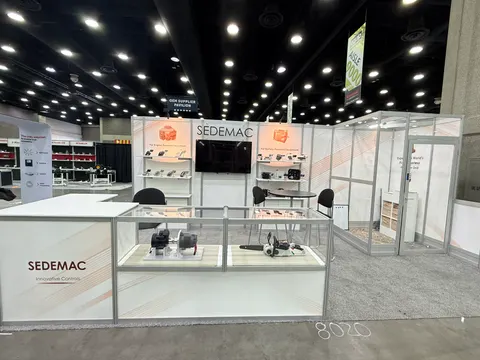
A seed or input story told on a lit back wall within the 8-foot limit, a plot-data screen and a counter where a grower can ask about price per acre.
Shown: Sedemac, a Purple inline booth
See 10×20 rental booths →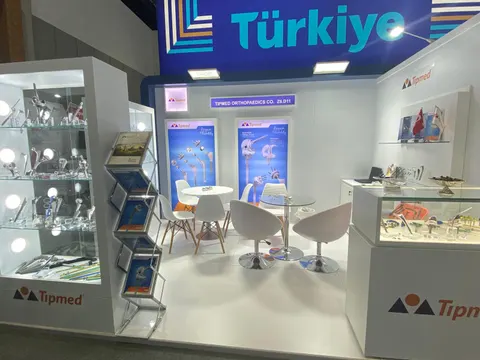
A treatment or biological on one end, a precision demo screen in the middle and two stools for a longer talk with a farmer who has hard questions.
Above: Tipmed, a Purple inline booth
See 10×30 rental booths →
An island of four spaces with a hanging sign, a planter or sprayer section as the hero and counters on all four aisles.
Above: TileBar, a Purple island exhibit
See 20×20 rental booths →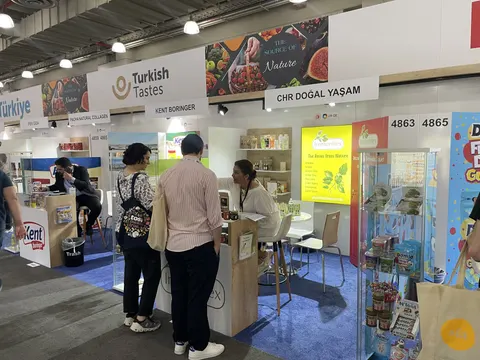
Machinery on carpet with room around it, a meeting corner for dealer and media appointments, and space past 20 units at the $1,340 rate.
Above: Turkish Tastes, a Purple large-format exhibit
See 20×30 rental booths →In Purple's Commodity Classic price
- Design work and a 3D rendering, with revisions until the Commodity Classic layout is right
- Structure, printed graphics, counters and storage, as specified for Commodity Classic
- Lighting plus power distribution within the booth at Commodity Classic
- Installation and dismantle in New Orleans, run by our project manager on the floor
- Each service order and deadline in the Commodity Classic exhibitor kit, tracked for you
What Commodity Classic and its contractor bill
- Booth space, paid to Commodity Classic
- Material handling at the Ernest N. Morial Convention Center, when the space rate does not include it
- Electrical service, internet and rigging at the Ernest N. Morial Convention Center
- Booth cleaning and whatever union labor the Commodity Classic venue requires
Rates to plan with for Commodity Classic:
- Booth space, 2027 $1,730 per 10×10 (1–5), $1,650 (6–19), $1,340 (20+); inline premium +$420 source
- Drayage About $155 per cwt, 200 lb minimum, Purple's 2026–27 planning figure source
- Insurance $1,000,000 per occurrence general liability, due January 15, 2027 source
- Booth build 10×20 rental $7,500–$15,000; custom 20×30 island $75,000–$175,000, Purple's 2026 planning range source
Your proposal estimates all of these, so the total for Commodity Classic is on paper before you sign anything.
The prices above are all-in 2026 rental ranges covering design, structure, graphics, installation and dismantle; custom builds for Commodity Classic are quoted per project. Get an exact number for Commodity Classic with the booth cost calculator or the 2026 booth cost guide.
Tell us your Commodity Classic booth size and what the space has to do. A reply within one business day, then a Commodity Classic rendering and fixed proposal, usually within a week. No charge.
The booth we would build for Commodity Classic 2027
The agronomy counter farmers stop at
Commodity Classic farmers paid to be there and come with questions about yield, cost per acre and what worked on a neighbor's ground. The booth is built around a long conversation: plot results they can read from the aisle, a counter at the right height for two people and a product they can touch, all under the 8-foot inline line.
Plot wall
A lit back wall with two or three trial results in big type and the region they came from, so a grower from Iowa or Kansas finds their own conditions in seconds.
Hands-on table
Seed, a treated sample, a nozzle or a sensor laid out on a waist-high table with a short label, for the farmer who learns with their hands.
Agronomy counter
Two stools and a screen where your agronomist pulls up the data for that farmer's county and soil, and books a follow-up visit.
Media spot
A clean corner with your product and logo in frame for the ag media who walk the floor looking for what is new.
The demo
Show the result before the product: a side-by-side of two plots, a stand count or a yield map on a screen, then the bag, nozzle or app that made the difference. Tie it to the What's New Session if you hold one, so farmers recognize the slide.
The meetings
Commodity Classic assigns meeting rooms on request, first come, first served, with the convention center's set-up, AV and catering contacts sent once approved. Use them for dealer and customer meetings and keep the booth for walk-up growers during the lunch hours on Thursday and Friday.
Proven on acres like yours. Priced per acre, not per promise.
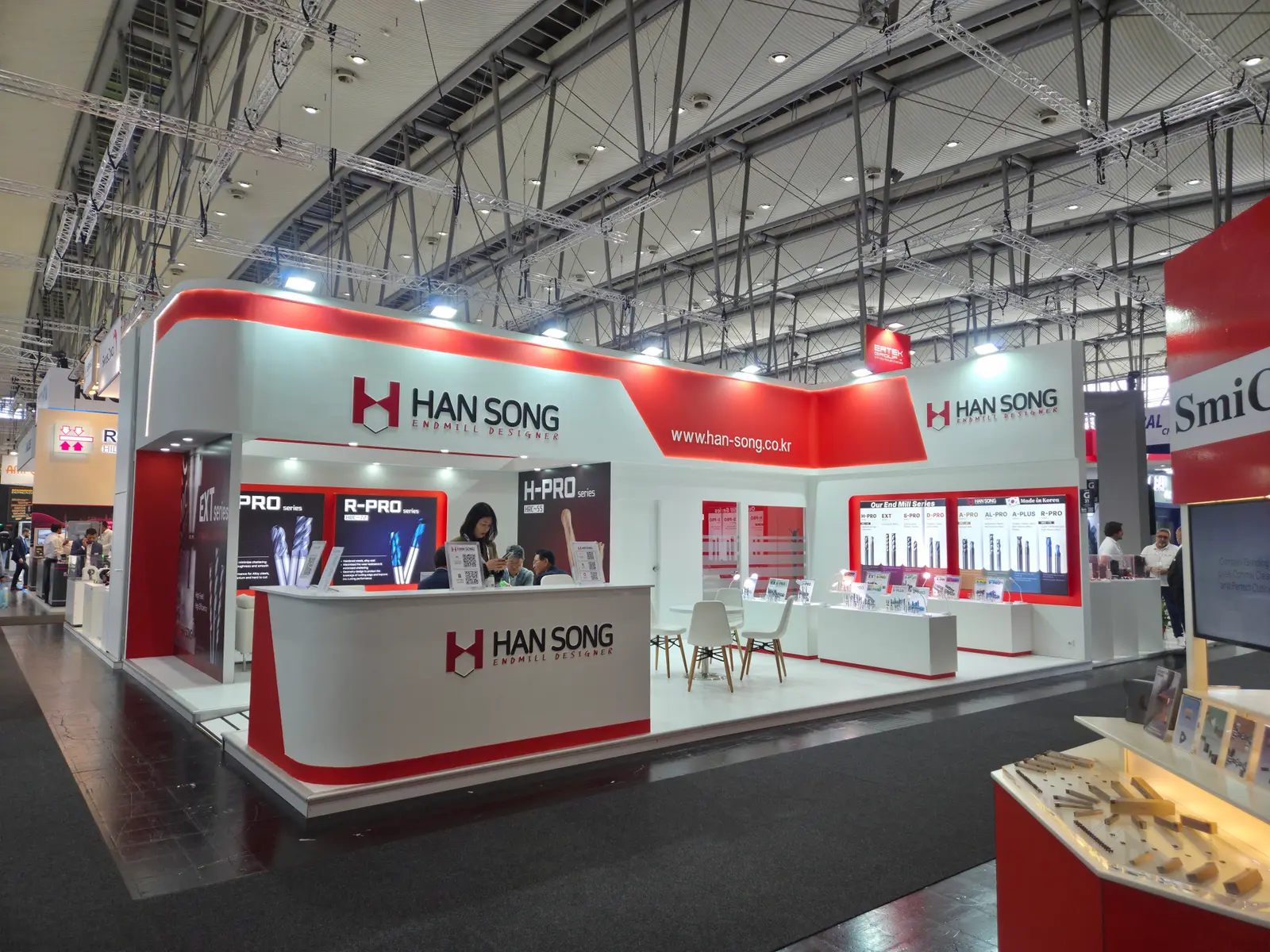
Your people arrive at the Ernest N. Morial Convention Center to a lit, stocked booth. You just show up.
03 Built by Purple
Commodity Classic 2027 booths built for row-crop farmers

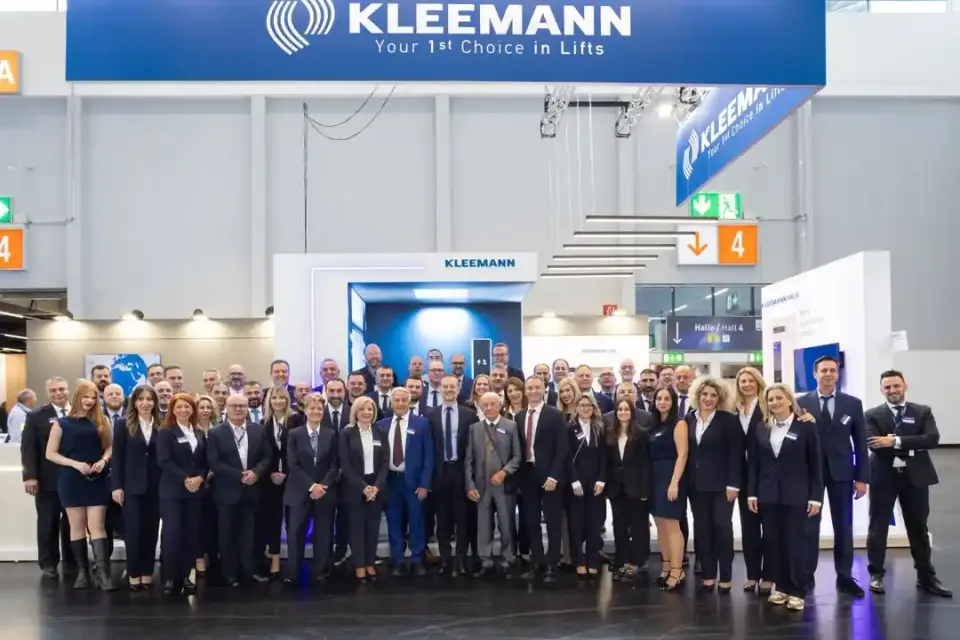
Case study · KLEEMANN
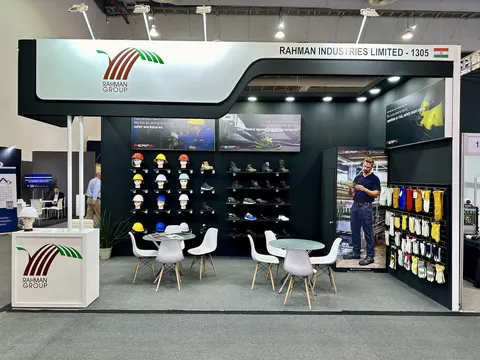
KLEEMANN at an industrial technology exhibition
KLEEMANN put real product beside digital simulations and led visitors through the booth step by step, which is how a Commodity Classic booth works when a farmer wants to see the planter part, then the plot data, then talk price.
Read the KLEEMANN case study All case studies →“Purple Exhibits made us look good. The booth was one of the nicest displays in our section of the convention center and generated a lot of positive comments from both customers and industry peers. Their attention to detail, professionalism, and willingness to go above and beyond made a huge difference.”
Kimberly Owens, Brand Manager, Owens Products · client reviews
Trusted by exhibitors including






04 Designing for seed, crop protection, fertilizer, machinery, precision ag and farm finance brands selling to corn, soybean, wheat and sorghum farmers at Commodity Classic
Designing a Commodity Classic booth under the 8-foot rule
 1
Respect the 8-foot inline rule
Commodity Classic caps inline back walls at 8 feet and sides at 3 feet, and end caps keep a 4-foot sight line on each side. We put the height into a lit header inside the limit and the hanging sign only where the island rules allow it.
 2
Expect the tough questions
Commodity Classic tells exhibitors that farmers here ask hard questions and go deep. We design for a 10-minute conversation: plot data on a screen at eye level, a seat for the grower and a rep who can answer on agronomy, not only price.
 3
Use the lunch hours on the floor
Thursday and Friday the trade show serves lunch from 10:30 a.m. to 1:30 p.m. on the same level as the booths. We plan staffing peaks and a sample or giveaway count around those three hours, when the aisles are fullest.
 4
Book the What's New stage too
What's New Sessions give exhibitors 30 minutes to present new products, and Mini What's New gives 5. We build the booth as the next stop after the session: the same headline, the same product and a QR code that matches the slide.
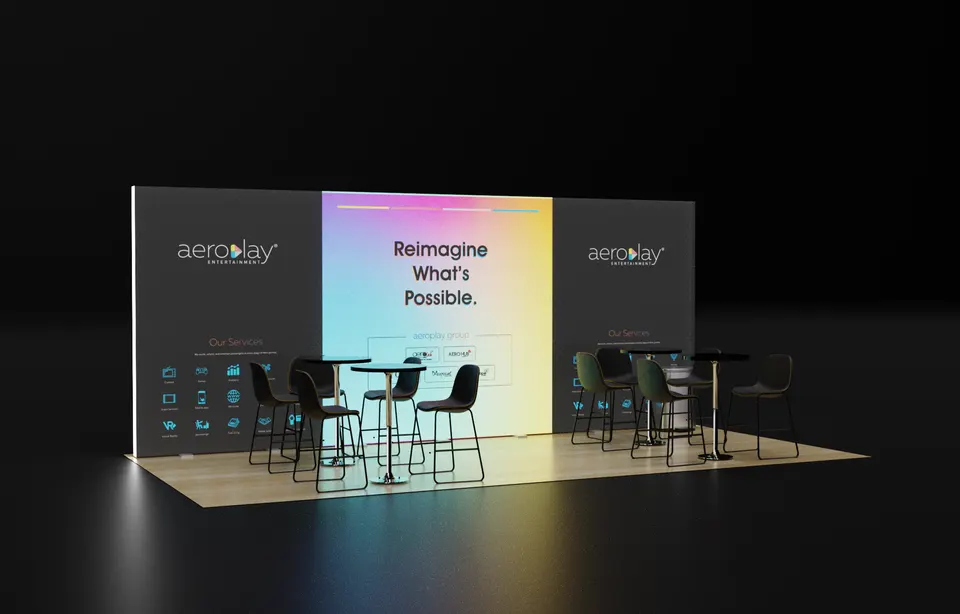
Concept rendering
You get a rendering like this with your proposal
Layout, graphics, lighting and product positions are all in the 3D view, revised until right, before a single panel is cut for Commodity Classic. Above: a Purple concept for Aeroplay Entertainment.
Start my Commodity Classic conceptFloor at a glance
Where you could be at Commodity Classic 2027
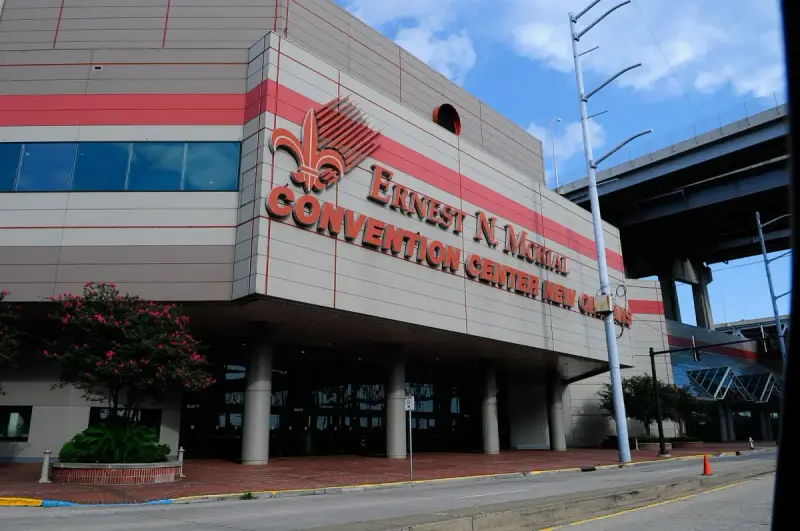
In New Orleans, Commodity Classic puts every booth, the food areas and both stages on the first level of the Ernest N. Morial Convention Center. These are the parts of the floor that shape a booth.
Trade show floor (first level)
All exhibit space, the food and beverage areas and two educational stages on one level, per Commodity Classic's 2027 floor plan notes.
Our advice Booths on the paths between the food areas and the stages see the lunch traffic on Thursday and Friday.
Main Stage and AcresTV Experience Stage
The Main Stage presented by Successful Farming and the AcresTV Experience Stage run sessions on the trade show floor all three days.
Our advice A booth near a stage gains a crowd at each session change; keep the front open for it.
Convention Center Lot I
The equipment lot for large equipment move-in, in use from February 22 to March 8 under the 2027 schedule.
Our advice Send machine dimensions early; Paramount assigns equipment move-in times by location.
05 Ernest N. Morial Convention Center · New Orleans
Commodity Classic 2027 move-in, Paramount and Morial center rules
Paramount Convention Services is the official decorator, and its exhibit service kit carries the deadline checklist, approved vendors, maps and the equipment move-in schedule. Large equipment moves in February 26–28 by assigned time, using Convention Center Lot I; 7,000+ square foot exhibits start February 27, 2,000+ square foot exhibits February 28, and all other exhibitors set up March 1 to the morning of March 3. Louisiana is right-to-work, but drayage, electrical and rigging stay union trades ordered through Paramount, and Purple plans drayage at about $155 per hundredweight with a 200-pound minimum. Dismantle runs from 3 p.m. March 5 to 5 p.m. March 6.
Commodity Classic exhibitors can find this building's hall rules, drayage estimates and freight deadlines in our Ernest N. Morial Convention Center exhibitor guide.
What Purple handles
- Inline booths built to the 8-foot back wall and 3-foot side limits
- Islands planned around Lot I equipment move-in
- Paramount service kit orders, drayage and electrical
- Plot-data screens and agronomy counters for long farmer conversations
- Booth graphics that match your What's New Session
- Storage and reuse for the 2028 Classic in Atlanta
Commodity Classic timeline, counted back from move-in
Certificate of insurance due for Commodity Classic 2027: January 15, 2027. Booth design should be signed off by then too, so production finishes before February equipment move-in.
For Commodity Classic, we need design sign-off by mid-December 2026.
- November–December 2026Apply for open space or the wait list; design brief and booth size set with us.
- January 15, 2027Certificate of insurance due to Commodity Classic, naming ASA and NCGA as additional insureds.
- January 2027Production in our Fishkill, NY or Las Vegas shop; graphics written for farmers, proofed against the 8-foot inline rule.
- February 2027Freight to the Paramount advance warehouse; equipment routed to Lot I for its assigned move-in time.
- February 26 – March 3, 2027Equipment move-in from February 26; all-exhibitor set-up March 1–2 and the morning of March 3.
- March 3–6, 2027Show days with our project manager on site; dismantle from 3 p.m. Friday to 5 p.m. Saturday.
Our planning timeline. We confirm the official move-in, freight target and order deadlines for the Ernest N. Morial Convention Center against your booth when you book; they come from your exhibitor kit and assigned schedule.
Print the Commodity Classic budget & deadline sheetBefore you book Commodity Classic 2027
Commodity Classic 2027: what exhibitors find out in New Orleans
Over 55 new exhibiting companies reached the 2026 floor from the wait list after cancellations, so a wait-list application for 2027 is worth filing even when the floor plan shows no space. source
Spaces get cheaper by volume: $1,730 each for 1–5, $1,650 for 6–19 and $1,340 for 20 or more in 2027, so an island at 20 spaces costs less per unit than a 10×40 inline. source
Wednesday starts with a media-only preview at 11:30 a.m.; have your spokesperson and new product ready for ag media before farmers arrive at 1 p.m. source
Register booth staff with Maritz as EXHIBITOR (E): the first booth includes two free registrations and each extra booth one more, and only E badges clear security during set-up. source
Learning Center sessions carry CEUs toward the Certified Crop Adviser program, which draws agronomists and crop advisers to the floor between sessions. source
Who you meet on the floor
Growers who pay to attend for education and the trade show, and 90% of farmer attendees make the buying decisions, per Commodity Classic.
Members of NAWG and National Sorghum Producers who come for their association meetings and stay for the floor.
3,925 first-timers came in 2026, many of them younger farmers looking for new tools and ideas.
189 media in 2026 looking for new products and spokespeople to put in front of a wider farm audience.
Side by side
Commodity Classic vs World Agri-Tech Innovation Summit vs GEAPS Exchange: 2027 at a glance
| Commodity Classic | World Agri-Tech Innovation Summit | GEAPS Exchange | |
|---|---|---|---|
| Dates | March 3–5, 2027 | March 9–10, 2027 | February 20–23, 2027 |
| Where | New Orleans, LA · Ernest N. Morial Convention Center | San Francisco, CA · San Francisco Marriott Marquis | Kansas City, MO · Kansas City Convention Center |
| Size | 12,122 total attendees in 2026, a record | 1,500+ attendees, per World Agri-Tech | 300,000 square feet of grain equipment in Bartle Hall, per GEAPS |
| Main buyers | Corn and soybean farmers | Corporate R&D and venture leaders | Grain elevator and terminal managers |
| Booth space | Booth space, 2027: $1,730 per 10×10 (1–5), $1,650 (6–19), $1,340 (20+); inline premium +$420 | Price not published | Space, 2027 members: 10×10 $3,250 · 10×20 $6,500 · 20×20 $12,800 · 20×30 $19,200 inline; 20×20 island $14,160; 20×30 island $20,560 |
Figures carry the year and source shown on each show's own page.
Travel to Commodity Classic 2027
Getting to Commodity Classic 2027: airport, hotels and parking
Fly in
Louis Armstrong New Orleans International Airport (MSY)
About 25 to 30 minutes from the convention center, per Purple's venue guide
Stay
Official Maritz block with shuttles to many hotels; group rates guaranteed through February 3, 2027
Park
Warehouse District hotels are a short walk from the upriver end; the Riverfront streetcar stops near the center
Find the venue
Ernest N. Morial Convention Center
900 Convention Center Blvd, New Orleans, LA 70130
Travel facts from purpleexhibits.com.
Commodity Classic by the numbers
Commodity Classic year by year
How Commodity Classic 2027 compares with other agriculture shows
The agriculture shows closest to Commodity Classic on the calendar, with the latest size each organizer has published. Each show name opens our agriculture exhibitor guide for that show.
| Show | Dates | City | Latest published size |
|---|---|---|---|
| Western Farm ShowNorth American Equipment Dealers Association | February 18–20, 2027 | Kansas City, MO | 400+ exhibitors (2026) |
| GEAPS ExchangeGrain Elevator and Processing Society (GEAPS) | February 20–23, 2027 | Kansas City, MO | – |
| Aquaculture AmericaWorld Aquaculture Society (WAS) | February 21–24, 2027 | Honolulu, HI | – |
| Mid-South Farm & Gin ShowSouthern Cotton Ginners Association and Foundation | February 26–27, 2027 | Memphis, TN | – |
| AASV Annual MeetingAmerican Association of Swine Veterinarians (AASV) | February 27–March 2, 2027 | Orlando, FL | – |
| Commodity ClassicCommodity Classic (American Soybean Association | March 3–5, 2027 | New Orleans, LA | 12,122 attendees · 440 exhibitors (2026) |
| World Agri-Tech Innovation SummitRethink Events (World Agri-Tech) | March 9–10, 2027 | San Francisco, CA | 14th edition of the summit; 2026 featured start-ups and scale-ups in the Start-Up Arena exhibitors |
| Eastern Winery ExpositionWine Communications Group (WineBusiness Monthly) | March 9–11, 2027 | Lancaster, PA | – |
| Florida Citrus ShowAgNet Media (Citrus Industry magazine) | March 11, 2027 | Fort Pierce, FL | 50+ exhibitors (2026) |
| Central Plains Dairy ExpoCentral Plains Dairy Association | March 23–25, 2027 | Sioux Falls, SD | ~3,500 attendees (2026) |
Commodity Classic exhibitor questions
Commodity Classic 2027 questions from exhibitors
When is Commodity Classic 2027?
March 3–5, 2027, Wednesday to Friday, on the first level of New Orleans' Morial convention center, per Commodity Classic. Tours and association events run Tuesday, March 2, and the Closing Party at Mardi Gras World ends the week on Friday afternoon.
How much does a booth at Commodity Classic cost?
$1,730 per 10×10 space for 1–5 spaces in 2027, $1,650 each for 6–19 spaces and $1,340 each for 20 or more, per Commodity Classic. Premium inline locations add $420 per space. A 10×20 inline is $3,460 in space before the build.
Is Commodity Classic 2027 sold out?
The 2026 show sold out at 2,983 booths with a wait list, and 2026 exhibitors had first choice through April 28, 2026. New exhibitors can apply for any space still showing or join the wait list; over 55 new companies reached the 2026 floor that way after cancellations.
What are the Commodity Classic 2027 trade show hours?
Wednesday, March 3, 1 to 5 p.m., after a media-only preview from 11:30 a.m.; Thursday and Friday, March 4 and 5, 8:30 a.m. to 3 p.m., with lunch on the floor from 10:30 a.m. to 1:30 p.m., per Commodity Classic.
When is move-in for Commodity Classic 2027?
Large equipment moves in February 26–28 at assigned times; exhibits of 7,000+ square feet start February 27 and 2,000+ square feet February 28, with set-up hours of 8 a.m. to 5 p.m. Everyone else builds on March 1, March 2 and until 10 a.m. March 3.
How many people attend Commodity Classic?
12,122 total attendees came to Commodity Classic 2026, a record, including 5,111 farmers, 3,925 first-time attendees and 189 media, per Commodity Classic. 338 Canadian farmers and attendees from 25 other countries were there too.
Who exhibits at Commodity Classic?
Seed, crop protection, fertilizer, machinery, precision ag and farm finance companies: 440 exhibiting companies in 2026, per Commodity Classic. Applicants must offer goods or services of interest to farmers, and Commodity Classic avoids placing competitors side by side.
What are the booth height rules at Commodity Classic?
8 feet for inline back walls and 3 feet for sides, per Commodity Classic's exhibitor FAQ. End caps must keep a 4-foot sight line on each side of the back and a back wall no wider than 12 feet and no taller than 8 feet.
Who is the official contractor for Commodity Classic 2027?
Paramount Convention Services is the official show decorator, per Commodity Classic. Its exhibit service kit is public on Paramount's site and holds the deadline checklist, approved vendors, the equipment move-in schedule and maps; we place your orders from it.
What is the deadline for the Commodity Classic certificate of insurance?
January 15, 2027, per Commodity Classic. It must show at least $1,000,000 per occurrence in general liability and name the American Soybean Association and National Corn Growers Association as additional insureds.
Can exhibitors present in What's New Sessions?
Exhibitors can sponsor 30-minute What's New Sessions and 5-minute Mini What's New slots, per Commodity Classic. 2027 proposals were due October 9, 2026, with notifications November 20, 2026, and Mini What's New slides due February 5, 2027.
Where should exhibitors stay for Commodity Classic in New Orleans?
In the official Maritz block: Commodity Classic asks exhibitors to book only through Maritz, with group rates guaranteed through February 3, 2027 and shuttles to many hotels. Warehouse District hotels sit within walking distance of the building's upriver end.
Is Commodity Classic worth it for a startup?
It can be: Commodity Classic says its trade show is where farmers discover emerging companies, and 90% of farmer attendees are decision-makers. A 10×20 inline costs $3,460 in 2027 space, and the wait list placed over 55 new companies in 2026.
What is the difference between Commodity Classic and the National Farm Machinery Show?
Commodity Classic is a grower convention with education and a sold-out trade show for seed, inputs and equipment; the National Farm Machinery Show in Louisville is a machinery floor. Choose Commodity Classic to talk agronomy with row-crop farmer-leaders.
Before you sign for Commodity Classic
Five things to ask every builder quoting Commodity Classic:
- How will you keep our inline inside Commodity Classic's 8-foot back wall and 3-foot side limits while still reading from the aisle?
- Which Paramount Convention Services orders and deadlines will you handle, and when do you submit them?
- How will you schedule our equipment into the Lot I move-in window and build the booth around it?
- What will drayage cost at the Morial center for our crate weight, and how do you keep it down?
- Can the same booth go to the 2028 Classic in Atlanta, and where does it live in between?
What Commodity Classic exhibitors ask us
The floor sold out last time. Should we still plan a booth? Yes, if you apply now. Over 55 new companies reached the 2026 floor from the wait list after cancellations. We can design a booth that works at 10×20 or 10×30, so you can take whichever space opens.
We sell inputs, not machines. Will we stand out next to equipment? Inline back walls are capped at 8 feet for everyone, so the height race is limited. A clear plot result and a product farmers can hold beat size on this floor, where growers come to talk agronomy.
Should we bring our largest booth to New Orleans? Size it to your conversations. At 20 spaces the unit price drops to $1,340, which helps an island, but a 10×30 with a good agronomy counter can keep three reps busy through the lunch hours.
Get a proposal
Tell us about your Commodity Classic booth
What happens next
- We reply within one business day with questions about your products, goals and Commodity Classic footprint.
- A concept rendering and a fixed proposal usually follow within a week. Every fee on paper upfront, in full, for your Commodity Classic booth.
- We build in 30–45 days, ship to the Commodity Classic advance warehouse and install before the hall opens.