Purple Exhibits
Trade shows/July 2027/RDH Under One Roof

The dental hygiene collectionNashville / 2027

RDH Under One Roof 2027 · Custom exhibit design & build Let hygienists compare with confidence.

A dental-hygiene exhibit works best when product handling, professional explanation and the next step fit comfortably together. At RDH Under One Roof, design around a useful interaction that a hygienist can understand quickly and explore in more depth when it matters.

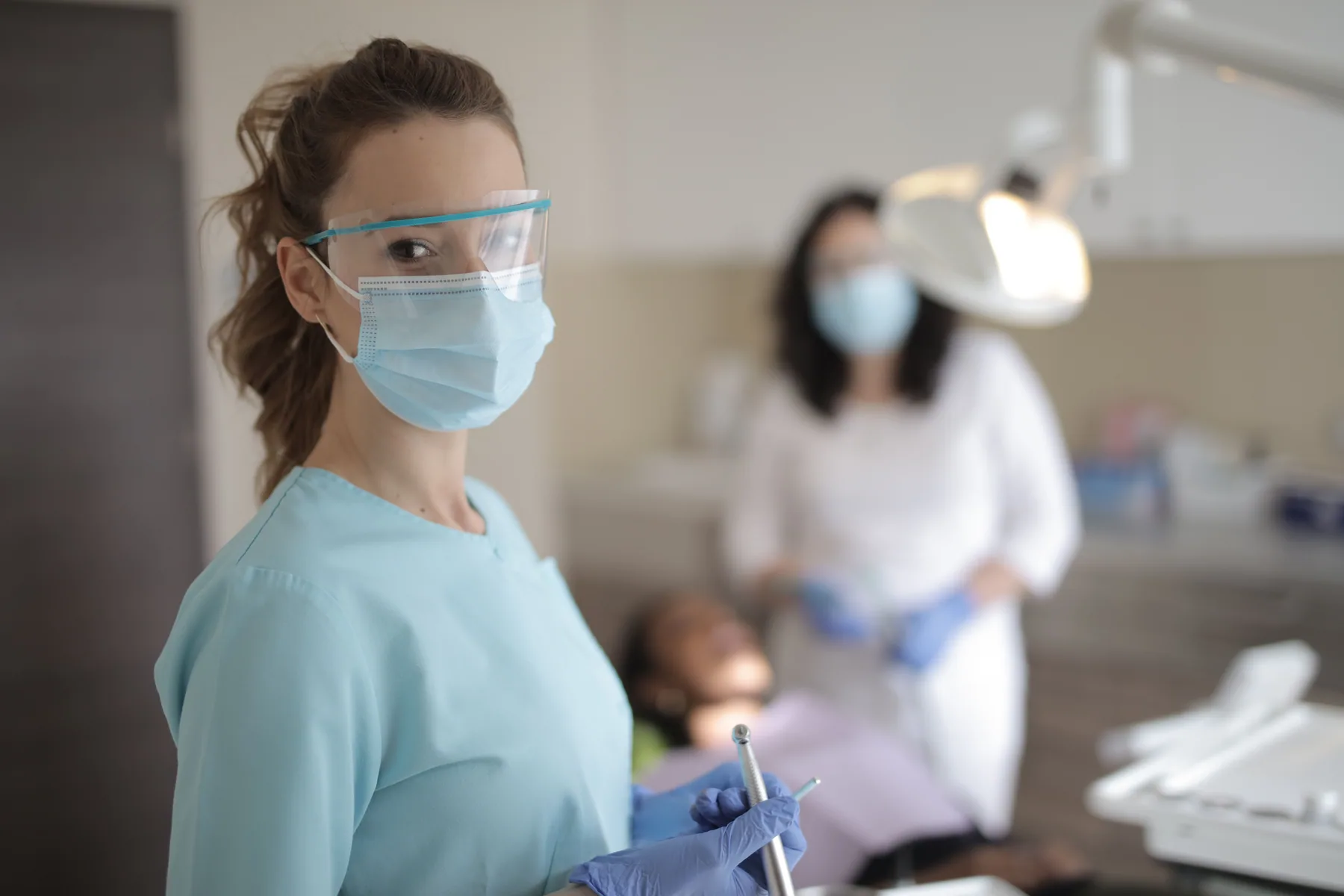
A woman dental professional wearing protective equipment holds instruments in a clinic.
Dental professional reference; not RDH Under One Roof event photography. Photo: Andrea Piacquadio · Pexels License
Exhibit focusProduct comparisonProfessional exchangeThoughtful consultation
Full eventJuly 8–10, 2027
Exhibit hallSeparate 2027 exhibit-hall dates unconfirmed
NashvilleGaylord Opryland Resort & Convention Center
Official show ↗

A show-specific perspective

Build a product experience for the hygiene team

The organizer's future-dates page lists RDH Under One Roof for July 8–10, 2027 at Gaylord Opryland in Nashville. The event's established focus is dental-hygiene education and products, but the separate 2027 exhibit-hall schedule is not confirmed in the reviewed source. Plan the booth concept now while keeping operational commitments tied to current organizer information. The ideas below address exhibit design and product communication, not clinical treatment.

Find your product story
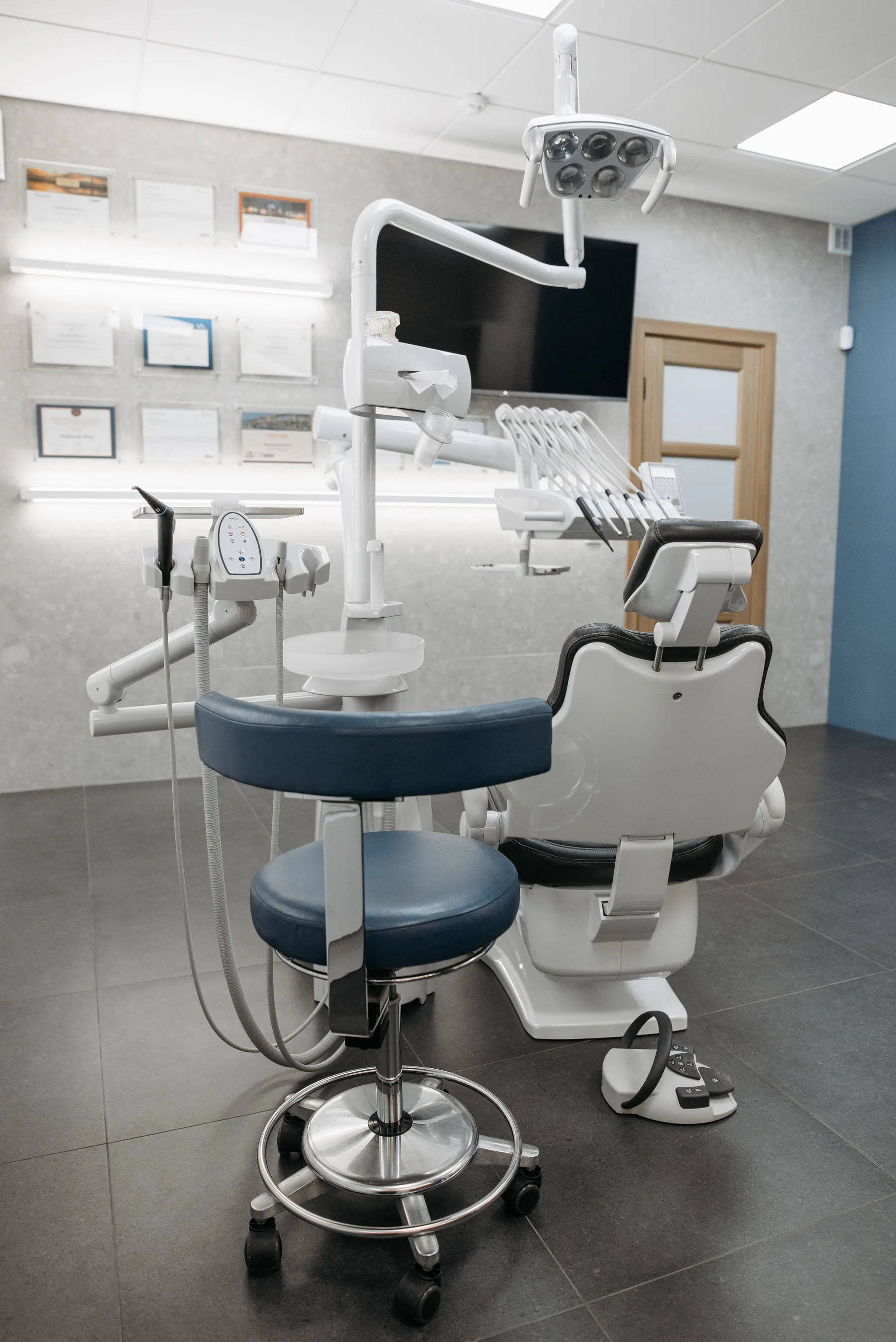
An empty dental office with a chair and modern equipment.
Dental equipment reference; not RDH Under One Roof event photography. Photo: Pavel Danilyuk · Pexels License

The human connection

Make the product expert approachable

Staff should know how to introduce the product, supervise the approved experience and recognize when a question needs a specialist. Assign responsibility for sample distribution, display maintenance and follow-up requests so these tasks do not interrupt every conversation. Rehearse concise explanations that avoid unsupported clinical claims. A friendly, well-organized interaction can make technical information easier to absorb without oversimplifying the product or turning professional questions into a rushed sales script.

Shape the visitor experience
Exhibit concept

A guided product-comparison counter

Create a small sequence that connects a familiar professional need to a clear product introduction, an approved handling experience and an appropriate follow-up. Keep demonstrations understandable and make room for the visitor's own questions instead of requiring everyone to watch a long presentation.

Name the professional task
Frame the display around a task or product category your team can discuss responsibly, such as instrument selection, magnification, patient-education materials or practice workflow. Use language approved by the product owner. Visitors should recognize the topic without encountering broad clinical claims or promises that the booth cannot substantiate.
Present a curated comparison
Choose a few meaningful product options and identify their relevant differences consistently. A tidy comparison tray or display stand helps a visitor understand the range. Preserve the manufacturer-approved context for specifications, and make it clear when the displayed item is a demonstration sample rather than a product for clinical use.
Support the approved experience
Provide an appropriately designed handling position with the materials, supervision and reset arrangements specified by the product team. Check proposed activities with the organizer. An exhibit need not recreate a clinical appointment; a model, display sample or recorded explanation can communicate product features when that is the appropriate format.
Send the right information home
Offer a specific next step: an approved sample request, product documentation, a training-resource link or a discussion with the practice's purchasing team. Record the visitor's interest accurately and avoid collecting patient information. The follow-up should help them revisit the exact product conversation after the meeting.

Built around what you bring

Different products call for different presentation spaces

01

Instruments and accessories

Use organized trays, precise product labels and a clear distinction between display and distributed items. Give staff enough space to explain differences without mixing the comparison sets. Any handling and reset process should come from the product owner and relevant show requirements.

02

Magnification and lighting

Allow time and space for an approved product consultation, with suitable seating or standing positions and controlled presentation lighting. Keep mirrors, reference materials and demonstration devices where the specialist can reach them. Describe the experience accurately without promising an individual ergonomic or clinical outcome.

03

Oral-care products and samples

Present the range with readable packaging and a deliberate sample-distribution plan. Separate the explanatory conversation from the collection point so a queue for take-away products does not hide the display. Confirm current distribution conditions, storage needs and product claims with the responsible brand team.

04

Practice tools and education

Make software, resources and services visible through a short professional workflow using demonstration content. For patient-education products, show an approved example and explain its intended role. Keep any continuing-education or accreditation statement tied to the actual program; a booth demonstration is not automatically an accredited course.

DESIGN NOTES / 01

Give small products a clear visual hierarchy

A dental instrument or compact device can disappear in a large, decorative booth. Start the design with the scale of the object and the way the visitor will examine it. Use uncluttered surfaces, controlled light and concise labels at the product position. A larger visual can explain the category from the aisle, while the physical display provides the close inspection that motivated the visitor to stop.

Prepare the comparison set with the product team before building the counter. Decide which options belong together, which differences are relevant and what supporting information staff need nearby. Keep product labels and screen content consistent with current literature. If an option is not available for handling or distribution, distinguish it clearly so the presentation does not create an expectation the team cannot fulfill.

A closer look

Balance short visits with careful product conversations

RDH's educational focus makes it sensible to plan for visitors who have different amounts of time. This is a design assumption, not a published 2027 traffic schedule. Offer a concise introduction that can stand on its own, then a more detailed interaction for interested visitors. A visible host can explain the available experience and help someone return at a suitable time without blocking the main counter.

Longer consultations deserve an appropriate setting within the exhibit. A quieter seat or side position can support a detailed discussion while another staff member continues the introductory presentation. Keep sample storage and replenishment accessible to the team so the counter stays organized. After the event, follow up on the particular request and respect the distinction between a hygienist's product interest and the practice's purchasing process.

Build your planning checklist
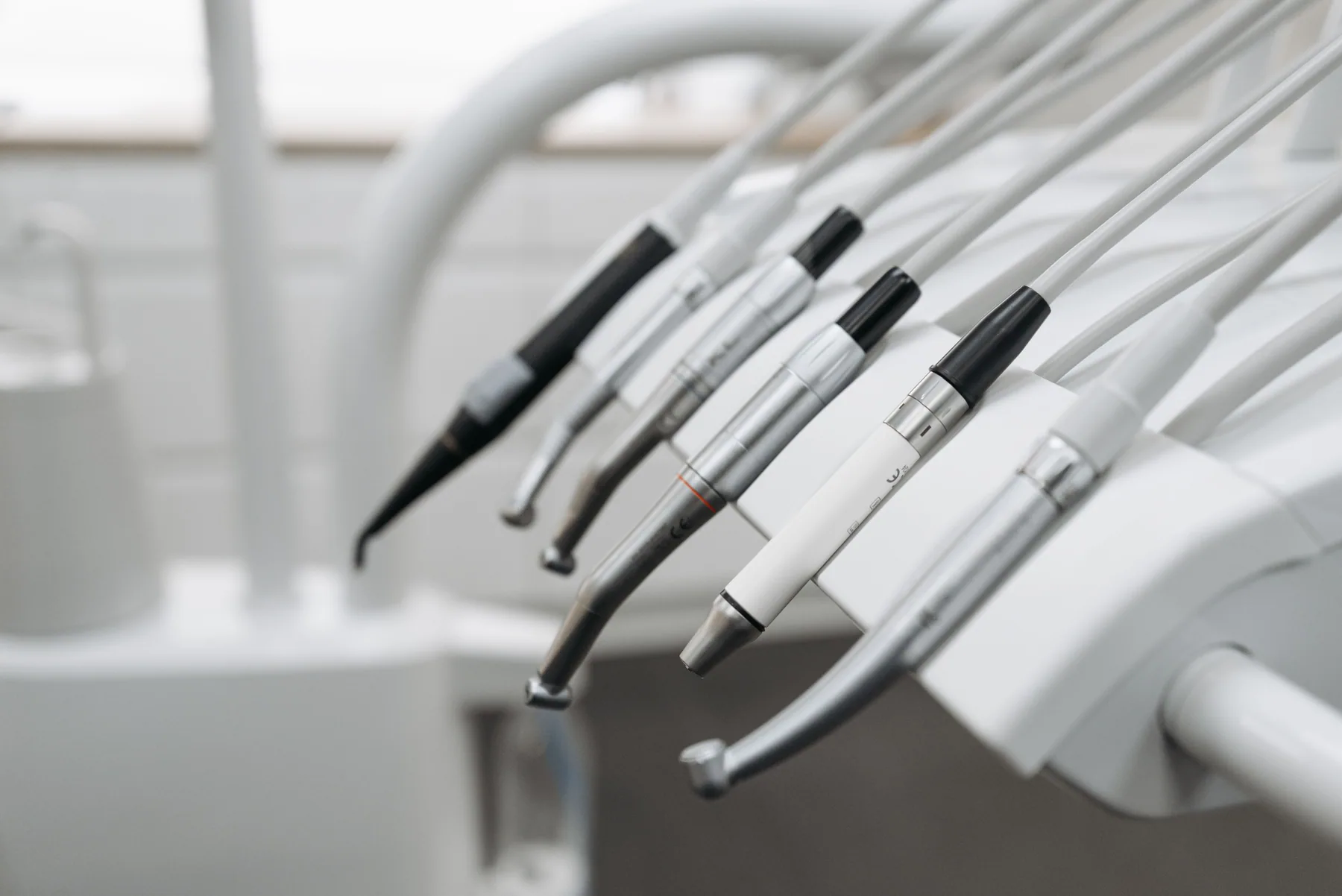
Dental instruments arranged on a holder in a clinic.
Dental instrument reference; not RDH Under One Roof event photography.Photo: Pavel Danilyuk · Pexels License

Useful answers

RDH Under One Roof exhibit questions.

Talk through your brief
When and where is RDH Under One Roof 2027?

The organizer's future-dates listing confirms July 8–10, 2027 at Gaylord Opryland Resort & Convention Center in Nashville, Tennessee. The page is within the older 2025 site, so its explicit 2027 listing is the basis for the dates and venue used here.

Are the 2027 exhibit-hall dates confirmed?

A separate 2027 hall schedule was not confirmed in the reviewed organizer source. Treat July 8–10 as the full-event dates and request current exhibitor information before finalizing freight or booth staffing. The 2025 page's hall hours and daily program should not be reused for 2027.

What should a dental-hygiene booth prioritize?

Choose a useful product conversation that the team can support well. A clear comparison, readable product identification and an approved hands-on or display experience provide a strong structure. Give visitors a specific route to documentation, samples or a deeper professional discussion.

Can we offer hands-on product experiences?

Potentially, with the product owner's approved format and the organizer's relevant requirements confirmed. The exhibit team should plan the appropriate space, supervision, storage and reset process. A model or display-only demonstration may be the better choice for some products and circumstances.

How can a booth present magnification products effectively?

Provide a consultation position suited to the product team's approved process, with controlled lighting and room for the specialist and visitor. Keep supporting information nearby. Discuss product features accurately and avoid guaranteeing an individual comfort, ergonomic or clinical result through the exhibit experience.

How should sample distribution fit into the layout?

Give it an identifiable position that does not obstruct product viewing or longer discussions. Keep display sets organized and replenish distribution stock from staff-accessible storage. Confirm the brand's current conditions for samples and preserve enough interaction to understand what information the visitor needs.

Can booth presentations be described as continuing education?

Only when the specific presentation has the appropriate confirmed status and the organizer or responsible provider authorizes that description. Do not assume that a product demonstration carries credit because the wider event offers education. Keep the booth's wording aligned with the actual approved program.

What helps a hygienist share product information with a practice?

Provide the exact product identification, relevant approved documentation and a clear contact for purchasing or technical questions. A concise follow-up that recalls the requested information is useful. Avoid treating personal interest as proof that the visitor controls a practice's purchasing decision.

Your working checklist

Prepare for an organized hygiene-product exhibit

0 of 12 items confirmed

Confirm the brief
Design the experience
Prepare the delivery

Choose the working space

A footprint with a purpose.

Layout direction 1

A focused product counter

For a compact space, choose one product story and a manageable comparison set. Keep the entrance open, labels readable and storage close to staff. Add a small information position without placing a seated conversation across the path to the main display.

Explore this approach
Layout direction 2

Try-and-discuss layout

An expanded booth can separate the approved product experience from a follow-up conversation. Give each area the equipment and documents it needs, and keep visitor movement intuitive. This works best when staffing supports both interactions at once rather than leaving one station unattended.

Explore this approach
Layout direction 3

A portfolio with distinct destinations

Group a broader range by professional need or product category, using a host and clear station labels. Reserve enough space for any longer consultations and sample distribution. Confirm the actual contracted space and 2027 display requirements before committing to a large structure or overhead element.

Explore this approach

Conceptual layouts, adapted to your confirmed footprint, open sides, equipment and current show requirements.

Include the work behind each product experience

Beyond the booth structure, allow for product-display fabrication, demonstration devices, lighting, content preparation, sample storage, freight and onsite support. A consultation station may also need specialist staffing and more usable floor space than a simple shelf. Separate reusable assets from product-specific items in the estimate. If the scope must be reduced, preserve the clarity and reliability of the primary experience before adding extra product categories or decorative features.

The practical details

Nashville dates with the right planning caveat

Organizer information checked September 16, 2026. Event dates and exhibit-hall dates are labeled separately.

Plan from the current editionThe 2027 date and venue are explicitly listed in the organizer's FAQ future-events section, even though the URL and most surrounding material belong to 2025. Do not carry forward old hall hours, course information, exhibitor counts or registration benefits as 2027 facts. Confirm those details in the new edition's documents. Purple is independent of RDH Under One Roof.

JUST SHOW UP.

Plan a better dental-hygiene product experience

Share your display products, preferred interactions and intended footprint. Purple can develop a booth concept that gives hygienists a clear introduction, a considered product experience and a useful next step.

(800) 994-8030info@purpleexhibits.comExhibit design · custom builds · rentals · show coordination

Request a proposal

Tell us what you are bringing to RDH Under One Roof and what your exhibit needs to accomplish.

Add booth details (optional)

Your request goes to Purple’s exhibit team.

Plan my RDH Under One Roof exhibitCall Purple