Purple Exhibits
Trade shows/July 2027/ADLM Clinical Lab Expo

The clinical laboratoryChicago / 2027

ADLM Clinical Lab Expo 2027 · Custom exhibit design & build Make the workflow easy to explore.

A clinical-laboratory exhibit should help visitors understand the product, follow its role in the workflow and find the right specialist. Purple can help shape an ADLM booth around clear demonstrations, approved evidence and productive technical conversations.

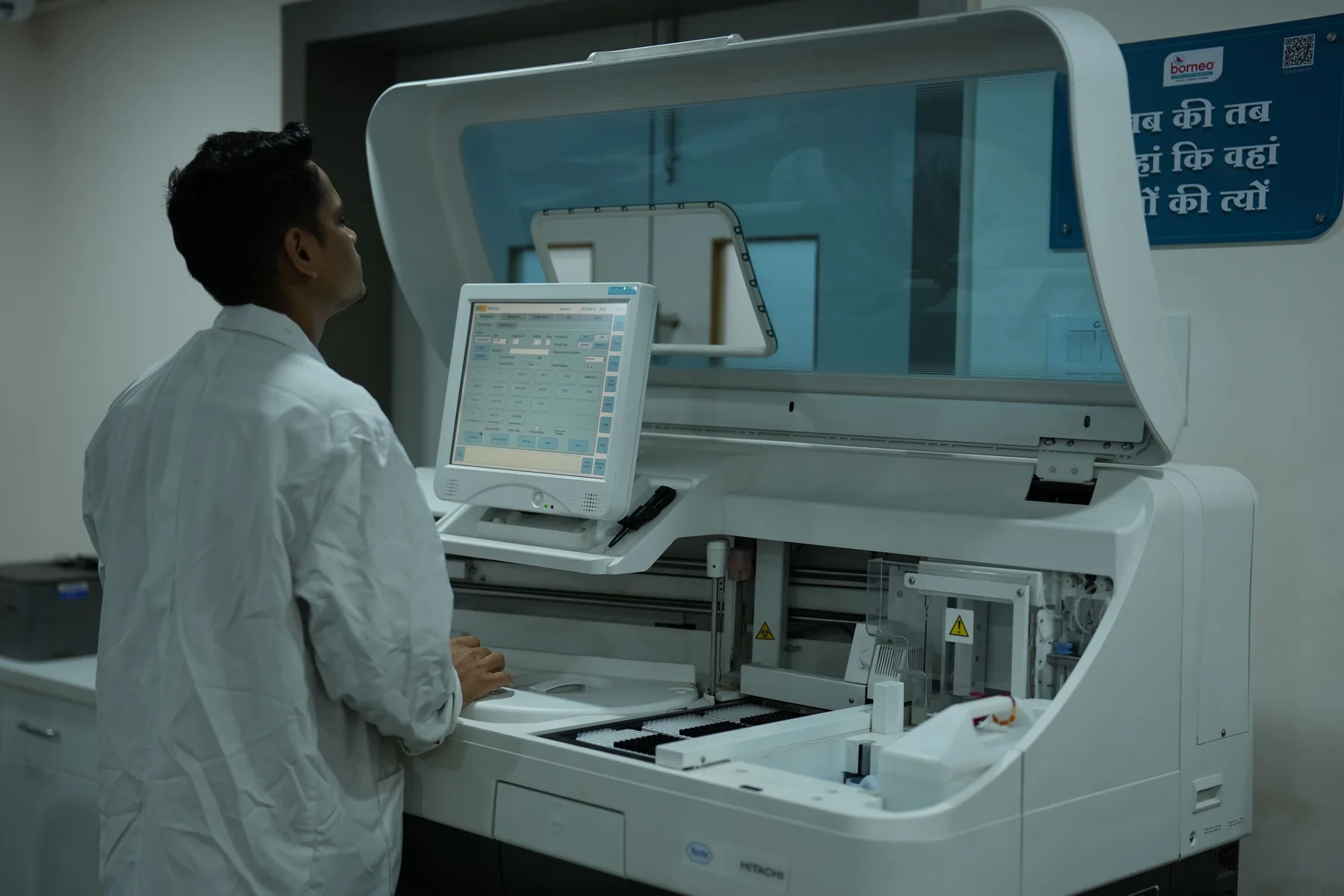
A laboratory technician operates a clinical analyzer.
Clinical laboratory workflow · industry reference photograph Photo: JW MEDICARE PVT LTD · Pexels License
Exhibit focusInstrument discoveryWorkflow demonstrationsScientific exchange
Full eventJuly 25–29, 2027
Exhibit hallClinical Lab Expo: July 27–29, 2027
ChicagoMcCormick Place Convention Center
Official show ↗

A show-specific perspective

Connect the instrument to the laboratory question

Laboratory buyers may arrive with a question about workflow, integration, space or a particular application. A compelling exhibit gives those questions a visible starting point. We recommend a sequence that connects an approved application story to the relevant instrument, interface and specialist. The environment should make complex information approachable while keeping product claims and demonstration content under the exhibitor’s review.

Find your product story

Built around what you bring

Design around what the visitor needs to see

01

Diagnostic instruments

Start with the real dimensions, viewing requirements and approved display configuration. Custom counters can organize the presentation and conceal exhibit supplies, but they must be reviewed against the instrument’s needs. Keep the product identity visible even when several people gather for a demonstration.

02

Assays and test portfolios

Create a structured application library that lets a specialist select relevant information. Use a consistent visual hierarchy for approved indications, product status and supporting references as applicable. The exhibit should clarify the portfolio without turning a complex technical discussion into an unsupported headline.

03

Laboratory software

Use a short guided journey through the feature visitors need to understand. Present demonstration records rather than identifiable patient or customer data. A nearby discussion point can support integration and implementation questions without keeping the principal demonstration screen occupied throughout a long meeting.

04

Automation and connected systems

Connect physical components with a readable workflow graphic or approved animation. Show what is present in the booth and what is represented conceptually. The design should help a visitor understand the relationships between products before a specialist moves into system-specific details.

The visitor-facing laboratory

A guided laboratory workflow

Use a simple, visitor-facing sequence to connect the parts of your offer. It can support an instrument launch, a diagnostics portfolio or a software-led story. This is an exhibit communication concept; the product team controls technical accuracy and what may be demonstrated.

Exhibit communication studyADLM
  1. Start with a relevant application

    Use one concise, approved question to identify each station’s purpose. Visitors should be able to tell whether the topic relates to their laboratory before committing to a demonstration. Keep a fuller product description available without putting every detail into the aisle-facing headline.

  2. Make the instrument legible

    Position the product so the features being discussed are visible from the planned audience location. Coordinate any counters or enclosures with the product owner. Include a useful explanation for periods when the instrument is static or a specialist is assisting another visitor.

  3. Show the information flow

    A prepared interface demonstration can connect the instrument to the next part of the laboratory story. Use approved demonstration data and explain what is simulated. Give visitors room to see the screen and ask questions without standing across another station’s viewing area.

  4. Provide an evidence conversation

    Offer a place to review approved supporting materials with the appropriate specialist. The setting should accommodate documents, a screen and clear discussion. Capture the visitor’s actual question and agreed follow-up so the conversation can continue with the right technical context after the show.

A closer look

Make the demonstration comfortable to follow

Clinical-laboratory products often involve details that are difficult to see from a distance. Decide what needs direct inspection, what benefits from a camera or screen, and what belongs in a seated conversation. A clear viewing position is more useful than simply adding another monitor. Evaluate the prototype layout with the people who will demonstrate the product, including where they stand, point and place supporting materials.

Keep the meeting area close enough to reference the display while allowing a more focused exchange. A visitor comparing several products may need notes, a laptop and room for a colleague. Provide a considered path between the application station and that conversation. Dedicated storage for demonstration supplies, printed evidence and personal items keeps the public surfaces ready for the next visitor throughout the expo.

Build your planning checklist
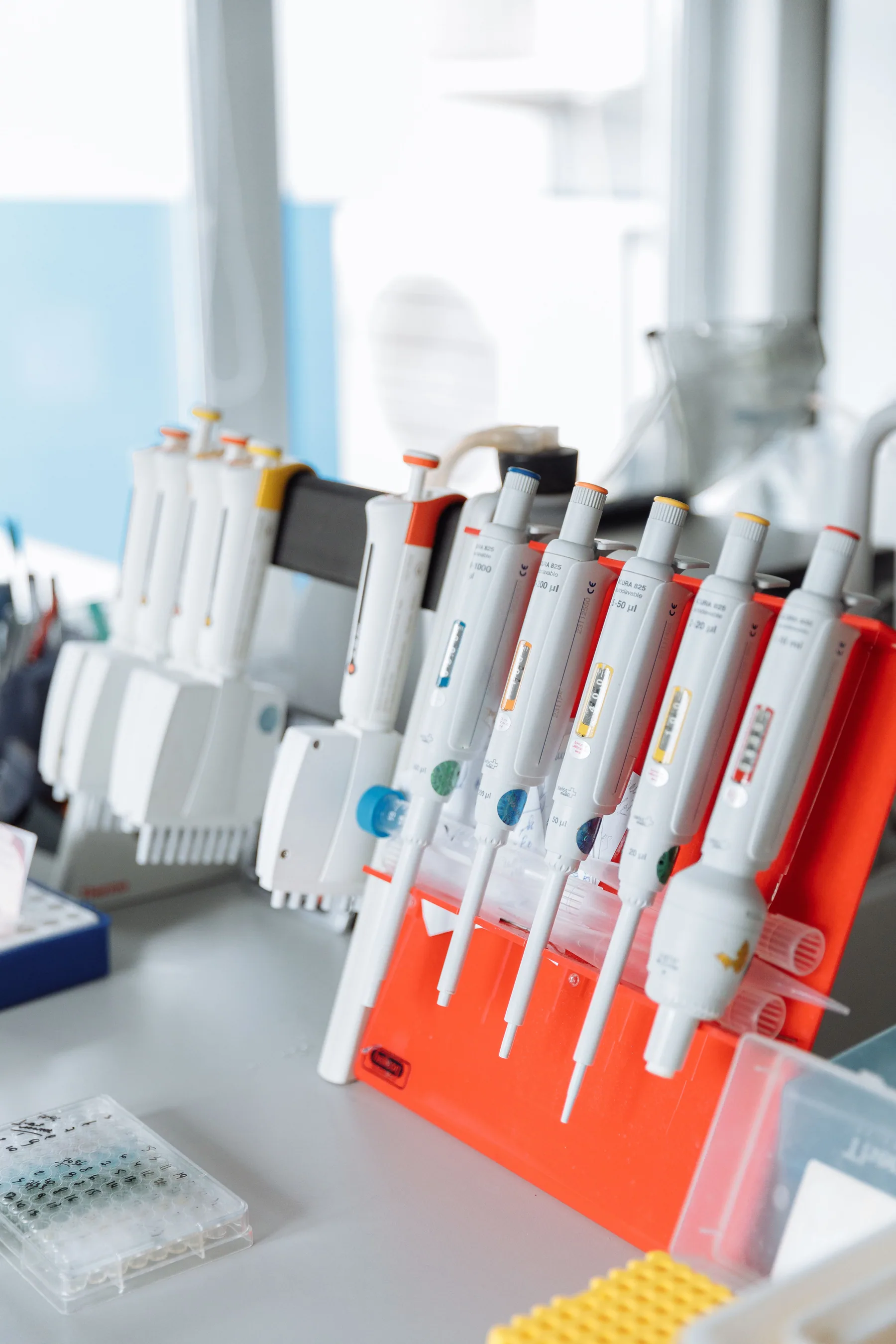
Pipettes arranged on a laboratory bench.
Laboratory tools · industry reference photographPhoto: Thirdman · Pexels License

DESIGN NOTES / 01

Give scientific detail a clear visual hierarchy

A booth needs information at several distances. The aisle message identifies the application; the station heading explains the product; the specialist’s materials support a deeper discussion. Plan those layers together so a large brand statement does not crowd out essential context. The same terminology should connect graphics, screens and printed material. That consistency helps staff explain the offer and helps visitors recall the product they actually discussed.

Build review time into the content process. Product, scientific, regulatory and legal reviewers may need to approve different parts of the presentation, depending on the exhibitor’s business and internal procedures. Assign an owner to every claim, image and demonstration asset. Record which version is approved before graphics are fabricated or media files are distributed. This is a practical content-management recommendation, not a substitute for the exhibitor’s own review requirements.

Two women work with samples in a laboratory.
Laboratory teamwork · industry reference photographPhoto: www.kaboompics.com · Pexels License

The human connection

Bring the right specialist into the conversation

Develop an easy handoff between the greeter, product demonstrator and scientific or implementation specialist. Staff should know which questions they can answer and who owns the next level of detail. A shared appointment view and concise lead notes can preserve context. Design the space so a visitor can participate comfortably, with accessibility considered during the layout and furniture review.

Shape the visitor experience

Your working checklist

Prepare an ADLM brief the whole team can use

0 of 12 items confirmed

Confirm the brief
Design the experience
Prepare the delivery

The practical details

ADLM 2027 meeting and expo dates

Organizer information checked September 16, 2026. Event dates and exhibit-hall dates are labeled separately.

Plan from the current editionThe full ADLM meeting is July 25–29, 2027 in Chicago at McCormick Place Convention Center. The Clinical Lab Expo runs July 27–29. Organizer facts are linked below; exhibit concepts are independent design recommendations. Purple is not affiliated with ADLM and this page does not provide clinical or treatment guidance.

Useful answers

ADLM Clinical Lab Expo exhibit questions.

Talk through your brief
What are the ADLM 2027 expo dates?

The Clinical Lab Expo runs July 27–29, 2027. The wider ADLM meeting runs July 25–29. Keep those date ranges separate when scheduling booth appointments, staff travel and conference participation. Installation and dismantling times must be confirmed through the exhibitor documentation.

Where is ADLM 2027 being held?

The organizer identifies Chicago, Illinois, and McCormick Place Convention Center. Confirm your booth allocation and service arrangements through the official exhibitor process. Share those documents with the exhibit team once available so the design is based on the correct space and requirements.

How should we present a diagnostic instrument?

Begin with what the visitor must see and what the product owner approves for display. A tailored counter, nearby explanation and considered screen position can support the presentation. The instrument’s requirements should guide the fixture design, with technical details reviewed by the responsible product specialists.

Can a booth show an entire laboratory workflow?

Yes, through a combination of physical products, approved graphics and demonstration interfaces. Make clear which elements are present and which are represented. A strong sequence helps visitors understand the relationships, while specialists remain available for product-specific questions and supporting evidence.

Who should approve the graphics and demonstrations?

The exhibitor should designate the relevant product, scientific and other internal reviewers. Keep an approval record for claims, visuals and media versions. Purple can help organize the exhibit content, but the exhibitor remains the source of product accuracy and the authority for its own review process.

How can we support private technical meetings?

Reserve a setting appropriate to the group size and the material being discussed. Consider acoustic conditions, screen visibility and the route from the product station. A meeting room is only useful if the team can manage appointments and bring the right specialist and supporting information into it.

What should our budget account for?

Include product fixtures, exhibit fabrication, graphics, screens, content preparation, freight and installation. Add organizer or venue services as identified by the relevant providers. The best starting point is a prioritized instrument and application list, with clear assumptions about what will be live, static or represented digitally.

What does Purple need to start a concept?

Provide the booth dimensions, product inventory, priority audience and proposed demonstrations. Include brand guidance, approved messages and existing reusable assets. Identify the people who will review product presentation and content so the initial concept can develop into a coordinated, reviewable exhibit plan.

Choose the working space

A footprint with a purpose.

Layout direction 1

Focused application booth

Use one product or workflow as the main entry point, supported by a concise evidence display and an uncluttered conversation counter. This can suit a specialist supplier with a clear application. Avoid asking a small footprint to carry an entire portfolio at equal prominence.

Explore this approach
Layout direction 2

Instrument and software studio

Pair a physical instrument presentation with an interface station and a dedicated discussion position. The layout should let the team move from a visible product feature to a relevant workflow question. Confirm the exact booth allocation before selecting counters and screens.

Explore this approach
Layout direction 3

Portfolio environment

Group stations by application or customer need and use a consistent information hierarchy across them. Shared meeting rooms and storage can support multiple teams. Plan sightlines carefully so the largest instrument does not hide smaller products or make the welcome position hard to find.

Explore this approach

Conceptual layouts, adapted to your confirmed footprint, open sides, equipment and current show requirements.

Invest in clarity and product presentation

Instrument supports, custom counters, media, meeting space and portfolio breadth all influence scope. Freight and product handling can add separate requirements. Content preparation and review should also be planned early, particularly when screens and graphics need coordinated approval. Compare concepts against the number of useful demonstrations and conversations they support, with reusable exhibit elements separated from launch-specific graphics and product fixtures.

JUST SHOW UP.

Build a clearer laboratory story

Share your ADLM footprint, instrument list and the questions your team wants to answer. Purple can help connect the products, approved content and meeting spaces in one considered exhibit concept.

(800) 994-8030info@purpleexhibits.comExhibit design · custom builds · rentals · show coordination

Request a proposal

Tell us what you are bringing to ADLM Clinical Lab Expo and what your exhibit needs to accomplish.

Add booth details (optional)

Your request goes to Purple’s exhibit team.

Plan my ADLM Clinical Lab Expo exhibitCall Purple