Purple Exhibits
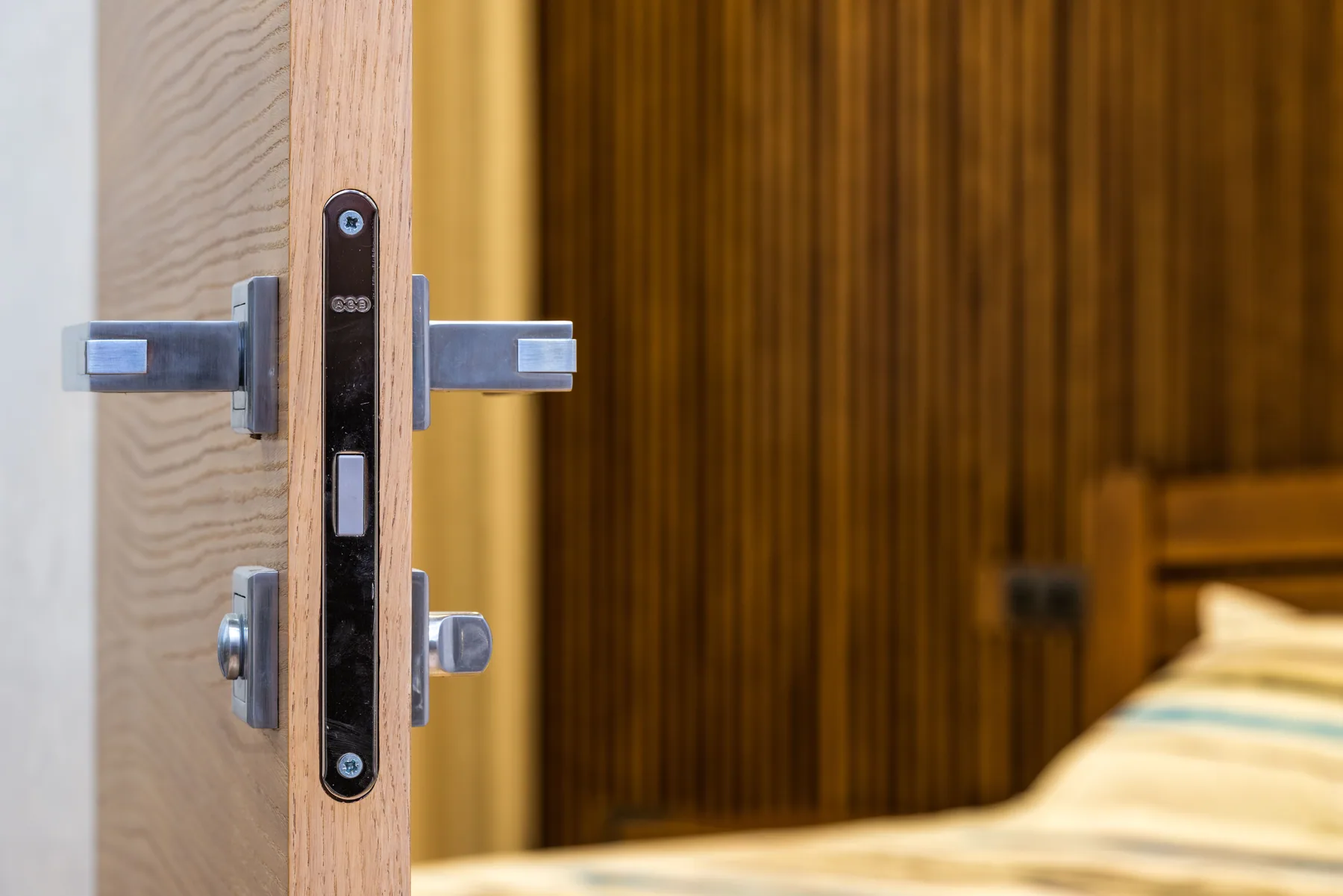
A modern wooden door with a metal handle and lock opens toward a bedroom.
Door-hardware application reference; not ALOA event photography. Photo: Max Vakhtbovych · Pexels License

The security hardware galleryRosemont / 2027

ALOA 2027 · Custom exhibit design & build Put the hardware within reach.

Security professionals need to see how a product feels, fits and connects to their work. An ALOA exhibit can make those conversations tangible through a well-planned hardware wall, a clear demonstration bench and space to discuss the next commercial step.

Exhibit focusHardware handlingProduct demonstrationsDealer conversations
Full eventJuly 11–17, 2027
Exhibit hallJuly 16–17, 2027
RosemontDonald E. Stephens Convention Center and Hyatt Regency O'Hare Chicago
Official show ↗

A show-specific perspective

Turn a hardware range into a usable display

The official ALOA exhibitor page confirms the 2027 Convention & Security Expo in Rosemont, Illinois, with the Security Expo on July 16–17 and the wider convention July 11–17. The organizer specifically promotes hands-on demonstrations and new-product introductions. The design opportunity is to make an authorized product demonstration easy to follow without crowding the visitor, the presenter or the aisle.

Find your product story
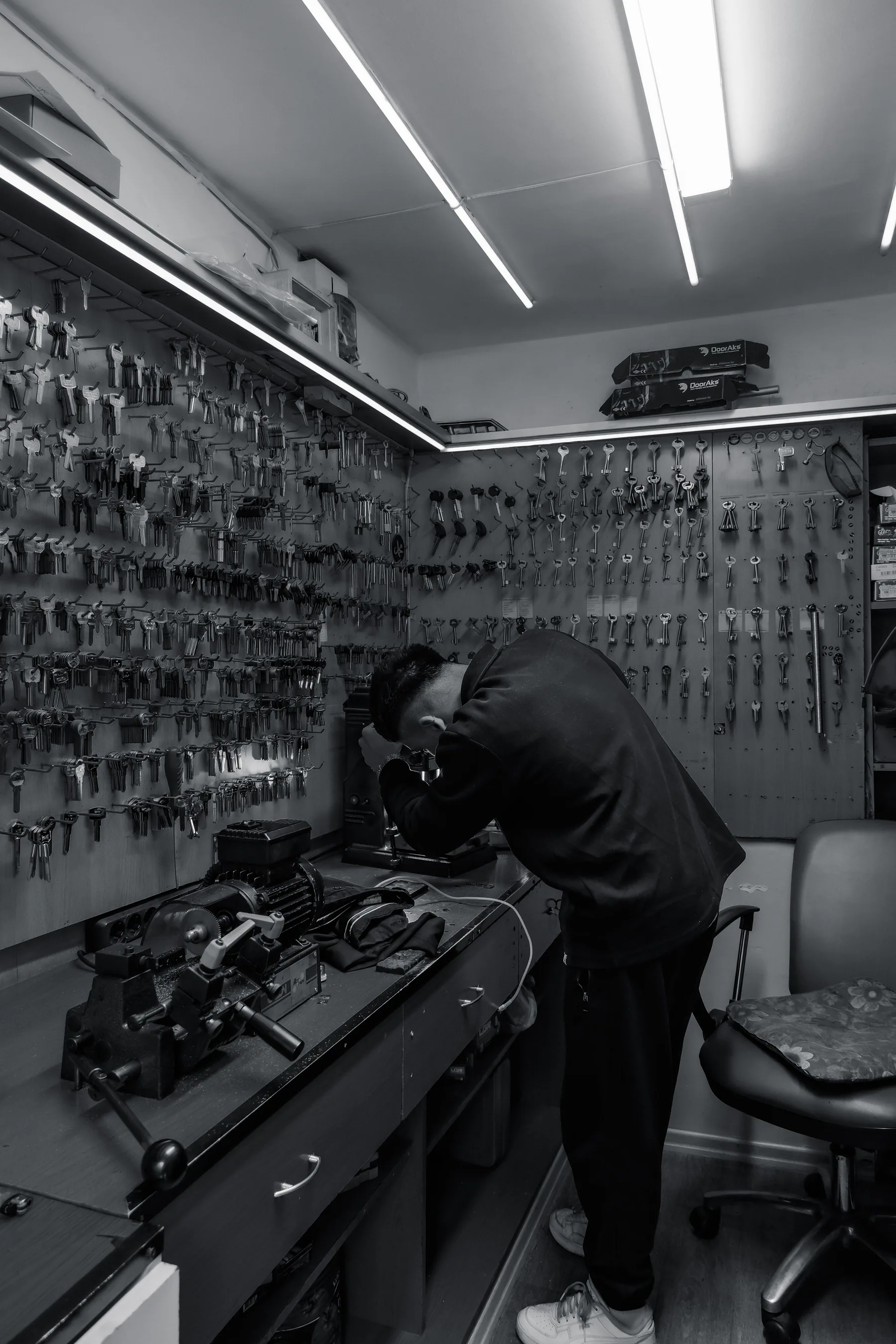
A locksmith works in a shop filled with keys in Istanbul.
Locksmith trade reference photographed in Istanbul; not ALOA event photography.Photo: Crab Lens · Pexels License

The human connection

Give every station a responsible product owner

Staff a hardware wall with people who can identify the products, explain approved use and recognize the limits of the demonstration. Assign someone to maintain the presentation units and someone to own requests for documentation or appointments. Rehearse the transition from a quick comparison to a detailed conversation. If the booth team includes representatives from different product lines, use shared application labels and an internal routing guide so visitors are directed consistently.

Shape the visitor experience

Built around what you bring

Match each security category to the right interaction

01

Locks and door hardware

Let the display communicate finish, form and normal product interaction. Use approved mounting arrangements and keep comparison labels close to the exact item they describe. Presenting several related items consistently helps visitors assess differences without relying on a presenter to identify everything from memory.

02

Electronic access products

Pair the visible device with a simple explanation of its supported role and a controlled demonstration environment. Use demonstration credentials and approved sample data. Make any simulated or disconnected elements clear so visitors understand what is actually being shown and what would require a separate system discussion.

03

Tools and workshop equipment

Give tools a tidy, supervised bench with enough space for the authorized presentation. Confirm handling arrangements with the manufacturer and the organizer. The exhibit can communicate build quality, interface and intended purpose.

04

Software and service platforms

Use a short business workflow, such as a demonstration job record or authorized access-management scenario, to make the product concrete. Keep the screen readable from the visitor position. Separate the overview from deeper configuration questions so the main demonstration does not stall during a detailed discussion.

A closer look

Support a professional discussion without exposing real systems

An access-control presentation is easier to follow when it uses a purpose-built demonstration environment. Agree the scenario in advance and show only approved content. Avoid real customer credentials, identifiable user records or operational system details in public screens and printed examples. Clearly labeled demonstration data lets the presenter discuss product functions while keeping the conversation anchored in the exhibit's legitimate purpose.

The booth should also accommodate questions that cannot be answered responsibly in a quick public demonstration. Give staff a way to schedule a technical follow-up or move a commercial discussion to a quieter position. The handoff is part of the experience: a visitor should know who will respond, what documentation they will receive and which application question will be addressed next.

Build your planning checklist
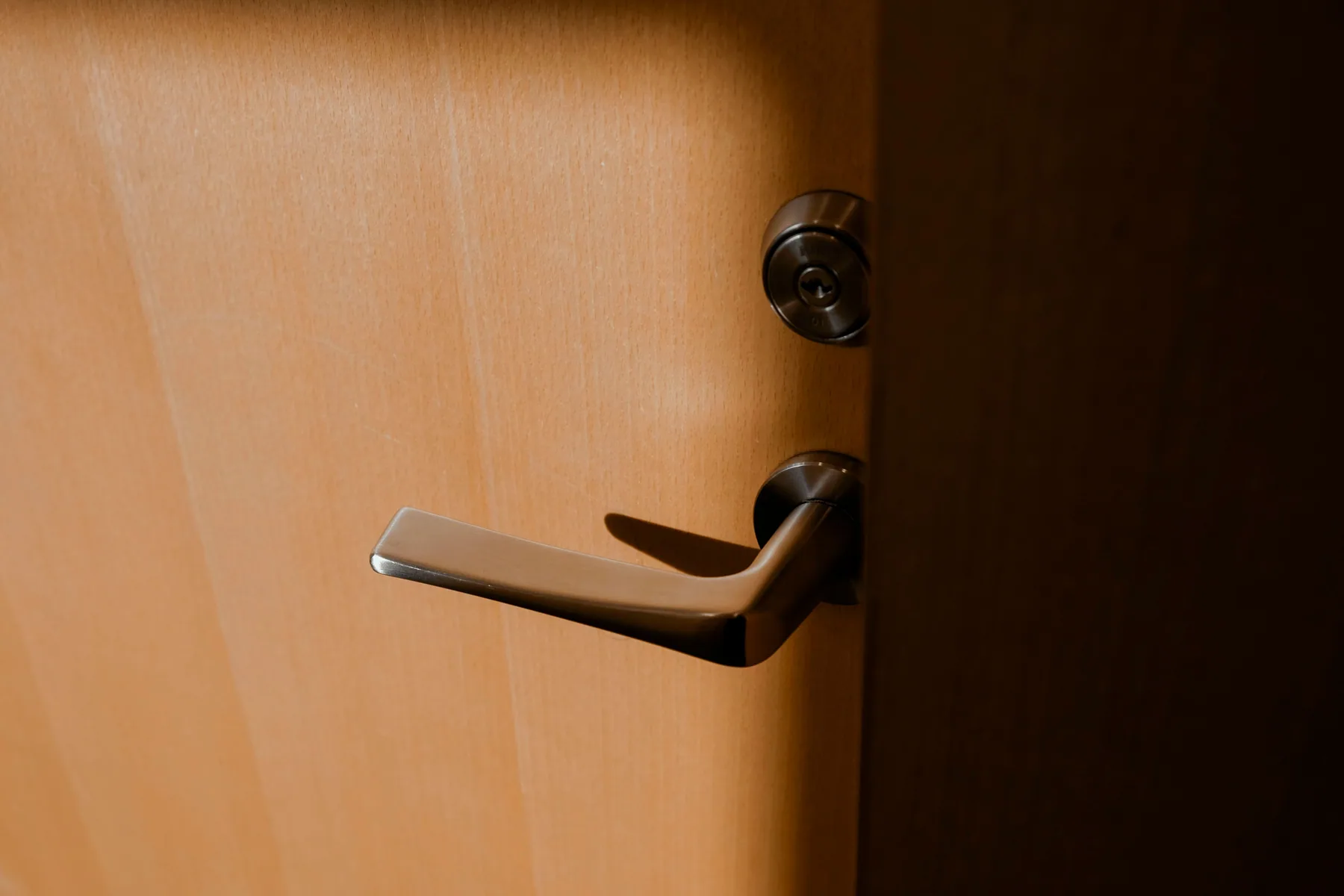
A silver handle and lock on a wooden door in warm light.
Door-hardware detail reference; not ALOA event photography.Photo: 𝗛&𝗖𝗢 · Pexels License
Exhibit concept

A door-and-device demonstration studio

Give a visitor a simple route from a familiar application to a product comparison and a discussion of fit. Present legitimate, manufacturer-approved operation on demonstration fixtures, with the right documentation nearby and clear staff ownership of each station.

Start with the application

Organize the first view around applications your range actually supports, such as commercial openings, residential hardware or access-management products. Avoid an undifferentiated board of components. A short category label and a recognizable fixture help the visitor choose the conversation that is relevant to their work.

Make the fixture convincing

Use a product-owner-approved demonstration door, panel or support that shows the hardware in a suitable context. Plan handles, readers, screens and labels as one composition. The display should provide a stable viewing and interaction position without pretending to reproduce a complete installed security system.

Compare a few clear choices

Create a deliberate comparison using approved specifications, finishes or supported configurations. Keep similar products aligned so their differences are legible. Staff should be able to explain why a choice matters to a particular application without making broad compatibility or performance claims that the supplied documentation does not support.

Close with an appropriate handoff

Route visitors toward a distributor conversation, product documentation, training information or a technical follow-up. Record the application and the specific point of interest. A clear handoff helps the team distinguish an installer question from a purchasing conversation without forcing both through the same generic lead form.

DESIGN NOTES / 01

Design the fixture before the graphic wall

Door hardware has a physical relationship to its support. A useful exhibit brief therefore begins with the demonstration fixture, component inventory and approved mounting information. Record the dimensions, weight and interaction each display requires, then plan the graphic around it. This prevents a visually strong facade from leaving handles crowded together, screens in awkward positions or essential features difficult to see.

Plan how fixtures will travel, assemble and remain serviceable during the event. A removable panel may make a hardware update practical; accessible cable management can help staff keep a demonstration tidy. Confirm all such details with the product owner and exhibit builder. The final fixture should be reviewed in its intended configuration before it ships, including labels, screen content and the materials staff will use.

Choose the working space

A footprint with a purpose.

Layout direction 1

Hardware-focused inline booth

Use a concise vertical display with a clear viewing and interaction zone in front. Keep the number of products manageable and store duplicates out of sight. Place a small discussion surface where it will not obstruct access to the central fixture or reduce the visibility of the product labels.

Explore this approach
Layout direction 2

Demonstration bench plus consultation

An expanded space can separate the active presentation from a specification or purchasing discussion. Give both positions the documents and devices they need so staff do not continually interrupt one another. Use the plan to control visitor movement around fixtures and preserve a clear entrance.

Explore this approach
Layout direction 3

Multi-category security exhibit

Group stations by application, with a host helping visitors find the correct specialist. Include a visible orientation graphic and an appropriate meeting position. More product categories also require more staffing and content coordination; scale the experience to the team's ability to support simultaneous conversations.

Explore this approach

Conceptual layouts, adapted to your confirmed footprint, open sides, equipment and current show requirements.

Count fixtures, configuration and support

Custom demonstration doors, durable mounting panels, powered devices, freight weight, screen content and product preparation can matter as much as the booth structure. Request a scope that separates the reusable exhibit from product-specific fixtures and onsite services. Consider which components can be updated for later events without rebuilding the entire display. A smaller number of well-prepared demonstrations can be easier to staff and maintain than a broad product wall with inconsistent presentation units.

The practical details

Rosemont convention and expo planning

Organizer information checked September 16, 2026. Event dates and exhibit-hall dates are labeled separately.

Plan from the current editionALOA's official exhibitor page lists the Donald E. Stephens Convention Center and Hyatt Regency O'Hare Chicago in Rosemont for the 2027 event. It separates the July 16–17 Security Expo from the July 11–17 convention. Confirm your specific exhibit location, service orders and access arrangements through the organizer's current documents. Purple is independent of ALOA.

Your working checklist

Prepare the hardware and the conversation

0 of 12 items confirmed

Confirm the brief
Design the experience
Prepare the delivery

Useful answers

ALOA exhibit questions.

Talk through your brief
When is the ALOA Security Expo in 2027?

The official exhibitor page lists July 16–17, 2027 for the Security Expo. The wider convention runs July 11–17. The event is in Rosemont, Illinois, with Donald E. Stephens Convention Center and Hyatt Regency O'Hare Chicago named by the organizer.

What makes a security-hardware booth useful?

A coherent application, stable approved fixtures and a knowledgeable presenter create a strong starting point. Visitors should be able to identify the product, inspect relevant features and understand the next step. Clear comparisons and readable labels support that conversation better than a crowded assortment of disconnected hardware.

Should our display use full demonstration doors?

Use the fixture that best explains the approved product interaction within your space and shipping plan. A full door may be appropriate for some hardware, while a smaller manufacturer-approved panel may suit another product. Review visibility, accessibility, weight and assembly requirements before choosing the final format.

How should electronic access products be demonstrated?

Use an approved demonstration environment, with appropriate sample data and clear explanation of what is live or simulated. Keep the presentation focused on authorized product functions. Questions about a visitor's real installation can be routed to a separate technical discussion instead of exposing operational details on a public screen.

Can one booth support distributors and installers?

Yes, if the team can distinguish their needs early. An installer may want product details or training information, while a distributor may need a commercial conversation. Create a simple staff handoff and appropriate documentation for each so the same display supports useful, different discussions.

What should be tested before shipment?

Review the complete presentation fixture, product identification, demonstration sequence, screens and approved supporting documents together. Confirm that components fit the packing plan and that the onsite team understands assembly responsibilities. A photograph of the finished configuration can help the team reproduce the intended setup.

How can we prepare for future security exhibitions?

Separate durable structural elements from replaceable product panels and graphics. Document mounting arrangements and shipping contents, and keep the demonstration content maintainable. Recheck future footprints and event requirements rather than assuming that one approved layout will apply across every exhibition.

JUST SHOW UP.

Shape a security exhibit around real products

Share your hardware range, demonstration fixtures and priority audiences. Purple can develop a booth concept that makes product interaction clear and gives technical and commercial conversations the space they need.

(800) 994-8030info@purpleexhibits.comExhibit design · custom builds · rentals · show coordination

Request a proposal

Tell us what you are bringing to ALOA and what your exhibit needs to accomplish.

Add booth details (optional)

Your request goes to Purple’s exhibit team.

Plan my ALOA exhibitCall Purple