Clinical & operational software
Use a recognizable task and a concise workflow. Position the interface so a small group can follow without crowding the presenter.

HIMSS 2027 · EXHIBIT DESIGN & BUILD
Show healthcare technology in the context of the people who use it. Purple designs HIMSS exhibits that connect software, devices and real-world workflow demonstrations with room for thoughtful conversations.
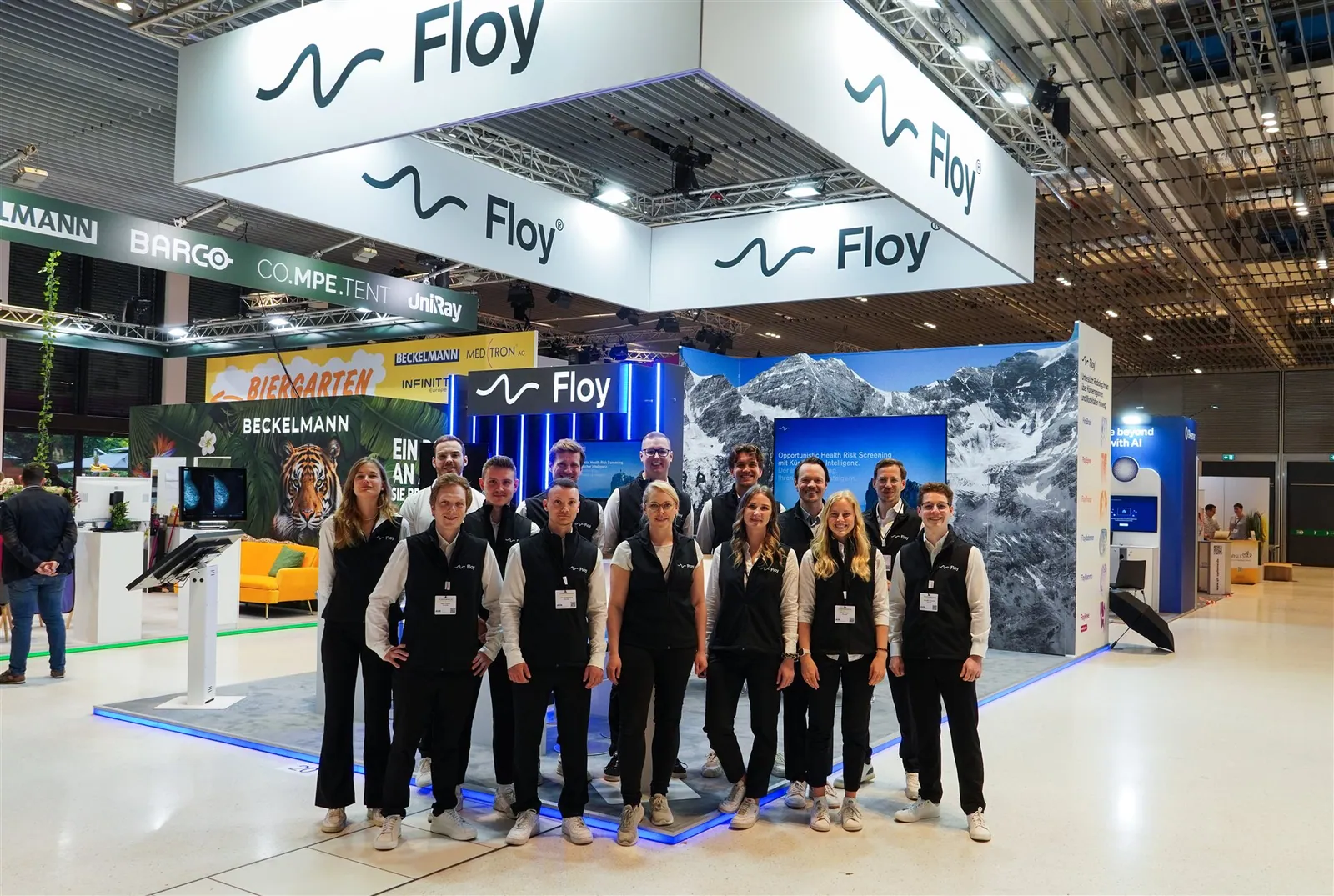
Healthcare IT & digital health
A HIMSS booth may speak to clinicians, IT leaders and procurement teams in the same hour. Give each visitor a clear way into the story, then let the demonstration connect the technology with a specific care or operational workflow.
Healthcare IT explained through a patient journey, system handoffs and focused clinical conversations.
How Purple plans any show ↗A DIFFERENT DISPLAY FOR EACH OFFER
Use approved demonstration data and defined workflows. Confirm devices, connectivity, interface permissions, screen layouts and a backup version. Your product team should approve the accuracy and suitability of all clinical and technical demonstrations.
Use a recognizable task and a concise workflow. Position the interface so a small group can follow without crowding the presenter.
Combine hands-on access with clear explanations of the device, software and data flow. Plan charging, security and the display surface around actual hardware.
Give technical teams a place to examine integration details while other visitors receive a short overview. Clear architecture graphics can support both conversations.
EVIDENCE & EVALUATION
A clinician may begin with the interaction at the point of use, while an IT leader starts with system integration. Arrange the booth so both can enter the same story from a relevant point. Clear station labels can do more than a long feature list.
Use the host to direct people to the right specialist. Keep quick workflow demonstrations close to the entrance and longer integration discussions farther inside. A shared stakeholder table helps the team reconnect the perspectives without taking over the public display.
THE PEOPLE. THE PRODUCT. THE MOMENT.
A welcoming HIMSS environment gives clinicians, technology teams and decision-makers room to explore together. Put the product conversation at a comfortable height and keep the next screen visible.
Explore the project photographs ↓A CONCEPT FOR HIMSS
A device display and a software demo become more useful when a visitor can see the handoff between them. Use an approved fictional scenario to connect the experience.
Set the device or interface in a recognizable working context. Give visitors a clear view of what the operator does.
Show where information goes next and which team receives it. Keep the data movement legible without a wall of technical acronyms.
Offer a second view for IT and operational questions, with the specialist who can explain the dependencies.
Bring clinical, technical and business stakeholders together for the questions that do not fit a quick demonstration.
SPECIALIST WORKFLOW
List every dependency in the planned experience: accounts, screens, connected equipment, network access, charging and content. Give one person responsibility for checking the whole sequence rather than only their own device.
Use approved demonstration data and clearly identify simulated portions of the workflow. Prepare a recorded route through the same story in case a live connection is unavailable. The exhibit’s cable access and equipment storage should make troubleshooting possible without dismantling the visitor-facing display.
Coordinate delivery to the assigned McCormick Place hall, with separate handling instructions for medical demonstration devices, screens and owned exhibit components. Confirm who installs and tests the equipment after the booth structure is complete.
A VERIFIED PURPLE PROJECT
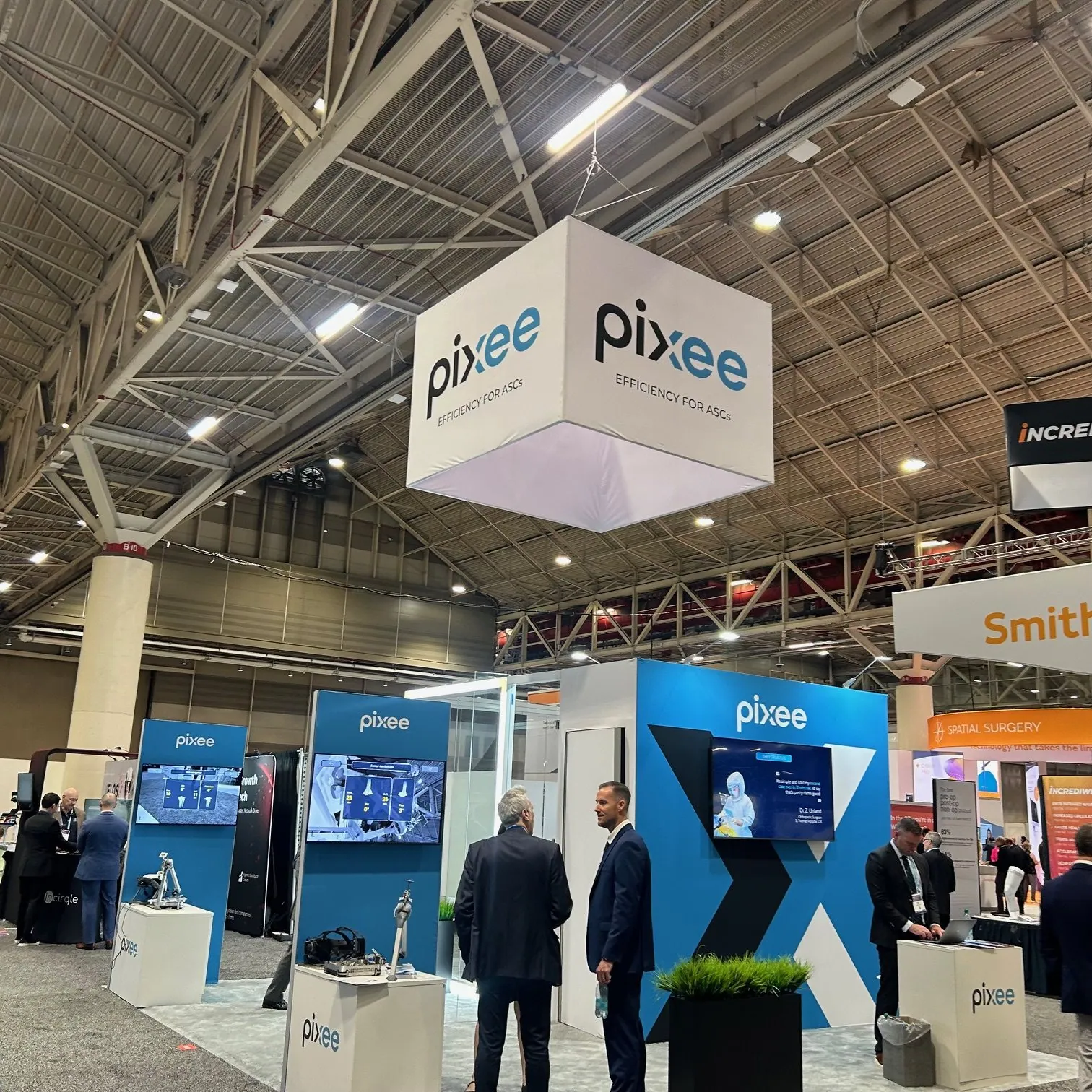
Pixee Medical is verified medical-technology work, focused on augmented-reality guidance for orthopedic surgery. The photograph documents overhead branding during installation; it does not establish a HIMSS or healthcare IT deployment.
Read the Pixee Medical case study ↗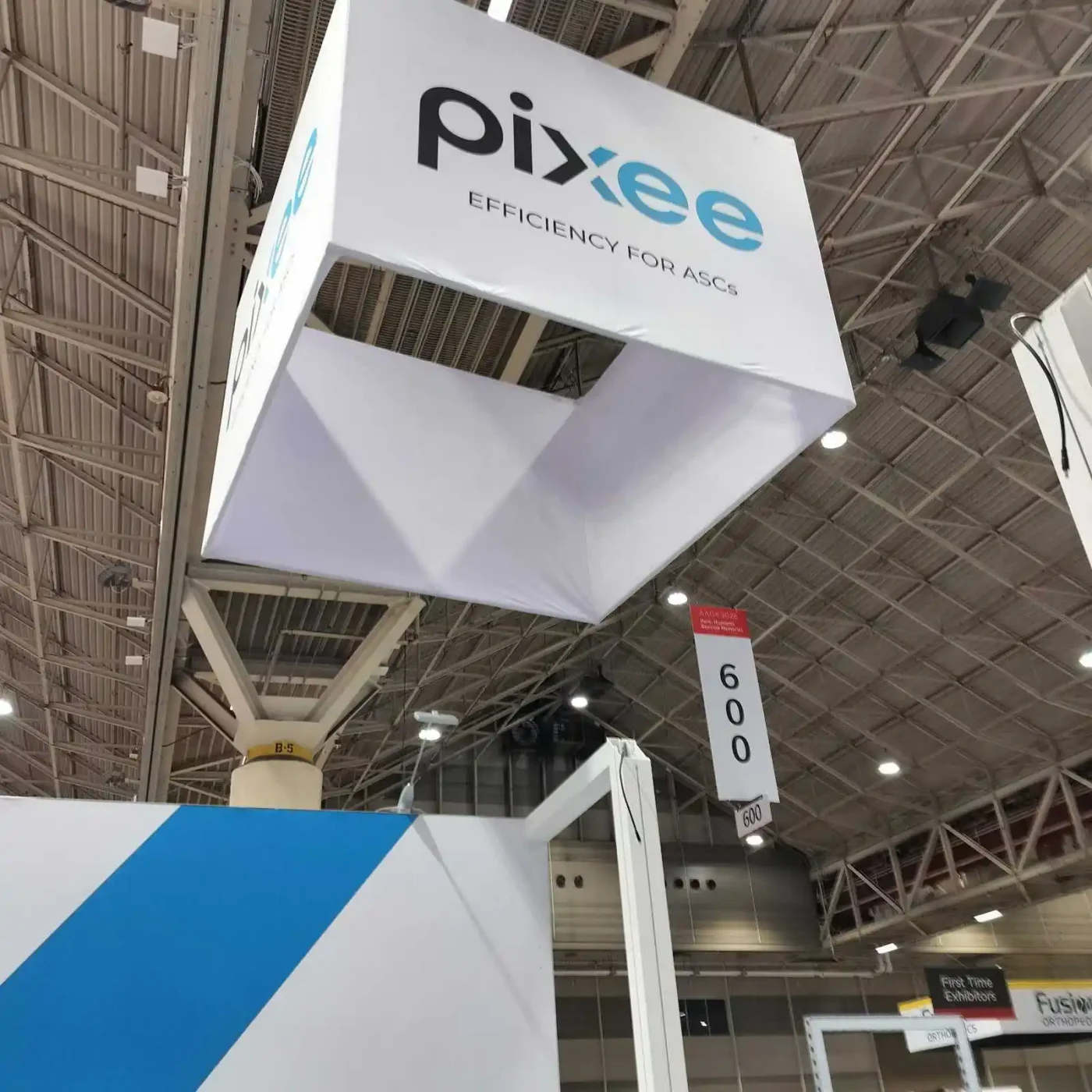
2027 · ORGANIZER FACT FILE
Full event: April 5–8, 2027. Preconference April 5; conference and exhibition April 6–8.
HIMSS27 moves to McCormick Place in Chicago; conference and exhibition run April 6–8, following April 5 preconference programming. Hall names need confirmation.
Official source ↗The public HIMSS27 prospectus landing page does not provide a verified Chicago installation and dismantle schedule.
Official source ↗Do not carry the Venetian’s HIMSS26 design limits into Chicago. The McCormick Place 2027 booth and suspension rules remain unverified here.
Official source ↗A Chicago-specific service kit is needed for HIMSS27 freight handling and labor scope. Reviewed public pages do not yet establish those terms.
Official source ↗A final HIMSS26 attendance and exhibitor tally was not located in the reviewed organizer pages. The official HIMSS25 recap reports approximately 28,000 participants, explicitly a 2025 benchmark.
Official source ↗Chicago replaces Las Vegas for the next conference; the organizer is also inviting submissions for HIMSS27 Vital Voices.
Official source ↗FROM PURPLE’S PORTFOLIO
Digital imaging, clinical devices and team conversations appear in Purple’s healthcare portfolio. The project captions distinguish the actual medical exhibits from this proposed HIMSS approach.
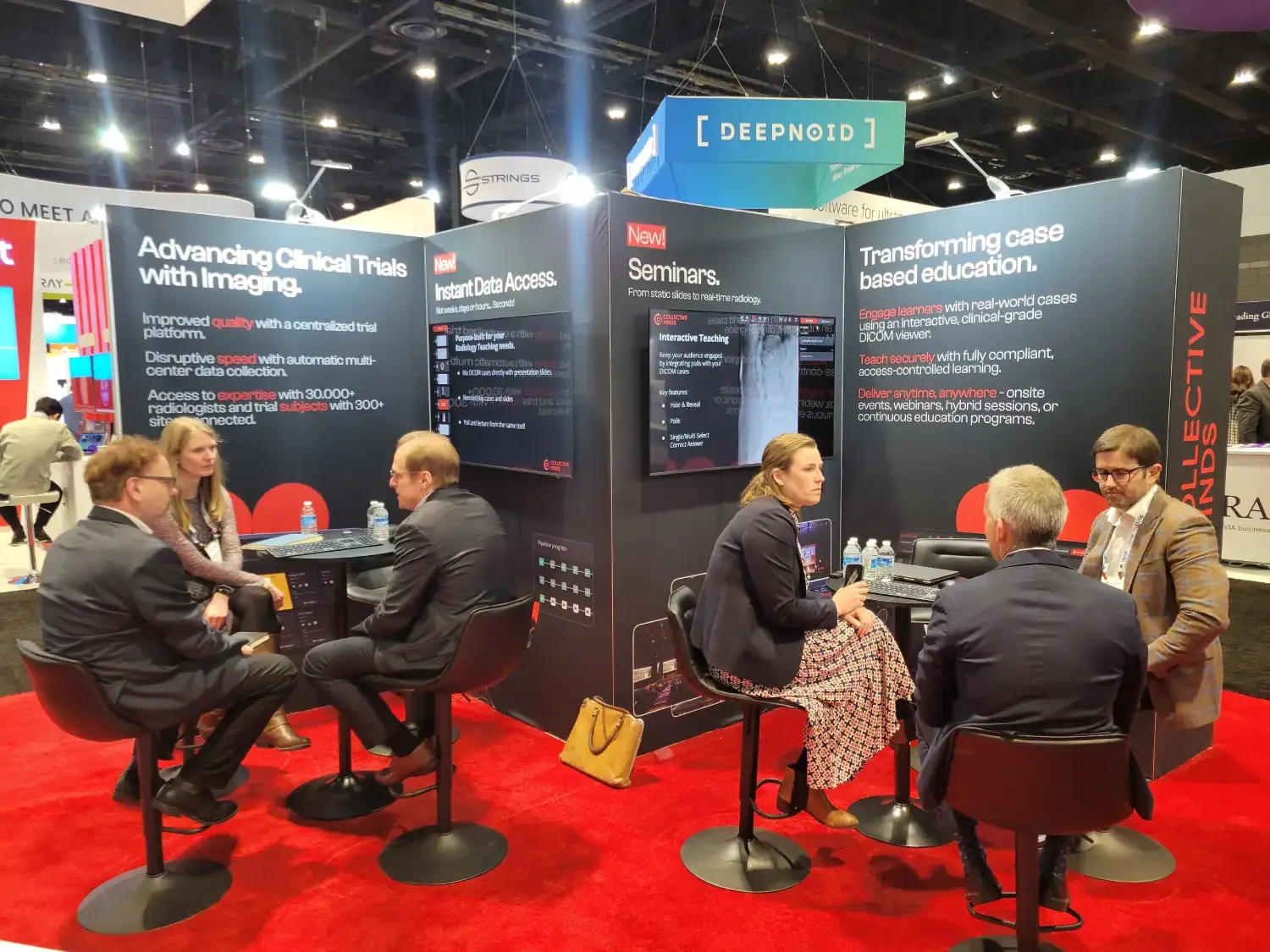
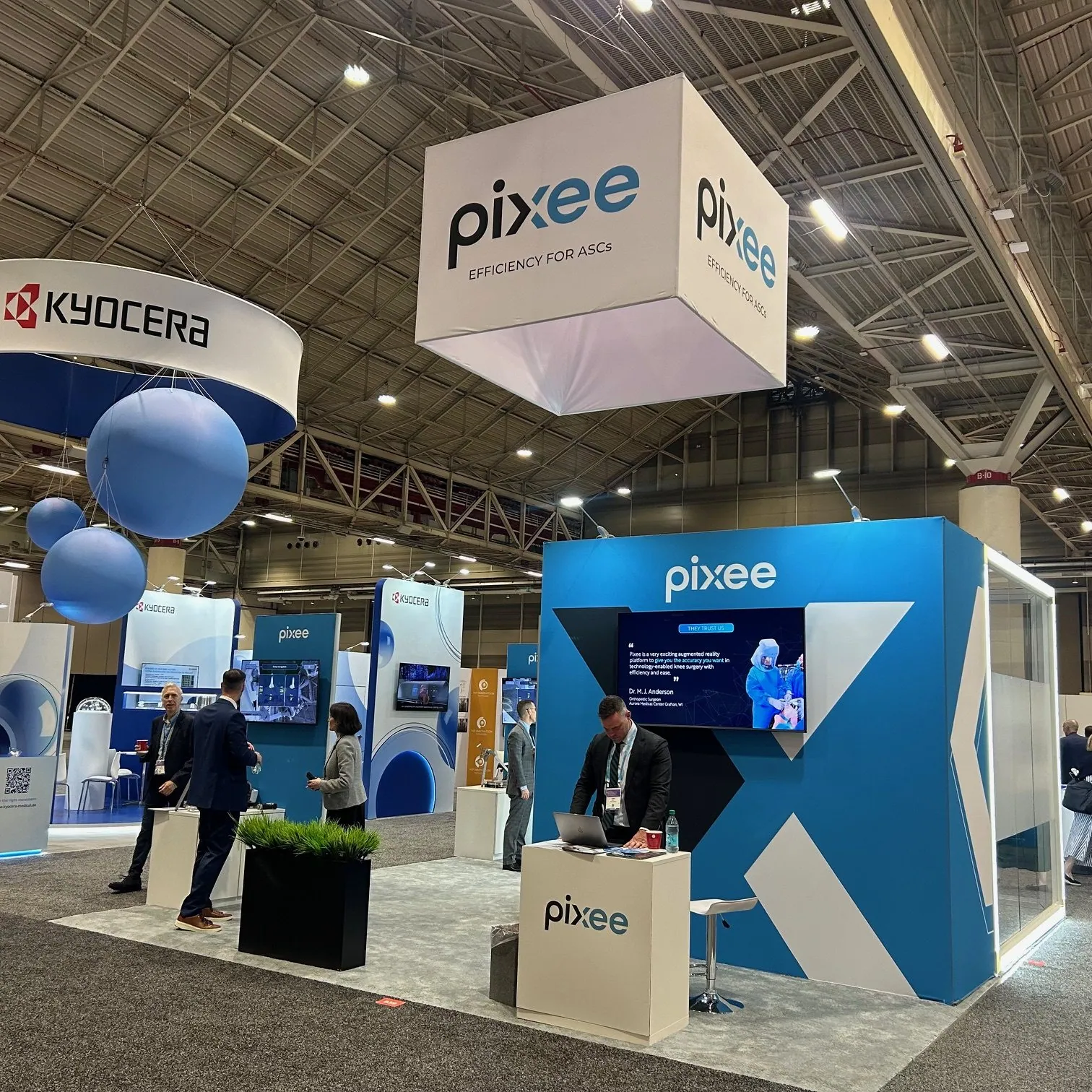
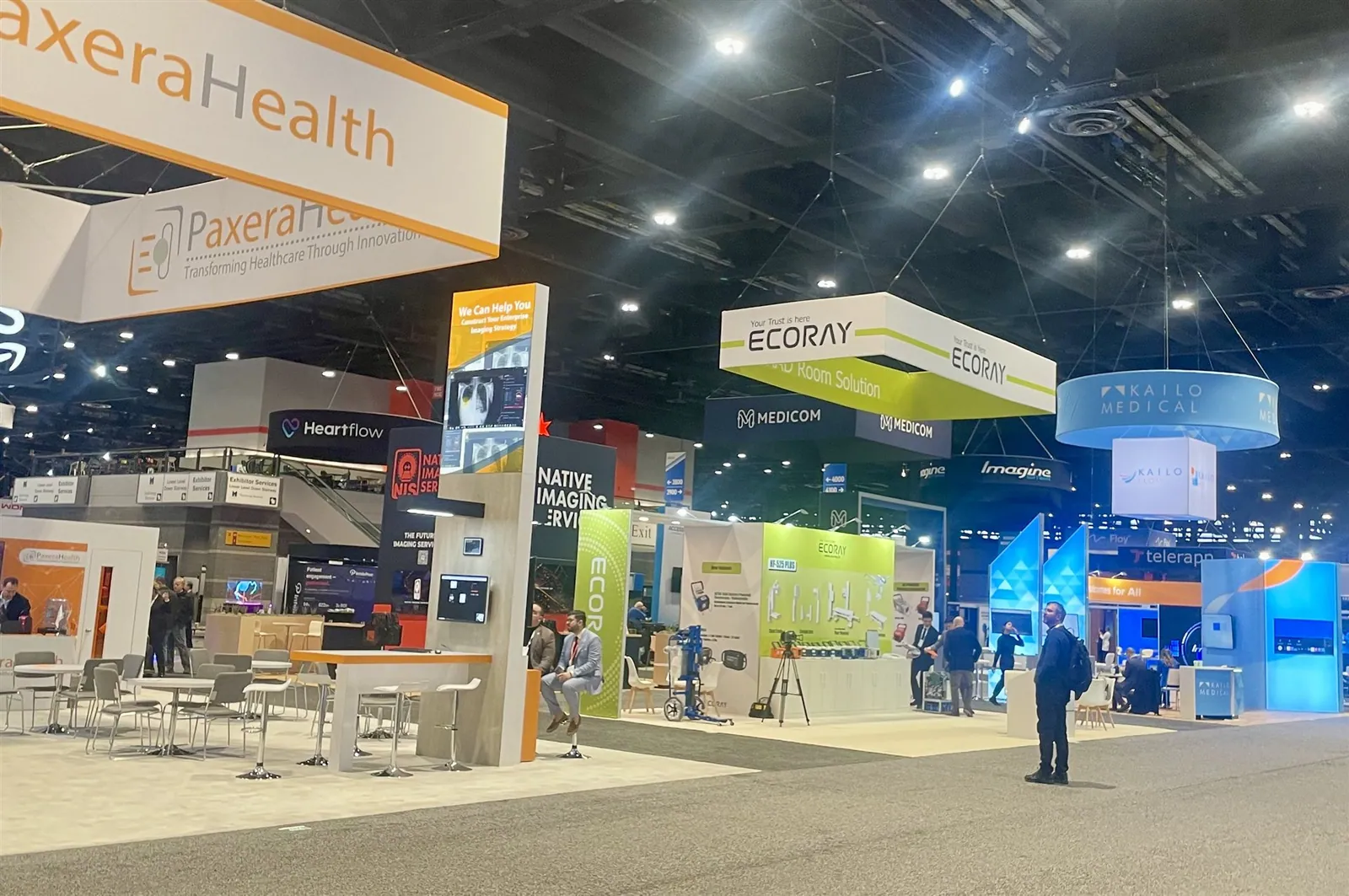
Real projects from Purple’s portfolio. Captions name the pictured exhibits. Explore the featured Purple project.
LET THE EXPERIENCE CHOOSE THE FOOTPRINT
The visitor should understand how the parts relate, even if some stages use recorded content and others run live.
MAKE THE NEXT CONVERSATION SPECIFIC
Document the synthetic patient journey, interface handoffs and clinical reviewers who will approve your HIMSS demonstration.
Purple can design the physical environment and coordinate display and AV integration. Your team supplies the product configuration, approved demonstration data and technical validation so the experience accurately represents your solution.
A focused setting can help visitors understand where the technology is used. Start with the exact interaction and equipment footprint. Keep the setting proportionate to the demonstration so furniture and scenery do not obscure the product.
Provide a shared introductory workflow, then adjacent positions for clinical use and technical integration. Locate a meeting table where the stakeholders can come back together after exploring their own questions.
A documented setup sequence, accessible connections, labelled equipment and a single end-to-end owner. Agree the fallback story as well as the live version before finalizing the AV and furniture plan.
Connected device fixtures, multiple software stations, meeting areas and technical support can change the scope. Compare a focused workflow demonstration with a larger multi-product environment and identify the staff and services each needs.
Coordinate delivery to the assigned McCormick Place hall, with separate handling instructions for medical demonstration devices, screens and owned exhibit components. Confirm who installs and tests the equipment after the booth structure is complete.
FURTHER PLANNING
JUST SHOW UP.
Describe the clinical problem your platform solves and the systems it connects. Include the hospital audiences your Chicago team wants to meet.