Robotics & mobile systems
Define the operating envelope, visitor separation and reset routine before choosing the footprint. Plan an overhead or screen view when the action is difficult to see.

PROMAT 2027 · CUSTOM EXHIBITS
Give buyers a clear view of how your solution moves, stores or handles the goods. Purple designs ProMat exhibits around working equipment, visible process flows and practical conversations with operations teams.
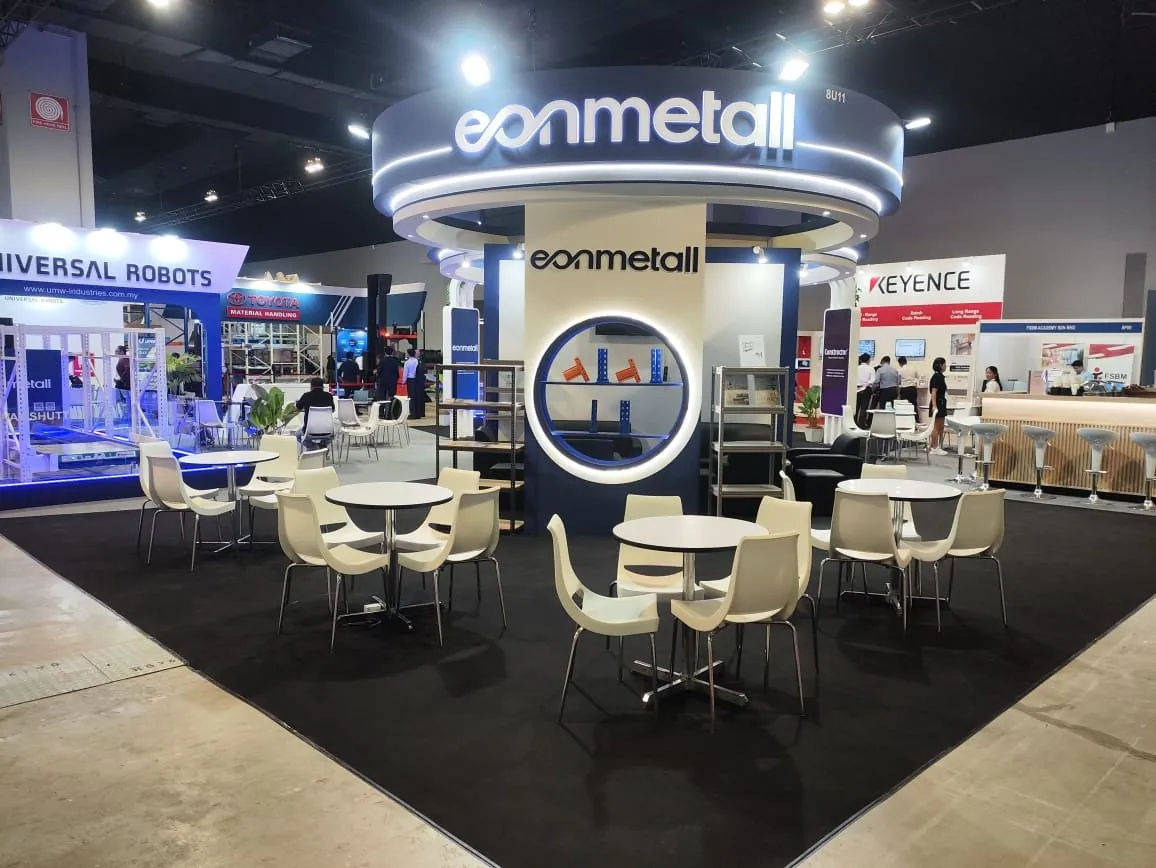
Material handling & supply chain
At ProMat, motion should explain the product. A robot, conveyor or picking system needs a clear operating envelope and an easy-to-follow sequence, with enough room for visitors to watch and technical teams to answer questions.
Live automation cells and warehouse systems with clear viewing edges and useful operational context.
How Purple plans any show ↗A VERIFIED PURPLE PROJECT
KLEEMANN’s published elevator exhibit demonstrates technical product presentation and visitor interaction. No Purple warehouse-automation case has been verified, so the connection here is engineering communication rather than a ProMat build.
Read the KLEEMANN case study ↗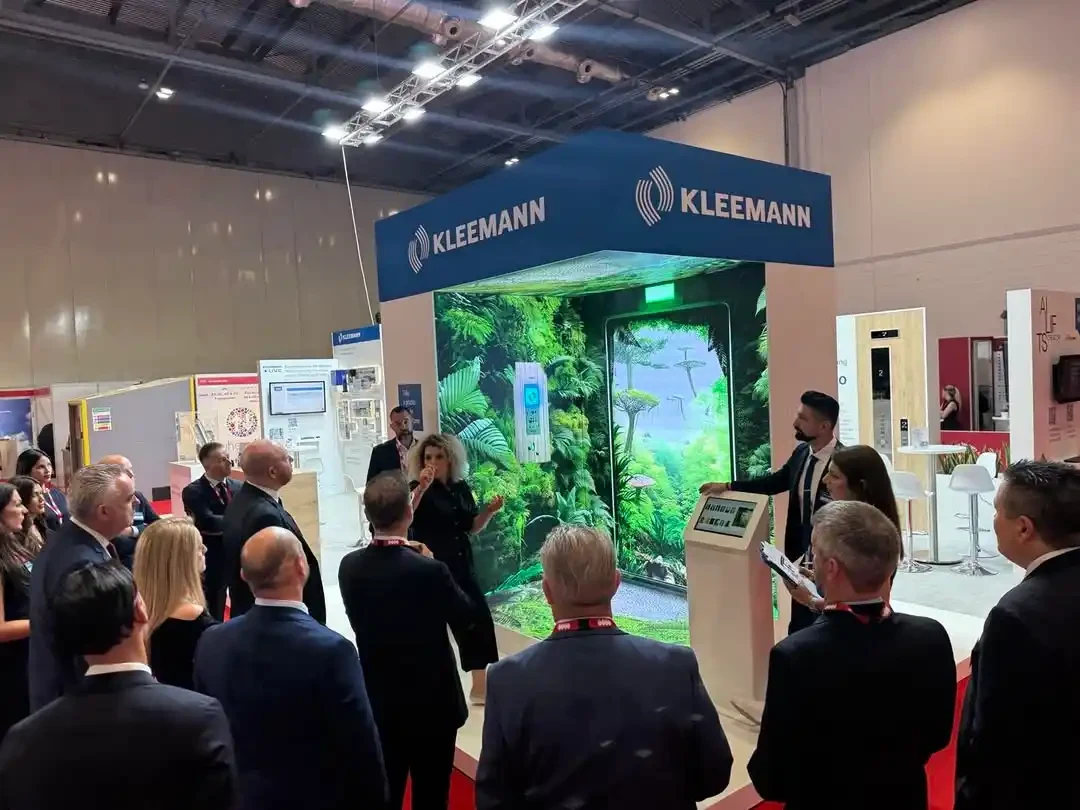
FROM PURPLE’S PORTFOLIO
Genetec Technology’s industrial systems, TAVIL’s machinery and BOST’s equipment displays bring scale and operating context into view. These Purple portfolio references inform the demonstration discussion without establishing a ProMat installation.
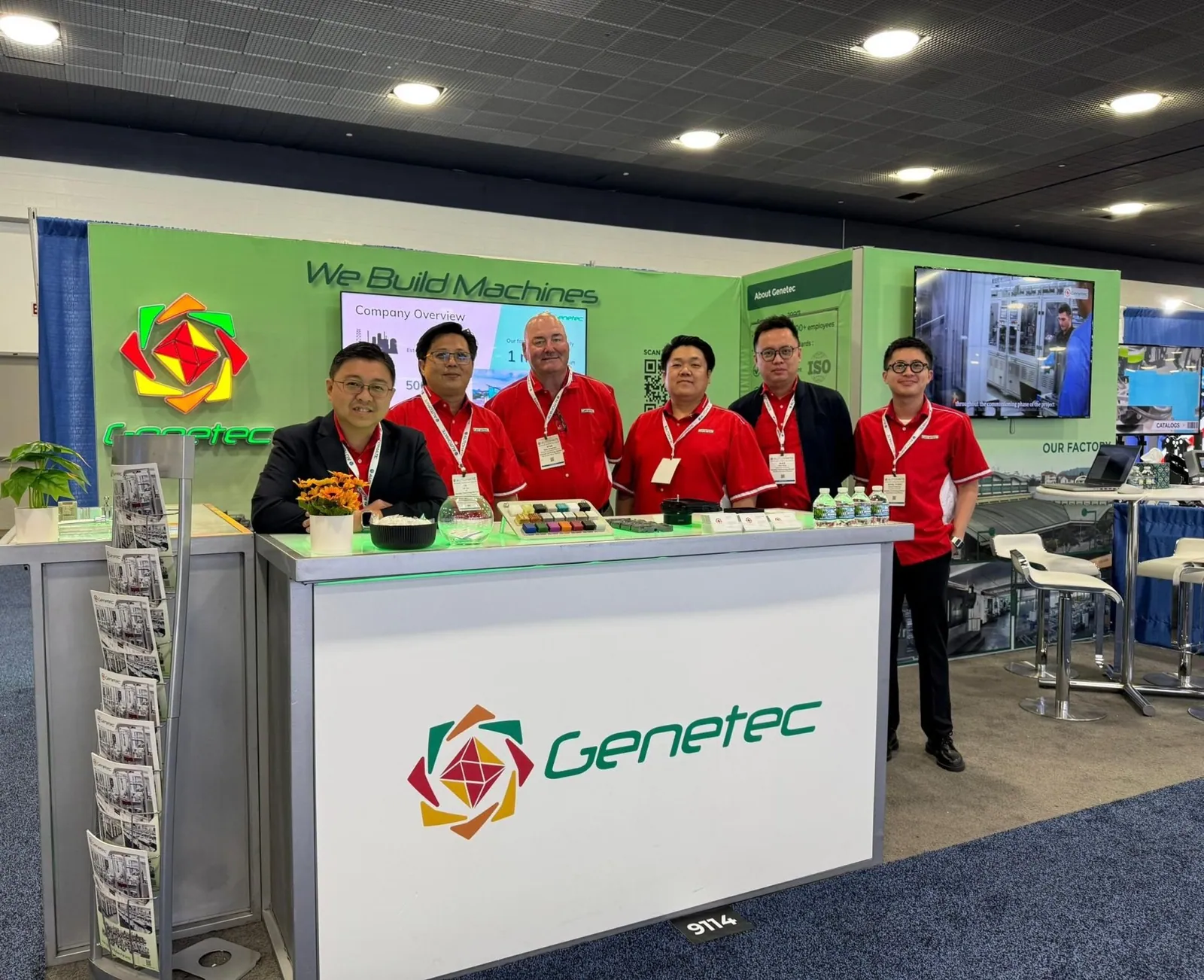
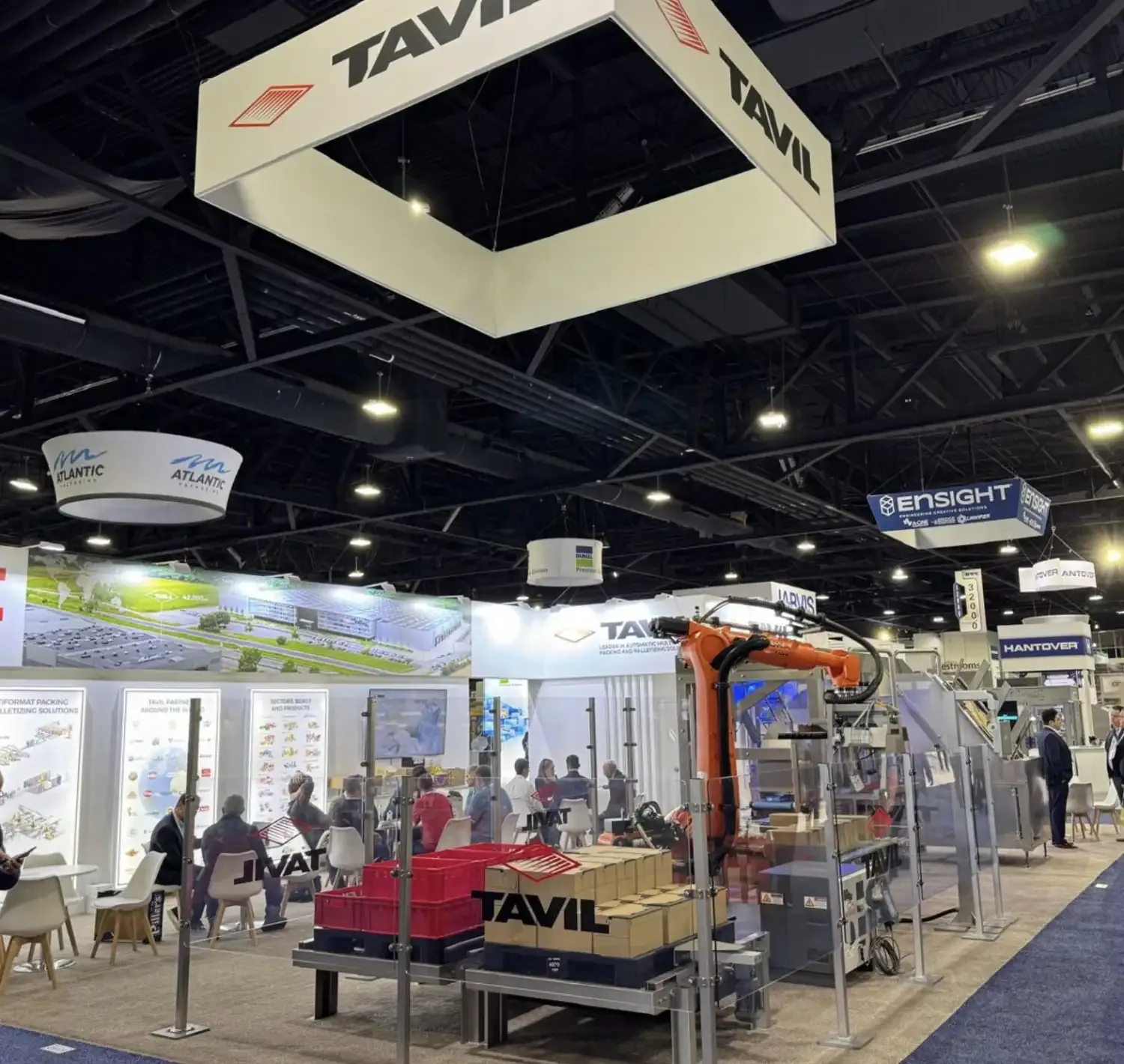
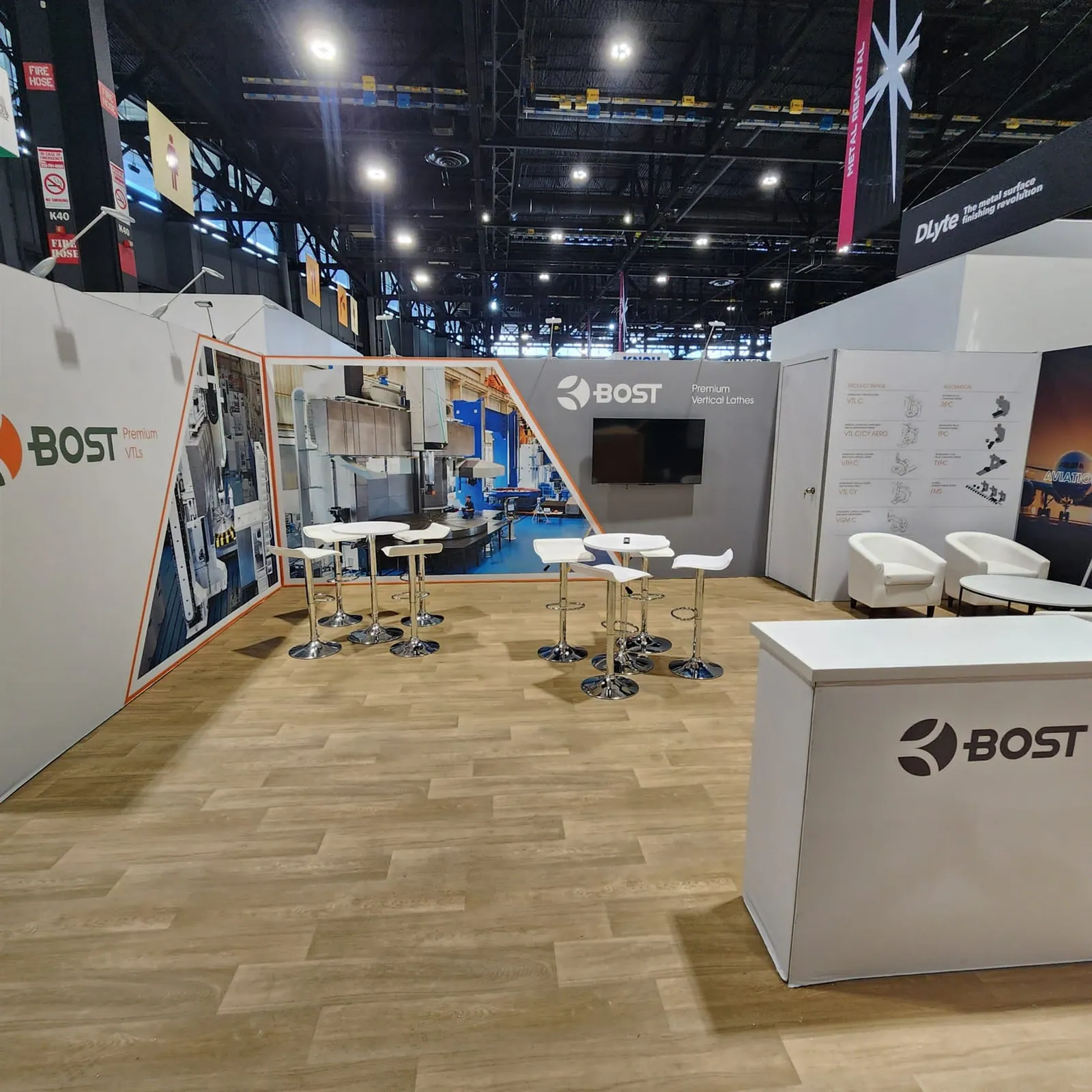
Real projects from Purple’s portfolio. Captions name the pictured exhibits. Explore the featured Purple project.
PRODUCT STUDY
Choose a cycle a visitor can follow from beginning to end. If the full production process is too long for an aisle audience, demonstrate the key transfer or decision and use a clear explanation for the upstream and downstream stages.
Identify who starts the cycle, who explains it and who watches the visitor edge. Include replenishment and recovery in the rehearsal. Test the line of sight with real equipment heights rather than relying on a top-down floor plan. A carefully placed viewing position is often more valuable than another large screen.
A DIFFERENT DISPLAY FOR EACH OFFER
Provide the machine layout, dynamic operating envelope, floor loads, power and other service needs. Assign the equipment operator and responsible technical lead. Review guarding, visitor separation, materials and the shutdown procedure with the appropriate specialists.
Define the operating envelope, visitor separation and reset routine before choosing the footprint. Plan an overhead or screen view when the action is difficult to see.
Make the flow from input to output understandable. Coordinate machine positioning, operator access, control equipment and material storage.
Connect the interface to an operational scenario. Give visitors a simple process story, then create a space for deeper integration and deployment questions.
A CONCEPT FOR PROMAT
A conveyor, picking station or mobile robot should tell a complete story from input to output. The visitor route belongs outside the equipment’s operating envelope.
Show the tote, parcel or load entering the process. Explain the operation before the equipment starts moving.
Give the audience an uninterrupted view of the pick, transfer, scan or storage step that matters.
Place the relevant output or reviewed performance context beside the demonstration, where the specialist can point to it.
Keep replenishment, operator access and recovery tasks separate from visitors waiting to watch.
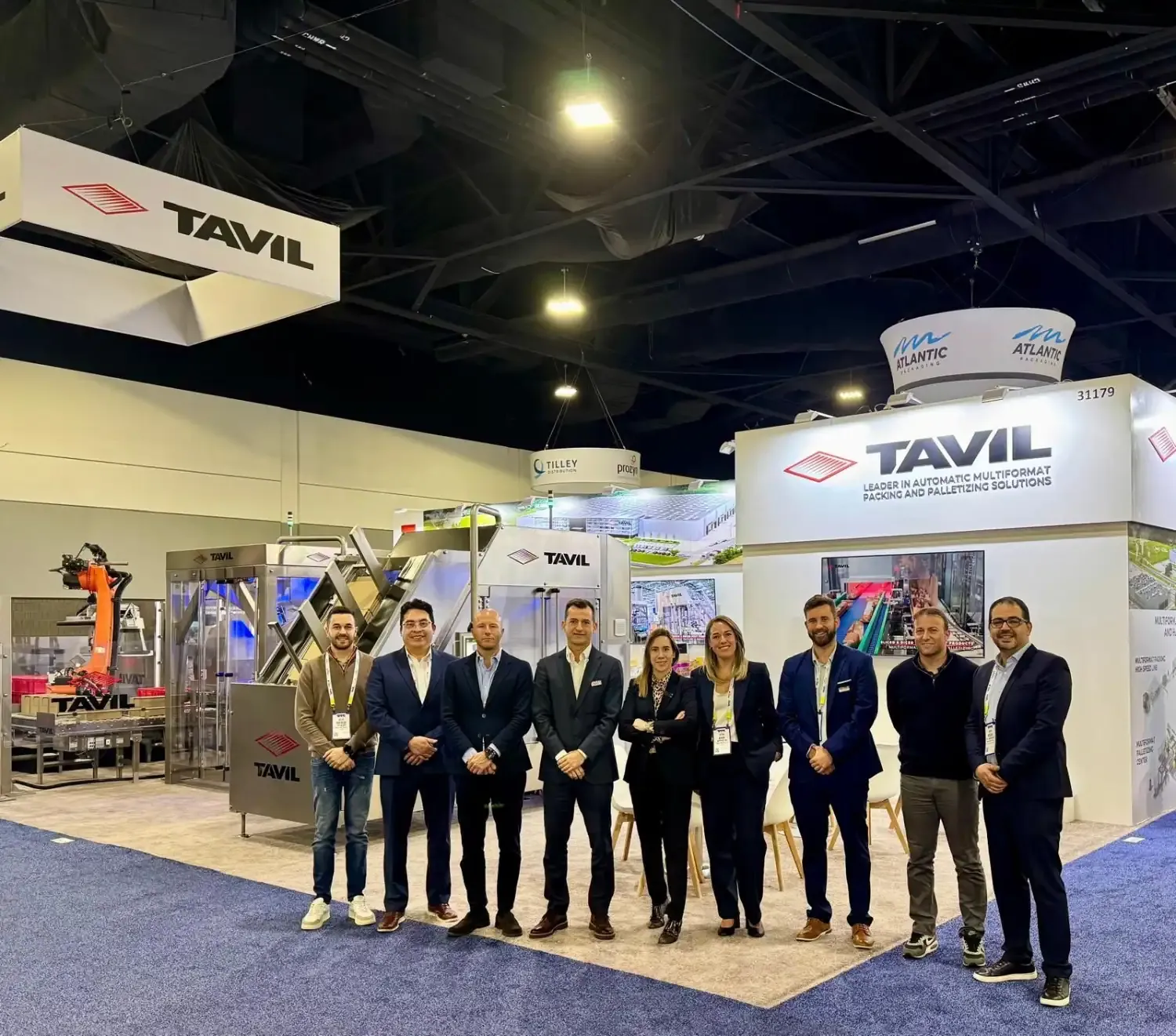
THE PEOPLE. THE PRODUCT. THE MOMENT.
A strong automation display makes room for people to watch the sequence, ask about their own operation and move on without obstructing the next demonstration.
Explore the project photographs ↓PRODUCTION NOTEBOOK
Operations teams need a way to translate the demonstration into their own setting. Provide a nearby table for layouts, representative loads and integration questions. Keep it outside the operating area so the conversation can continue while the next cycle runs.
Document equipment weights, floor interfaces, receiving requirements and the assembly sequence. Large equipment may determine when walls, overhead features and furniture can be installed. Make that sequence part of the exhibit scope so equipment and construction teams work from the same plan.
Heavy machines, conveyors and storage structures require a coordinated unloading and installation sequence. Confirm handling equipment, delivery targets, floor-load review and access for installation before finalizing the booth layout at McCormick Place.
LET THE EXPERIENCE CHOOSE THE FOOTPRINT
A machine footprint is not the space it needs to operate. Your equipment specialists define clearances and visitor separation; the booth architecture follows those requirements.
2027 · ORGANIZER FACT FILE
Full event: April 19–21, 2027.
The 2027 brochure identifies McCormick Place’s South Hall, North Hall and Lakeside for ProMat, April 19–21.
Official source ↗A dated 2027 target schedule could not be confirmed from the current public exhibitor FAQ. The archived March 2025 windows are not usable for April 2027.
Official source ↗The publicly indexed rules download still references ProMat 2025. Verify replacement 2027 height and rigging rules before committing an overhead structure.
Official source ↗ProMat freight access depends on the assigned McCormick show floor. Current 2027 handling charges and labor allocations were not verified in the reviewed public materials.
Official source ↗MHI reports 52,223 registrations and 1,160 exhibitors at ProMat 2025; registration is not a separate count of verified unique visitors.
Official source ↗The April 2027 edition is scheduled across three days and three show floors. MHI’s advance space draw reserved 653,600 net square feet.
Official source ↗PROMAT · EXHIBITOR QUESTIONS
Yes. The exhibit can be planned around the equipment and visitor experience. Your equipment specialists must define operating limits, technical requirements and the appropriate safety measures; these requirements guide the architecture and show-service coordination.
Only within a demonstration plan defined by your equipment specialists and accepted under the applicable show requirements. Its complete route, stopping behavior, operator control and visitor separation must guide the space allocation.
Choose the stage that best explains the value and connect it to a concise process diagram or recorded sequence. A smaller complete demonstration can be easier to understand than a partial line whose purpose is unclear.
Close enough for a specialist to reference the demonstration, but outside its noise, traffic and operating area. Consider sightlines, material replenishment and reset movements before adding meeting furniture.
Machine transport, lifting, material handling, service connections and installation time can be major cost drivers. Balance live equipment with video or sample displays when a full line does not fit the space or project budget.
Heavy machines, conveyors and storage structures require a coordinated unloading and installation sequence. Confirm handling equipment, delivery targets, floor-load review and access for installation before finalizing the booth layout at McCormick Place.
MAKE THE NEXT CONVERSATION SPECIFIC
Resolve machine envelopes, visitor separation and crate sequencing while your operations team can still influence the ProMat layout.
FURTHER PLANNING
JUST SHOW UP.
Send the cell dimensions, the motion sequence and the warehouse bottleneck you want to demonstrate. We will start with the operating envelope.