Define the challenge
Identify the water application or operating problem before introducing the product specification.

Water systems & treatment
Purple Exhibits designs custom exhibits and rental booths for AWWA ACE27 in San Diego. Translate equipment and water technology into a demonstration utility teams can examine and discuss. Whether you are presenting monitoring instruments, treatment components or digital tools, connect each product to its role in the water system, with room for engineering questions and practical conversations about operation.
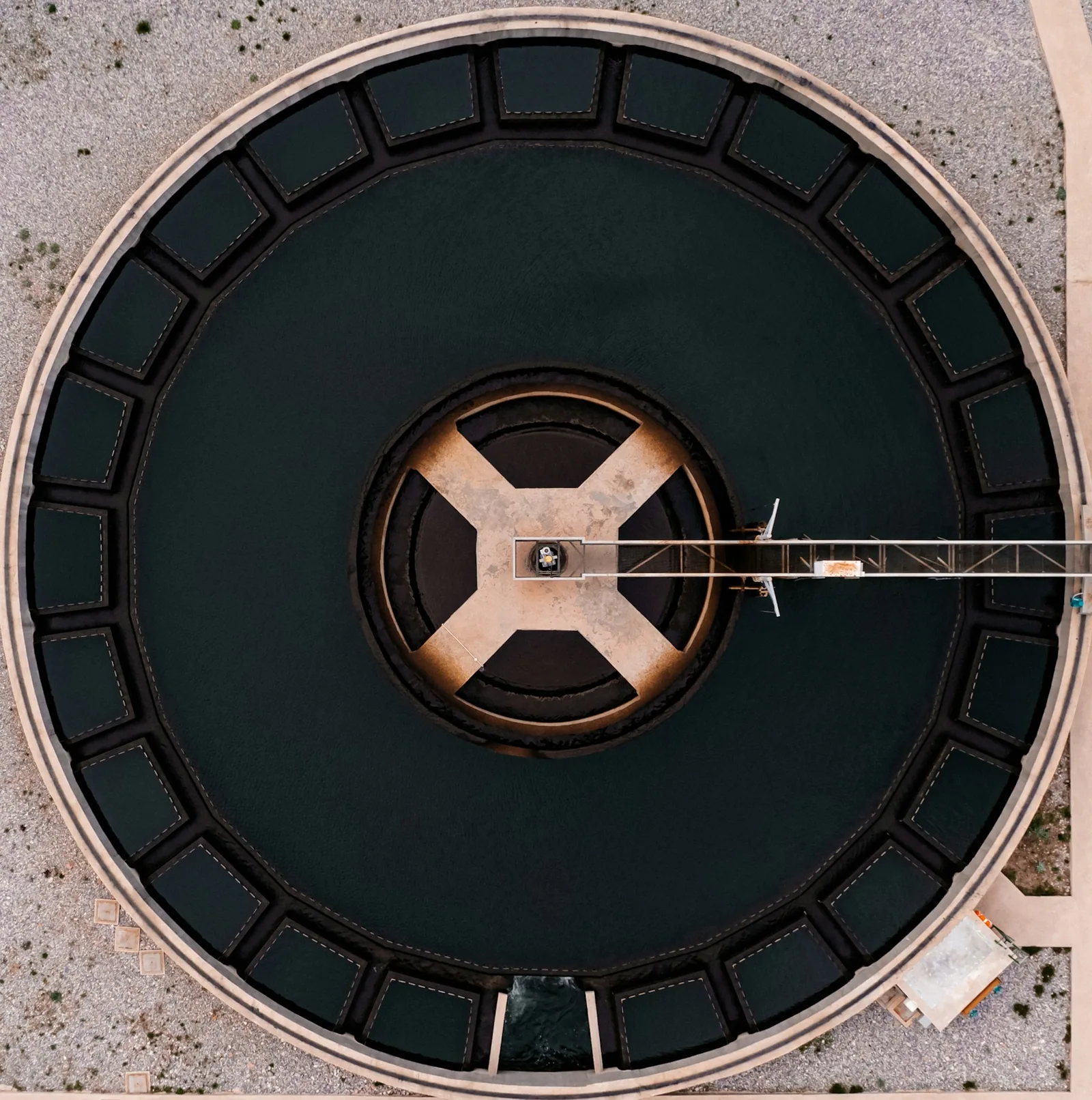
AWWA ACE · THE EXHIBITOR’S VIEW
A pump, meter or treatment assembly may be familiar to the specialist but difficult to interpret at a glance. Give the product a clear role in a system story, then make its important details accessible for the closer engineering discussion.
Purple can develop product supports, process graphics, counters and meeting areas around the equipment list. Your team identifies weights, connection requirements, demonstration conditions and the technical information that must remain accessible.
Our design and delivery approach ↗AN EXHIBIT DIRECTION FOR AWWA ACE
Use the flow of a process to organize the exhibit, while preserving room to inspect each component independently.
Identify the water application or operating problem before introducing the product specification.
Locate the equipment within a simple treatment, distribution or monitoring sequence.
Provide access to the parts, cutaways or sample assemblies that explain the technology. Label what is operational and what is illustrative.
Keep a system drawing and meeting surface ready for questions about the visitor’s own plant or network.
PRODUCT PRESENTATION
Show the stage and the intended result with labeled models, samples or approved demonstrations. Plan any fluids and utilities explicitly.
Make significant components accessible, with stable supports and clear handling boundaries for moving or heavy parts.
Connect the displayed reading with an understandable input or scenario. Give technical screens a readable viewing position.

Water systems & treatment · THE HUMAN DETAIL
A utility discussion often moves between a physical component and a system drawing. Position the two close enough that the specialist can explain the connection without losing the visitor. Provide room for colleagues to inspect a cutaway together and continue into the installation questions.
Explore the product experience ↓AWWA ACE FIELD NOTES
At ACE, a product display needs to help visitors connect a physical item with the water-system problem it addresses. Start the exhibit brief with the application, then decide whether a full-size unit, a cutaway, a sample or a diagram explains it most effectively. Show the relationship between the component and the wider process. Clear labeling and an intentional viewing position can make a complex assembly easier to discuss without covering every wall in specifications.
Give visitors room to inspect the detail while preserving a place for a practical conversation. A plant operator may ask about access and maintenance; an engineer may need a system drawing; a utility team may want to compare options. Keep the evidence for those discussions close to the display and allow the product specialist to move between an introductory explanation and a seated review.
Coordinate packed equipment weights and lifting or positioning needs with the exhibit installation plan at San Diego Convention Center. Confirm current show permissions for any live water demonstration instead of assuming a venue connection is available.
AWWA ACE · THE PRODUCT UP CLOSE
Large treatment infrastructure needs a clear explanation at exhibit scale. Use a process diagram, physical model or component cutaway to show where your product belongs, then demonstrate the decision or maintenance task it supports. Give visitors enough space to inspect the equipment and discuss access, connections and operating conditions. A useful presentation helps utility teams relate the display to the systems they manage.
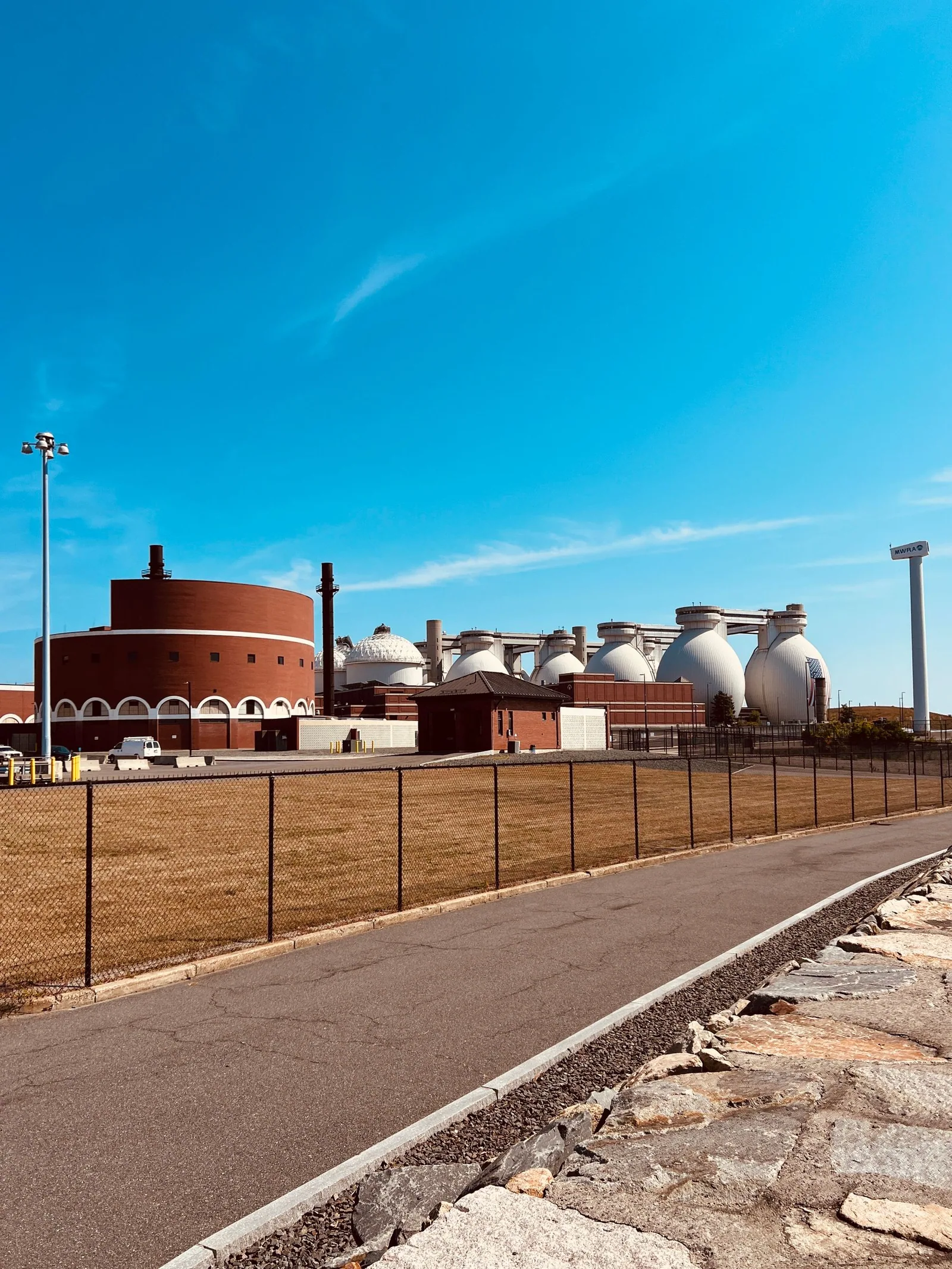
Make this part of your brief ↗Industry photography illustrates the products and experiences behind the design. Purple’s actual exhibit project is featured separately on this page.
BUILT BY PURPLE
This water-technology project in Purple’s portfolio shows how product presentation and technical conversations can share one environment. Your ACE27 plan would be based on the actual equipment, process and utility audience you need to serve.
Explore GOTEC ↗More from Purple’s portfolio ↗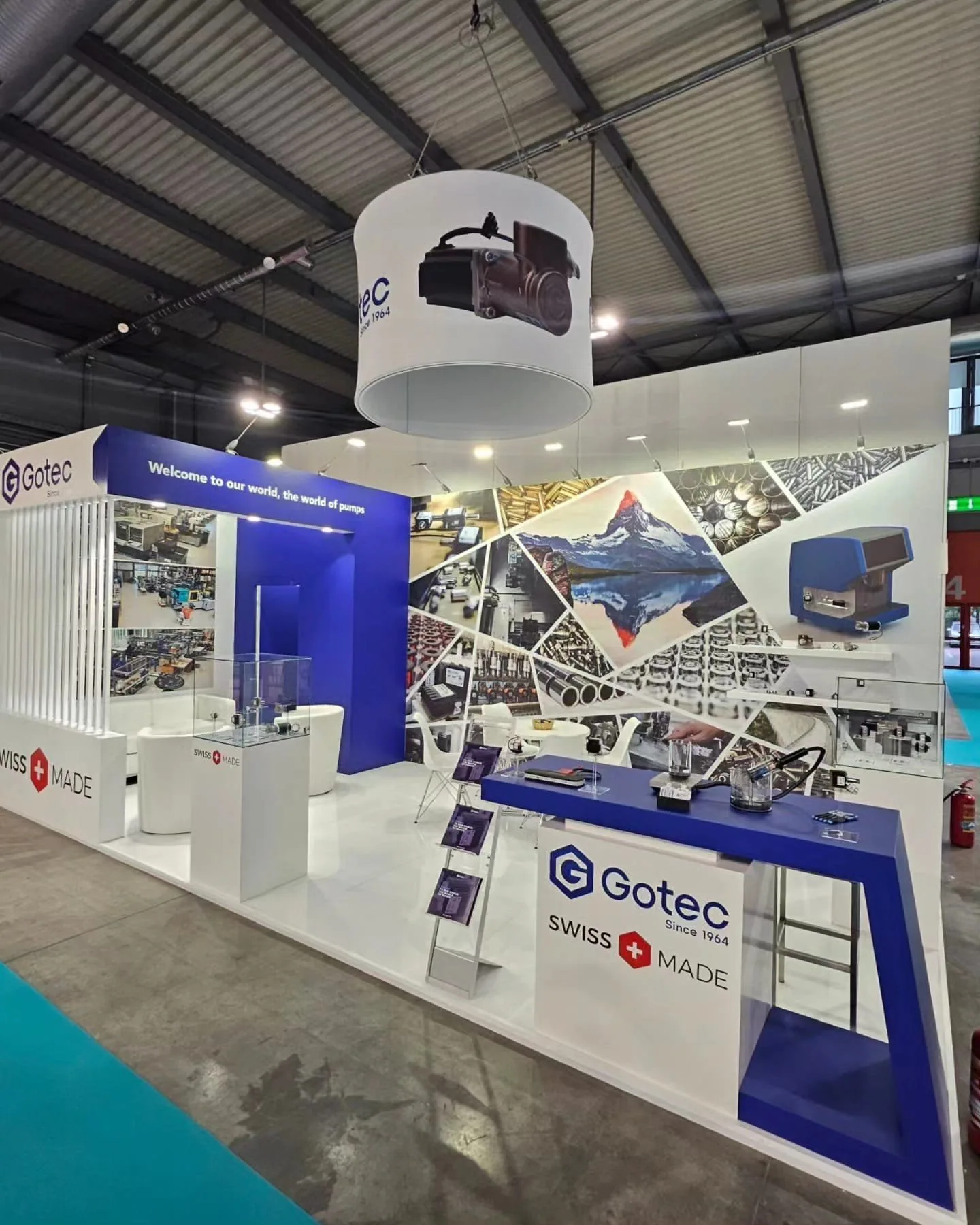
AWWA ACE FIELD NOTES
Water-industry equipment can shape the entire booth plan. Document dimensions, weight, transport configuration and the way the display will be handled before selecting platforms or enclosing it with graphics. If a demonstration involves fluids, movement or other services, identify the requirements early and have the proposed activity checked against current organizer and venue materials. A dry display or a well-designed cutaway may communicate the same point with a different operating scope.
Develop the layout around the people who use it. Position the welcome point where staff can identify a visitor’s application, keep inspection routes open and make storage available for samples and literature. Provide a table where a team can review a drawing without blocking the equipment. ACE27 takes place June 13–16 in San Diego, with the exhibit hall open June 14–16; use the official schedule as the starting point for staffing and appointment planning.
Heavy-product handling, custom supports, cutaway fixtures, utilities and technical AV can drive the estimate. A dry model or sample display may need a different scope from a live circulation loop; establish the intended demonstration before comparing costs.
VERIFIED EVENT DETAILS
Checked September 15, 2026. The full program and exhibit-hall dates are listed separately to help plan staff attendance and visitor appointments.
June 13–16, 2027
Organizer information ↗June 14–16, 2027
Organizer information ↗San Diego Convention Center · San Diego, California
Organizer information ↗ACE27's published exhibit hours are Monday June 14, 10 a.m.–5 p.m.; Tuesday June 15, 10 a.m.–5:30 p.m.; and Wednesday June 16, 10 a.m.–1 p.m., all Pacific time.
Official source ↗AWWA lists June 13–16, 2027 for ACE27 and June 14–16 for the exposition. The venue is San Diego Convention Center. Use the exhibit days for product demonstrations and utility appointments.
Organizer information ↗The 2027 schedule includes facility tours on Tuesday and Wednesday; tours require an additional fee, have limited capacity, and their individual times vary. Educational sessions also run on both days.
Official source ↗LET THE EXPERIENCE CHOOSE THE FOOTPRINT
Illustrative layout directions, subject to your assigned space and the current show requirements.
AWWA confirms ACE27 for June 13–16, 2027 at San Diego Convention Center, with the exhibit hall open June 14–16. The wider event includes pre-conference activity on June 13. Keep the event and exhibition schedules distinct when planning visitor meetings, staffing and travel.
Choose the format that lets visitors assess the product’s most important feature. A complete unit can establish physical scale, a cutaway can reveal an internal process and a model can explain a larger installation. Compare those benefits with handling, transport and space requirements. The best choice is the one your staff can use to answer the application questions you expect.
Treat that as a specific planning question rather than an assumption. Document the fluids, containment, power, drainage, operating cycle and staff supervision involved, then check the proposed activity against current show and venue requirements. If a live system is impractical, consider a dry assembly, cutaway or recorded demonstration that still explains the operating principle clearly.
Provide verified dimensions, weight, shipping configuration, lifting or handling information and the desired viewing orientation. Identify who will install, operate and remove the equipment. Those details allow the design team to assess display construction, access and logistics with the relevant service providers. Do not select a platform or enclosure from appearance alone before the equipment information is available.
Use a clear application story at the front, then let staff guide each visitor toward the relevant evidence. Keep practical product details near the display and provide a table for drawings or broader project conversations. Prepare different questions for each role while retaining the same core message. The layout should support those conversations without requiring several unrelated mini-booths.
Send the booked footprint, priority applications, equipment list and expected meeting needs. Include sample drawings, product photography, brand assets and any existing displays you want to reuse. Flag demonstrations that need services or special handling. Ask the proposal to identify assumptions and separate exhibit construction from the equipment, logistics and venue-service items that require confirmation.
MAKE THE FIRST MEETING USEFUL
Capture the decisions that your product, design and on-site teams need to resolve together.
FURTHER PLANNING
JUST SHOW UP.
Send the product list, process diagram and demonstration requirements. Purple can develop a practical exhibit direction for the utility conversations you want to have.