Create the input
Give the visitor a clear action or observable stimulus, appropriate to the sensor and the demonstration conditions.

Sensors, electronics & embedded systems
Purple Exhibits designs custom exhibits and rental booths for Sensors Converge 2027 in Santa Clara. Help engineers connect a small component to a working application with visible hardware, readable measurements and a clear path from sensing to processing and connectivity. Plan hands-on demonstrations alongside a quieter discussion area for design requirements, integration questions and the next technical conversation.
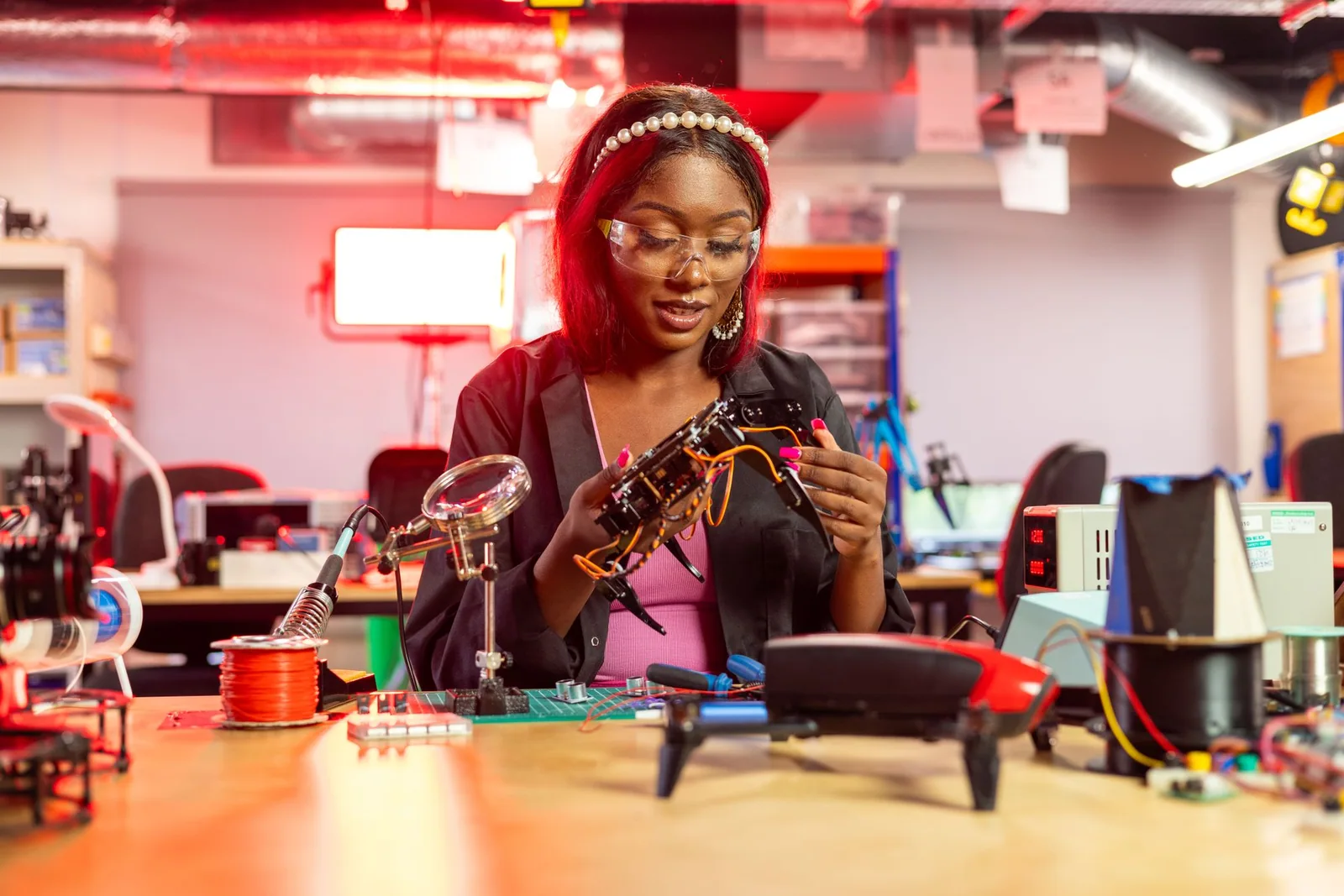
Sensors Converge · THE EXHIBITOR’S VIEW
A component on a shelf rarely explains its value by itself. Put the sensor in a visible test scenario, show the reading beside it and label the conditions. The architecture should make that relationship obvious before the specialist explains the specification.
Purple can coordinate demonstration counters, component fixtures, diagrams and screen positions. Your engineers define the input conditions, instrument settings and operating requirements so the booth supports a repeatable technical demonstration.
Our design and delivery approach ↗AN EXHIBIT DIRECTION FOR SENSORS CONVERGE
Turn the sensing chain into a short visitor interaction, with the technical detail available for the follow-up.
Give the visitor a clear action or observable stimulus, appropriate to the sensor and the demonstration conditions.
Identify where the sensor sits and how it relates to the test. Use an enlarged diagram when the physical part is too small to read.
Put the output in the same field of view, with labels that explain the value or state being displayed.
Provide a work surface for the board, package or system diagram that answers the engineering question behind the demo.
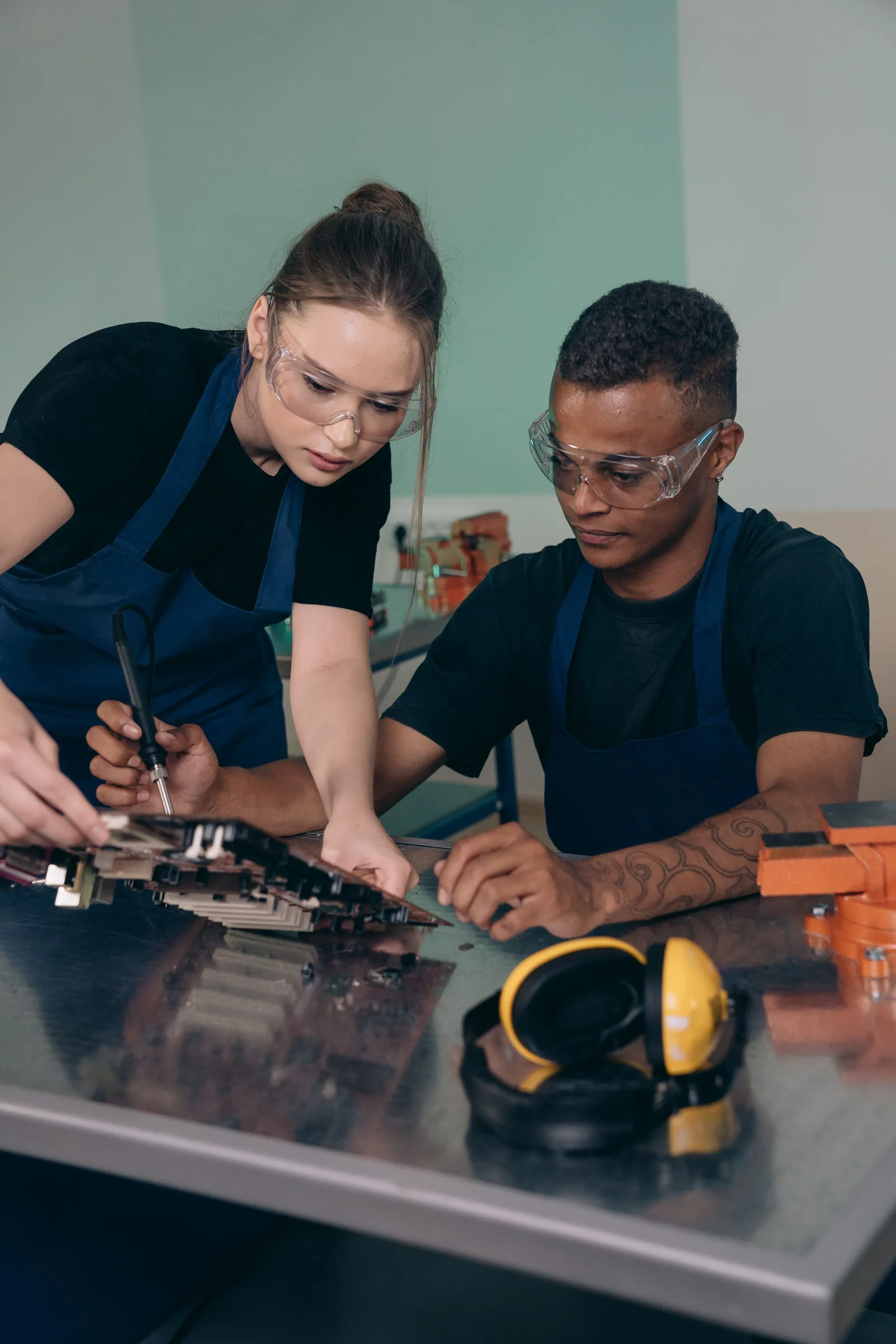
Sensors, electronics & embedded systems · THE HUMAN DETAIL
Hands-on stations work best when the action, result and reset are easy to understand. Leave room for the person operating the demo and another visitor observing it. A specialist should be able to move into the discussion without blocking the sensor, sample or screen.
Explore the product experience ↓SENSORS CONVERGE FIELD NOTES
A sensor or embedded device is often too small to explain itself from the aisle. Build the demonstration around an input, a response and a visible outcome. That might be a movement translated into live data, a test object recognized by a vision system or a signal processed at the edge. The exhibit should make the relationship between the physical component and the displayed result obvious without requiring a long introduction.
Give the working device a deliberate position and keep supporting specifications within reach. A visitor should be able to observe the test, ask about the setup and examine a sample without disrupting every other station. Use an enlarged diagram where it clarifies the system, then let the actual hardware support the explanation. The design becomes a practical bridge between a quick discovery and an informed evaluation.
Pack delicate boards, probes and sensor assemblies for the installation sequence. Leave time in Santa Clara for calibration or technical checks by your team after counters, lighting and AV are in their final positions.
PRODUCT PRESENTATION
Use magnified imagery, restrained labeling and stable fixtures to make small parts easy to inspect.
Connect the physical signal with the processing result. Clearly identify recorded examples if part of the demonstration cannot run live.
Give instruments, probes and boards a coherent work surface, with readable screens and planned cable access.
SENSORS CONVERGE · THE PRODUCT UP CLOSE
A circuit board can attract an engineer's attention, but the demonstration needs to explain what it does. Display the hardware beside a magnified view and a simple signal-path diagram. Let visitors change an input and observe the output, with the test conditions clearly stated. Keep component labels readable and provide a separate surface for datasheets, evaluation hardware and detailed questions about integration.
Make this part of your brief ↗Industry photography illustrates the products and experiences behind the design. Purple’s actual exhibit project is featured separately on this page.
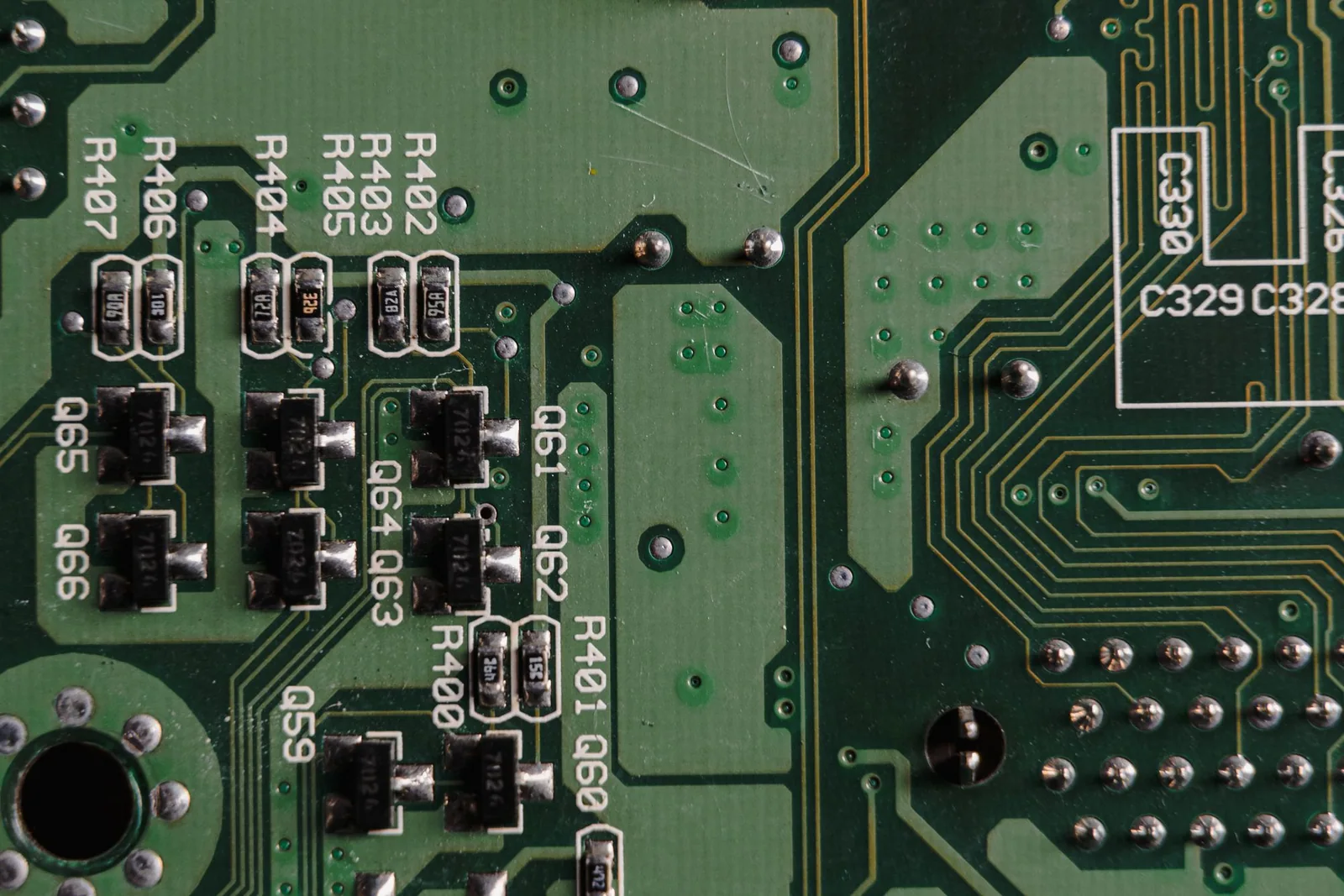
SENSORS CONVERGE FIELD NOTES
Reliable demonstrations need more than a counter and a screen. Include the fixture, cables, controls, reset procedure and any environmental conditions that affect the result in the brief. Identify what a visitor may touch and what remains staff-operated. Provide accessible service space so the team can replace a component or restart the demonstration without dismantling the visible exhibit. Small details matter when the same test runs throughout the day.
Balance the hands-on activity with a place for application questions. An engineer comparing integration options may need a laptop, a diagram and a quieter conversation with a specialist. Keep that exchange close enough to reference the working device, but outside the main demonstration position. Sensors Converge’s 2027 exhibit days are June 9–10 in Santa Clara; plan staffing and spare equipment for the actual expo schedule, with conference participation considered separately.
Precision mounts, protective displays, instrument supports, cabling and screen systems can matter more than decorative area. Identify the components that will be touched, observed or handled only by staff before committing to the fixture design.
BUILT BY PURPLE
This Purple technology project offers a reference for clear product display and a setting for technical evaluation. A Sensors Converge exhibit would be built around your specific component, test stimulus and result.
Explore Cyber Technologies ↗More from Purple’s portfolio ↗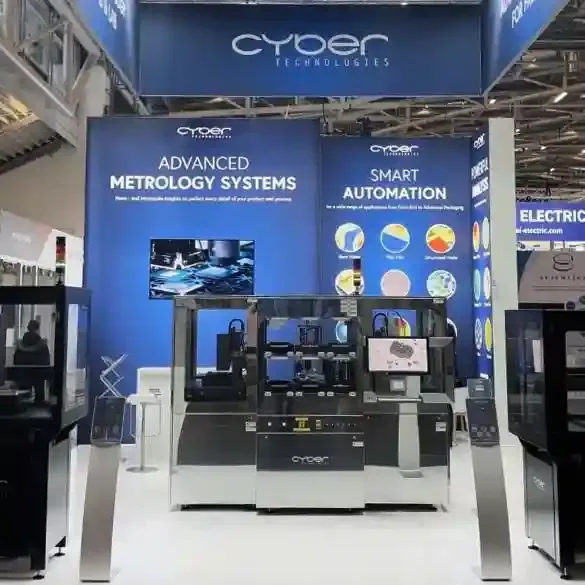
LET THE EXPERIENCE CHOOSE THE FOOTPRINT
Illustrative layout directions, subject to your assigned space and the current show requirements.
VERIFIED EVENT DETAILS
Checked September 15, 2026. The full program and exhibit-hall dates are listed separately to help plan staff attendance and visitor appointments.
June 8–10, 2027
Organizer information ↗June 9–10, 2027
Organizer information ↗Santa Clara Convention Center · Santa Clara, California
Organizer information ↗The 2027 exhibit hall opens Wednesday June 9 from 10 a.m.–5:30 p.m. and Thursday June 10 from 10 a.m.–4 p.m.; June 8 is pre-conference workshops, networking roundtables and a VIP reception.
Official source ↗The organizer lists June 8–10, 2027 for the full event and June 9–10 for the expo at Santa Clara Convention Center. Plan specialist staffing and equipment readiness around the exhibit opening.
Organizer information ↗The official show overview frames the event around sensing, processing and connectivity, with hands-on evaluation of sensors, AI, embedded systems and edge technologies.
Official source ↗MAKE THE FIRST MEETING USEFUL
Capture the decisions that your product, design and on-site teams need to resolve together.
SENSORS CONVERGE · EXHIBITOR QUESTIONS
The organizer confirms June 8–10, 2027 at the Santa Clara Convention Center. The exhibit hall is scheduled for June 9–10; June 8 includes pre-conference activity. Use those separate date ranges in the brief so demonstrations, staff coverage and visitor appointments are planned for the expo days rather than assuming three full exhibition days.
Show the problem it solves and make its response visible. Position the physical device beside a live result, a clear diagram or an application sample. Choose one repeatable test that staff can explain simply. Magnification, lighting and enlarged graphics can support the story, but the visitor should still understand which component is producing the result.
Include the device, fixture, input conditions, supporting electronics, display, software and connection requirements. Describe the expected result and the steps needed to reset the test. Add component dimensions and any handling constraints. The exhibit team can then plan mounting, storage and service access around the real system instead of designing a counter around an incomplete equipment list.
Offer a short, visible demonstration at the approach and a separate technical discussion position nearby. Let the first interaction establish application fit, then bring interested visitors into a deeper conversation. Provide a way to capture the use case and the next evaluation step. That keeps the demonstration available while specialists discuss integration details without rushing.
Decide according to the product and the demonstration objective. Some samples benefit from direct handling; others need controlled positioning or staff operation. Specify those boundaries in the brief and use a fixture where helpful. Plan a comfortable viewing position for visitors who will observe rather than handle the device, and keep replaceable samples accessible to the team.
Yes, if the booth explains how the parts work together. Organize the story by the system path: sensing, processing, communication and outcome. Use a shared visual language across stations and avoid giving every component an unrelated headline. If the products serve different applications, provide a clear route for visitors to select the use case most relevant to them.
FURTHER PLANNING
JUST SHOW UP.
Share the components, test scenario and result you want visitors to see. We can create a physical setting that makes the engineering story clear.