Set the application
Introduce the design problem and intended operating context with a concise, approved explanation. Give the visitor a reason to inspect this particular test rather than another screen.

IEEE IMS · SAN ANTONIO · MAY 2027
At IEEE IMS, a convincing trace can carry more weight than a wall of claims. Purple designs and builds RF and microwave exhibits in San Antonio around readable measurements, accessible components and technical demonstrations that invite a closer look. Custom and rental environments give your engineering story a physical presence.
IEEE IMS · THE EXHIBITOR’S VIEW
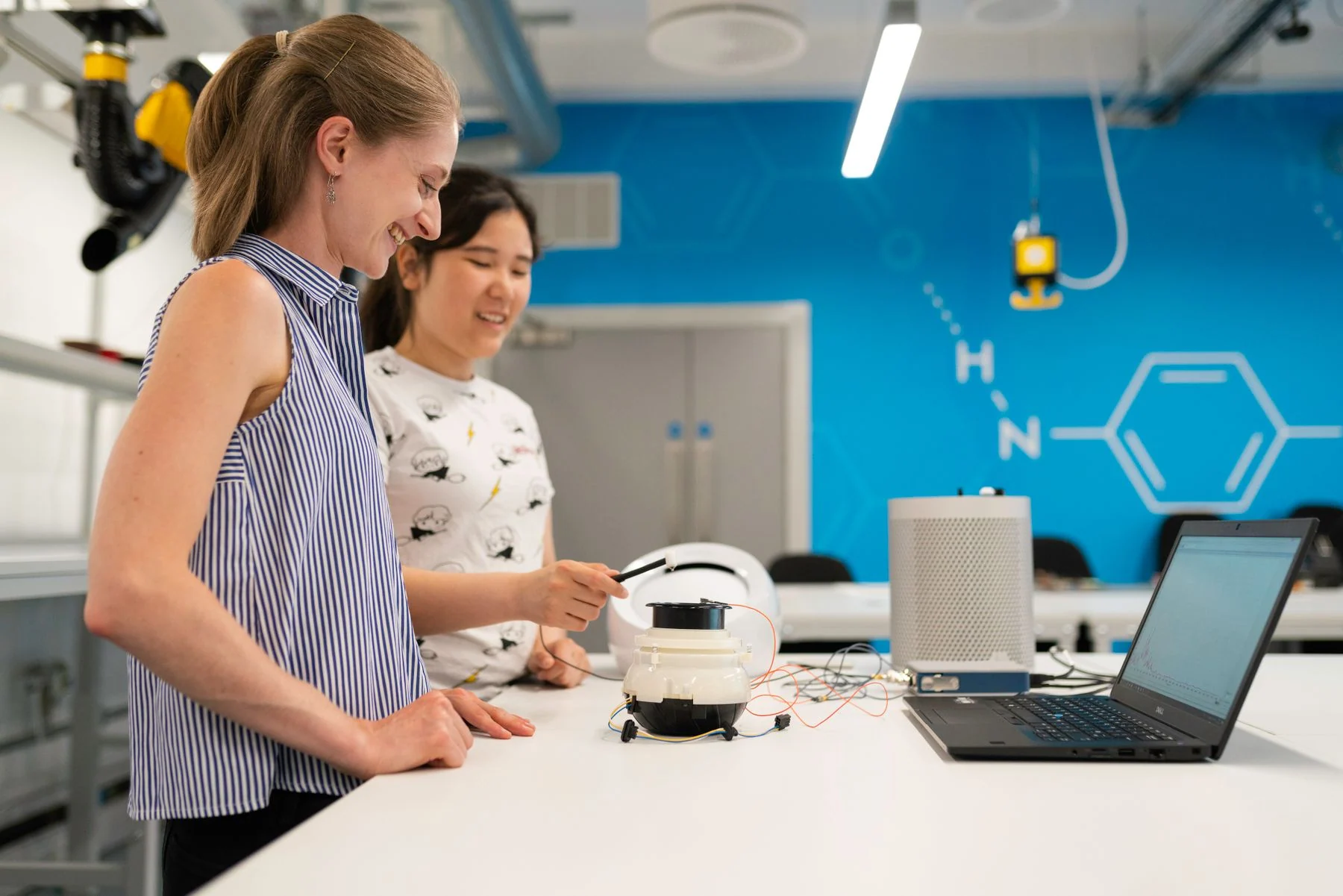
Your visitor may understand the instrument before understanding why this particular measurement matters. Connect the component, the test condition and the useful result in one view. A well-designed demonstration counter helps the specialist explain the difference without spending the first minute untangling the setup.
Purple can coordinate counters, mounting, display graphics, screen locations and the surrounding exhibit. Your RF team defines the test setup, equipment requirements and technical operating procedure. That division gives the booth a polished appearance while preserving access to the instruments and connections that make the demonstration work.
Our design and delivery approach ↗THE IMS EXHIBIT DIRECTION
Turn an instrument bench into an understandable experience. The hardware should retain its technical credibility while the visitor can follow what is being demonstrated.
Introduce the design problem and intended operating context with a concise, approved explanation. Give the visitor a reason to inspect this particular test rather than another screen.
Make the device under test identifiable and show where it sits in the signal chain. A larger annotated image can explain a small package without obscuring the real hardware.
Align the instrument view or mirrored output with the visitor position. Keep the measurement conditions, units and relevant comparison visible beside the result.
Move from the demonstration into package, interface, system or deployment questions. Keep the appropriate diagrams and sample hardware close to a shared discussion surface.
IEEE IMS FIELD NOTES
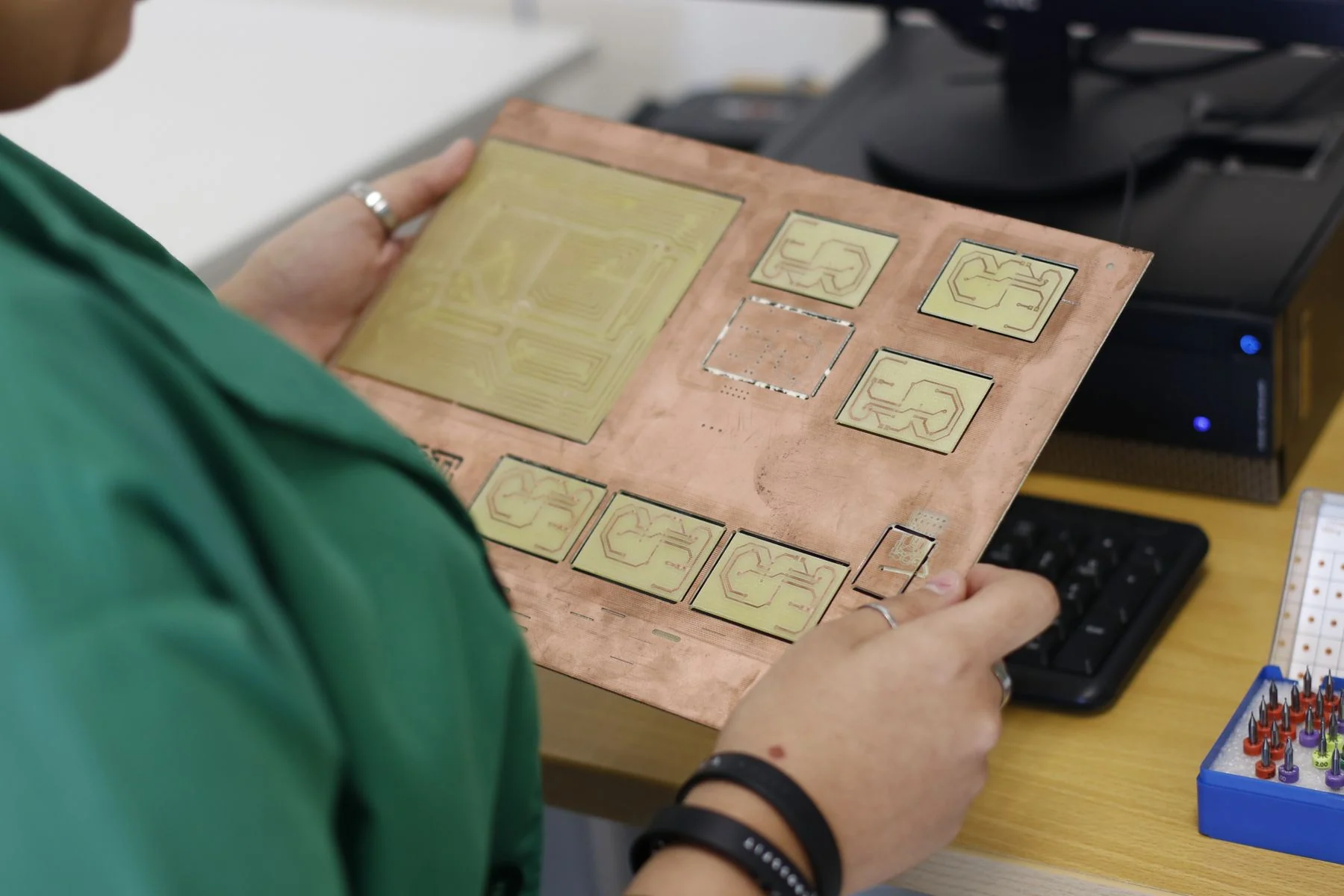
Begin with the result the engineer should inspect. Is the important difference visible in a single trace, a comparison, a switching sequence or a complete system response? Use an actual example to choose the screen position and viewing distance. Keep the conditions legible, and give your presenter an easy way to return to the starting state. A polished loop of promotional content can attract attention, but it should not replace the view needed to understand the live measurement.
Then work backward through the setup. Identify the device under test, instruments, supporting computer and connections that must remain accessible. Decide which relationships should be visible and which can sit behind a serviceable panel. The cabinet needs to be designed around the actual equipment, including airflow and access specified by your team. A clean visitor view should come from organized planning, without making an essential connector or control difficult to reach.
Plan for instruments to be positioned and checked after the supporting counters are installed. Record connector protection, packed dimensions and the team responsible for any calibration or verification. May 23 begins the overall event, not the exhibition; use current exhibitor instructions to establish delivery, installation and access dates.
THE PEOPLE WHO MAKE THE SPACE MATTER
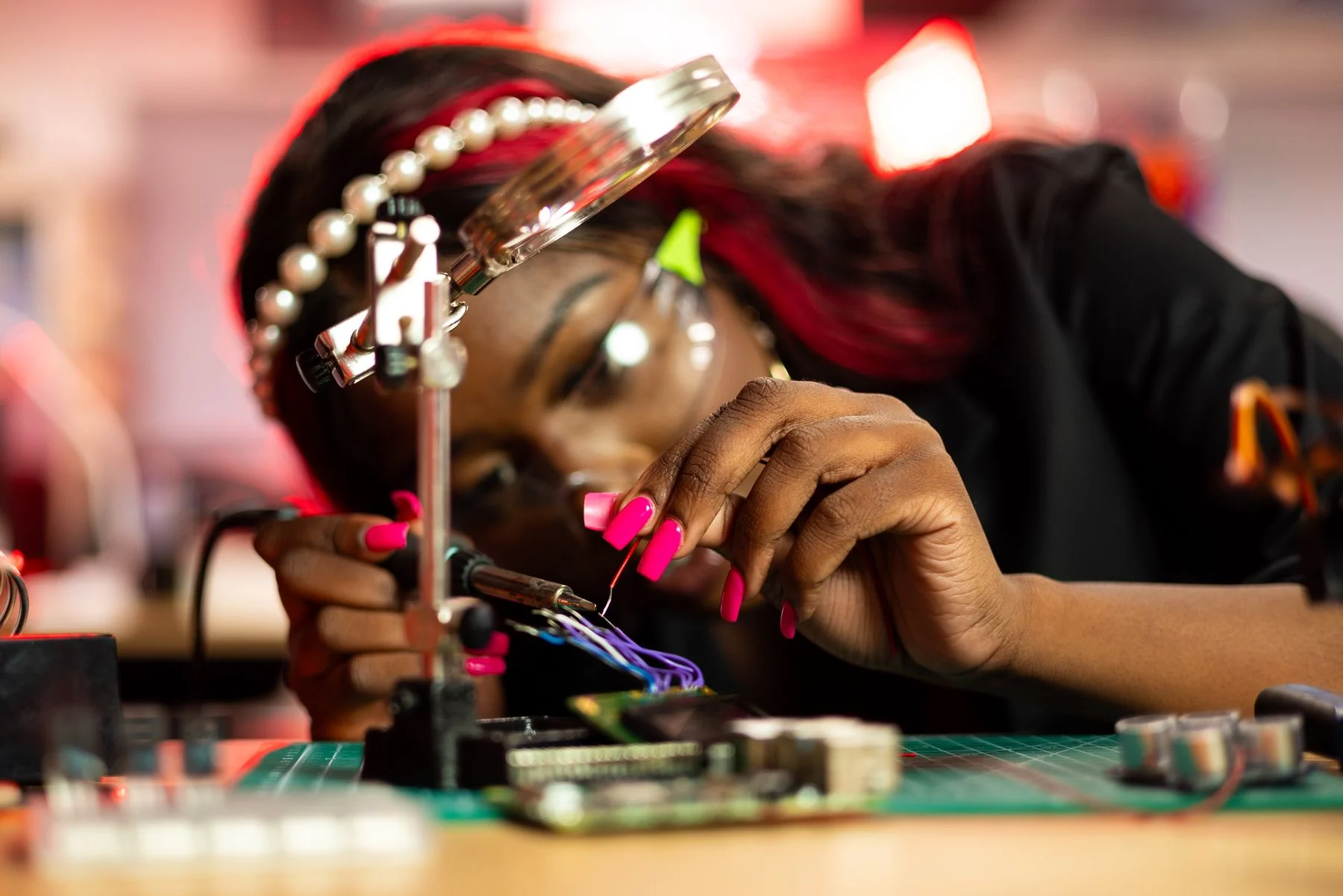
A specialist should not have to turn away from the visitor to operate the demonstration. Arrange the controls, instrument display and shared viewing screen so both people can follow the change. Leave a place for a colleague to join, and keep the deeper design discussion clear of the next demonstration. Small decisions about screen angle can make a technical conversation feel much more natural.
Give the team room to greet, demonstrate and listen. A good exhibit makes every one of those moments feel natural.
WHAT YOU ARE BRINGING TO IMS
Present the physical package alongside an understandable application and an enlarged detail. Keep evaluation boards, connector access and sample retrieval within a deliberate display system.
Prioritize stable bench space, ventilation, readable traces and practical service access. Use real content when sizing a shared screen; a crowded instrument interface needs careful treatment.
Show orientation, scale and the interfaces that matter to integration. Identify whether the exhibit is a static assembly, a controlled bench demonstration or another approved format.
Let a presenter move through a short engineering workflow with the interface visible to the visitor. Keep a project example or physical output close enough to connect the software with an actual design task.
DESIGN INSPIRATION FOR IMS
Give the visitor and specialist a clear view of the same result. An effective IMS exhibit connects the instrument, its application and the conversation around it. Keep the measurement visible, the operating position accessible and the next technical question close to the demonstration.
Discuss your exhibit direction ↗Licensed industry photograph; not a Purple project or a photograph of this show.
Set the instrument and screen where the demonstrator can operate the setup while the visitor follows the result.
Keep the relevant setup, measurement conditions and approved explanation available beside the demonstration.
Give a second visitor somewhere to wait or join without blocking the operator’s access or the main aisle.
THE SUBJECT BEHIND THE SPACE
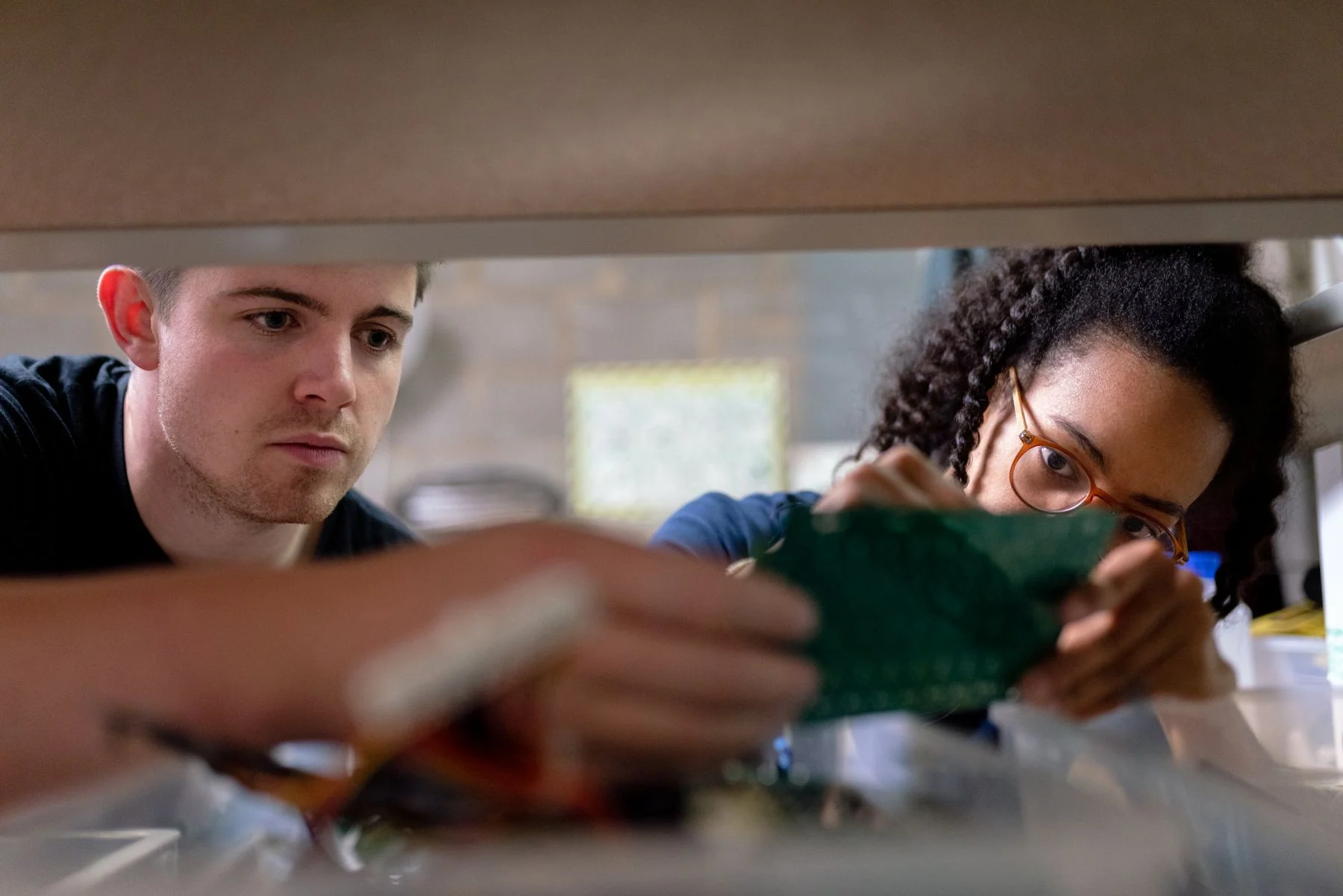
Bench work makes the relationship between the operator, the connections and the result visible. Apply that discipline to the IMS demonstration: give the specialist room to reach essential controls and let the visitor follow what changes on the screen. This electronics photograph illustrates physical access, not a particular RF measurement. Your own instruments and test procedure should determine the counter dimensions, viewing angle and service space behind the finished exhibit.
Build your planning checklist ↓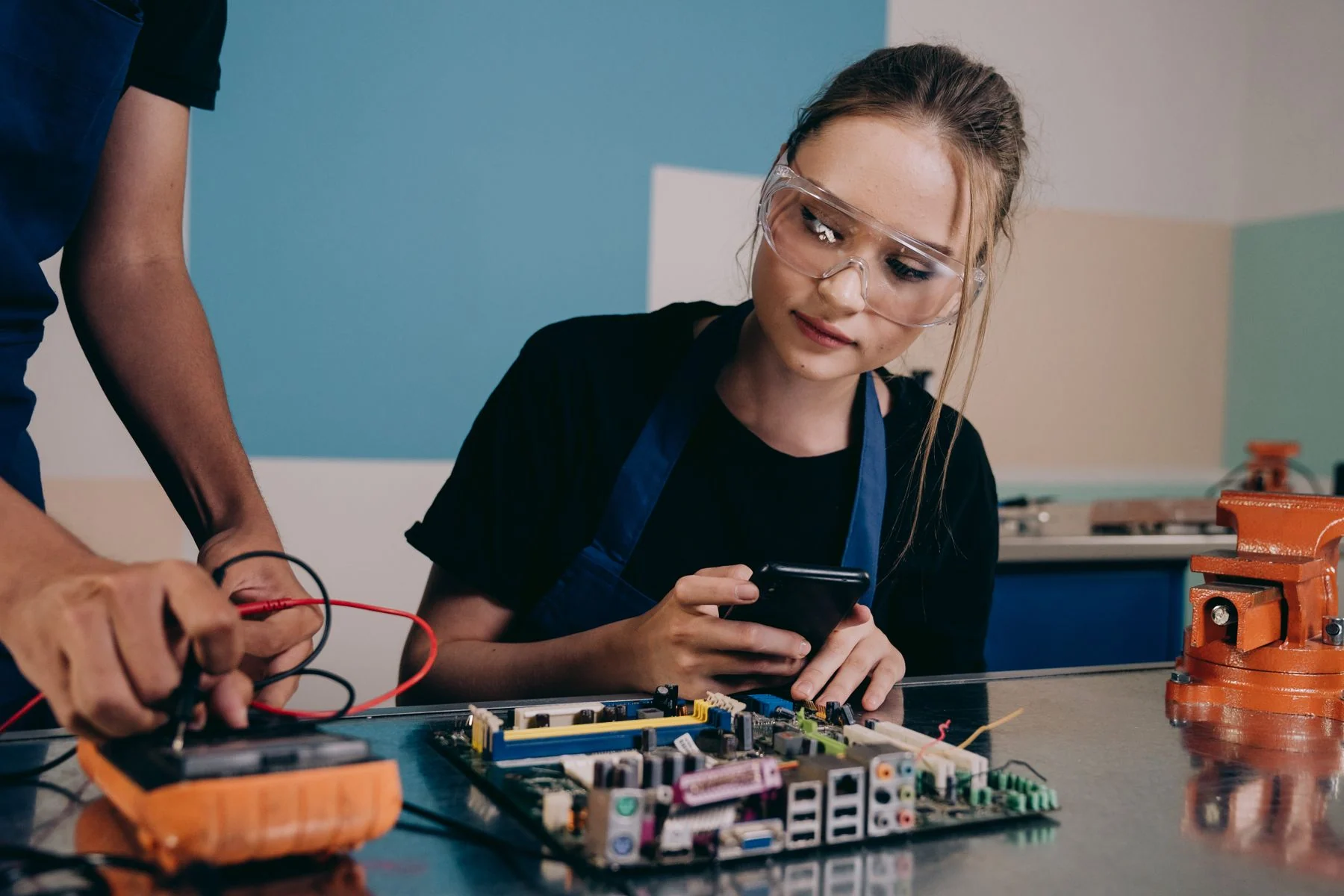
IEEE IMS FIELD NOTES
IMS combines quick discovery with questions that can become detailed very quickly. Put the most accessible demonstration toward the approach, then create somewhere to compare an application diagram, discuss a package or examine a sample. Make the transition clear: a visitor who needs ten minutes with an engineer should not occupy the only operating position for the next demonstration. The meeting area can be compact if the required documents and hardware are organized.
For multiple product teams, define the role of each station before dividing the booth. One may explain a component, another measurement method, and another the end application. Keep their terminology and visual hierarchy coherent while giving each presenter a practical working area. Rehearse with the people who will staff the booth, including how they handle a stalled demonstration, retrieve approved backup material and record the technical question that should guide the follow-up.
Instrument bench construction, equipment supports, mirrored screens, service access and specialist packing can influence the IMS budget. Record what your team supplies and what belongs in the exhibit scope. Discuss rental structures separately from custom demo modules so a reusable technical station is not lost in a general booth allowance.
LET THE EXPERIENCE CHOOSE THE FOOTPRINT
Illustrative layout directions, subject to your assigned space and the current show requirements.
MAKE THE FIRST MEETING USEFUL
Capture the decisions that your product, design and on-site teams need to resolve together.
IEEE IMS · YOUR EXHIBITOR PLAYBOOK
A polished bench needs an equally clear operating plan. Agree what the audience will see, how the team will verify it and how each demonstration returns to its starting state.
Create one station sheet identifying the device under test, instruments, connections, software version and approved settings. Include a setup photograph and expected result. Record which settings the presenter may change and which stay fixed so different staff can explain the same measurement consistently.
Identify what visitors see live, what uses stored data and what is a recorded example. Label those modes clearly. Where appropriate, prepare a local backup with its conditions and limitations preserved. A recorded result should never appear to be a current live measurement.
Have the technical owner define the checks after transport and installation: connections, instrument operation, starting state and expected result. Record who can resolve a failed check. Keep the relevant controls and connections accessible when the finished exhibit surrounds the bench.
Test how the presenter returns to the starting state after a visitor changes a setting, a session ends or supporting software restarts. Decide when to use the approved backup. Reserve somewhere to capture technical questions without blocking the next demonstration.
Purple’s planning guidance. IMS2027 dates and exhibition program ↗
VERIFIED EVENT DETAILS
Checked September 16, 2026. The full program and exhibit-hall dates are listed separately to help plan staff attendance and visitor appointments.
May 23–28, 2027
Organizer information ↗May 25–27, 2027
Organizer information ↗Henry B. González Convention Center · San Antonio, Texas
Organizer information ↗RF, microwave and related components, instruments, design tools and systems.
Organizer information ↗IEEE IMS takes place May 23–28, 2027 at Henry B. González Convention Center in San Antonio. The exhibition runs May 25–27. The organizer now uses IEEE International MTT Symposia and describes a program spanning RFIC, RFTT, RFSA and the closing ARFTG meeting.
Organizer information ↗Obtain the assigned space and current exhibitor requirements before confirming structure, service orders and installation access.
Organizer information ↗IEEE IMS · EXHIBITOR QUESTIONS
The full event runs May 23–28, 2027 at Henry B. González Convention Center in San Antonio, Texas. The exhibition is May 25–27. Use the exhibition days for booth appointments and the wider week for the technical program. Freight and installation must follow the separate exhibitor schedule.
The organizer now identifies the event as IEEE International MTT Symposia. Its announced 2027 week includes RFIC, RFTT, RFSA and ARFTG. The RF and microwave exhibition remains the focus of this booth guide. Use the current organizer naming and artwork when preparing event-specific graphics.
Put the application, device under test and useful result into an understandable sequence. Show the measurement conditions and keep the relevant part of the trace readable from the visitor position. Give the presenter a simple reset. The aim is to let an engineer investigate the setup, not merely watch a changing screen.
Supply equipment dimensions, weights, manufacturer clearance requirements, control locations and cable connections. Add the operator position, device-under-test access and an actual output screenshot. Identify any equipment that must remain locked, ventilated or readily removable. These details determine the counter before its exterior finish is selected.
Define the proposed operation with your technical team and check the applicable organizer and venue requirements before committing to a live format. Identify the equipment, operating conditions and any interaction with the surrounding environment. A controlled bench setup, static assembly or accurately labeled recorded demonstration may be more suitable for some stories.
Keep the physical component visible but support it with an enlarged photograph, package diagram or evaluation-board context. Use consistent identifiers and a clean background. Avoid letting decorative lighting create glare on the display. If visitors will handle samples, provide a clear method for retrieval and return that your product team approves.
Yes, when the equipment needs are part of the brief from the start. Purple can explore a rental structure with purpose-built or adapted demonstration counters. Check supports, access, ventilation, screen positions and packing requirements against the actual instruments. Rental refers to the exhibit approach; it does not remove the need for a technical setup plan.
Give each station a defined application and a staff owner, then connect them through a coherent overview of the business. Share meeting and retrieval space where practical. Rehearse how a visitor moves from a component question to a system discussion, and provide a handoff method so the next specialist receives the context.
Identify every function that needs connectivity, including licensing, remote instruments, cloud data and downloads. Give those requirements to the team coordinating services and test the intended setup. Where practical, prepare an approved local demonstration or recorded backup, clearly labeled so visitors understand what they are seeing.
Use a station sheet with the reference configuration, connections, settings and expected result. Have the designated technical owner perform and record the agreed checks before presentations begin. Build service access into the counter so verification and troubleshooting remain practical after instruments and screens are positioned.
FURTHER PLANNING
JUST SHOW UP.
Share the instrument list, device under test, demonstration sequence and booked footprint. Purple can shape an IMS exhibit around the result you want engineers to understand.