Catch the eye
Give the aisle one readable visual statement. Place detailed specifications where a visitor can stop and inspect them.

AV & immersive experiences
Purple Exhibits designs custom exhibits and rental booths for InfoComm 2027 in Orlando. Plan a space where integrators can see a display at the right distance, try the controls and discuss system requirements. From an immersive video presentation to a focused audio demonstration, the layout should make your product easy to experience and understand.
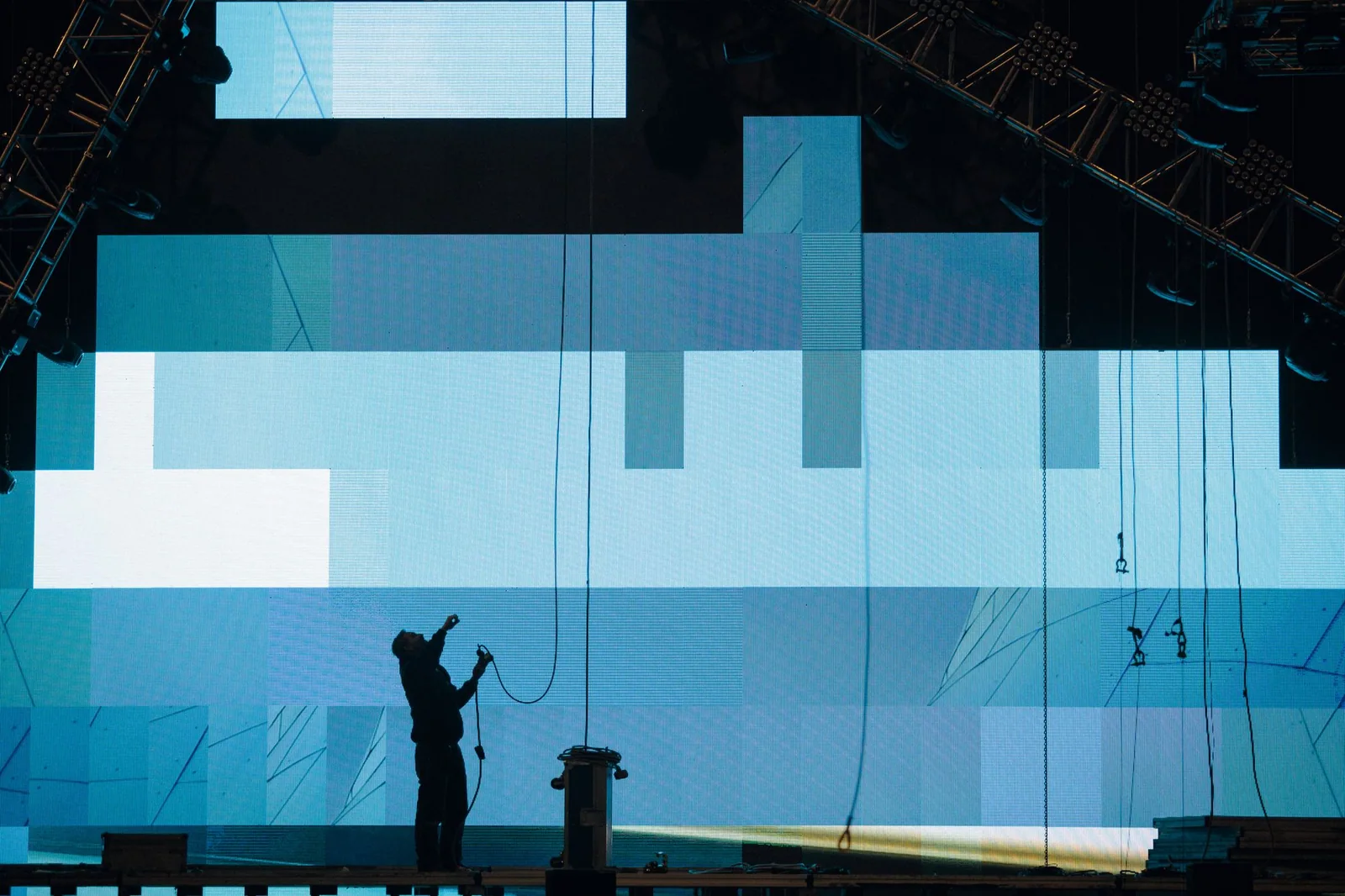
InfoComm · THE EXHIBITOR’S VIEW
At InfoComm, your exhibit is part of the demonstration. Screen orientation, the listening position, ambient light and the route to the controls all influence what an integrator can evaluate. Start with the viewing experience and let the architecture support it.
Purple can coordinate the exhibit architecture, display fixtures, graphics and installation scope. Your technical team supplies the system requirements, demo content and commissioning plan, so the physical environment and live technology arrive ready to work together.
Our design and delivery approach ↗AN EXHIBIT DIRECTION FOR INFOCOMM
Give visitors a short, complete story: source, processing, output and control. Each stop should reveal what your system changes for the end user.
Give the aisle one readable visual statement. Place detailed specifications where a visitor can stop and inspect them.
Put the interface within reach and show its result in the same field of view. Avoid asking visitors to follow a hidden action across the booth.
Use a repeatable clip, lighting cue or audio passage. Explain the demonstration conditions so the comparison is meaningful.
Keep an integration diagram and seating close to the demo, with enough separation for a technical discussion.
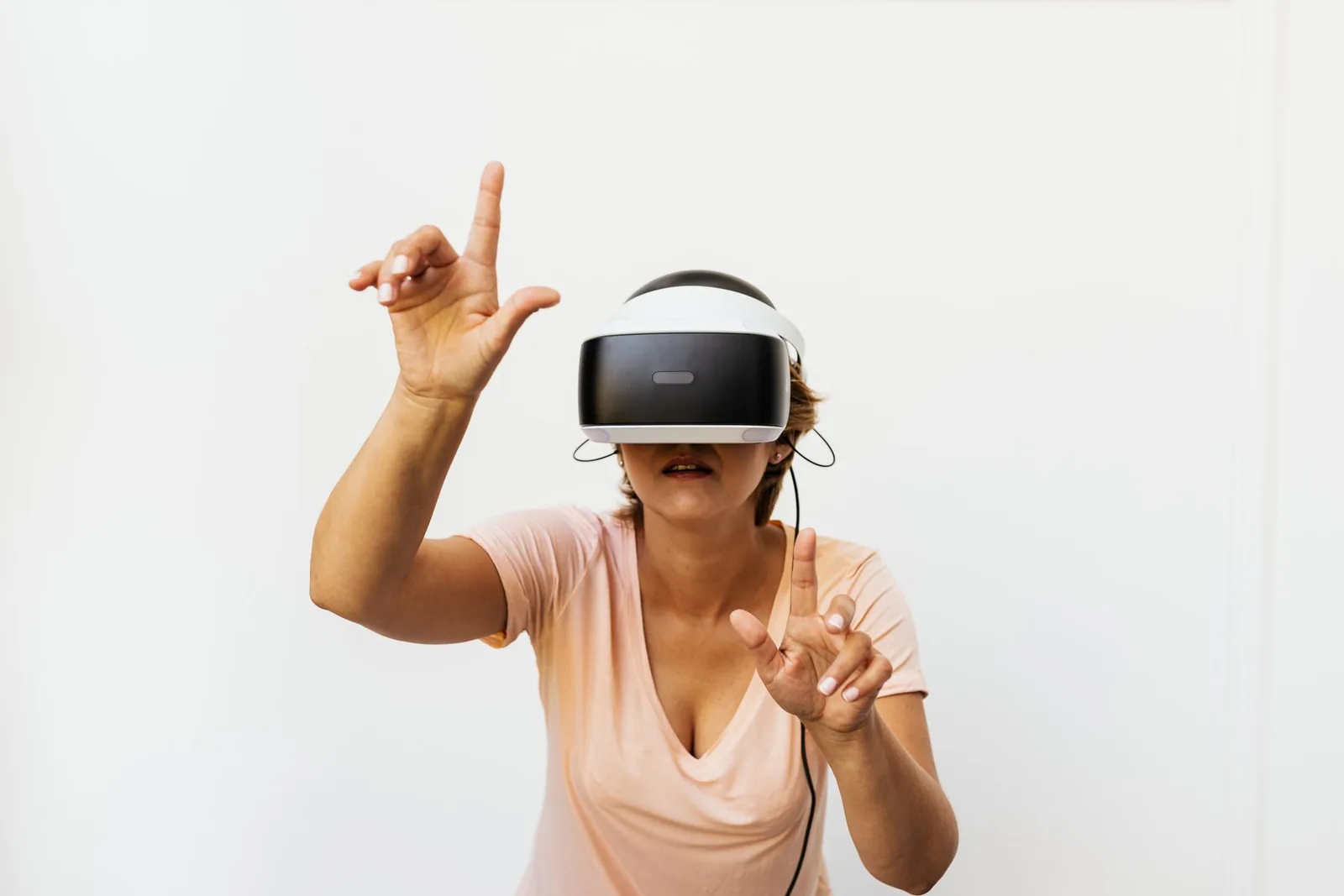
AV & immersive experiences · THE HUMAN DETAIL
A presentation attracts attention; a hands-on station lets an integrator ask a different question. Build in room for the person at the controls, a colleague watching the result and your product specialist. A deliberate reset between demonstrations keeps the next experience as convincing as the first.
Explore the product experience ↓INFOCOMM FIELD NOTES
An InfoComm exhibit has to do more than hold a screen. Decide which difference a visitor should notice in the first minute: a clearer image, a simpler control sequence, a better collaboration workflow or a more intelligible conversation. That decision sets the viewing distance, screen position, lighting strategy and number of people who can participate together. A demonstration designed for two integrators needs a different layout from a scheduled presentation for a standing group.
Translate the demonstration into a repeatable sequence before designing the surrounding structure. Map where the presenter stands, where the audience gathers and where a visitor can ask a technical question without stopping the next demo. Leave a route back to the aisle and keep the welcome point visible. The result should help a product specialist move naturally from an engaging introduction to a useful buying conversation.
Allow a sequence for structure, display installation, signal testing and rehearsal. The public education dates are not permission to deliver freight; use the current OCCC assignment and organizer installation schedule.
PRODUCT PRESENTATION
Show the content at its intended viewing distance. Discuss glare, camera capture and service access before enclosing the display structure.
Pair the listening or meeting position with an understandable use case. Review sound levels and separation with the organizer rather than assuming an open hall behaves like a demo room.
Expose the workflow without exposing a tangle of cabling. A readable signal diagram and accessible operating surface can explain more than a wall of product names.
INFOCOMM · THE PRODUCT UP CLOSE
An audio console becomes more useful to a buyer when they can try a real task. Build your InfoComm demonstration around a short, repeatable sequence: select a source, adjust the mix and hear the result. Position controls within comfortable reach, provide a clear view of the interface and leave room for the presenter to explain how the equipment fits into a larger AV system.
Make this part of your brief ↗Industry photography illustrates the products and experiences behind the design. Purple’s actual exhibit project is featured separately on this page.

INFOCOMM FIELD NOTES
AV-heavy environments reward early coordination between the exhibit designer and the product team. Record each display, player, control device and signal connection, together with mounting dimensions, ventilation needs and service access. Bring the content format into the same discussion: a portrait wall, a wide LED canvas and a desktop interface require different framing. Planning these relationships early gives the architecture a clear purpose and reduces improvised cable routes on site.
Use separate modes for discovery and discussion. A bright, outward-facing demonstration can attract attention while an adjacent table supports system diagrams, deployment questions and partner meetings. Rehearse the transition between those modes with the staff who will run the booth. For Orlando, align the delivery and commissioning plan with the confirmed exhibit dates of June 16–18, 2027, then check the current exhibitor materials before committing to installation milestones.
Screen support, content resolution, signal distribution, acoustics, control hardware and technical setup time deserve their own lines in the estimate. Establish who supplies each AV component and who remains responsible for programming and operation.
BUILT BY PURPLE
Look at the sightlines, product presentation and hospitality in this Purple portfolio project. Those physical design decisions are useful starting points for an AV environment; the live system and content would be developed around your own product.
Explore Amazon ↗More from Purple’s portfolio ↗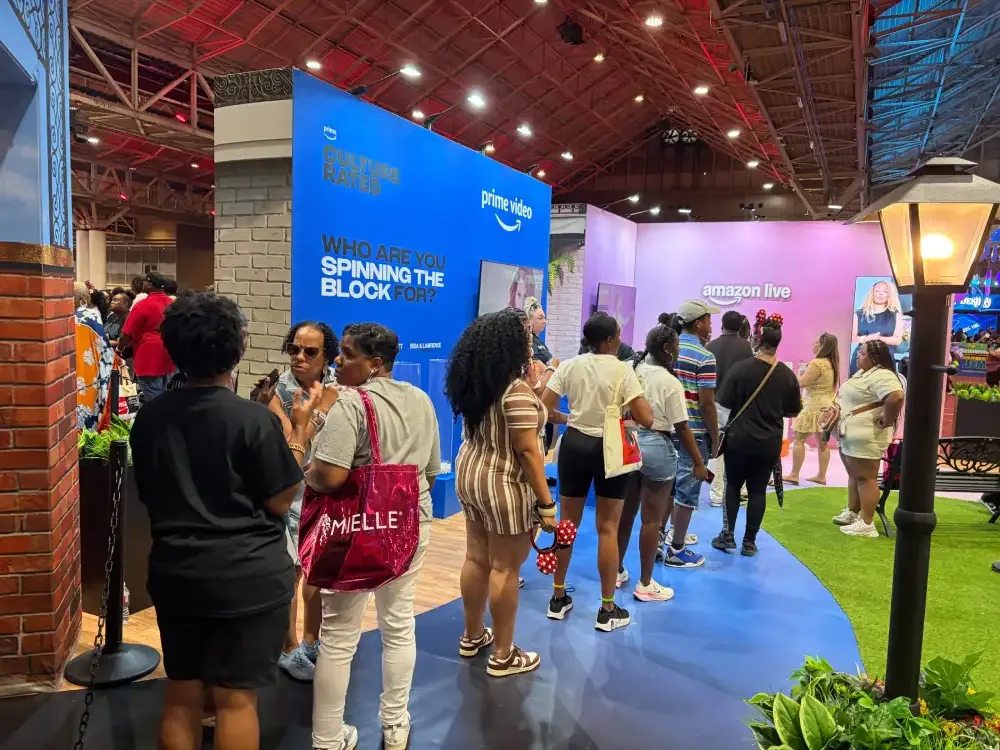
VERIFIED EVENT DETAILS
Checked September 15, 2026. The full program and exhibit-hall dates are listed separately to help plan staff attendance and visitor appointments.
June 12–18, 2027
Organizer information ↗June 16–18, 2027
Organizer information ↗Orange County Convention Center · Orlando, Florida
Organizer information ↗The 2027 Orlando event co-locates InfoComm, RESIDE and Lightapalooza; the organizer announces three shows with one badge.
Official source ↗InfoComm lists June 12–18 for the full 2027 event and June 16–18 for exhibits. Lightapalooza and RESIDE are also part of the announced 2027 setting; confirm participation and assigned areas with the organizer.
Organizer information ↗InfoComm's 2027 space-selection page publishes separate on-floor meeting-room options in 10 × 10, 10 × 20 and 20 × 20 configurations.
Official source ↗LET THE EXPERIENCE CHOOSE THE FOOTPRINT
Illustrative layout directions, subject to your assigned space and the current show requirements.
InfoComm’s organizer lists June 12–18, 2027 for the full event at Orange County Convention Center in Orlando, with exhibits June 16–18. Plan visitor appointments for the exhibit days and education attendance for the wider program. Installation and shipping dates should come from the current exhibitor materials.
Start with your booked footprint, product priorities, audience and demonstration sequence. Add the equipment list, display dimensions, signal diagram, expected presenter count and the questions sales needs to answer at a table. Provide sample content early. A screen mockup with real interface text is more useful than a placeholder image when judging sightlines and reading distance.
Give each station a distinct job and an obvious starting point. Group demonstrations that share hardware or a presenter, and separate those that compete for sound or audience attention. Plan where waiting visitors stand and how staff reset each experience. A central overview screen can introduce the range without requiring every demonstration to run continuously.
Choose around the way buyers evaluate the product. A repeated group presentation suits a clear before-and-after story; individual stations suit configuration questions and hands-on testing. Some exhibitors need both, but the schedule and staffing must support that choice. Sketch the audience at full capacity before deciding how much floor area a stage should occupy.
Evaluate them as one experience. Check what overhead light does to the image, whether adjacent graphics remain readable and whether a conversation can continue near the demonstration. Supply the design team with real content and the equipment specifications. Any acoustic treatment, mounting or suspended feature must be developed for the actual space and approved requirements.
Plan the next use while selecting the structure and content system. Identify which demo modules, screens, counters and graphic panels will remain relevant, and which messages will change. Request packing and reconfiguration information as part of the brief. A useful reuse plan depends on the later footprint, transport constraints and product roadmap rather than a generic claim of modularity.
MAKE THE FIRST MEETING USEFUL
Capture the decisions that your product, design and on-site teams need to resolve together.
FURTHER PLANNING
JUST SHOW UP.
Send the display sizes, system components and demonstration you want visitors to try. We can shape an InfoComm exhibit around that moment.