Purple Exhibits
A spacecraft above Earth with ocean and land visible below.
Space hardware in orbit · industry reference photograph Photo: SpaceX · Creative Commons Zero (CC0)
Trade shows/July 2027/Space Tech Expo USA

The space technology editionAnaheim / 2027

Space Tech Expo USA 2027 · Custom exhibit design & build Show the component. Explain its role.

Space suppliers need an exhibit that gives technical products context without losing their detail. Purple can help connect components, capabilities and approved application stories in a Space Tech Expo USA booth built for informed engineering conversations.

Exhibit focusComponent displaysMission contextEngineering meetings
Full eventJune 29–July 1, 2027
Exhibit hallExhibits and conference: June 30–July 1, 2027
AnaheimAnaheim Convention Center, Hall A
Official show ↗

A show-specific perspective

Make your place in the space supply chain visible

A connector, material sample or test service becomes more meaningful when a visitor can see where it belongs. We recommend an application-led exhibit that connects the physical offer to a clear system or mission context approved by the exhibitor. That approach gives a specialist useful detail and helps a broader visitor understand the company’s role before beginning a deeper conversation.

Find your product story

A closer look

Build a bridge from discovery to detailed discussion

Visitors may need a brief introduction before they know which specialist to speak with. Design a welcoming entry point that explains the capability quickly and helps the team route the conversation. Nearby, a technical station can support closer inspection of a sample or diagram. A separate meeting area then gives a qualified discussion room to develop without holding up the introductory experience for another visitor.

Plan how staff will handle information during the conversation. Public display material, general product literature and documents intended for a more controlled setting should be distinguishable in the team’s process. Let the exhibitor decide the appropriate boundaries and review requirements. The physical design can support that plan with dedicated storage, deliberate screen orientation and meeting space suited to the group rather than simply adding more screens.

Build your planning checklist
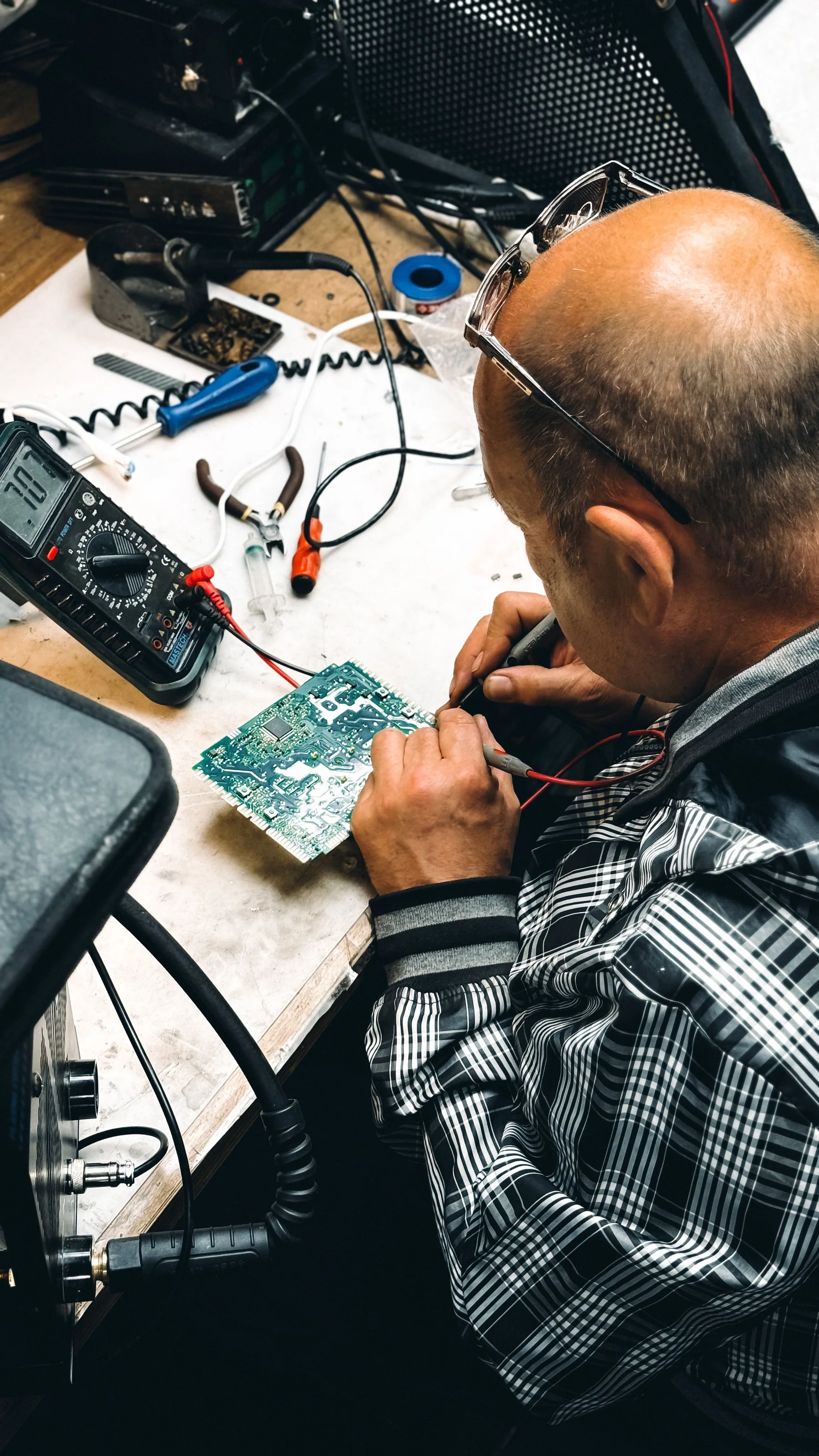
A technician examines a circuit board at an electronics workbench.
Component inspection · industry reference photographPhoto: Bulat843 🌙 · Pexels License

Build the story across scales

A component-to-system showcase

Create a connected story at several scales: a real sample, a focused explanation and an application context. Use precise labels and approved visuals throughout. The exhibit should make the supplier’s capabilities easier to assess without implying participation in programs or missions the company has not authorized you to name.

Illustrative concept
  1. Identify the capability

    Lead with a specific product or service category that a technical visitor can recognize. Use a concise statement of what the company supplies. Avoid making a broad space-themed backdrop carry the burden of explaining an otherwise unfamiliar component or engineering service.

  2. Present a meaningful sample

    Choose components or materials that illustrate the capability clearly. Custom mounts can improve visibility and protect the intended presentation. Ask the product owner to approve what is displayed, how it is labeled and whether visitors may handle any sample.

  3. Connect it to the application

    Use an approved diagram, model or animation to explain where the offer sits in a larger system. Distinguish real hardware from illustrative models. A restrained visual sequence can communicate scale and relationships without suggesting that a concept is flight hardware or a completed program.

  4. Support the technical next step

    Give specialists a place to discuss a visitor’s requirements and review suitable information. Capture the application, relevant constraints and requested follow-up in the exhibitor’s preferred process. Keep the meeting position distinct from the open demonstration so both activities can continue comfortably.

DESIGN NOTES / 01

Precision should shape the visual language

A space-industry exhibit can feel ambitious without using a giant spacecraft image as its only message. Let the product determine the visual hierarchy. A clean component display, accurate diagram and carefully selected application image can say more about a supplier than an overloaded wall of mission imagery. Give each graphic a defined job and use terminology that the engineering team recognizes across the entire presentation.

Review the source and meaning of every image or model. Confirm which customer names, program references and technical details the exhibitor has approved for public use. Label representative or illustrative material honestly. This keeps the design useful and avoids implying that an attractive image documents the exhibitor’s own work. The same discipline should apply to sample labels, animations, brochures and the content shown on demonstration screens.

Built around what you bring

A clear setting for space-industry capabilities

01

Components and electronics

Use precise mounts, consistent labels and close viewing positions for small products. A supporting diagram can explain the connection between parts. Keep display samples organized around a recognizable application or product family so the booth does not become an unstructured collection of hardware.

02

Materials and manufacturing

Show selected samples that make the relevant material or manufacturing capability visible. A cross-section, representative assembly or approved process image can support the conversation. Have the product team define the correct terminology and any limitations of a sample used to illustrate the offer.

03

Testing and engineering services

Give an intangible service a physical explanation through a clear process diagram and approved examples. A short guided screen presentation can connect the stages. Reserve space for specialists to discuss the visitor’s needs without putting confidential customer or project material on public display.

04

Systems, software and ground technology

Connect a system model or hardware display to an approved interface or architecture explanation. Identify simulated demonstrations clearly. Consider how a visitor moves from the broad system story to a particular feature, with deeper materials available when an appropriate specialist joins the conversation.

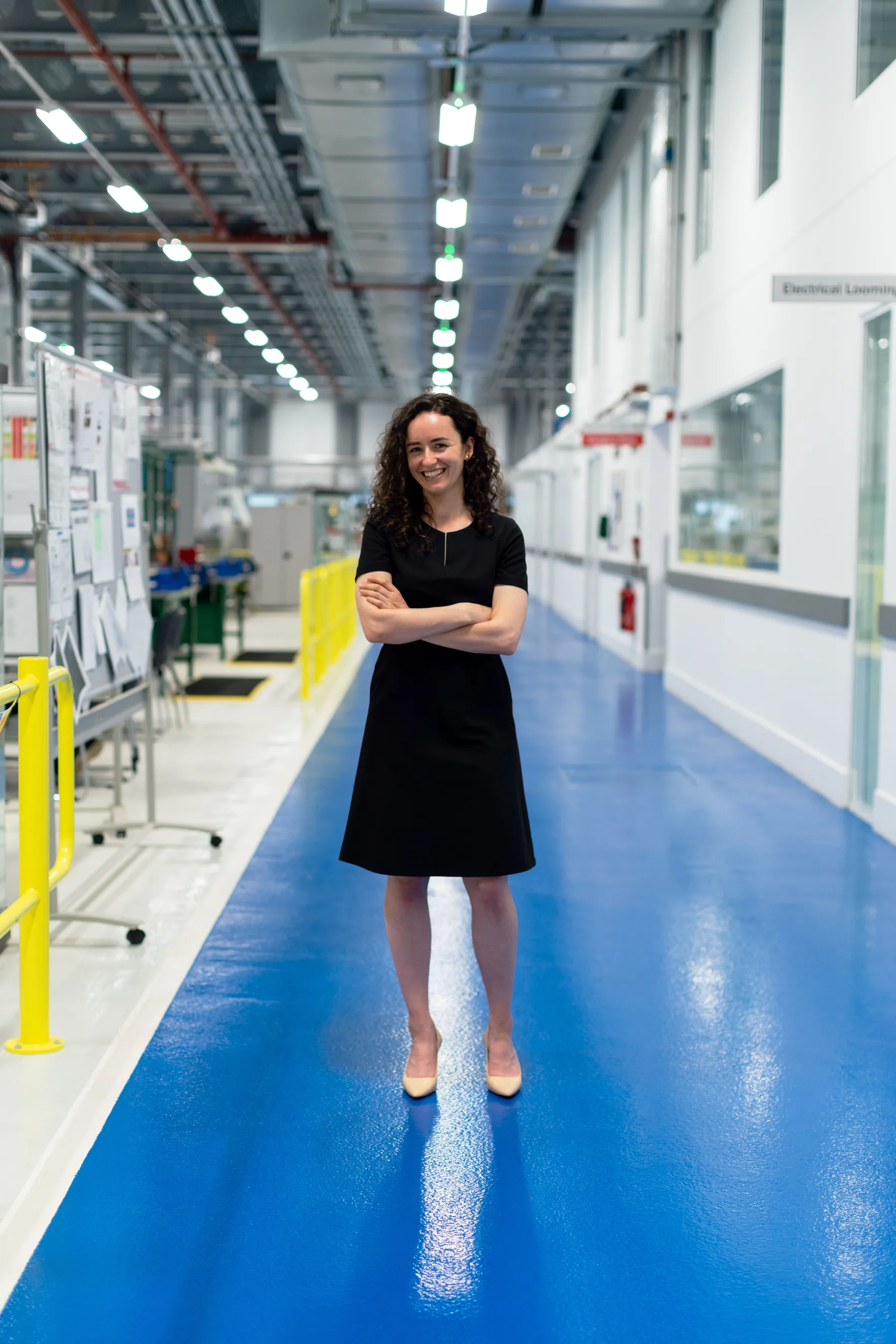
A woman engineer stands in an industrial engineering facility.
Engineering expertise · industry reference photographPhoto: ThisIsEngineering · Pexels License

The human connection

Put capability experts within easy reach

Align staffing with the products and applications the booth presents. A greeter should be able to identify the visitor’s area of interest and connect them with the relevant engineer, product or commercial specialist. Rehearse the handoff using the actual displays. Include useful notes about the application and requested next step so the conversation remains specific when the team follows up.

Shape the visitor experience

Choose the working space

A footprint with a purpose.

Layout direction 1

Focused supplier showcase

A compact booth can combine a small component library, one clear capability graphic and a conversation surface. Use the most informative samples and keep the rest in organized storage. Consistent mounting helps small hardware feel deliberate and makes technical differences easier to discuss.

Explore this approach
Layout direction 2

Demonstration and consultation space

Pair a guided technical station with a separate table for engineering discussion. Consider where visitors stand to see the sample or screen and how staff move between the two settings. Confirm the product and service requirements before selecting fixed cabinetry or display technology.

Explore this approach
Layout direction 3

Connected capability environment

For a broader portfolio, group stations by capability or application and connect them with a common design language. Provide an obvious welcome point and shared meeting support. The layout should help visitors find their relevant topic without assuming they already know the company’s internal divisions.

Explore this approach

Conceptual layouts, adapted to your confirmed footprint, open sides, equipment and current show requirements.

Spend on accurate presentation and useful meetings

Custom hardware mounts, models, sample security, screen content and meeting provision influence the project alongside fabrication and logistics. Heavy or unusually shaped displays may need specialist coordination. Begin with a prioritized sample list and identify which assets can serve future events. Separate product transport and external show services from exhibit construction, with scope assumptions visible enough for the team to compare concept options fairly.

The practical details

Space Tech Expo USA 2027 dates and venue

Organizer information checked September 16, 2026. Event dates and exhibit-hall dates are labeled separately.

Plan from the current editionThe organizer advertises June 29–July 1, 2027 in Anaheim. June 29 is an exhibitor and VIP networking reception; exhibits and conference run June 30–July 1 at Anaheim Convention Center, Hall A. July 1 is the crossover exhibition day. Purple’s design guidance is independent and does not imply organizer or program affiliation.

Your working checklist

Prepare the space-supplier exhibit brief

0 of 12 items confirmed

Confirm the brief
Design the experience
Prepare the delivery

Useful answers

Space Tech Expo USA exhibit questions.

Talk through your brief
Does Space Tech Expo USA 2027 take place in July?

Yes. The exhibition and conference run June 30–July 1, 2027, so July 1 falls in July. The full advertised event begins on June 29 with an exhibitor and VIP networking reception. Keep the reception date separate from visitor-facing booth appointments.

Where is the 2027 show?

The official event site lists Anaheim, California, and gives Anaheim Convention Center, Hall A, as the venue address. Confirm your booth allocation, exhibitor access and service details through the current organizer materials. Share those details with the project team before finalizing the layout.

How can we display small space components?

Use consistent mounts, readable labels and a defined viewing position. Add a close-up image or diagram when it helps explain a detail. The product owner should approve the samples, display configuration and handling approach, with the surrounding architecture designed to support that presentation.

Can we use mission imagery in the booth?

Use only imagery and program references the exhibitor has permission to display and has approved for the intended context. Identify illustrative images accurately. A photograph or model should not imply that the company supplied a particular mission, or that Purple built a particular exhibit, without supporting evidence.

How do we present an engineering service?

Start with the customer question the service addresses, then show a clear approved process or representative example. A guided screen can provide detail while a specialist handles application-specific discussion. Keep confidential project material out of open displays unless the exhibitor has explicitly approved it for public use.

What kind of meeting space is useful?

Base it on group size, the material to be reviewed and the expected depth of discussion. A table with the right screen and storage may be sufficient. More enclosed space requires additional planning for circulation and visibility; it should serve a defined purpose in the appointment plan.

What drives the cost of a custom exhibit?

Hardware fixtures, models, media, fabrication, freight and meeting capacity all contribute. Specialist product handling and organizer services may add separate costs. A prioritized display inventory and a clear reuse strategy help the team assess the scope before committing to an architectural concept.

What should we send Purple to get started?

Share the booth allocation, priority capabilities, sample list and approved application story. Include any existing exhibit assets and content you hope to reuse. Identify the product and communications reviewers so the concept can develop around accurate displays, practical meeting needs and a coordinated production brief.


JUST SHOW UP.

Give your capability a clear place on the floor

Share your Space Tech Expo USA footprint, hardware and application priorities. Purple can help shape an exhibit that makes the product visible and gives technical conversations room to develop.

(800) 994-8030info@purpleexhibits.comExhibit design · custom builds · rentals · show coordination

Request a proposal

Tell us what you are bringing to Space Tech Expo USA and what your exhibit needs to accomplish.

Add booth details (optional)

Your request goes to Purple’s exhibit team.

Plan my Space Tech Expo USA exhibitCall Purple