Set the atmosphere
Use a focused interior vignette to establish scale and a believable application for the product.

Cruise & hospitality interiors
Purple Exhibits plans custom and rental exhibits for Cruise Ship Interiors Design Expo Americas and the co-located HRDS in Miami Beach. Bring materials, lighting and furniture together in a setting that designers can explore, then support the visual story with accessible samples and product documentation. Shape each conversation around the distinct needs of marine and land-based hospitality projects.
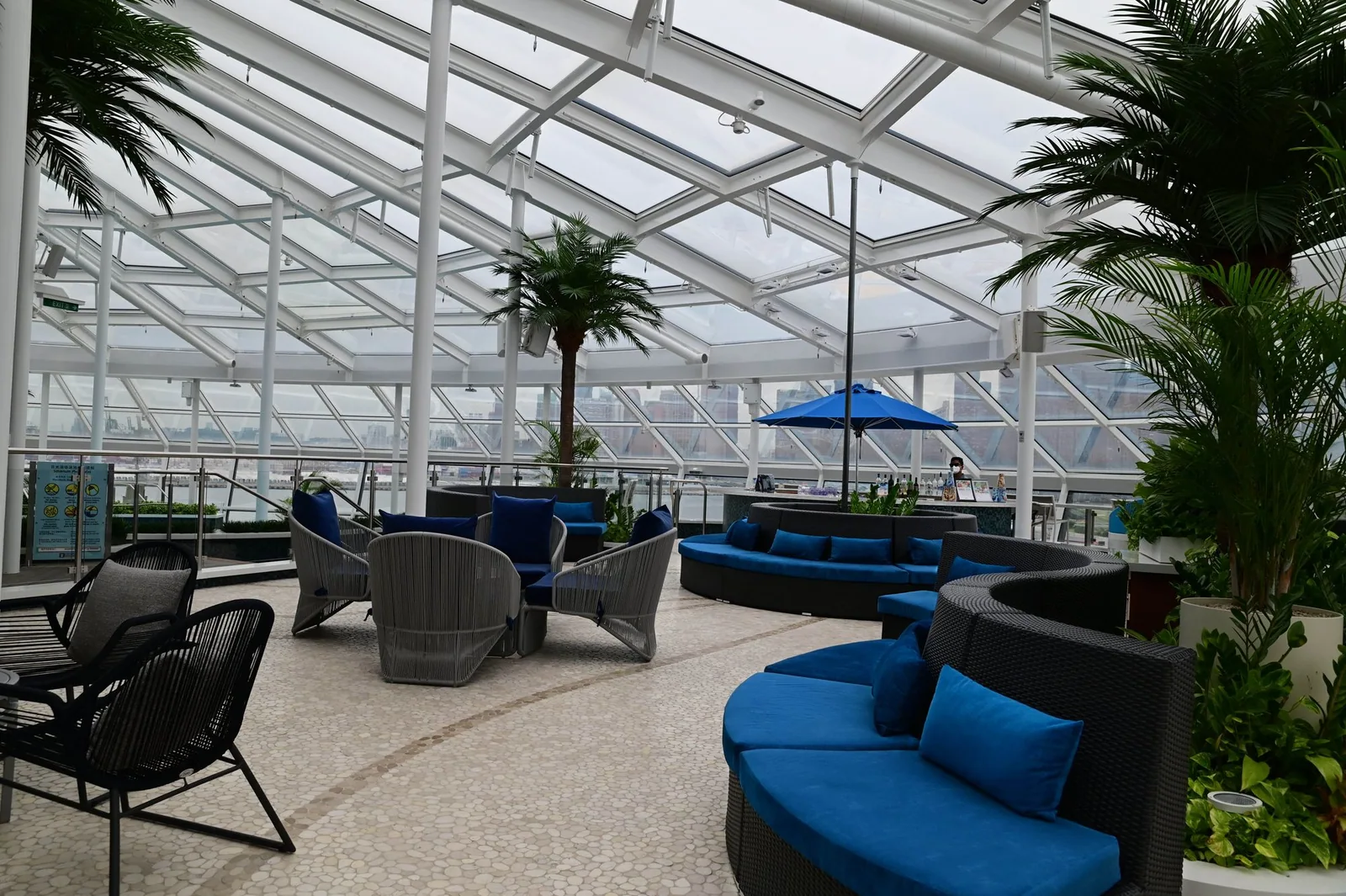
Cruise Ship Interiors · THE EXHIBITOR’S VIEW
Cruise and hospitality designers evaluate products in relation to the spaces around them. A finish needs a neighboring surface, a lighting condition and a detail that shows how it is used. Let the exhibit support that comparison without burying the specification information.
Purple can develop interior vignettes, sample libraries, product supports and meeting areas around the collection. Your technical team supplies product data and application limits; the exhibit should make that information easy to find alongside the physical material.
Our design and delivery approach ↗AN EXHIBIT DIRECTION FOR CRUISE SHIP INTERIORS
Connect the sensory experience of a finish with the practical information a designer needs to continue the specification conversation.
Use a focused interior vignette to establish scale and a believable application for the product.
Place tactile samples where visitors can handle or compare them comfortably, with a clear method for returning each piece.
Show edges, joins, mounting or installation relationships that matter to the intended application.
Keep product identifiers and technical documents close to a meeting surface, so the selection can be recorded accurately.
PRODUCT PRESENTATION
Combine a larger installed view with manageable samples. Use consistent identifiers so the tactile selection matches the technical documentation.
Give products enough context to explain scale and relationships while preserving room to inspect the detail.
Use project imagery, mockups and a clear capability story, with space for designers and procurement teams to discuss an actual brief.
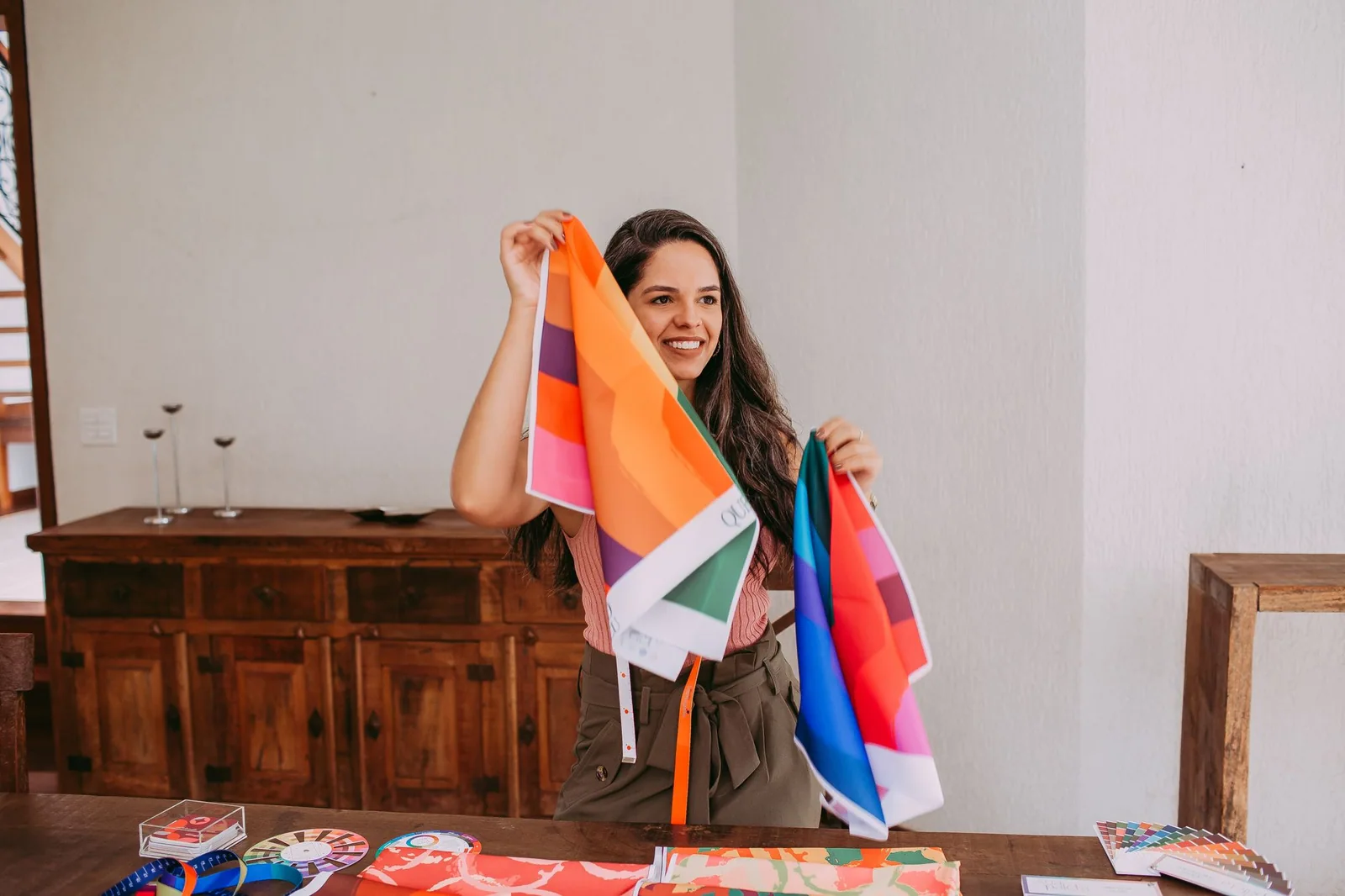
Cruise & hospitality interiors · THE HUMAN DETAIL
A material discussion often involves more than one sample and more than one person. Provide a table or surface where finishes can be laid out together under considered lighting. Keep sample retrieval close enough that the conversation can continue without the team disappearing into storage.
Explore the product experience ↓CRUISE SHIP INTERIORS FIELD NOTES
A cruise-interiors booth needs to make a product tangible. Designers may want to feel a textile, compare a finish under different lighting or understand how a furniture piece fits a guest environment. Start with a small, purposeful collection and decide what each display should communicate. A wall of related materials can support comparison, while a carefully composed vignette can show how the pieces work together.
Keep the product accessible for a closer look. Swatches need a practical home, labels should be easy to connect with the relevant sample, and staff should be able to retrieve additional information without interrupting the conversation. If a display includes a larger interior element, plan the approach and viewing positions around its actual dimensions. The environment should introduce the design intent while leaving room to discuss the details that matter to a specifier.
Pack finishes and exposed edges for protection, and record the order in which mockup elements need to be installed. At Miami Beach Convention Center, leave time to adjust lighting and confirm that every displayed sample has the correct product identifier.
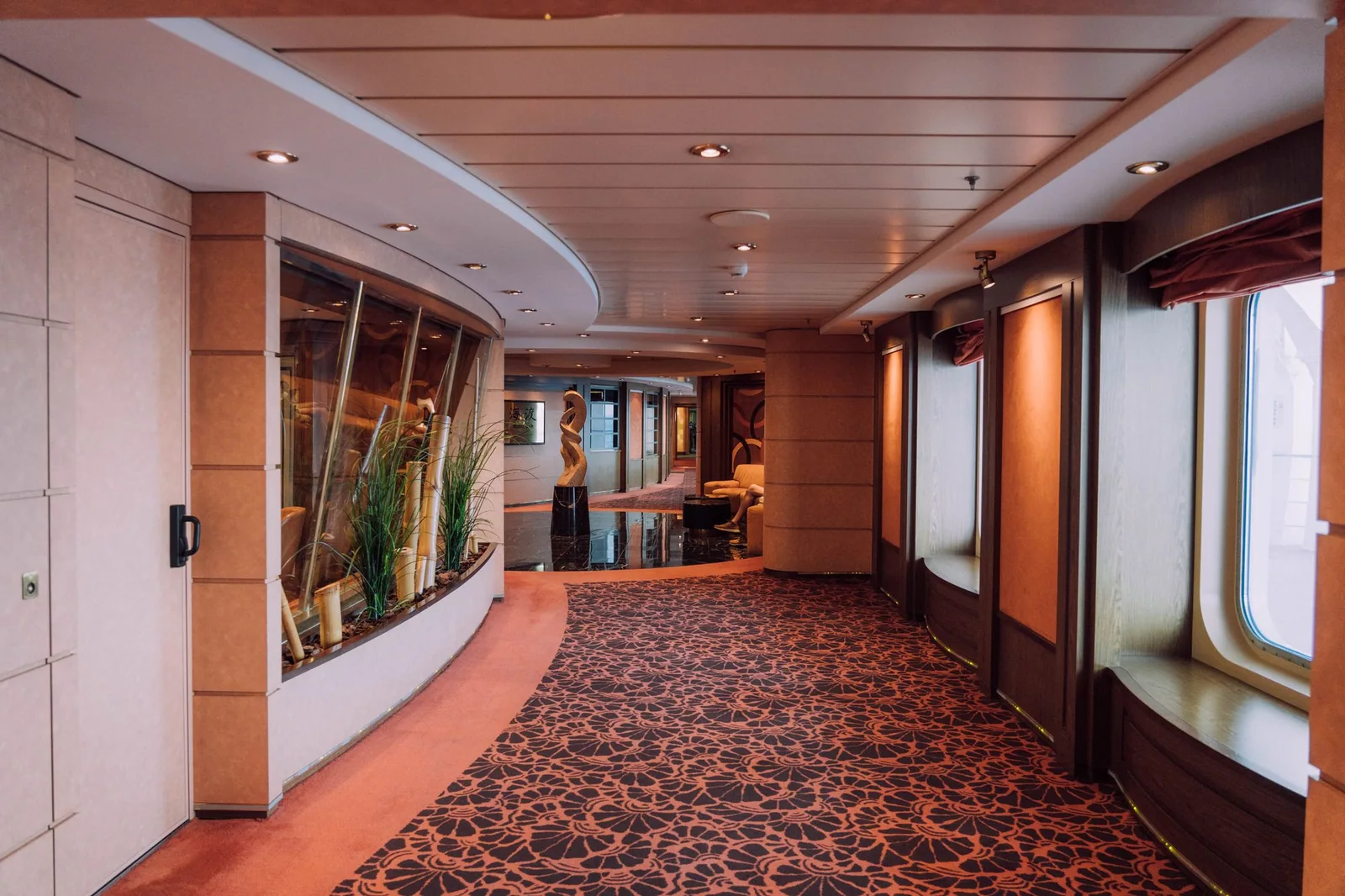
CRUISE SHIP INTERIORS · THE PRODUCT UP CLOSE
Present flooring, wall finishes and lighting as parts of one interior, with a clear route through the setting. Let designers experience the combination at a useful scale, then provide samples they can compare closely. Keep supplier specifications and application details beside the display. For products serving both cruise and hotel projects, distinguish the documentation for each use, drawing on the exhibitor’s verified product information.
Make this part of your brief ↗Industry photography illustrates the products and experiences behind the design. Purple’s actual exhibit project is featured separately on this page.
BUILT BY PURPLE
This Purple architectural portfolio project illustrates how product, texture and spatial context can work together. A cruise-interiors exhibit would be developed around your own collection and documented application requirements.
Explore Lunawood ↗More from Purple’s portfolio ↗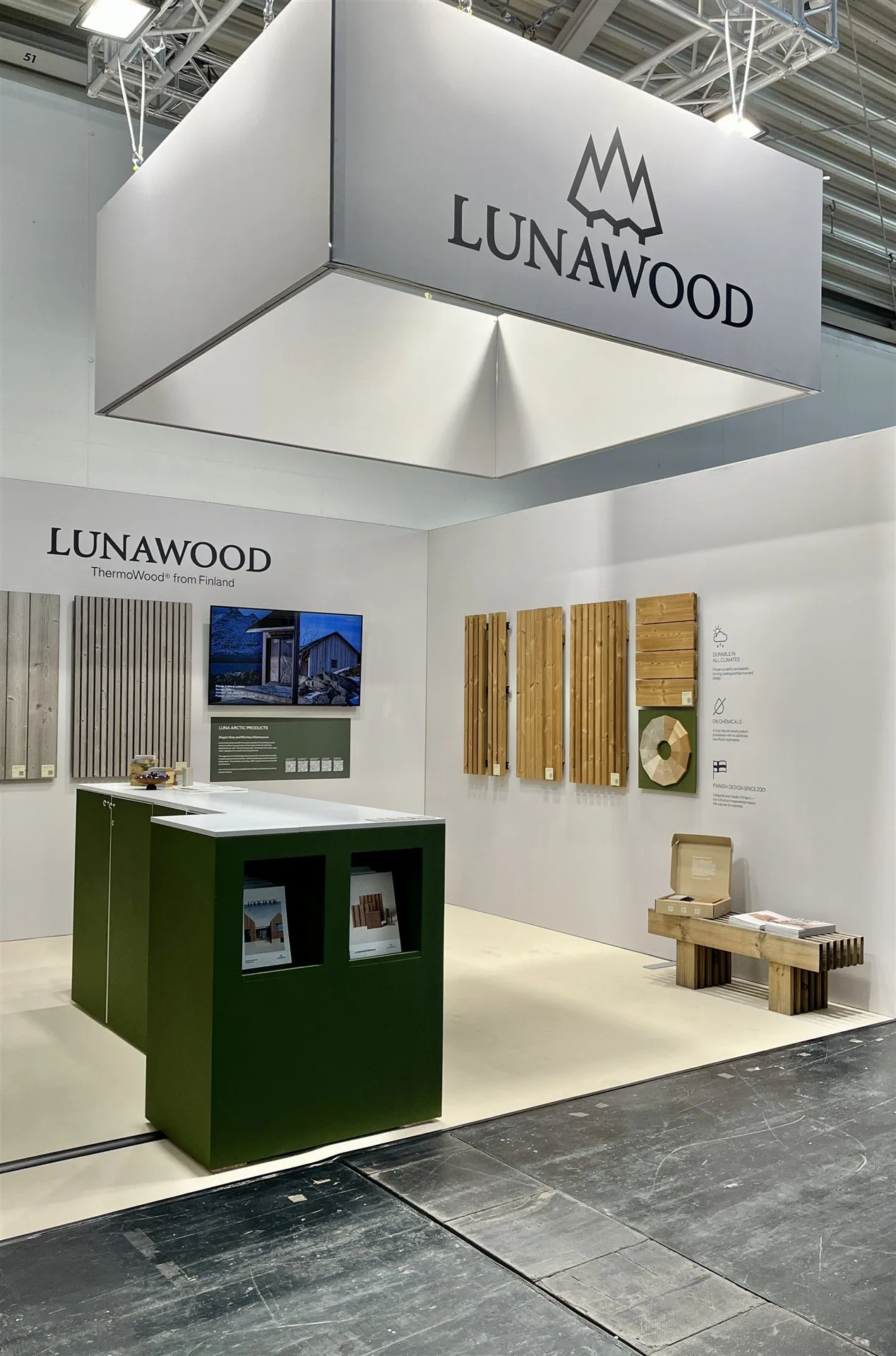
CRUISE SHIP INTERIORS FIELD NOTES
CSI Americas and the co-located Hotel & Resort Design South take place June 23–24, 2027 at the Miami Beach Convention Center. This creates an opportunity to present a shared design language to buyers working across ships, hotels and resorts. Organize the display so visitors can quickly identify the applications relevant to them, rather than assuming that one product specification answers every project type.
Prepare separate supporting information where requirements differ. Product certifications, maintenance information, installation details and lead-time statements should come from the supplier’s approved documentation. A booth is a place to make those conversations easier, not to imply qualifications a product has not established. Pair the material experience with a comfortable meeting position and a clear method for collecting sample requests, so an inspiring first visit can lead to a well-defined project discussion after Miami.
Mockup construction, specialist finishes, sample quantity, lighting and heavy product handling can drive the scope. Decide which installed details deserve full scale and which can be explained with a carefully made sample or drawing.
LET THE EXPERIENCE CHOOSE THE FOOTPRINT
Illustrative layout directions, subject to your assigned space and the current show requirements.
MAKE THE FIRST MEETING USEFUL
Capture the decisions that your product, design and on-site teams need to resolve together.
VERIFIED EVENT DETAILS
Checked September 15, 2026. The full program and exhibit-hall dates are listed separately to help plan staff attendance and visitor appointments.
June 23–24, 2027
Organizer information ↗June 23–24, 2027
Organizer information ↗Miami Beach Convention Center · Miami Beach, Florida
Organizer information ↗CSI is for the marine interiors community, including designers, architects, outfitters, shipyards and suppliers.
Official source ↗Cruise Ship Interiors Design Expo Americas runs June 23–24, 2027 at Miami Beach Convention Center. Hotel & Resort Design South is co-located on the same dates, bringing a related hospitality design audience into the setting. Coordinate your presentation with the particular space and audience in your agreement.
Organizer information ↗HRDS is co-located June 23–24, 2027 and targets hotel, resort and private-island design in the Southern States, Caribbean and Latin America.
Official source ↗CRUISE SHIP INTERIORS · EXHIBITOR QUESTIONS
Cruise Ship Interiors Design Expo Americas takes place June 23–24, 2027 at the Miami Beach Convention Center. Hotel & Resort Design South is co-located on the same dates. Both organizers confirm the venue and date range. Treat them as one coordinated exhibit-planning opportunity while following the contract and exhibitor instructions for your particular space.
Choose products and material samples that help a designer understand an application, such as a guest cabin, lounge or public area. A focused vignette can communicate design intent, while an organized sample library supports comparison. Plan for close inspection, conversation and sample retrieval. Product-specific documentation should be available for the questions that go beyond the first visual impression.
Yes, the co-location makes that a useful topic for the brief. Identify the applications your products actually support and organize the display or literature accordingly. Do not assume marine and land-based projects have identical requirements. Let approved supplier documentation guide statements about suitability, certifications and installation, and provide a clear route to the appropriate product specialist.
Bring exact dimensions, weights, mounting methods and handling information into the design discussion. Review how a visitor will approach, touch or use each piece and how staff will maintain the display. A full-size element may benefit from a quieter background and fewer competing samples. The final solution must also suit the assigned space and current venue instructions.
That depends on the buyer decision you want to support. A room vignette shows how products work together, while a sample library makes ranges and finishes easier to compare. Many briefs benefit from a combination: one composed environment with a concise collection of supporting samples nearby. Keep space for a conversation and avoid displaying more options than staff can explain clearly.
Bring current product identifiers, technical sheets, dimensions and the application information your team is authorized to provide. If a visitor needs marine or hospitality performance documentation, make the relevant evidence available for the specific product. Keep those records connected to the displayed sample; a portfolio image or attractive vignette cannot establish a material’s suitability for a project.
FURTHER PLANNING
JUST SHOW UP.
Share the finishes, products and interior applications you want to present. Purple can create an exhibit that brings the sensory and technical story together.