Emerging biotechnology
Translate the platform into an understandable proposition, with supporting material ready for the scientific discussion.

Biotechnology & partnering
Purple Exhibits designs custom and rental exhibits for BIO International Convention 2027 in Philadelphia. Build your space around the conversations your science needs: licensing, platform evaluation or manufacturing partnerships. Combine a clear public story with useful meeting space, readable process graphics and a welcoming place for technical experts and business development teams to connect.
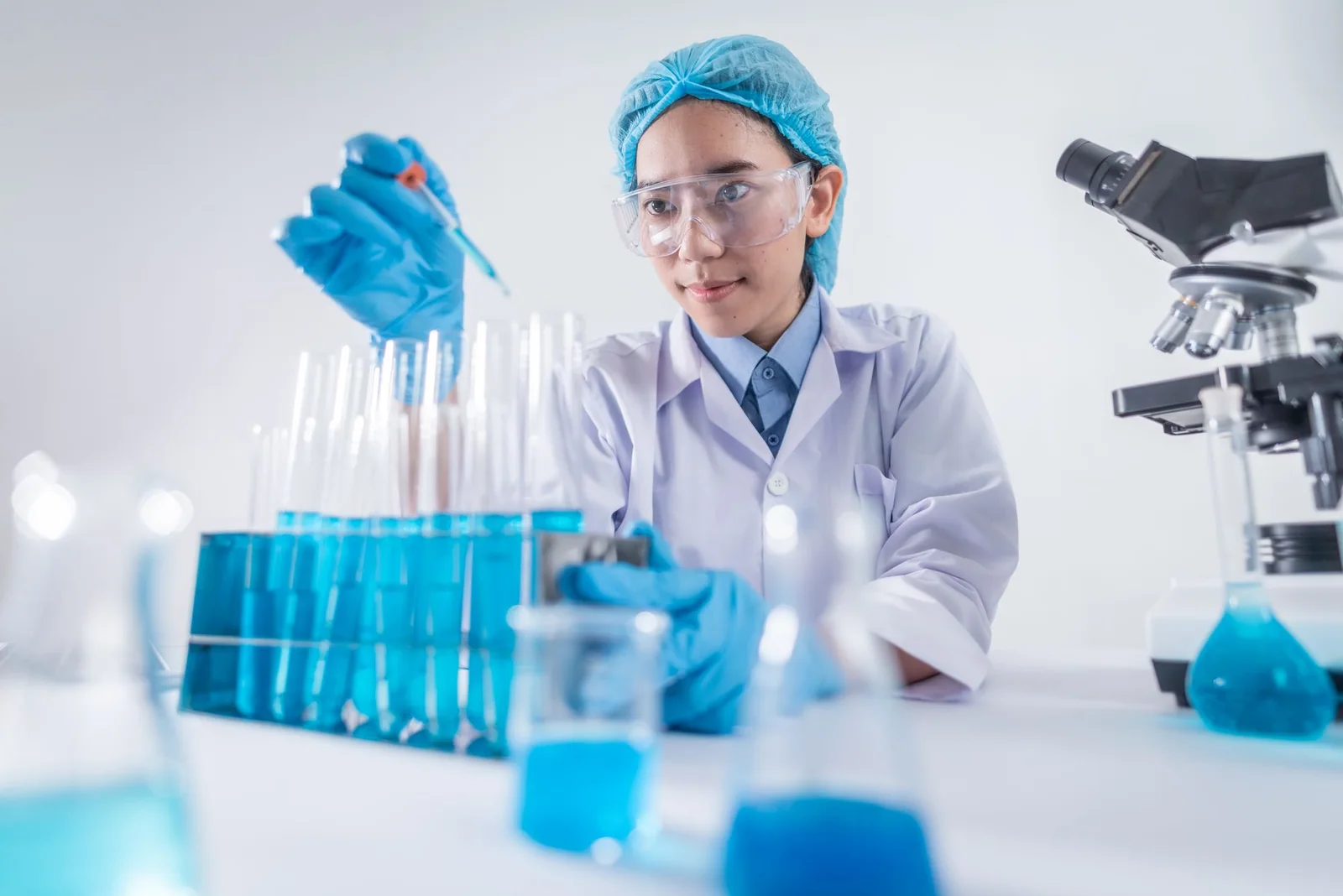
BIO International · THE EXHIBITOR’S VIEW
A BIO visitor may be considering a scientific platform, a manufacturing partner or a regional life-science ecosystem. Those are different conversations. Make the offer clear from the aisle, then give each meeting enough space and context to move beyond the introduction.
Purple can develop reception, presentation surfaces, meeting furniture and branded architecture as one coordinated environment. Share the expected appointment pattern and the number of simultaneous conversations before choosing enclosed rooms or a pavilion layout.
Our design and delivery approach ↗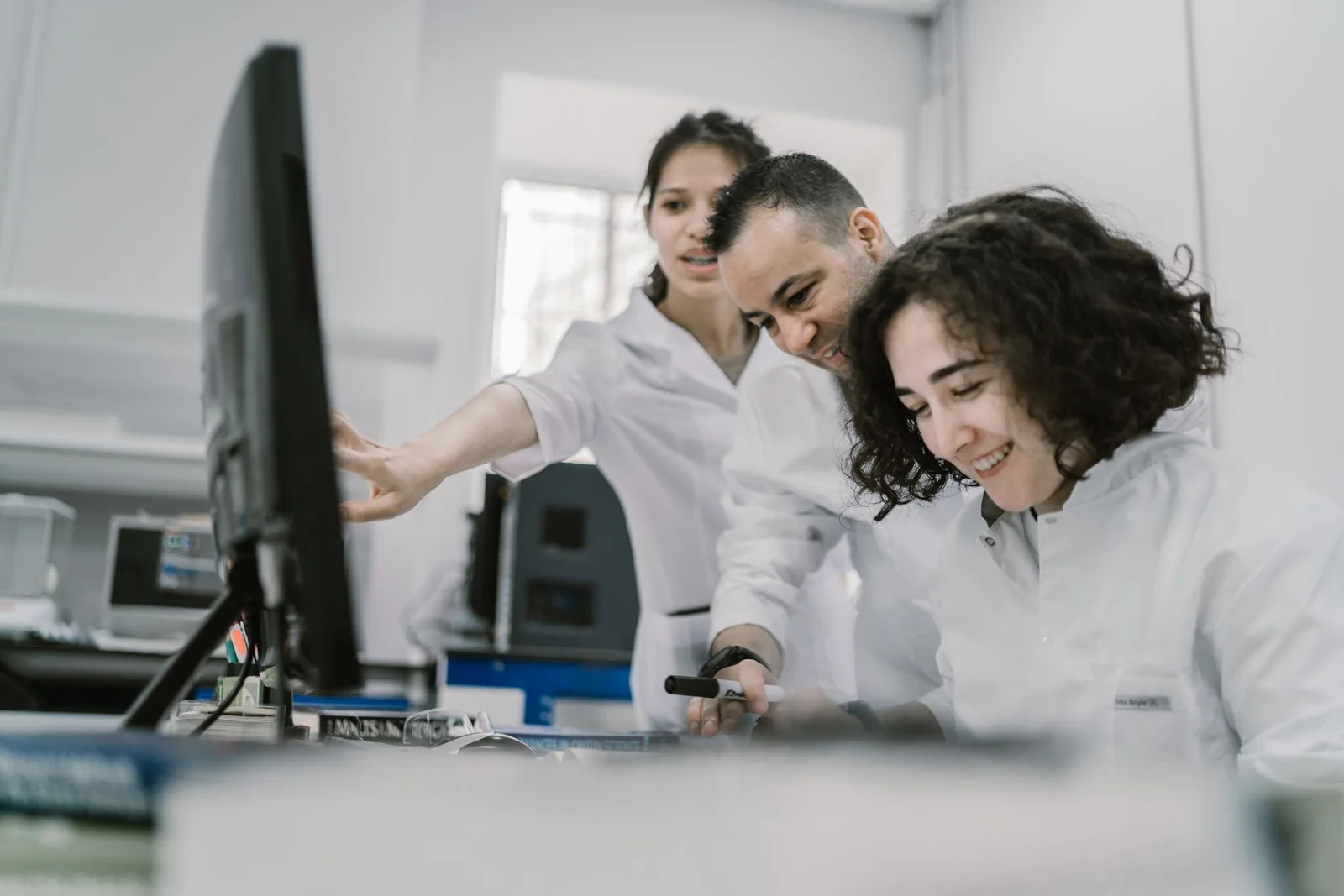
Biotechnology & partnering · THE HUMAN DETAIL
At BIO, the meeting can be the product experience. Think about arrival, introductions, shared content and the handoff to the next appointment. Reception should stay approachable while seated conversations feel deliberate. Record which discussions belong in the exhibit and which need a separately arranged private setting.
Explore the product experience ↓PRODUCT PRESENTATION
Translate the platform into an understandable proposition, with supporting material ready for the scientific discussion.
Show the capability chain and how a prospect enters it. A project conversation needs a work surface as much as a brand wall.
Give participating organizations individual visibility within a coherent shared identity. Plan reception, meeting allocation and wayfinding before dividing the floor space.
BIO INTERNATIONAL FIELD NOTES
BIO brings companies together around research, development, manufacturing and investment. A useful exhibit gives each audience a clear reason to stop without trying to explain an entire pipeline from the aisle. Start with the one relationship your team wants to create: a development partner, a manufacturing customer, an investor introduction or a platform evaluation. Give that story an unmistakable headline, then let a host direct visitors toward the right person and level of detail.
The floor plan should support both scheduled meetings and useful interruptions. A welcoming edge, visible meeting-point signage and a small waiting space help a busy team stay organized. Put deeper conversations farther inside the booth and keep screens positioned so that sensitive material is not casually visible from the aisle. These are planning choices to review with your team, not a promise that an open exhibit can provide confidentiality.
The organizer confirms Philadelphia and June 7–10. The 2027 venue was not confirmed in the official pages reviewed, so venue-specific shipping, service and installation details remain open until the assignment is issued.
AN EXHIBIT DIRECTION FOR BIO INTERNATIONAL
Balance discovery with scheduled discussions. Visitors should be able to identify the business, find the right person and understand where an appointment belongs.
Lead with the platform, development capability or partner opportunity. Put the detail behind an invitation to speak.
Create a check-in point that helps a host locate the right colleague without exposing the day’s private schedule.
Use a concise pipeline, process or facility story for visitors who need a technical introduction before a meeting.
Provide seating and screen orientation appropriate to the intended level of privacy. An open booth should not be described as a confidential room.
BUILT BY PURPLE
This Purple project illustrates how a defined brand environment can bring people, presentation and meeting space together. Its relevance to BIO is the way the physical space supports an introduction and a more detailed discussion.
Explore Collective Minds ↗More from Purple’s portfolio ↗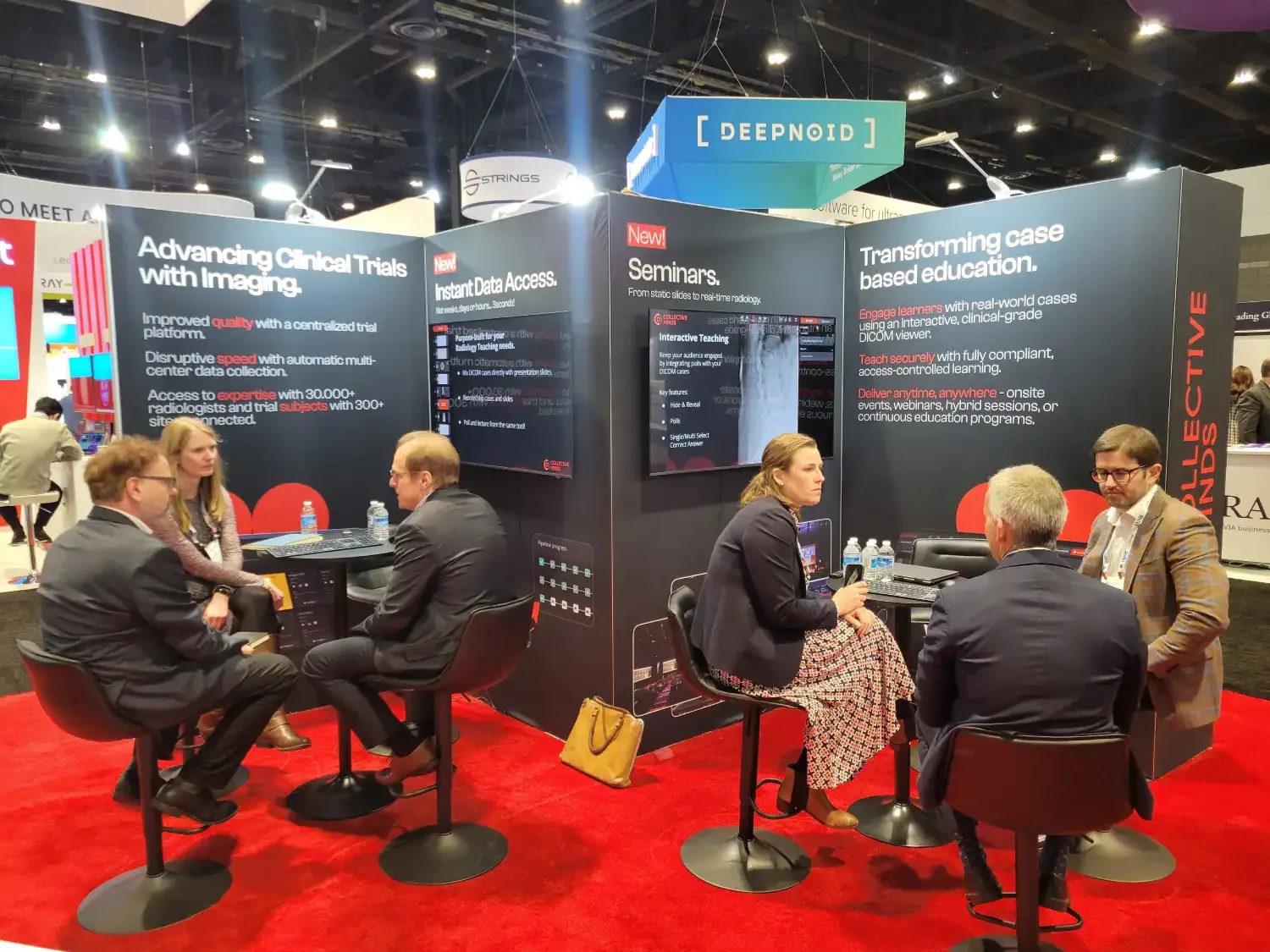
BIO INTERNATIONAL · THE PRODUCT UP CLOSE
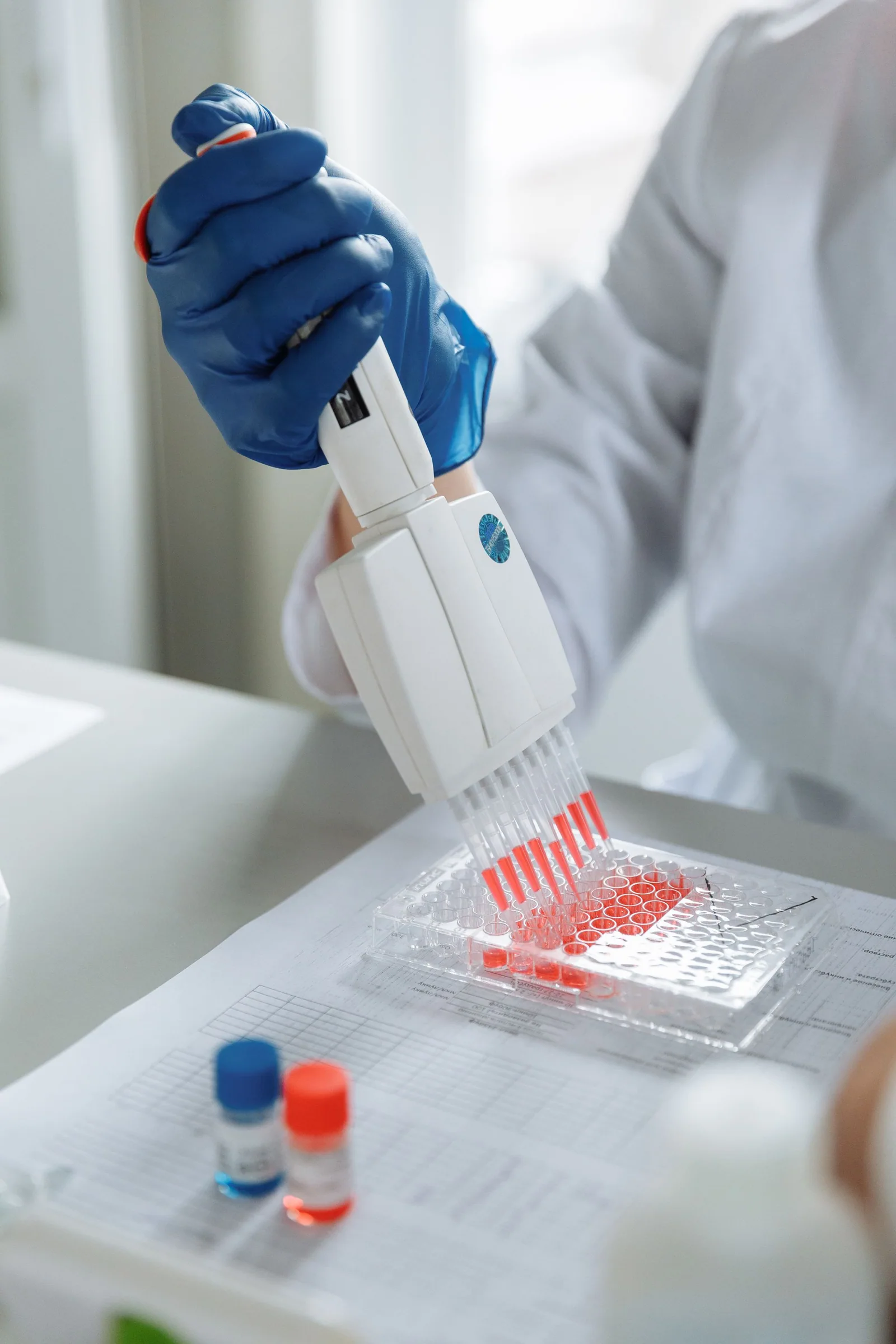
A small laboratory process can be difficult to follow across a busy exhibit. Give the key action a defined presentation area, with a close-up camera or short screen sequence where needed. Use simple labels to connect sample preparation, handling and analysis. Plan the operator position, demonstration supplies and reset space together, so a detailed technical conversation can begin without interrupting the next visitor’s introduction.
Make this part of your brief ↗Industry photography illustrates the products and experiences behind the design. Purple’s actual exhibit project is featured separately on this page.
BIO INTERNATIONAL FIELD NOTES
A biotech exhibit works best when its visual hierarchy matches the conversation. A platform company may need a mechanism graphic and a short animation; a CDMO may need a process overview, capacity story and separate consultation table. Agree which messages are approved for public display before final artwork begins. Build a clear path from the headline to supporting evidence, then to a specific next step such as a technical meeting or follow-up discussion.
Ask each exhibitor stakeholder to name the equipment, literature and meeting tools that will actually be used. Screen sizes, power, connectivity, accessible circulation and lockable storage should follow that list. A reusable structure can support later scientific meetings if graphic panels, counters and meeting furniture are planned as a system. Confirm the allocated space and current exhibitor manual before committing to fabrication.
Meeting-room construction, acoustic treatment, furniture, screens and multi-company graphics can drive the BIO budget. Compare the value of a dedicated room with the number and type of meetings it can actually serve.
LET THE EXPERIENCE CHOOSE THE FOOTPRINT
Illustrative layout directions, subject to your assigned space and the current show requirements.
VERIFIED EVENT DETAILS
Checked September 15, 2026. The full program and exhibit-hall dates are listed separately to help plan staff attendance and visitor appointments.
June 7–10, 2027
Organizer information ↗A separate 2027 exhibit-hall schedule was not confirmed in the official sources reviewed.
Organizer information ↗Philadelphia — venue to be confirmed · Philadelphia, Pennsylvania
Organizer information ↗The BIO exhibitor-information page has a 2027 save-the-date header, while the exhibitor resource instructions still address BIO 2026 exhibitors.
Official source ↗BIO confirms June 7–10, 2027 in Philadelphia. The specific venue and separate exhibit-hall schedule remain unconfirmed in the organizer information available for this guide. Use BIO’s current event information before arranging venue-specific services.
Organizer information ↗BIO describes its audience across research, clinical trials, manufacturing and business development; the current sponsorship detail still refers to 2026.
Official source ↗MAKE THE FIRST MEETING USEFUL
Capture the decisions that your product, design and on-site teams need to resolve together.
BIO INTERNATIONAL · EXHIBITOR QUESTIONS
BIO confirms June 7–10, 2027 in Philadelphia, Pennsylvania. The specific 2027 venue and separate exhibit-hall schedule are not yet confirmed in the organizer information used for this guide. Confirm both with BIO before committing to venue-specific services, freight or installation arrangements.
Start with the conversations your team has scheduled and the kinds of new partners it wants to meet. A partnering-led exhibit can devote more space to seating and host coordination; a platform launch may need a prominent screen and a short demonstration. The final balance depends on your booked footprint, expected staffing and public presentation material.
Yes. A useful brief can distinguish business development, technical assessment and general company introductions. Separate graphics or small consultation settings can help visitors identify the right conversation. Keep the number of zones realistic for the floor space, and review circulation with the proposed furniture in place so the exhibit remains easy to enter and navigate.
Decide which conversations can happen on an open show floor and which need another meeting setting. Orient screens away from casual viewing, provide a check-in process and plan a quieter area where appropriate. An exhibit wall or meeting table alone does not establish privacy; the information owner should decide what can be shown and discussed.
Send the allocated floor plan, booth dimensions, open sides, audience priorities and expected simultaneous meetings. Include your approved company story, screen content, storage needs, furniture preferences and any assets available for reuse. Identify the person who approves scientific language and the person who approves design so revisions can be scheduled together.
Meeting capacity is a major decision: open tables, partially separated settings and enclosed rooms require different construction and furnishings. Pavilion graphics and shared reception can add coordination work. Define the expected number of simultaneous discussions and which materials will be reused before comparing proposals; venue-specific services follow the confirmed assignment.
JUST SHOW UP.
Tell us what you offer, who you want to meet and how many discussions you need to host. Purple can turn that appointment plan into an exhibit direction.