Purple Exhibits
Trade shows/July 2027/The Clean Show

The textile-care floorLas Vegas / 2027

The Clean Show 2027 · Custom exhibit design & build Show the process. Start the conversation.

At The Clean Show, a strong exhibit makes equipment, textiles and operating ideas easy to understand together. Purple can help plan a branded environment for product demonstrations, distributor meetings and detailed conversations about a visitor’s business.

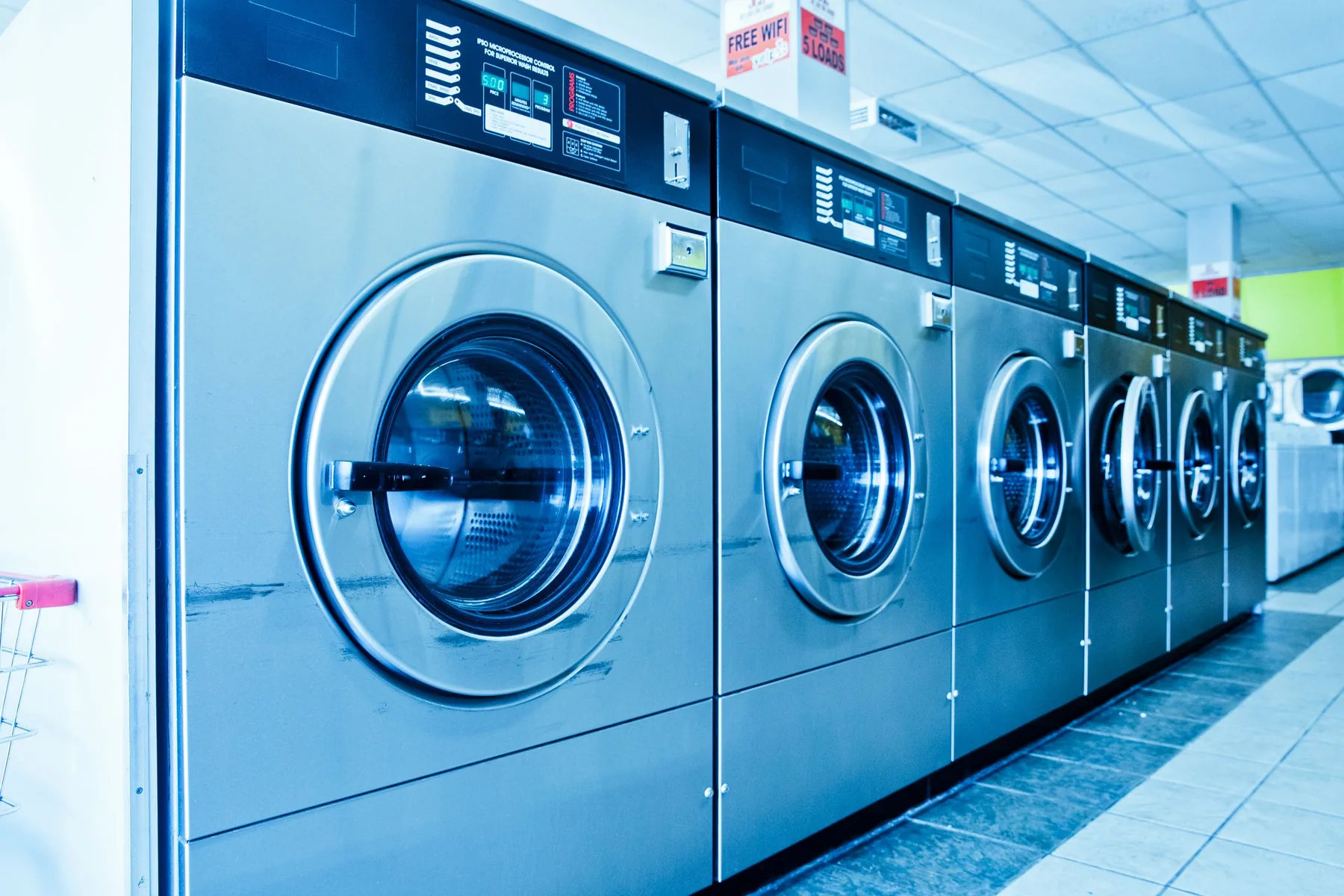
A row of stainless-steel washing machines inside a laundromat.
Commercial laundry equipment · industry reference photograph Photo: Ekaterina Belinskaya · Pexels License
Exhibit focusEquipment workflowTextile presentationDistributor meetings
Full eventJuly 15–18, 2027
Exhibit hallJuly 15–18, 2027; confirm detailed hall access with the organizer
Las VegasLas Vegas Convention Center
Official show ↗

A show-specific perspective

Give the textile-care workflow a visible order

A row of impressive machines still needs an explanation. We recommend organizing the exhibit around the customer’s process: the item arriving, the relevant equipment or service, and the finished result. That sequence gives laundry operators and distributors a useful way into the conversation. It also helps suppliers of software, consumables and supporting services explain where they fit without borrowing the visual language of a domestic laundry room.

Find your product story

A connected process gallery

Build a textile-care process gallery

A process gallery connects real products to recognizable operating questions. The goal is an understandable commercial presentation with room for specialists to explain the details. Develop any proposed working demonstration with your product owners and the organizer’s current requirements.

  1. Name the application

    Help visitors identify whether a station relates to commercial laundry, dry cleaning, textile handling or another approved application. A concise heading and representative textile can establish the context. Keep product claims specific to the equipment and evidence the exhibitor has approved.

  2. Show one useful sequence

    Choose a demonstration that the audience can follow from a defined viewing position. Explain the input, the stage being shown and the output. If the product is static, use a short video and labeled samples to preserve the sequence without implying live operation.

  3. Connect the supporting services

    Place relevant software, controls, consumables or service information beside the part of the process they support. A specialist should be able to move between the physical product and its explanation. Avoid forcing visitors to cross the booth repeatedly to assemble one story.

  4. Turn interest into a project brief

    Provide a separate place to discuss a customer’s facility and priorities. A clear tabletop, an approved questionnaire and suitable reference materials help the team collect useful context. Keep the meeting position visually connected to the exhibit so visitors can still reference the products.

An illustrative exhibit sequence, developed around the products you bring.

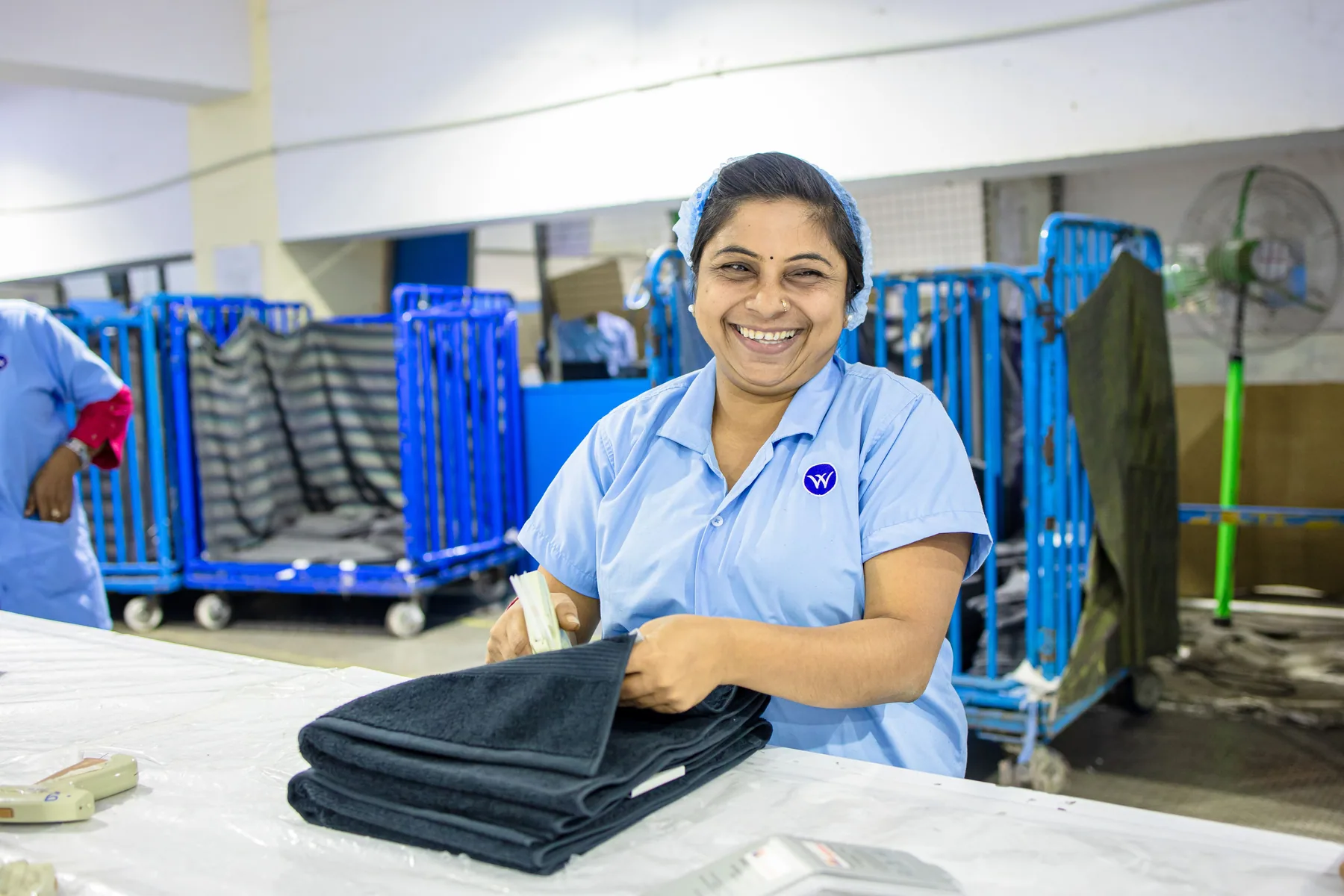
A textile worker folds garments in a factory.
Textile handling at work · industry reference photographPhoto: EqualStock IN · Pexels License

The human connection

A prepared team keeps the process clear

Assign clear roles for greeting, product explanation, demonstrations and scheduled meetings. Visitors should know whether they are waiting for a presentation or can begin a conversation immediately. We recommend a short staff rehearsal using the actual product sequence and display labels. Include a plan for replenishing textiles and resetting presentation materials, with those activities handled by the appropriate trained team.

Shape the visitor experience

DESIGN NOTES / 01

Plan the machine and the audience together

Machinery dimensions are only the beginning of an exhibit plan. A working presentation also has a presenter, a viewing group, a conversation that continues afterwards and supplies that need to be replenished. Map those uses around the equipment before adding architectural features. The visitor should be able to understand what is on display without standing in a position that the product owner needs for operation or service.

Create a shared responsibility list for exhibit construction, equipment preparation, venue services and specialist installation. The appropriate providers should confirm their own requirements and deliverables. Purple’s exhibit planning can bring that information into a coordinated layout and visual presentation. It should not replace the manufacturer’s operating guidance or the organizer’s service process. Early coordination also makes late changes easier to identify and price accurately.

Built around what you bring

A setting for each part of textile care

01

Laundry and finishing equipment

Give machinery the visual space it needs and reserve an intentional position for the presenter. Surrounding graphics should explain the application, not compete with the equipment. Gather dimensions and service information before the project team proposes fixed walls, raised features or meeting rooms.

02

Textile handling and storage

Use a simple staged sequence to show how a product supports handling, sorting or presentation. Select representative items that read clearly from the aisle. Keep backup textiles and demonstration supplies in dedicated storage so the display stays deliberate throughout the day.

03

Software and operating services

Present software through a short, recognizable workflow approved by the product team. Use demonstration information instead of customer records. A dedicated screen and comfortable conversation position let a visitor ask detailed questions without interrupting nearby equipment presentations or blocking the entrance.

04

Supplies and specialist products

Create a disciplined product library with clear category labels and controlled sample access. Let the exhibitor approve every claim, package and demonstration. For products requiring particular handling or display arrangements, obtain the relevant requirements before including them in a booth concept.

A closer look

Give distributors a place to talk business

The Clean Show’s organizer describes a gathering spanning textile-care equipment, services and supplies, with live demonstrations central to the experience. A distributor conversation may therefore involve several parts of an exhibitor’s range. Plan a meeting area where the team can compare models, discuss applications and review supporting material together. Store the right documents and samples nearby so a meeting does not become a search around the booth.

Keep hospitality proportionate to the work the exhibit must do. A comfortable conversation space can be compact when its seating, tabletop and presentation tools are chosen intentionally. Consider acoustic conditions, sightlines and access during the layout review. Give staff a method for recording which product and next action were discussed. These practical details make the space useful long after its first visual impression.

Build your planning checklist
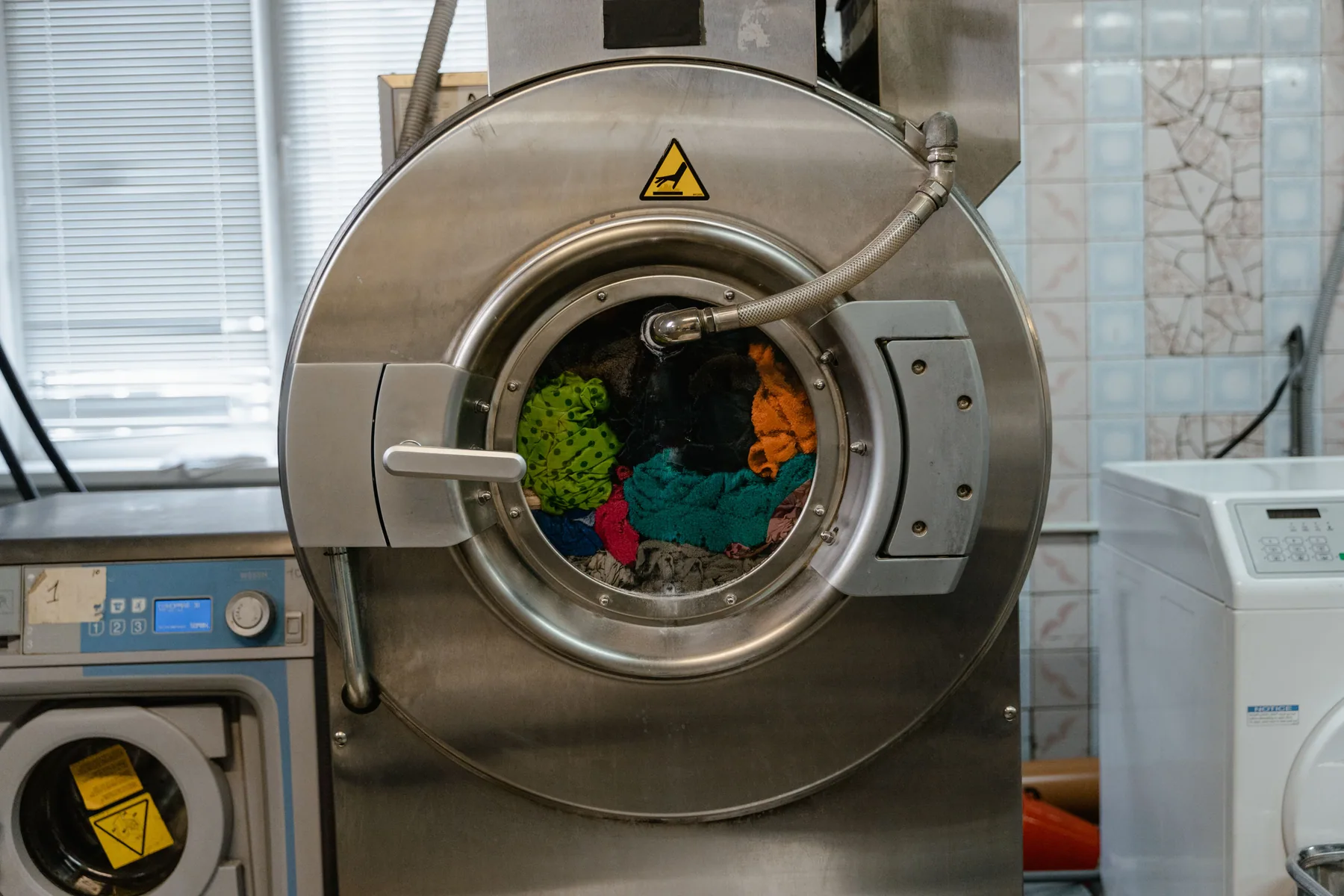
Close view of an industrial washing machine with textiles inside.
Textile-care equipment detail · industry reference photographPhoto: Tima Miroshnichenko · Pexels License

Choose the working space

A footprint with a purpose.

Layout direction 1

Focused supply showcase

A smaller exhibit can use a carefully labeled product wall, one comparison counter and a software or service presentation. Keep the main message visible when staff are talking. Organized concealed storage prevents spare packaging and textiles from taking over the visitor-facing surfaces.

Explore this approach
Layout direction 2

Equipment presentation space

For a selected machine lineup, place the product owner’s approved demonstration area first. Add a visible process explanation and a distinct place for follow-up conversations. The booth should work during both active presentations and quieter periods between demonstrations.

Explore this approach
Layout direction 3

Complete process environment

A larger footprint can connect several stages of textile care through a consistent visual sequence. Give each station its own application and specialist position. Use shared meeting and storage areas to support the whole exhibit rather than duplicating furniture at every product.

Explore this approach

Conceptual layouts, adapted to your confirmed footprint, open sides, equipment and current show requirements.

Scope the services as carefully as the structure

Equipment handling, utilities, specialist coordination, transport and installation can materially affect the overall investment. Fabrication, graphics, presentation technology, sample storage and meeting areas add separate choices. Start with the actual machinery and proposed demonstrations, then compare a focused product presentation with a broader process exhibit. A useful estimate states what is included, which service assumptions remain open and who owns each external cost.

Useful answers

The Clean Show exhibit questions.

Talk through your brief
When is The Clean Show 2027?

The organizer’s published dates are July 15–18, 2027. Its travel information includes distributor access on July 15 but does not supply a complete regular-attendee schedule for that day. Confirm daily access directly before setting customer appointments, public demonstrations or staffing shifts.

Where is the 2027 event?

The Clean Show returns to the Las Vegas Convention Center in Las Vegas, Nevada. Use the organizer’s current exhibitor materials to confirm your assigned space, freight instructions and service arrangements. Those details should be included in the design brief once your allocation is known.

How can a booth explain several machines?

Choose an application-led sequence and give each station a specific role. A shared process diagram can connect the equipment while individual labels explain the relevant model. Leave a separate location for detailed discussions so one interested group does not obscure the rest of the presentation.

Do we need every machine to run live?

That is a product and event-planning decision. A combination of approved working demonstrations, static equipment, textile samples and recorded content may explain the range effectively. Clearly identify what visitors are seeing and have the relevant teams confirm any operational requirements before finalizing the concept.

Can we include software alongside equipment?

Yes. Place the software explanation where it supports the physical process and use a prepared demonstration workflow. Give the screen a dedicated viewing position and provide a quieter setting for deeper discussions. Product owners should approve the content and any data shown to visitors.

What space should we reserve for distributors?

Base the meeting provision on your appointment plan, typical group size and the materials needed for a useful conversation. One well-equipped table may be more helpful than several casual seats. Keep relevant model information close and confirm any distributor-specific access arrangements with the organizer.

What has the biggest effect on cost?

The equipment lineup and its handling, services and installation needs can strongly influence the project. Custom construction, audiovisual content and hospitality create further choices. Ask for a scope based on the real machine inventory, with venue and specialist service assumptions clearly identified.

How do we begin with Purple?

Send the booth dimensions, product list, intended demonstrations and main audience groups. Include existing exhibit assets, known service requirements and any appointment goals. Purple can use those inputs to explore a practical concept and identify the information needed for a more detailed proposal.

The practical details

The Clean Show 2027 planning facts

Organizer information checked September 16, 2026. Event dates and exhibit-hall dates are labeled separately.

Plan from the current editionMesse Frankfurt lists July 15–18, 2027 in Las Vegas and identifies the Las Vegas Convention Center as the venue. Confirm detailed exhibit-hall access and demonstration appointments through the organizer. The concepts on this page are independent exhibit recommendations, not organizer operating rules or evidence of a Purple project at this event.

Your working checklist

Prepare the textile-care exhibit brief

0 of 12 items confirmed

Confirm the brief
Design the experience
Prepare the delivery

JUST SHOW UP.

Put your textile-care story in order

Share the equipment, services and customer conversations your Clean Show exhibit must support. Purple can help develop a booth concept with a clear process and a practical plan for the people around it.

(800) 994-8030info@purpleexhibits.comExhibit design · custom builds · rentals · show coordination

Request a proposal

Tell us what you are bringing to The Clean Show and what your exhibit needs to accomplish.

Add booth details (optional)

Your request goes to Purple’s exhibit team.

Plan my The Clean Show exhibitCall Purple