Purple Exhibits

The working exhibitLas Vegas / 2027

AWFS Fair 2027 · Custom exhibit design & build Let the machine make its case.

Build an AWFS Fair exhibit that gives buyers room to inspect the work, understand the process and talk about their own production needs. Purple can help turn a machinery footprint into a clear, welcoming brand experience.

DESIGN FROM THE MACHINE OUTAWFS / 27
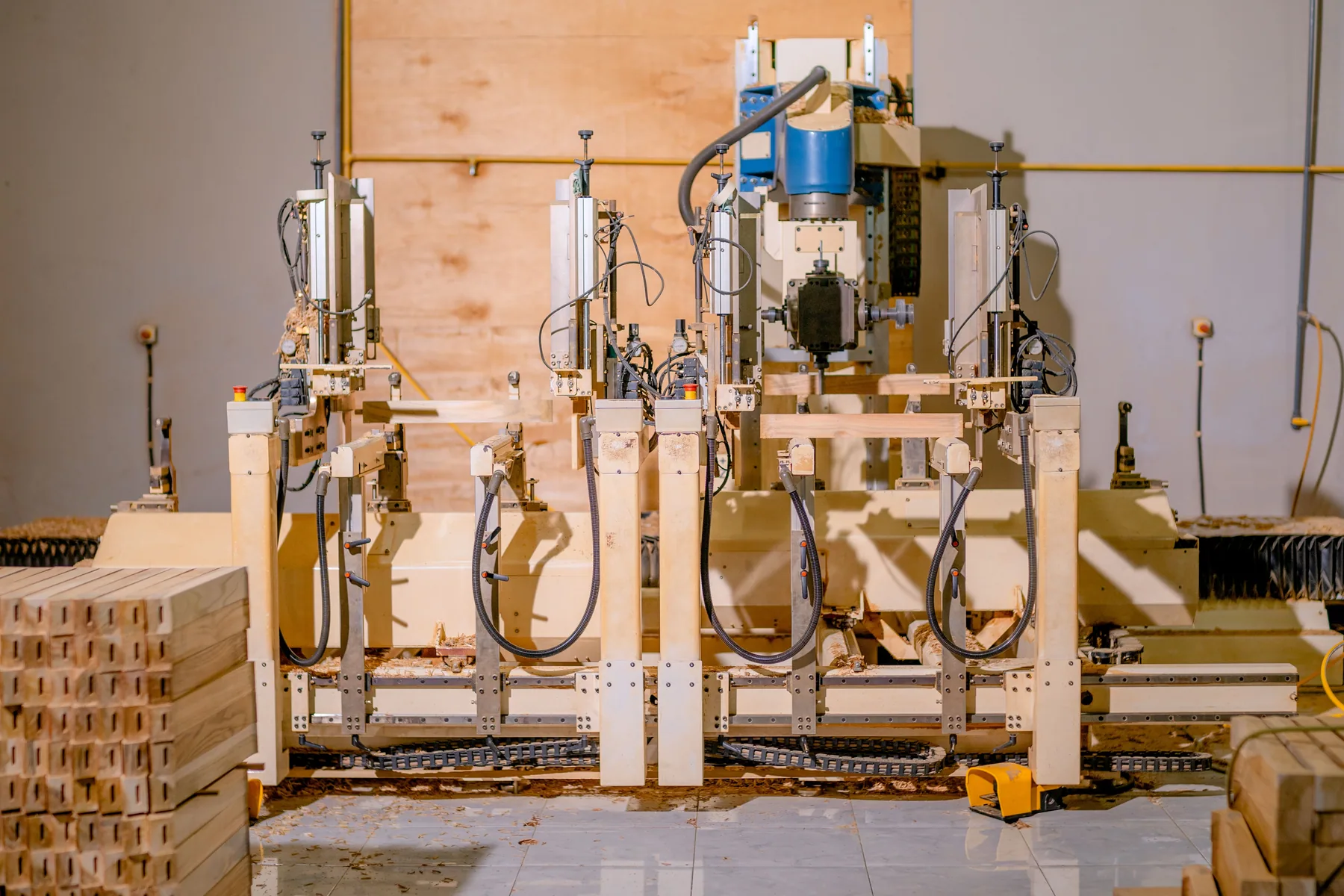
Woodworking machinery positioned over timber in a factory.
Woodworking machinery · industry reference photograph Photo: Mandiri Abadi · Pexels License
THE EQUIPMENTTHE OPERATORTHE RESULT
Exhibit focusMachine demonstrationsMaterial inspectionProduction conversations
Full eventJuly 13–15, 2027
Exhibit hallJuly 13–15, 2027; July 12 is distributor-only access
Las VegasLas Vegas Convention Center, West Hall
Official show ↗

A show-specific perspective

A woodworking exhibit starts with the workpiece

A finished cabinet component can explain a machine more quickly than a wall of specifications. Start with the outcome your customer cares about, then connect it to the equipment, tooling or material that produces it. Our design recommendation is a visible sequence: finished result, relevant demonstration, useful sample and informed conversation. Each part should remain understandable when the machine is idle.

Find your product story

The exhibit workshop

From rough stock to a buyer conversation

Organize the booth around one understandable production story. The demonstration, material library and sales conversation should reinforce each other without competing for the same floor space. These are design concepts to develop against your actual equipment and the current exhibitor requirements.

Concept studyAWFS Fair
A spatial sketch of the exhibit story. Illustrative only.
  1. Show the result first

    Put a representative finished panel, joint or surface where approaching visitors can see it. Pair it with a short explanation of the application. A tangible result invites a relevant question before a buyer has to interpret machine geometry or dense technical copy.

  2. Frame the demonstration

    Give the demonstration a clear viewing position and a readable explanation of what is happening. Locate screens where visitors can follow the important detail. Your equipment owner should define the operating envelope and approve every relationship between the demonstration and the exhibit structure.

  3. Make samples comparable

    Arrange species, finishes, hardware or tooling outcomes in a consistent sequence. Removable trays help a specialist bring the right example into a conversation. Label the application and finish accurately, with supporting product information available for visitors who want greater detail.

  4. Create a quieter next step

    Place the project discussion beyond the immediate demonstration audience. A compact plan table can hold drawings, material samples and notes together. Give staff a simple way to capture the visitor’s process, timing and follow-up request while the context is still fresh.

DESIGN NOTES / 01

The equipment plan should lead the architecture

Before choosing a dramatic overhead feature, assemble a scaled inventory of machinery, ancillary units, samples and staff positions. Identify which faces visitors need to see and which areas belong to the equipment team. The layout should account for how the demonstration changes over time: a presenter explains, a group gathers, people examine the output and another conversation begins. Designing those moments together makes the booth easier to operate.

Ask the manufacturer to provide the product and operational information needed by the project team. Electrical, service, handling and installation decisions must be coordinated with the appropriate providers and current show documentation. Purple can translate those inputs into exhibit planning, graphics and visitor flow. A decorative wall should not be designed before the team knows what must remain accessible behind it.

Built around what you bring

Give each product category the right setting

01

Machinery and automation

Plan from equipment dimensions, visitor viewpoints and approved service requirements. Use exhibit architecture to identify the process and brand without hiding the working area. Maintain a useful presentation for scheduled pauses, when a finished sample and explanatory screen carry the story.

02

Hardware and components

Build accessible demonstration drawers, doors or assemblies that let an approved representative explain the difference. A focused set of mechanisms is easier to compare than a crowded wall. Allow storage for replacement samples and protect the visible display from becoming a supply shelf.

03

Materials and finishes

Use controlled, consistent presentation surfaces to compare texture, color and edge details. Bring the display palette back to the product so decorative booth finishes do not distort the story. Confirm lighting choices with the product team using real samples before fabrication.

04

Software and production services

Connect the screen to a recognizable shop task, such as planning a project or reviewing a workflow. Provide room for two people to see the interface comfortably. Keep a short guided demonstration available alongside deeper conversations with implementation or service specialists.

A closer look

A sample library can become a sales tool

Treat samples as a curated set of evidence. For each example, identify the product it represents, the application it illustrates and the conversation it should start. A visitor comparing cabinet construction may need a different collection from someone evaluating production throughput. Grouping samples by customer application gives the team a useful entry point and prevents an otherwise attractive display from becoming a catalogue without a clear order.

Plan the sample’s full journey through the day. Decide what remains on display, what staff may handle and what can leave with a qualified visitor. Include a discreet replenishment location and a simple reference code that connects the physical piece to digital information. The exhibit can then support both immediate inspection and accurate follow-up without relying on a salesperson to remember which variation the buyer selected.

Build your planning checklist
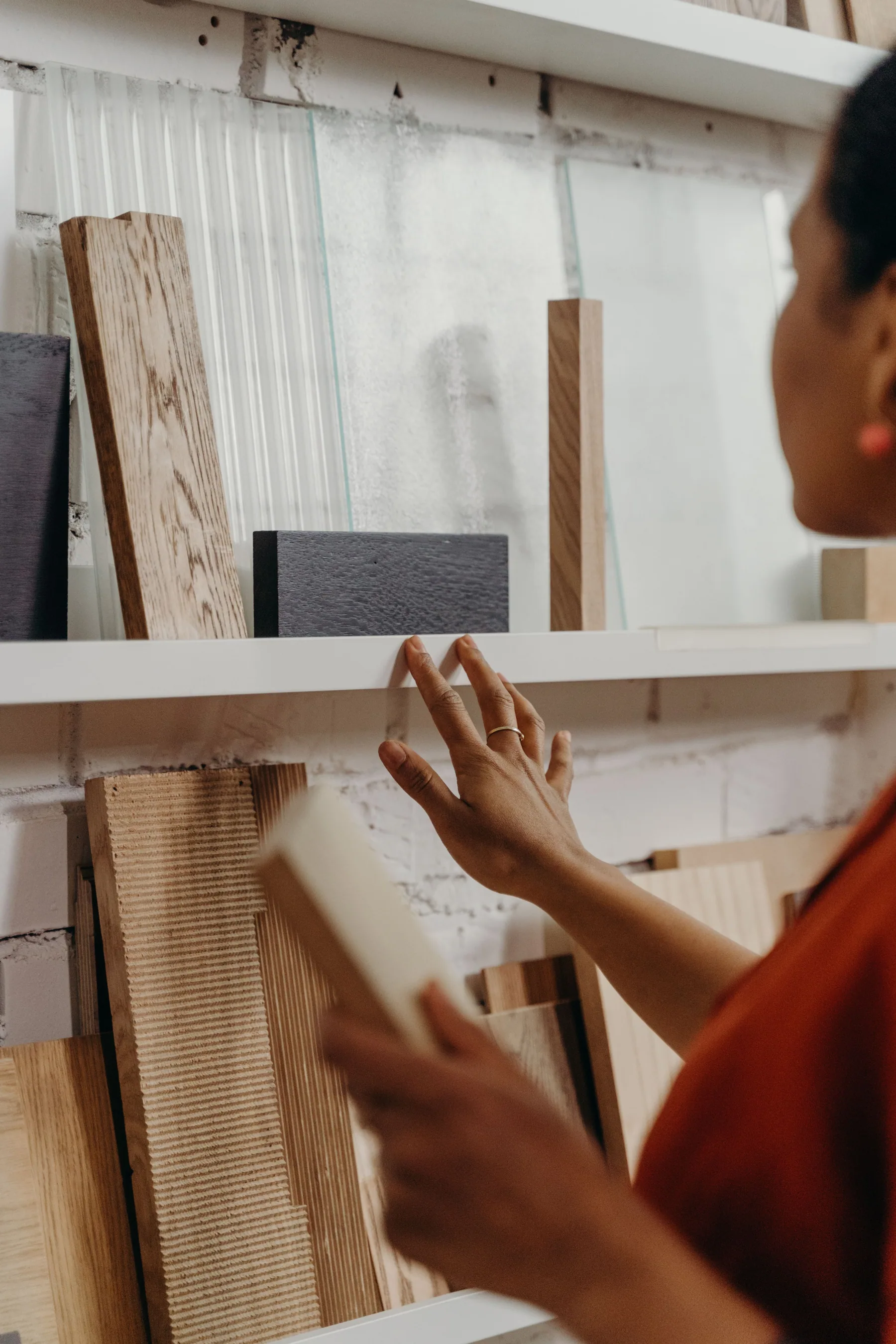
A woman examines a selection of wood samples.
Material selection · industry reference photographPhoto: cottonbro studio · Pexels License
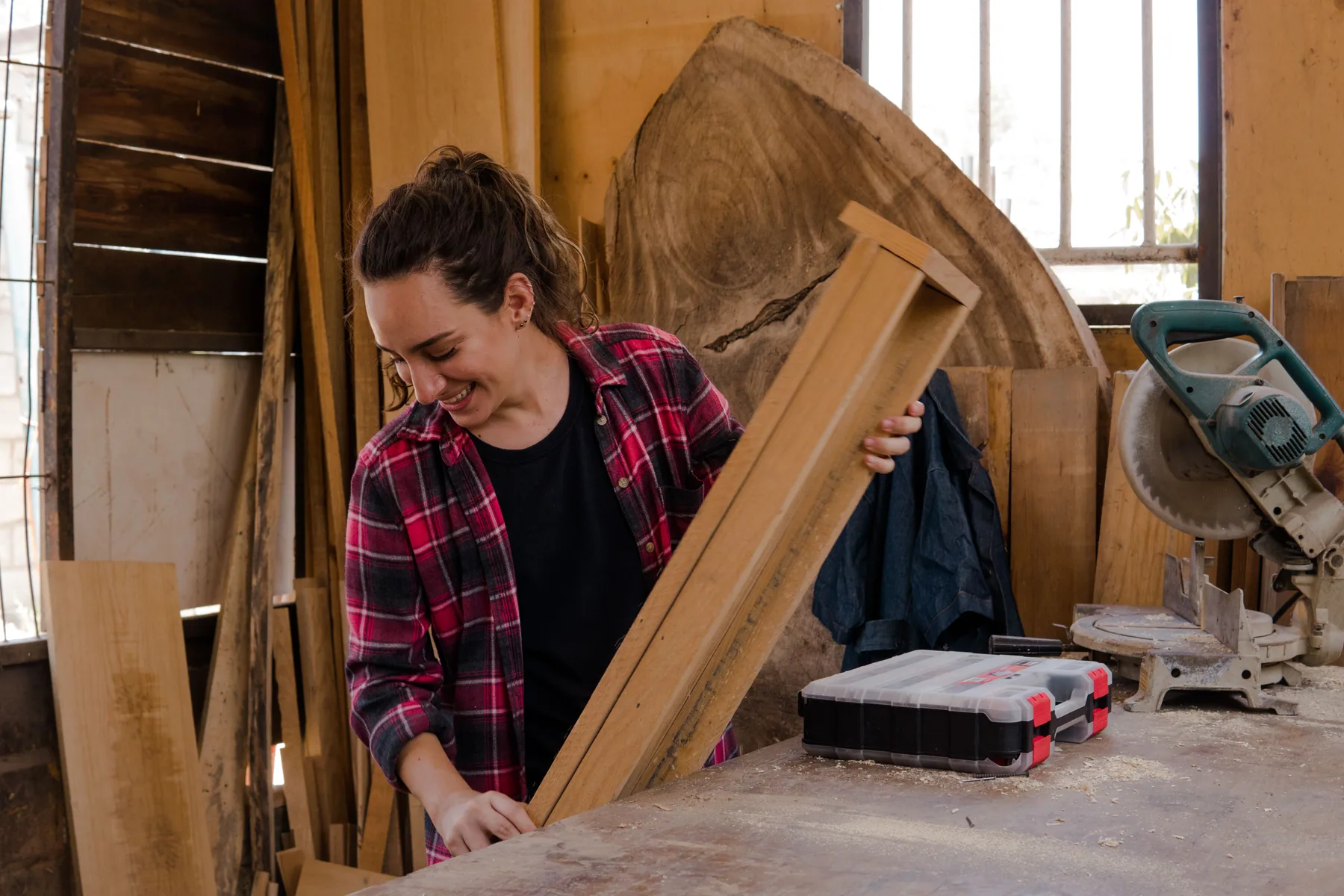
A woman handles a piece of wood in a workshop.
Woodworking expertise · industry reference photographPhoto: Los Muertos Crew · Pexels License

The human connection

Make expertise easy to find

A buyer may want a machinery specialist, a materials expert or a distributor conversation. Give the team visible positions and a shared introduction that helps visitors find the right person. We recommend a brief daily walkthrough of demonstrations, samples and appointments. Include space for people with different mobility needs in the layout review, and ask the organizer about applicable accessibility requirements.

Shape the visitor experience

The practical details

AWFS Fair 2027 planning facts

Organizer information checked September 16, 2026. Event dates and exhibit-hall dates are labeled separately.

Plan from the current editionThe organizer lists July 13–15, 2027 at the Las Vegas Convention Center, West Hall, with distributor-only access on July 12. Detailed operating requirements and deadlines must come from the current exhibitor materials. Purple is an independent exhibit design provider, not the show organizer.

Your working checklist

Bring the shop-floor details into the brief

0 of 12 items confirmed

Confirm the brief
Design the experience
Prepare the delivery

Choose the working space

A footprint with a purpose.

Layout direction 1

Compact product studio

For hardware, software or selected materials, use a clear back wall, one purposeful demonstration surface and accessible sample storage. Keep the visitor side open. Select the few products that explain the offer well rather than shrinking a complete showroom into a small footprint.

Explore this approach
Layout direction 2

Machinery demonstration bay

Build the layout around the equipment owner’s approved demonstration area. Add a finished-work display and a separate consultation point so interested visitors can move naturally into discussion. Confirm the actual booth boundaries before deciding how the audience will gather.

Explore this approach
Layout direction 3

Integrated process exhibit

For a larger space, connect several products through a shared application story. Use distinct viewing points and consistent product labels. A central meeting area can serve multiple specialists, provided its position does not interrupt the demonstration route or obscure smaller product stations.

Explore this approach

Conceptual layouts, adapted to your confirmed footprint, open sides, equipment and current show requirements.

Budget around machinery, movement and reuse

The machine inventory, freight, material handling, service coordination and installation sequence can shape the budget as much as the exhibit itself. Other drivers include custom sample cabinetry, presentation technology, graphics and meeting space. Separate reusable architecture from elements specific to this equipment lineup. Ask for a scope that identifies assumptions and third-party services so the team can compare options on the same basis.

Useful answers

AWFS Fair exhibit questions.

Talk through your brief
When is AWFS Fair 2027?

The confirmed public show dates are July 13–15, 2027. AWFS separately lists July 12 for distributor badge holders. The organizer announced a new three-day format, so do not carry forward an older four-day schedule when briefing staff or planning public demonstrations.

Where will the show take place?

AWFS lists the Las Vegas Convention Center, West Hall. Confirm your assigned booth, service information and access arrangements through the organizer’s exhibitor documentation. A venue name alone does not establish freight routing, installation timing or the requirements for your particular equipment.

Can the booth include working machinery?

A machinery-led exhibit can be planned around a proposed demonstration, but operation depends on the equipment owner’s approvals and applicable organizer and venue requirements. Share the intended products and demonstration format early so the team can identify the information and specialist coordination the design requires.

How do we show a broad material range?

Group samples around customer applications and make the selected differences easy to compare. Use a visible core collection with additional material in organized storage. A digital catalogue can extend the range, while the physical display stays readable and useful during a live conversation.

What if our machinery lineup changes?

Agree on the final equipment dimensions before committing to fixed exhibit features. Where practical, use adaptable product labels, independent sample displays and graphics that can be revised. Changes to machinery can affect services, handling and visitor space, so assess them across the whole project.

Can the design serve dealer meetings as well?

Yes. Develop a distinct meeting position with the right samples, product information and room for notes. The organizer’s July 12 distributor access is separate from the public show. Confirm eligibility and arrangements directly, then plan staffing and exhibit readiness for the activities you actually intend to support.

What determines the exhibit price?

Booth size, equipment requirements, custom fabrication, sample storage, audiovisual content and logistics all affect scope. An accurate proposal starts with the machine list and demonstration goals. Separate exhibit costs from organizer or venue services instead of assuming that every show-related expense is included.

What should we send Purple first?

Send the booth allocation, machine or product list, audience priorities and your most important demonstration. Include existing assets you hope to reuse and any known service requirements. That gives the team enough context to develop a practical layout and identify the decisions still needed.

JUST SHOW UP.

Plan the demonstration before the decoration

Share your AWFS booth footprint, equipment list and customer priorities. Purple can help shape an exhibit concept that connects the machinery, the finished work and the conversation.

(800) 994-8030info@purpleexhibits.comExhibit design · custom builds · rentals · show coordination

Request a proposal

Tell us what you are bringing to AWFS Fair and what your exhibit needs to accomplish.

Add booth details (optional)

Your request goes to Purple’s exhibit team.

Plan my AWFS Fair exhibitCall Purple