Printers & production systems
Plan the display around the machine envelope, operator position and visibility into the process. Decide early whether the machine runs or serves as a static exhibit.

RAPID + TCT 2027 · CUSTOM EXHIBITS
Give additive manufacturing buyers a clear view of your process and its results. Purple designs RAPID + TCT exhibits for machines, materials and application stories that deserve to be examined up close.
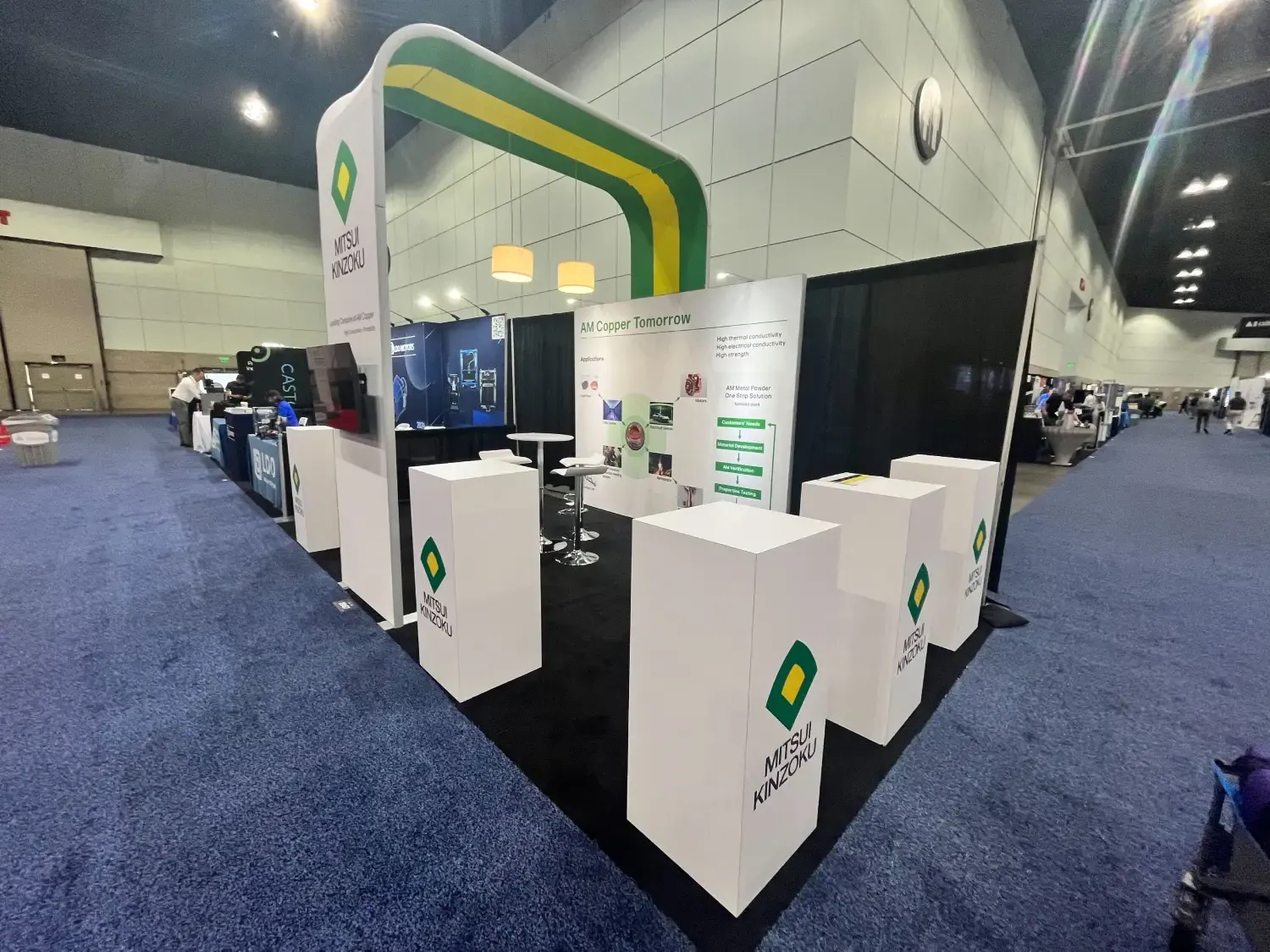
Additive manufacturing & 3D printing
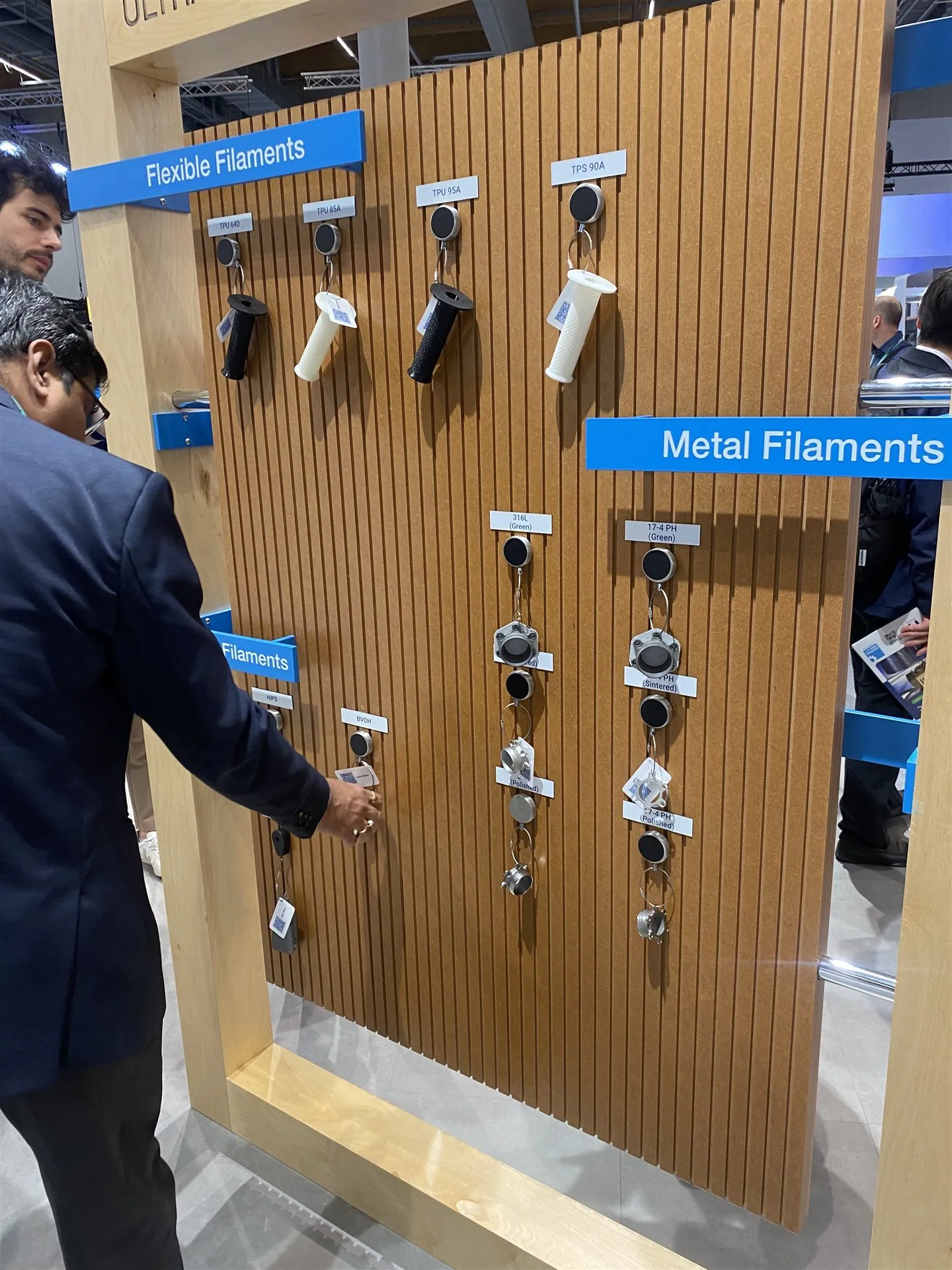
A printed part is more persuasive when buyers understand how and why it was made. Connect the sample with its material, manufacturing process and application, then make room for the engineering conversation behind it.
Printed samples, process evidence and machine displays that make an additive manufacturing advantage tangible.
How Purple plans any show ↗A VERIFIED PURPLE PROJECT
Zaxe’s exhibit gives Purple a directly relevant additive-manufacturing reference. A printer at the aisle, sample counter and product screen support hands-on conversations about the technology. The project record does not identify this photograph as a RAPID + TCT installation.
View the Zaxe project ↗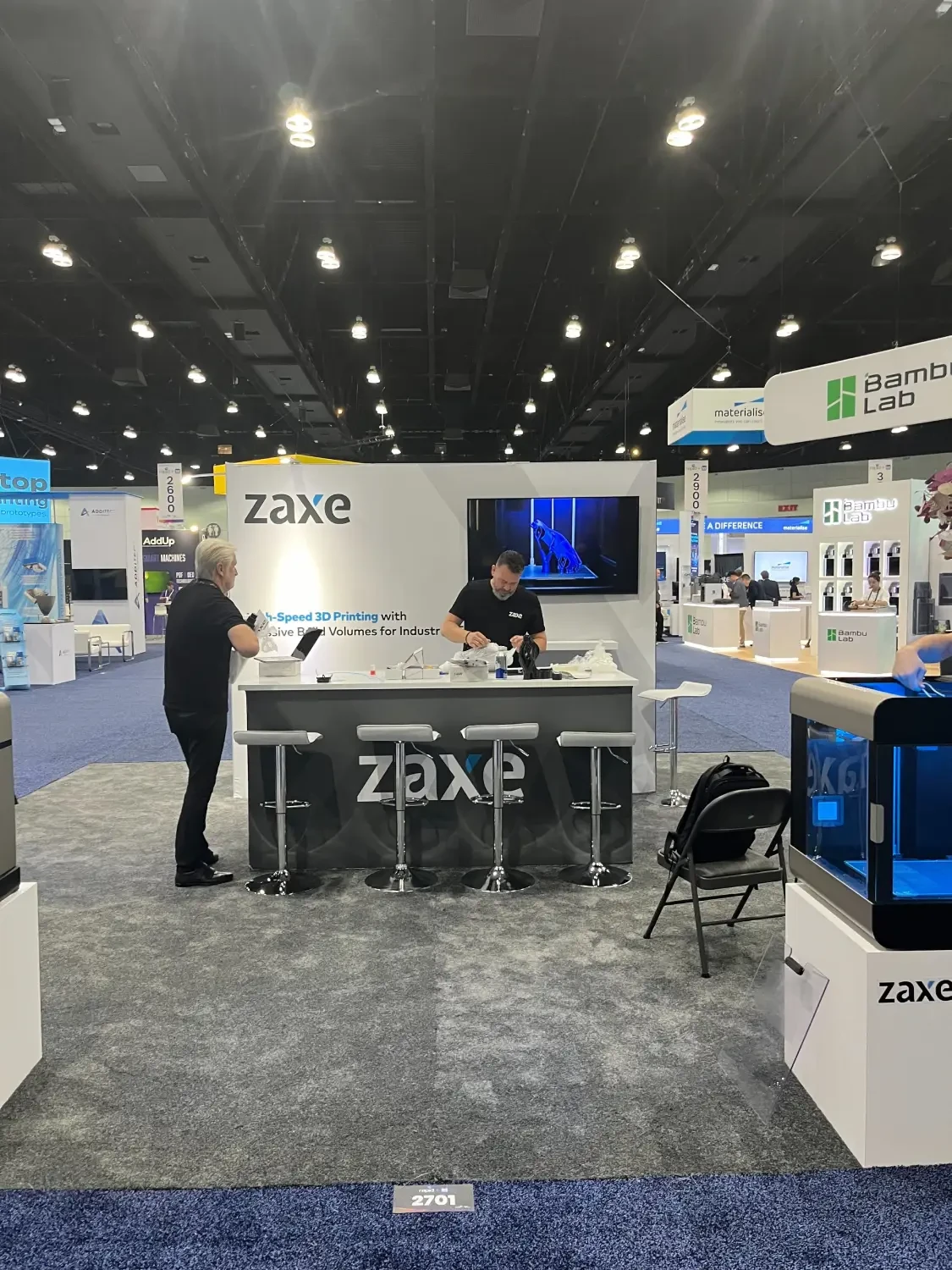
FROM PURPLE’S PORTFOLIO
Purple’s portfolio includes printed-part libraries, a Digital Factory display featuring Formlabs and Autodesk, and precision-measurement exhibits. These examples connect a specimen to a process discussion without claiming they were built at RAPID + TCT.
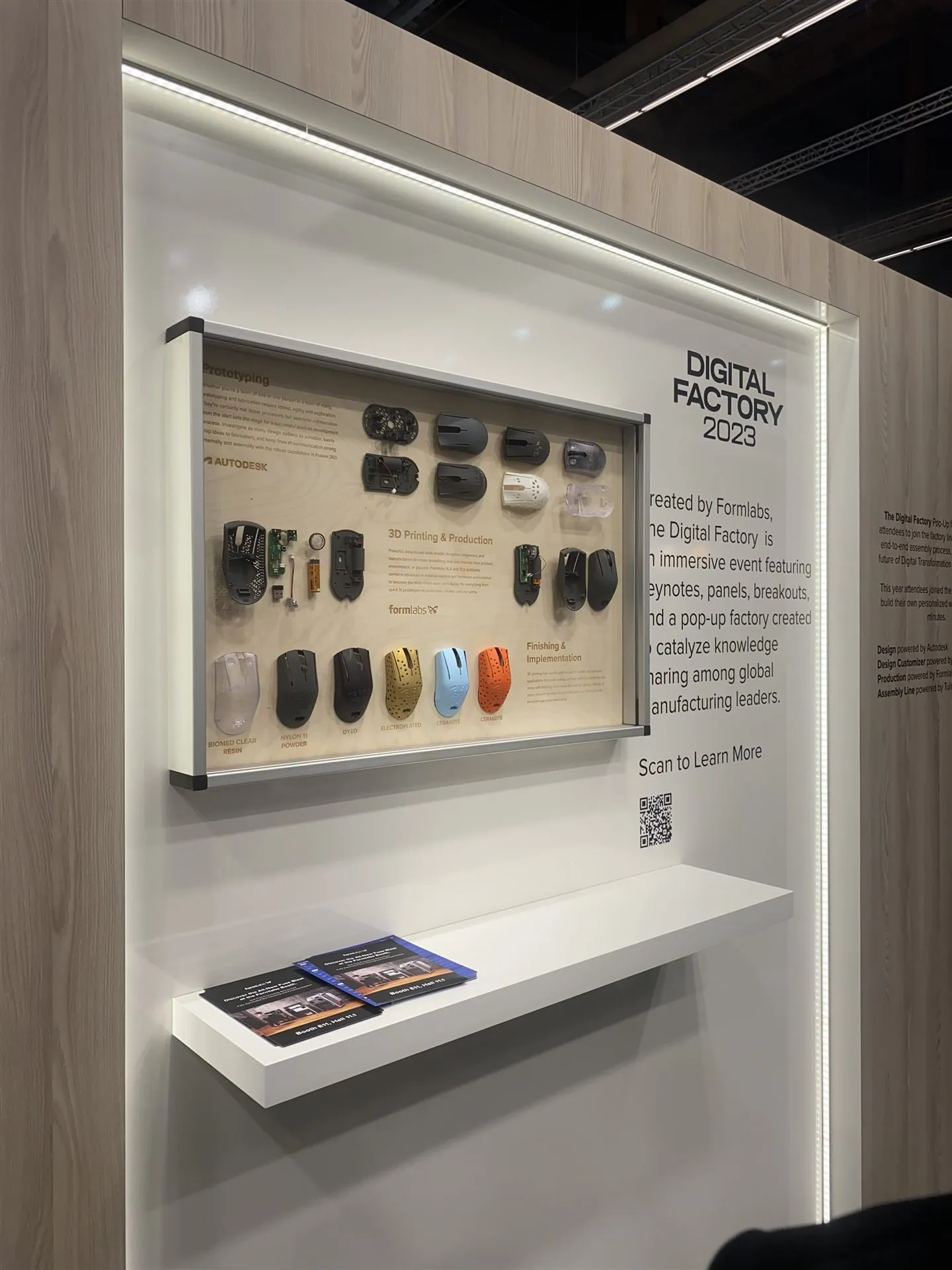
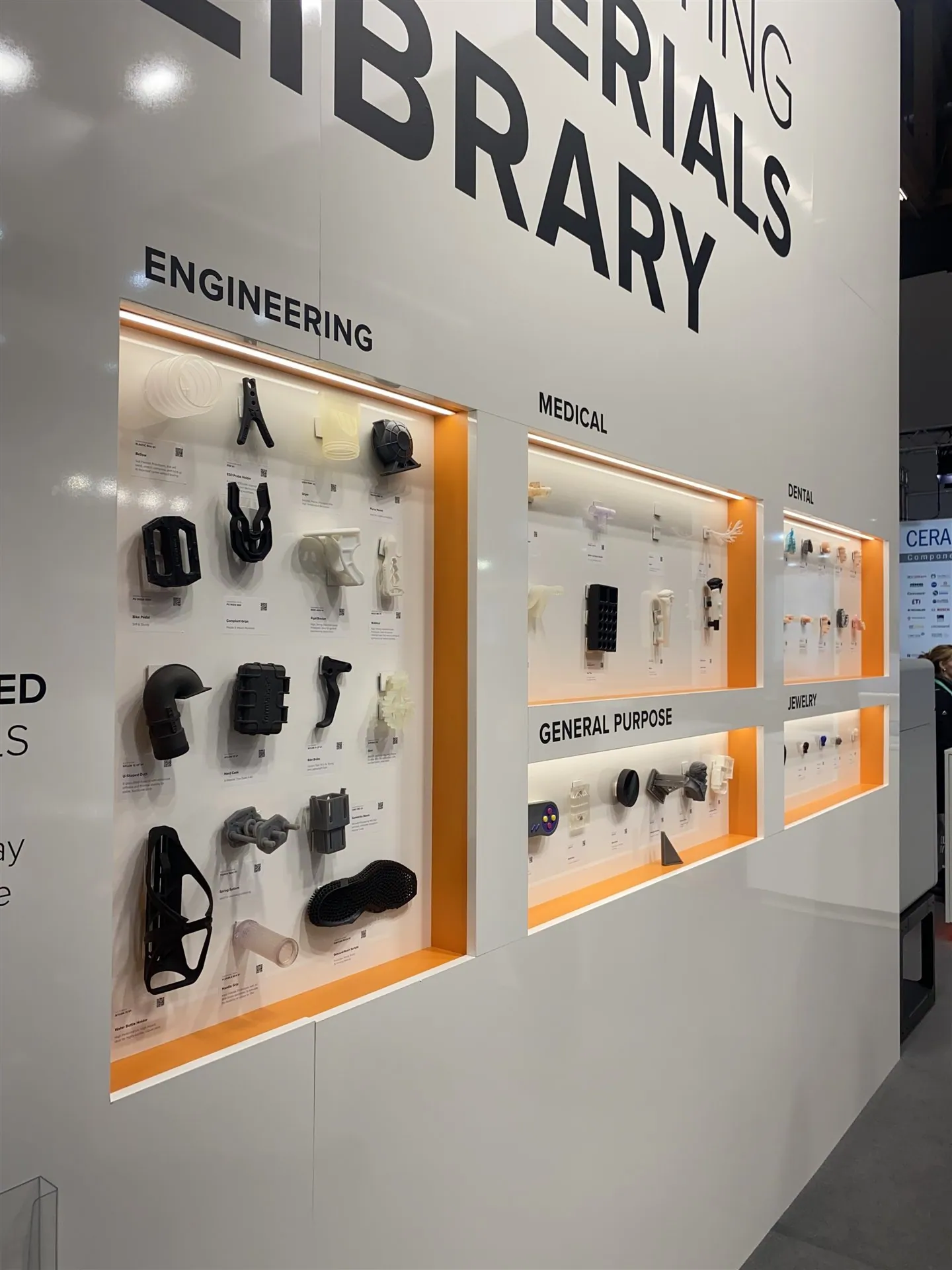
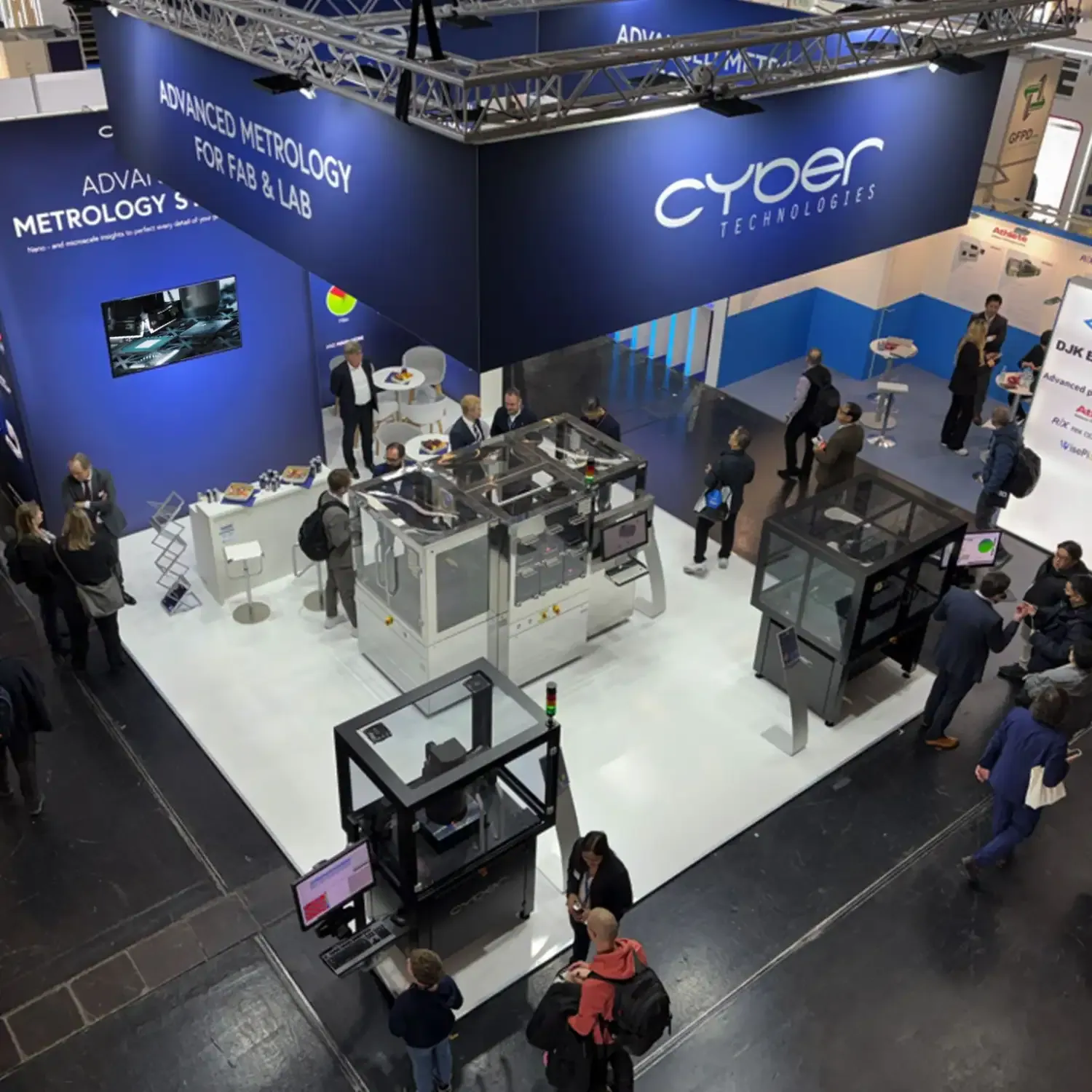
Real projects from Purple’s portfolio. Captions name the pictured exhibits. Explore the featured Purple project.
PRODUCT STUDY
Select pieces that each explain a different engineering decision. A representative build-stage part, an intermediate finish and the final component can be more informative together than several unrelated showpieces.
Keep the sequence easy to understand without a long presentation. Identify which pieces may be handled, provide stable supports for fragile geometry and give the specialist a clear surface to compare examples. Approved application notes should travel with the sample rather than live only on a distant screen.
A DIFFERENT DISPLAY FOR EACH OFFER
Identify machine operation, material handling, post-processing and environmental requirements. Confirm whether a live process is appropriate under current show rules. Use prepared parts, process video and an offline software walkthrough where these better support a reliable demonstration.
Plan the display around the machine envelope, operator position and visibility into the process. Decide early whether the machine runs or serves as a static exhibit.
Present parts with readable process and material information. Use lighting and display supports that reveal surface detail, geometry and scale.
Connect the digital workflow to a finished sample. Show the steps that matter to the buyer rather than trying to demonstrate every feature.
A CONCEPT FOR RAPID + TCT
A striking printed object creates interest. Its material, process and application turn that interest into an engineering conversation.
Give the sample an identifiable job. Explain the problem the component was designed to address.
Label what the part is made from and provide the approved information visitors need to compare it.
Connect the sample to a machine, a build-stage example or a short explanation of the manufacturing route.
Create a table where the engineer can discuss another geometry, drawing or application with your specialist.
THE PEOPLE. THE PRODUCT. THE MOMENT.
A part in the hand invites better questions. Balance the scale of the machinery with close, well-lit displays and people who can explain how the object was made.
Explore the project photographs ↓PRODUCTION NOTEBOOK
A live printer is useful when the visitor can see something meaningful during the time available. If the key steps are enclosed or slow, combine the machine with prepared build stages and a concise process recording.
Ask your technical team to define the actual operating and material requirements for the planned demonstration. Review those with the organizer before committing to the configuration. Product access, installation sequence and sample storage should be resolved alongside the brand architecture.
Plan machine weights, protective transport, delicate sample handling and installation access for Huntington Place. Keep display samples and critical demonstration equipment traceable, and arrange the unpacking sequence before booth walls and counters are finished.
2027 · ORGANIZER FACT FILE
Full event: April 12–15, 2027. Exhibit hall: April 13–15.
Huntington Place, Detroit, hosts exhibits April 13–15; the conference begins April 12. The 2027 floor plan should confirm your precise hall position.
Official source ↗The Detroit 2027 installation and removal targets were not verified in the public RAPID + TCT resources checked.
Official source ↗An accessible 2027 height and rigging specification was not found. Printer clearances and overhead branding need review against the issued Detroit exhibitor kit.
Official source ↗The public 2027 landing page does not establish machine-handling rates or installation labor rules. Request the current kit before pricing heavy additive equipment delivery.
Official source ↗SME’s Boston recap reports more than 10,000 attendees and over 470 exhibitors at RAPID + TCT 2026.
Official source ↗The 2027 edition returns to Detroit after Boston in 2026. AeroDef, Healthcare and StartUp showcase references currently describe the previous edition.
Official source ↗LET THE EXPERIENCE CHOOSE THE FOOTPRINT
A useful label connects the material and process with the application. It should stay with the part when a visitor picks it up or a specialist takes it to the table.
MAKE THE NEXT CONVERSATION SPECIFIC
Connect sample provenance, processing stages and machine requirements so visitors can follow the full additive manufacturing story.
RAPID + TCT · EXHIBITOR QUESTIONS
Yes. Purple can plan machine positions, sample cases, lighting and discussion areas as one environment. Confirm operating requirements with your technical team and the organizer, particularly for processes involving special materials or services.
No. A well-curated set of application parts, a process explanation and a capable specialist can support a strong engineering conversation. Use a live machine when its operation adds something visitors can genuinely observe.
Identify which surfaces can support the part and which features should remain visible. Provide handling instructions, secure supports and selected touchable examples. Keep replacements and packaging accessible to the team.
Yes, if the comparison is clear. Label the process, material and application for each example, and use a consistent viewing arrangement. Have your technical team review any performance comparisons or claims.
Equipment handling, display cases, specialized lighting and technical services can add to the exhibit cost. Decide which processes need a live machine and which are best explained through finished parts and a concise visual workflow.
Plan machine weights, protective transport, delicate sample handling and installation access for Huntington Place. Keep display samples and critical demonstration equipment traceable, and arrange the unpacking sequence before booth walls and counters are finished.
FURTHER PLANNING
JUST SHOW UP.
Which part best demonstrates your manufacturing advantage? Send the sample story, machine requirements and applications you want Detroit buyers to investigate.