Medical devices & precision components
Use stable sample fixtures, macro imagery and concise labels. Organize parts by the engineering question they answer, such as assembly, material selection or a difficult geometry.

MD&M EAST · NEW YORK · MAY 2027
A molded component, a precise assembly or a working inspection station needs more than a pedestal. Purple designs and builds MD&M East exhibits in New York that make the engineering detail visible, connect it with a real application and give buyers room to discuss their next project. Custom and rental exhibit options start with what you need to demonstrate.
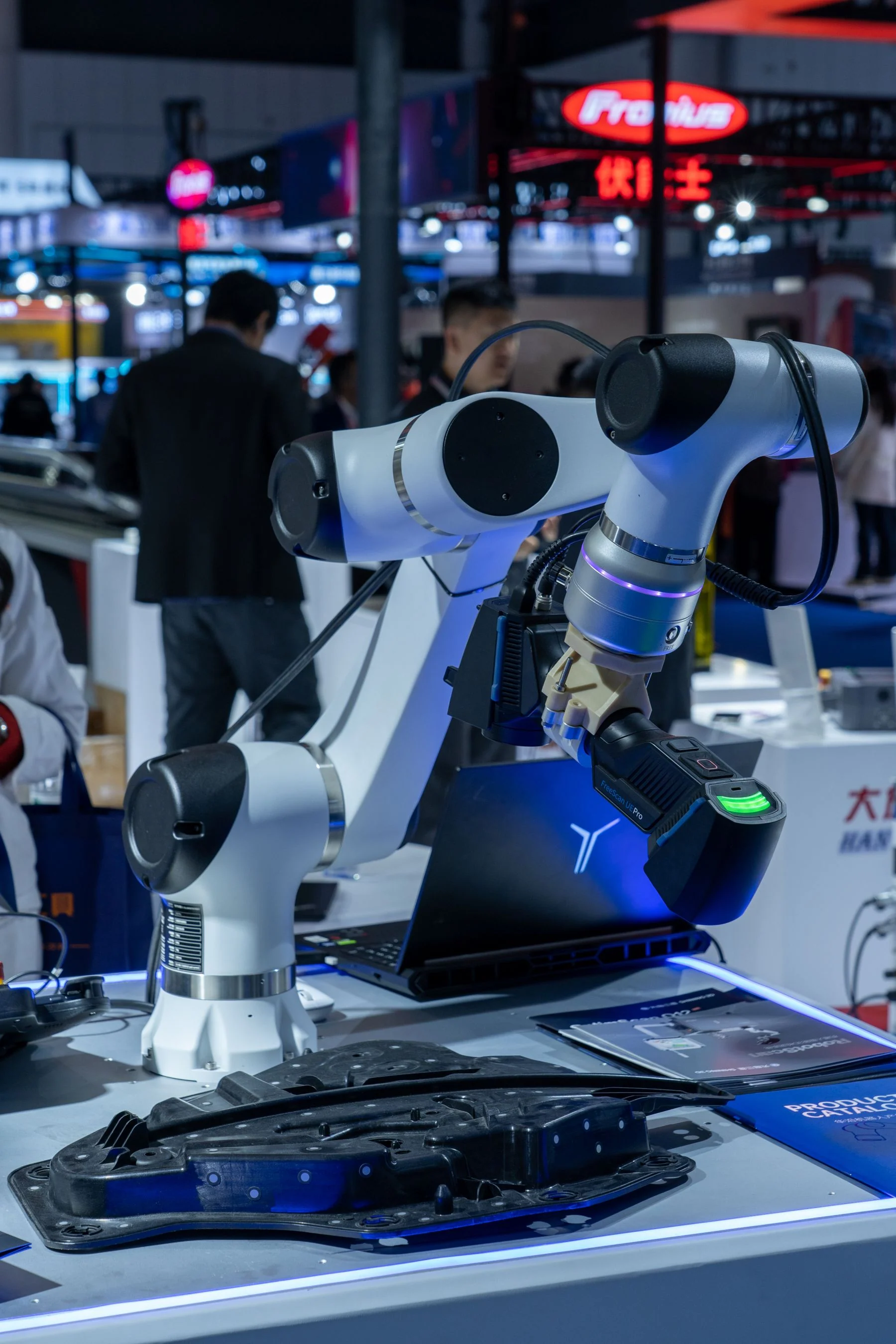
MD&M East · THE EXHIBITOR’S VIEW
The MD&M East floor connects several manufacturing disciplines. Your booth should help a medical-device engineer, a production specialist and a purchasing colleague find their own way into the same story. Start with the finished application, reveal the part or process that enables it, then bring the conversation to the specification.
Purple can coordinate the architecture, sample displays, demonstration counters, graphics and installation scope. Your engineers define the equipment, sample handling and operating conditions. Together, those inputs establish a practical exhibit plan that can be priced before details move into fabrication.
Our design and delivery approach ↗WHAT YOU ARE BRINGING TO MD&M EAST
Use stable sample fixtures, macro imagery and concise labels. Organize parts by the engineering question they answer, such as assembly, material selection or a difficult geometry.
Give the machine an intelligible task and show the result at eye level. Plan operator access, replenishment and any protective separation around the actual demonstration.
Show what enters, what changes and what leaves the process. Keep a finished package or output sample beside the demonstration so visitors can inspect the result.
Pair material samples with relevant finished parts and production examples. Reserve a work surface for comparing finishes, tooling considerations and project drawings.
THE MD&M EAST EXHIBIT DIRECTION
Create a compact journey through application, component, process and project. A visitor should understand what you make before being asked to interpret every capability.
Use a finished assembly, clear model or approved application image to establish the context. Label demonstration samples so they are not mistaken for products cleared for a particular use.
Give small parts a deliberate viewing position, with magnification or an enlarged detail beside the physical sample. Keep identifiers consistent with the materials your team will share.
Use one repeatable operation to explain the capability. Show the input and output together, with enough space for the operator to load, explain and reset the demonstration.
Move into dimensions, material choices, manufacturing questions and next steps at a nearby work surface. Provide a sample tray or drawing area instead of balancing technical documents on a reception counter.
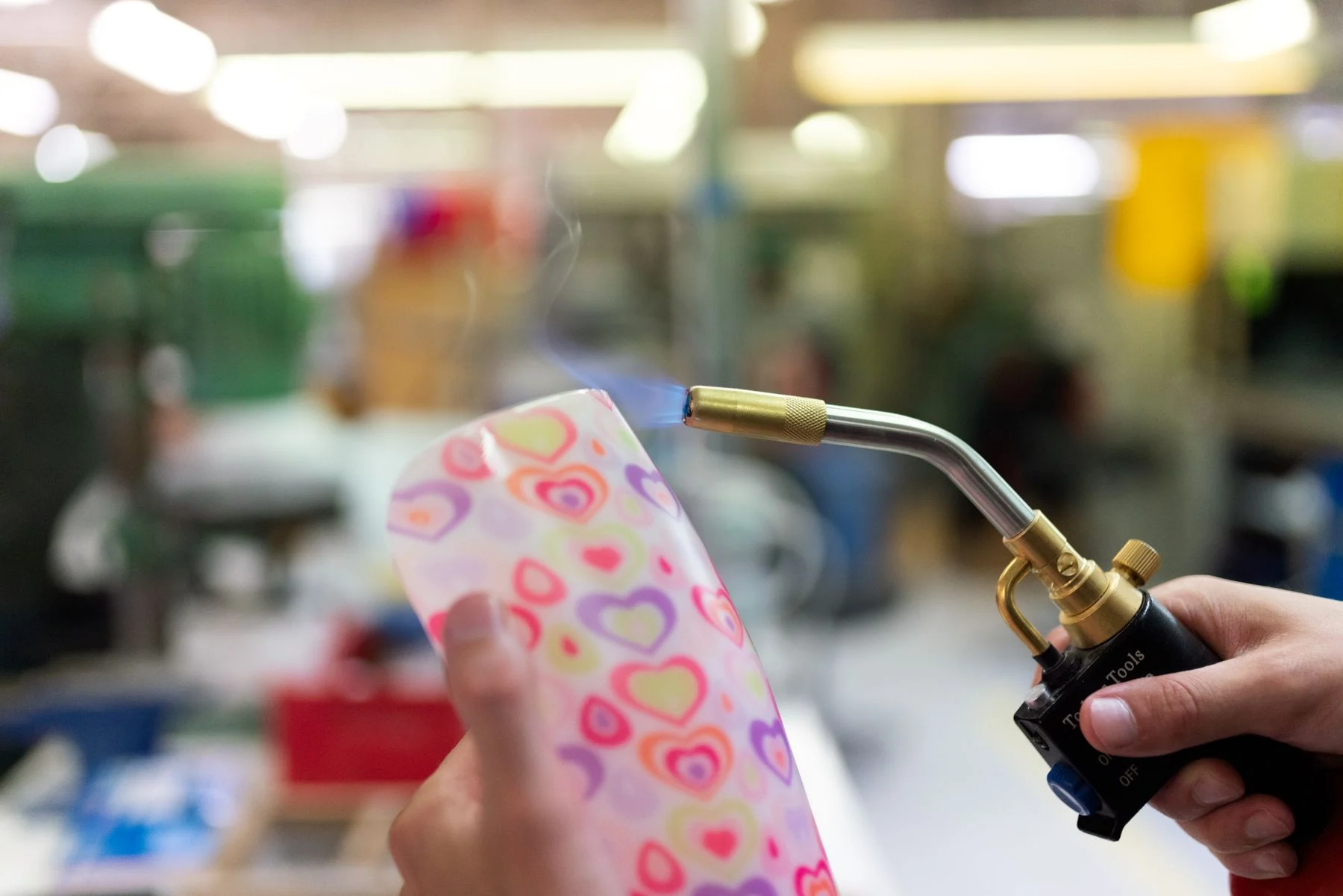
MD&M EAST FIELD NOTES
Choose a small set of samples that makes your capability understandable. A miniature molded part may need magnification, an assembly may need an exploded arrangement, and a surface treatment may be best understood through side-by-side finishes. Decide what the visitor is allowed to handle and what stays fixed. Use the same part names in the display, technical literature and follow-up material so an interesting conversation does not become a search for an unidentified sample later.
Build a second layer for the person who wants detail. A compact screen can show a manufacturing sequence while the physical sample stays in view. A neighboring work surface can support a drawing, a material comparison or a project checklist. Keep unapproved customer drawings and confidential examples out of open displays. Ask the technical team to review the assembled presentation before graphics are released, including what each label claims about the part.
Sequence large equipment before delicate samples and final display dressing. Give the team packed dimensions, weights, access needs and a clear responsibility for positioning each item at Javits. The organizer had not published move-in or dismantle hours when checked; confirm them before fixing shipment or labor dates.
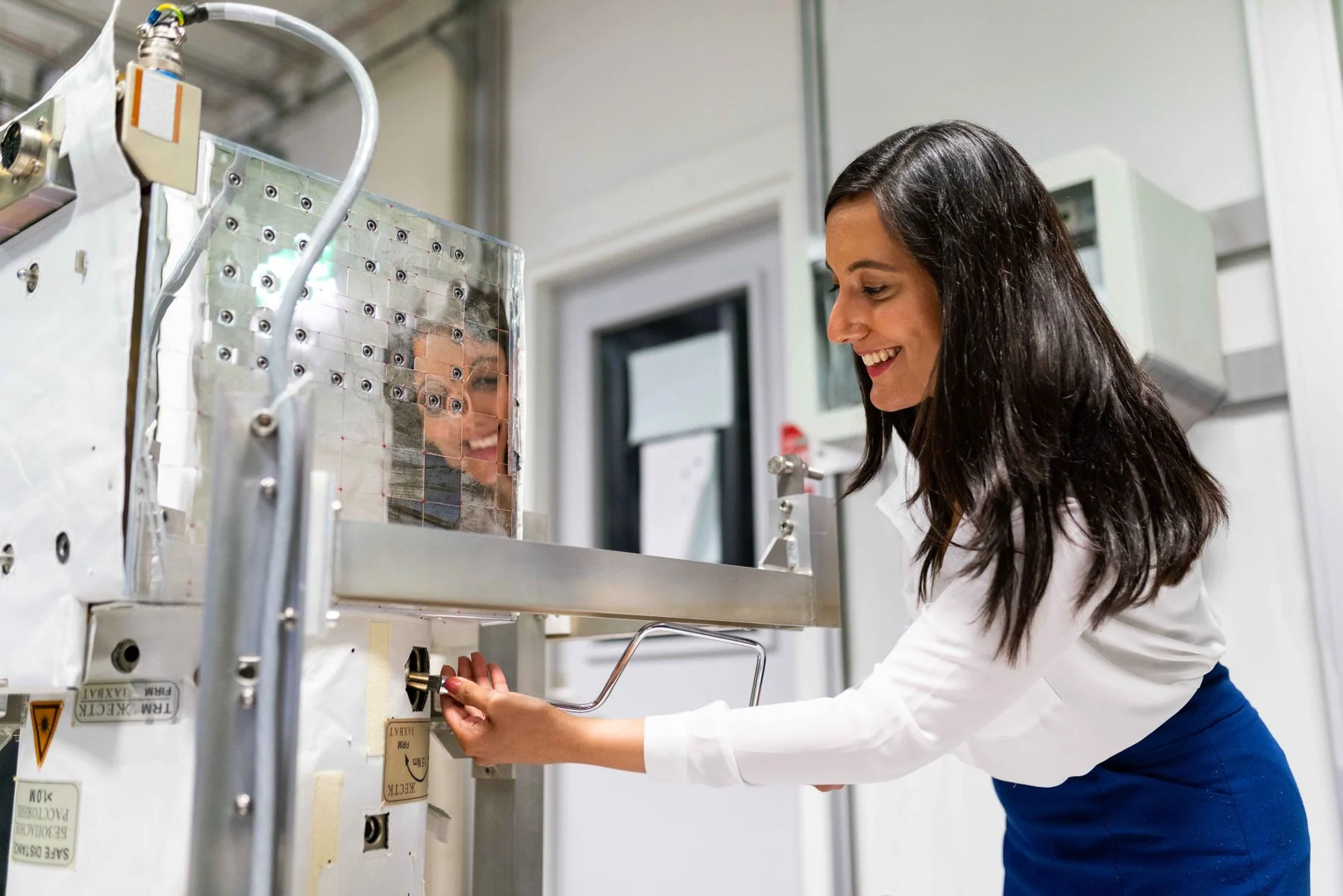
THE PEOPLE WHO MAKE THE SPACE MATTER
A device-development discussion can involve several perspectives at once. Put the physical sample, an understandable process diagram and a screen within the same conversation area. One person may be comparing materials while another asks about production or supply. A clear sample library lets your team retrieve the right example without losing the thread of the discussion.
Give the team room to greet, demonstrate and listen. A good exhibit makes every one of those moments feel natural.
THE SUBJECT BEHIND THE SPACE
Sample handling becomes easier to explain when the sequence is visible. Take that principle into the exhibit: arrange the incoming sample, the relevant equipment and the finished result as a clear progression. Use consistent identifiers and a close-up view where the useful action is small or enclosed. Reserve working space for the operator, and identify display models separately from functioning equipment so visitors understand exactly what they are examining.
Build your planning checklist ↓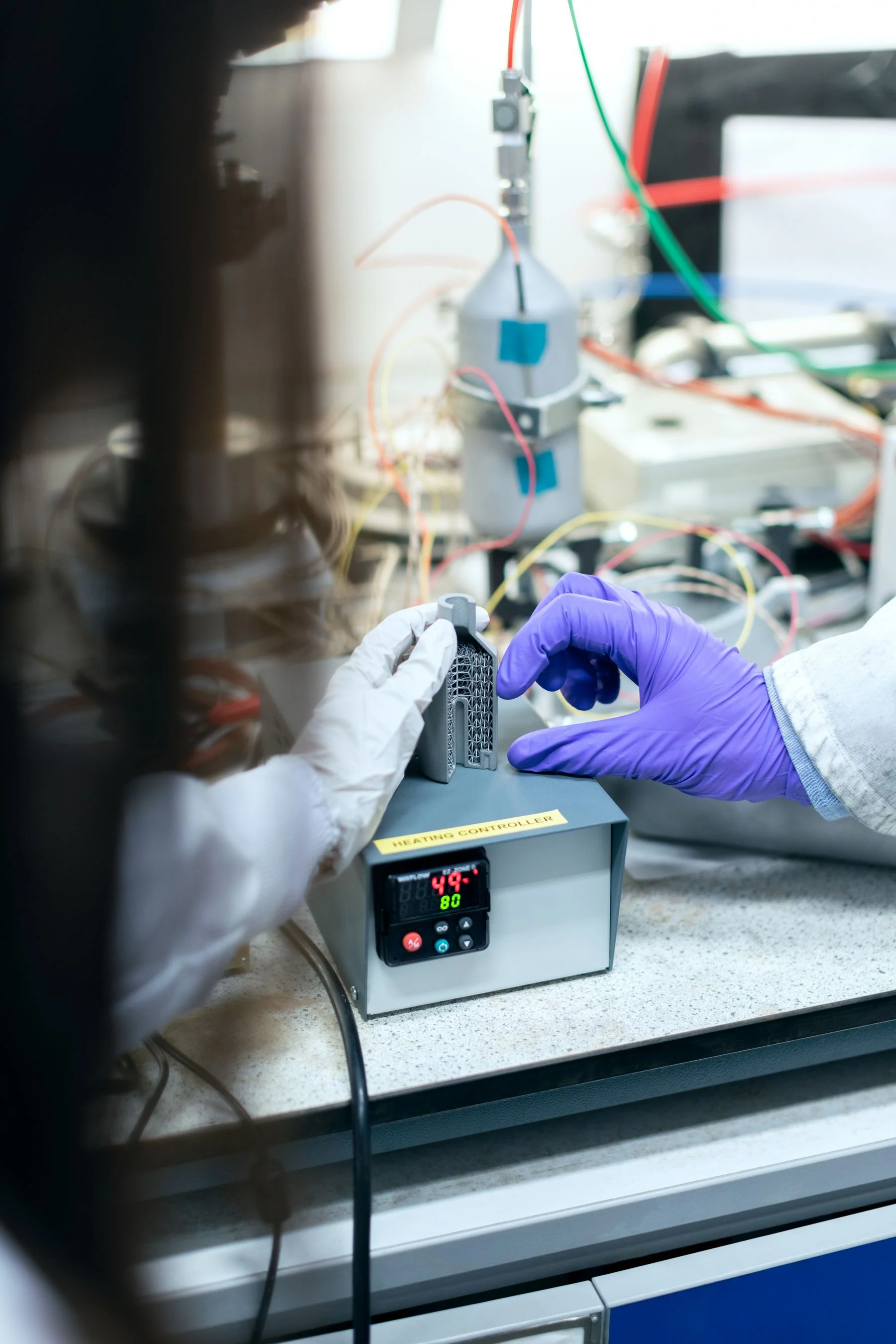
MD&M EAST FIELD NOTES
Map the complete cycle before drawing the booth: an operator loads the sample, the equipment acts, a result appears and the station returns to its starting condition. The visitor needs a clear view of the useful moment. If that happens inside a machine or at a tiny scale, add an appropriate camera view or recorded close-up. Label recorded material accurately, and leave the machine accessible for the people responsible for operating it.
The demonstration needs its own backstage plan. Identify consumables, finished samples, replacement parts, cleaning materials and the staff member who controls resets. Keep those items within practical reach without turning the visitor area into equipment storage. Give electrical and other service requirements to the designer early, then check them against the current exhibitor documentation. An elegant booth supports the real operating routine instead of leaving it to be improvised after installation.
For MD&M East, custom part fixtures, machine supports, magnification cameras and demonstration utilities may matter more than decorative construction. Separate the exhibit cost from equipment preparation, venue services and operating staff. Compare rental and custom approaches around the modules you intend to use again.
DESIGN INSPIRATION FOR MD&M EAST
An MD&M East visitor may arrive with a component question and leave with an entirely different manufacturing challenge. Give your specialists a place to lay out the sample, bring a colleague into the conversation and capture the next engineering step.
Discuss your exhibit direction ↗Licensed industry photograph; not a Purple project or a photograph of this show.
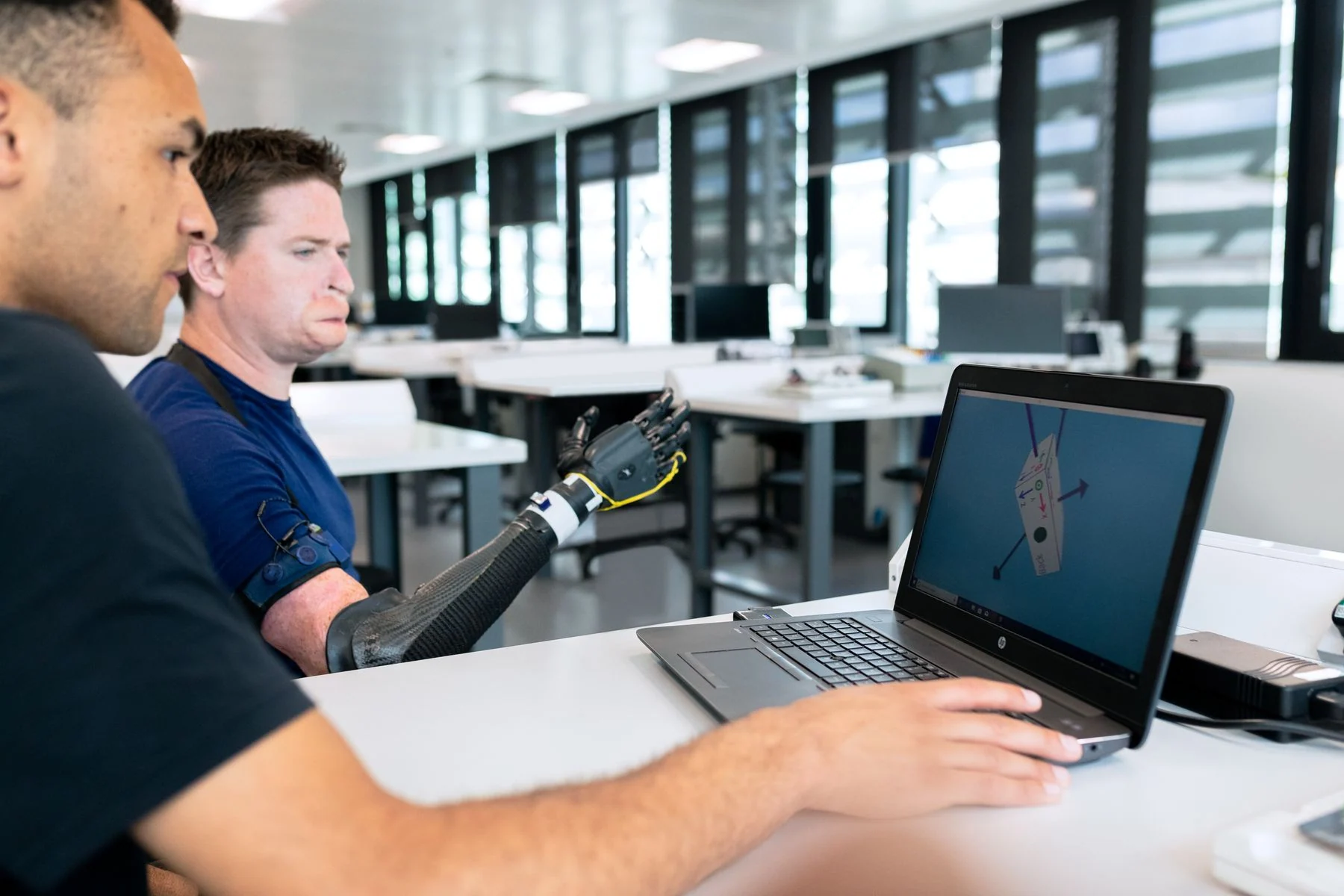
Leave usable table space for a component, a drawing and the visitor’s notes. Keep reserve samples close without filling the working area.
Make it easy for the welcoming team to bring in a materials, process or production specialist while the conversation is still active.
Record the application, sample identifier and agreed follow-up together so the next conversation starts with the same technical context.
MD&M East · YOUR EXHIBITOR PLAYBOOK
The handoff is part of the exhibit design. Give every component on display a clear route to a sample request, a technical discussion or a quotation brief.
Prepare a small matrix with the sample identifier, manufacturing question it illustrates, approved supporting information and intended next action. A material comparison, assembly example and inspection result should lead to different conversations. Identify what stays on display, what visitors can handle and what can be requested afterward.
A concept, prototype, design transfer and production-sourcing enquiry need different responses. Record the application and the constraint the visitor wants to resolve. An approximate quantity and intended timing can help the right specialist prepare. Mark uncertain answers as unknown rather than filling gaps with assumptions.
Connect a sample request with its exact identifier and delivery contact. Route technical questions with the relevant material, geometry or process context. For a quotation request, identify the drawing revision and specifications still needed, then agree how the visitor will supply them through an approved channel.
Position a recording surface beside the sample counter and name a person responsible for each follow-up type. Agree the next action and expected response date before the discussion ends. The display should keep helping your team after the physical sample has returned to its tray.
Purple’s planning guidance. MD&M exhibitor center ↗ · MD&M exhibitor FAQ ↗
VERIFIED EVENT DETAILS
Checked September 16, 2026. The full program and exhibit-hall dates are listed separately to help plan staff attendance and visitor appointments.
May 19–20, 2027
Organizer information ↗May 19–20, 2027
Organizer information ↗Jacob K. Javits Convention Center · New York, New York
Organizer information ↗Medical technology and the wider manufacturing chain: automation, packaging, design, plastics and quality.
Organizer information ↗MD&M East takes place May 19–20, 2027 at Jacob K. Javits Convention Center in New York. The same dates apply to the published event and expo. The organizer presents six connected industry sectors, which makes clear product positioning particularly useful.
Organizer information ↗Obtain the assigned space and current exhibitor requirements before confirming structure, service orders and installation access.
Organizer information ↗MD&M EAST · EXHIBITOR QUESTIONS
MD&M East is scheduled for May 19–20, 2027 at Jacob K. Javits Convention Center in New York. The organizer lists those dates for the event and expo. Installation and dismantling use a separate schedule; the published exhibitor FAQ still marked those hours as to be determined when checked.
No. MD&M East also covers automation, packaging, design and manufacturing, plastics and quality. A medical component supplier might lead with precision samples; an automation business might lead with a working sequence. The booth should make your role in the manufacturing chain clear without trying to represent every sector at once.
Place the real component beside an enlarged image, cross-section or live camera view that shows the important detail. Provide a stable viewing surface, useful lighting and an application reference. A larger display of the detail can attract attention while the physical part gives an engineer something concrete to examine.
Develop the concept around the actual equipment specification, then confirm its operation and required services with the organizer. Share dimensions, weights, utilities, operator positions and any protective enclosure. Purple can plan the physical setting; your technical team remains responsible for the equipment and the demonstration conditions.
Choose according to what a buyer needs to evaluate. A complete machine can make a workflow tangible, but it also needs handling, operating space and setup. A cutaway, output sample and accurately labeled video can work when the important detail is hidden or the production process is impractical to reproduce in the hall.
Include structure, graphics, samples fixtures, lighting, AV and installation, then identify separate equipment and venue-service costs. Machine positioning, camera systems and specialist demonstration counters can materially change the scope. Share the actual equipment list with Purple so a proposal explains those assumptions instead of relying on a generic cost per square foot.
Agree which examples are cleared for public display and give them unambiguous identifiers. Keep approved presentation material separate from private project documents. Provide a suitable work surface for deeper discussions, and decide how staff will capture a request for a specific drawing or sample without leaving sensitive material on an open counter.
Yes. Start with reusable sample fixtures, counters and demonstration modules, then identify the graphics and layouts that change between events. Compare the planned MD&M East footprint with the next assignment. A rental structure can support a distinctive product story when the display system is designed around your parts and working process.
Use the same application story with two clear discussion routes. Prototype visitors may need a feasibility review or development sample; production enquiries may require approved specifications, quantity expectations and supply timing. Record the project stage before handing the visitor to a specialist, and keep the appropriate examples available at the discussion surface.
Record the relevant part or process, application, project stage, approximate quantity and intended timing. Identify the drawing revision, specification or other information needed before a quotation can be prepared. Capture the agreed next action and technical owner; a badge scan alone does not explain the engineering request.
LET THE EXPERIENCE CHOOSE THE FOOTPRINT
Illustrative layout directions, subject to your assigned space and the current show requirements.
MAKE THE FIRST MEETING USEFUL
Capture the decisions that your product, design and on-site teams need to resolve together.
FURTHER PLANNING
JUST SHOW UP.
Send your booth assignment, priority components, equipment list and the projects you want to discuss. Purple can turn that brief into an MD&M East exhibit direction with a clear scope.