Materials & ceramic components
Group samples by application or property, with clear labels and stable supports. Make small or delicate parts visible without overcrowding the display.

CERAMICS EXPO 2027 · CUSTOM EXHIBITS
Make advanced materials easier to see, handle and understand. Purple designs Ceramics Expo exhibits with precise sample displays, application graphics and space for technical conversations about what your materials make possible.
Technical ceramics & advanced materials
Technical ceramic parts can be small while their application is complex. A well-planned exhibit connects the material, component and end use, using close viewing, clear labels and relevant examples to support an engineering discussion.
Small specimens, large engineering implications: properties and applications made easy to inspect and compare.
How Purple plans any show ↗A VERIFIED PURPLE PROJECT
LUZI’s fragrance environment presents formulations through sampling and conversation. The public Purple cases reviewed do not establish advanced-ceramics work; the connection is specimen presentation, not ceramic engineering expertise.
Read the LUZI case study ↗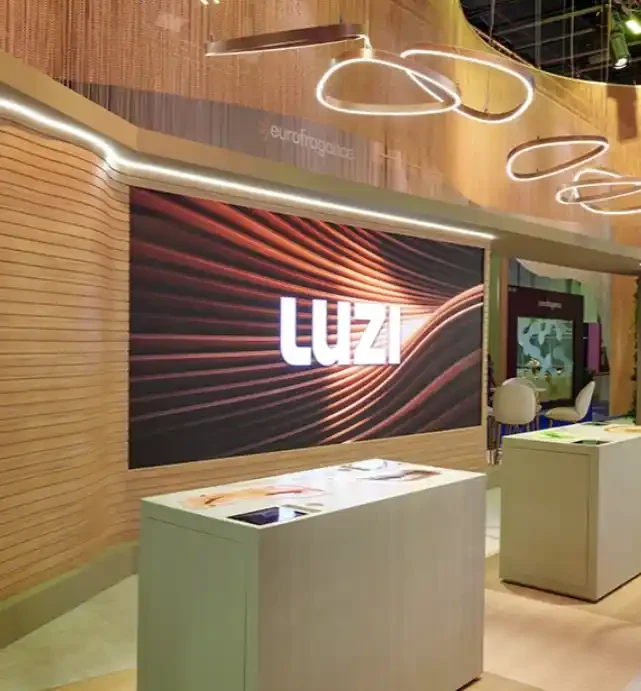
FROM PURPLE’S PORTFOLIO
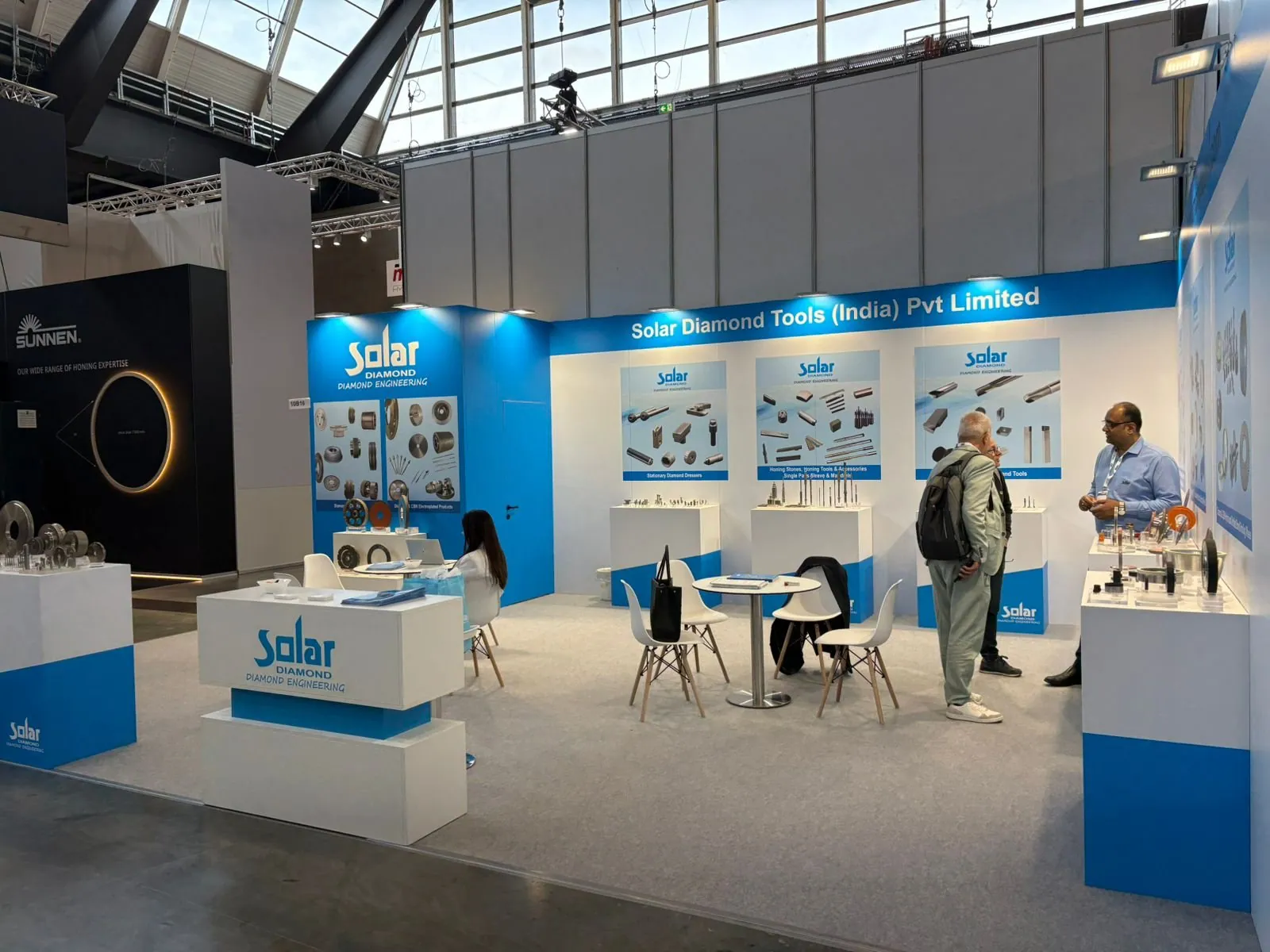
Solar Diamond Tools and SMOXH displays bring tools, specimens and manufacturing applications into view. These actual Purple portfolio examples inform a materials discussion without establishing a Ceramics Expo installation.
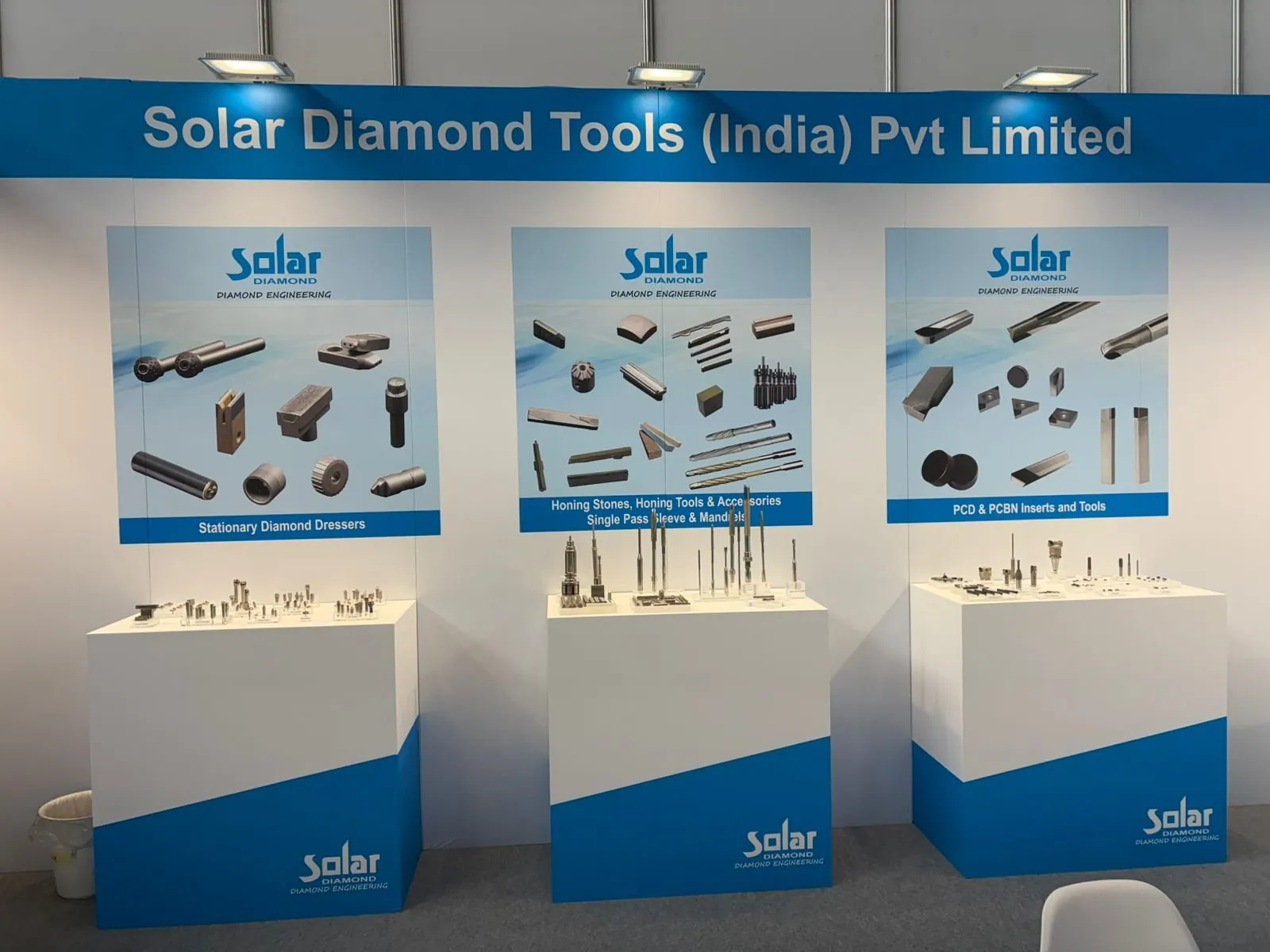
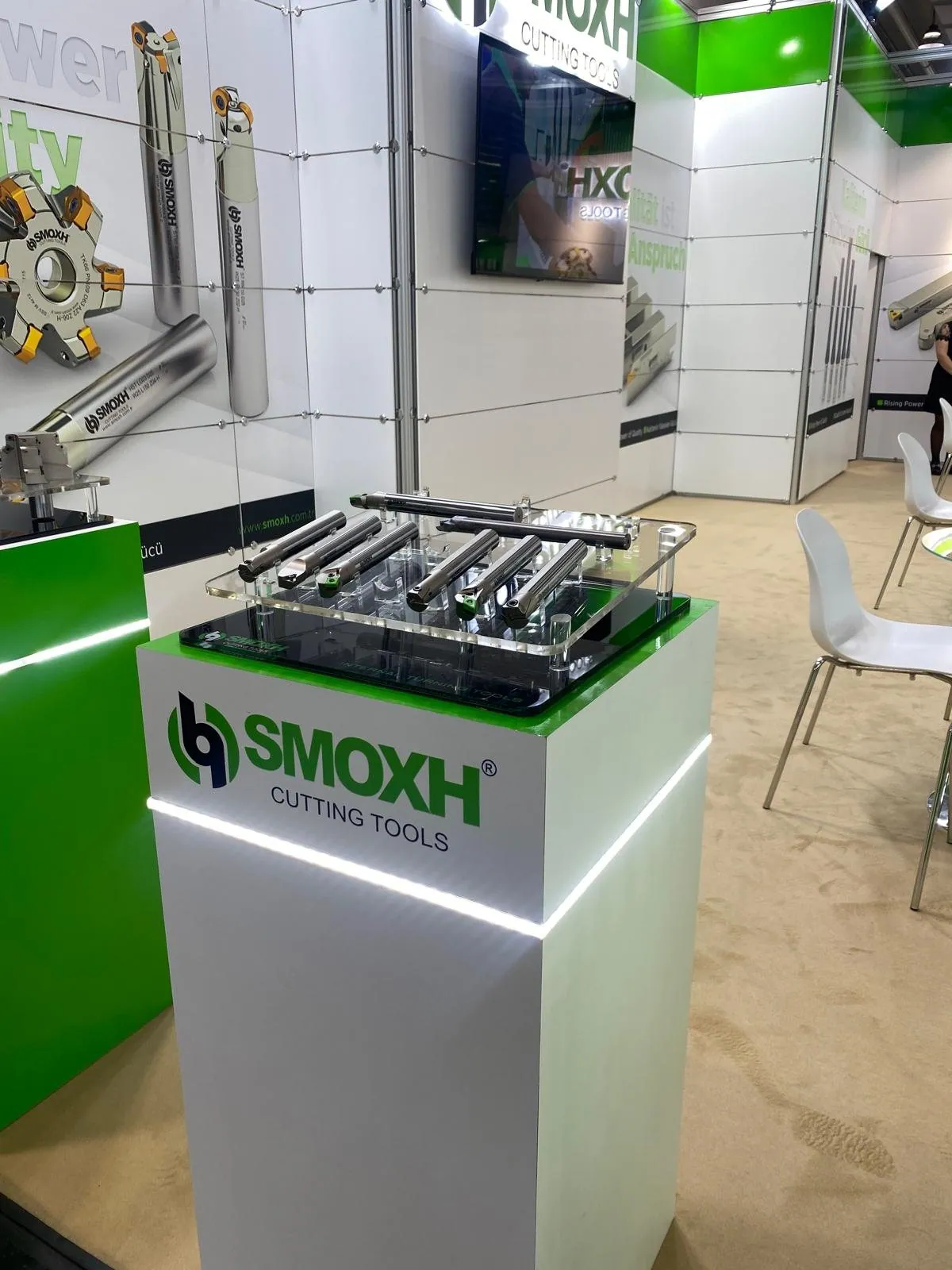
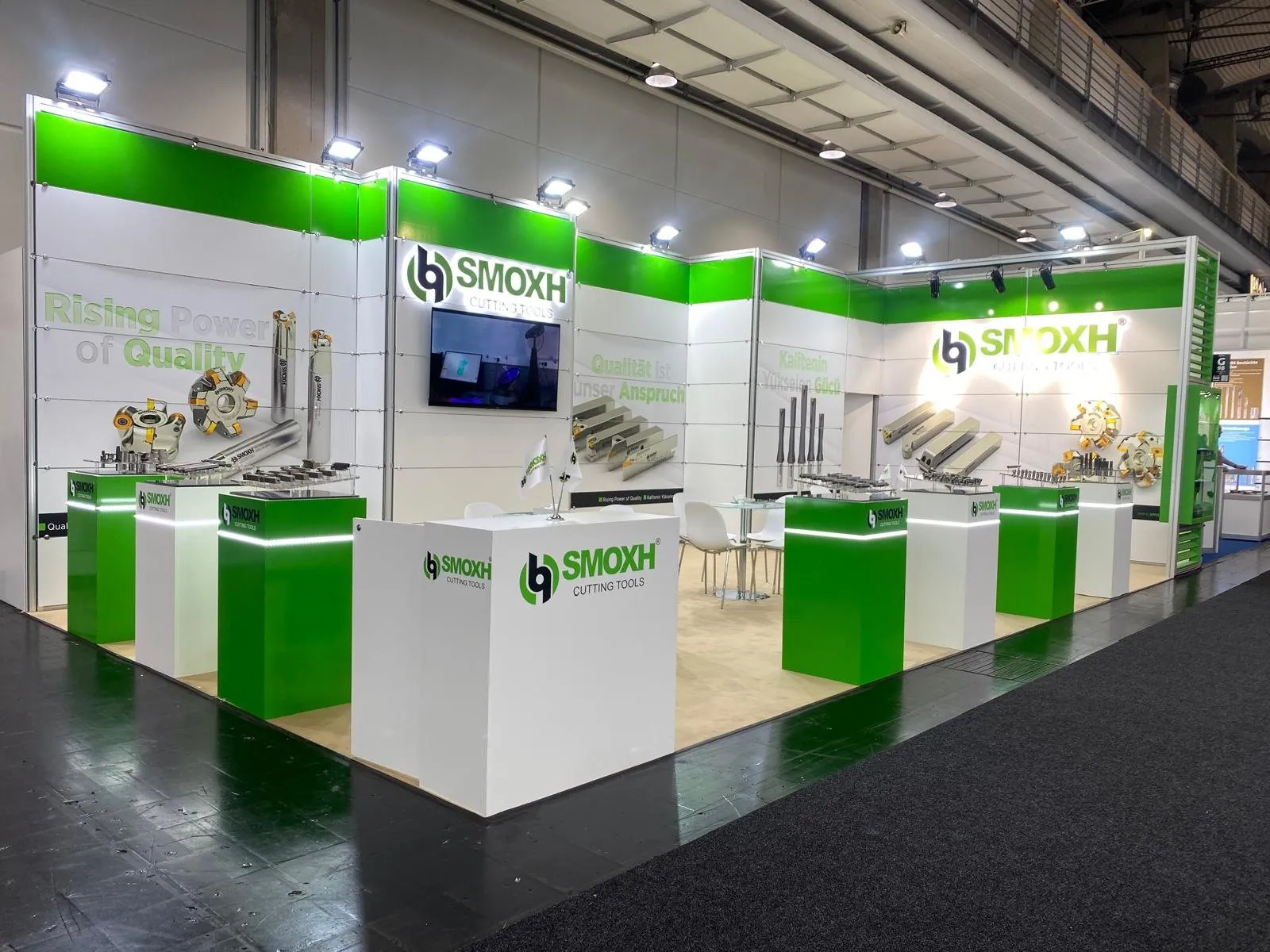
Real projects from Purple’s portfolio. Captions name the pictured exhibits. Explore the featured Purple project.
PRODUCT STUDY
Select components that explain a distinct material choice, geometry or application. Arrange them with enough separation that each label remains easy to match to its part. Use a consistent structure for approved descriptions rather than a different block of text for every sample.
Identify which objects can be handled and which need protection. A magnified camera view or a larger approved detail image may help reveal a feature that is difficult to see through a case. Keep replacement labels and packing positions documented so the display stays coherent as pieces move into meetings.
A DIFFERENT DISPLAY FOR EACH OFFER
Inventory fragile components, powders or other samples, instruments and screen content. Confirm what visitors can handle and how samples are contained or secured. Product specialists should approve technical labels, demonstration methods and any special material requirements.
Group samples by application or property, with clear labels and stable supports. Make small or delicate parts visible without overcrowding the display.
Use selected hardware, process graphics or a model to explain the manufacturing stage. Plan handling and technical services before deciding on live equipment.
Connect measurements and data to a physical sample. Create a concise demonstration that helps a visitor understand how the result relates to the application.
A CONCEPT FOR CERAMICS EXPO
An advanced ceramic component can be difficult to understand in isolation. Organize the display around the engineering decision the visitor needs to make.
Identify the material family and the approved characteristics relevant to the application. Keep supporting specifications available nearby.
Show the shape, surface or interface that matters, using close viewing and directed lighting to reveal small features.
Explain the process or capability your company contributes, with representative stages when they add useful context.
Connect the part to an end use so the visitor can begin a focused engineering discussion.
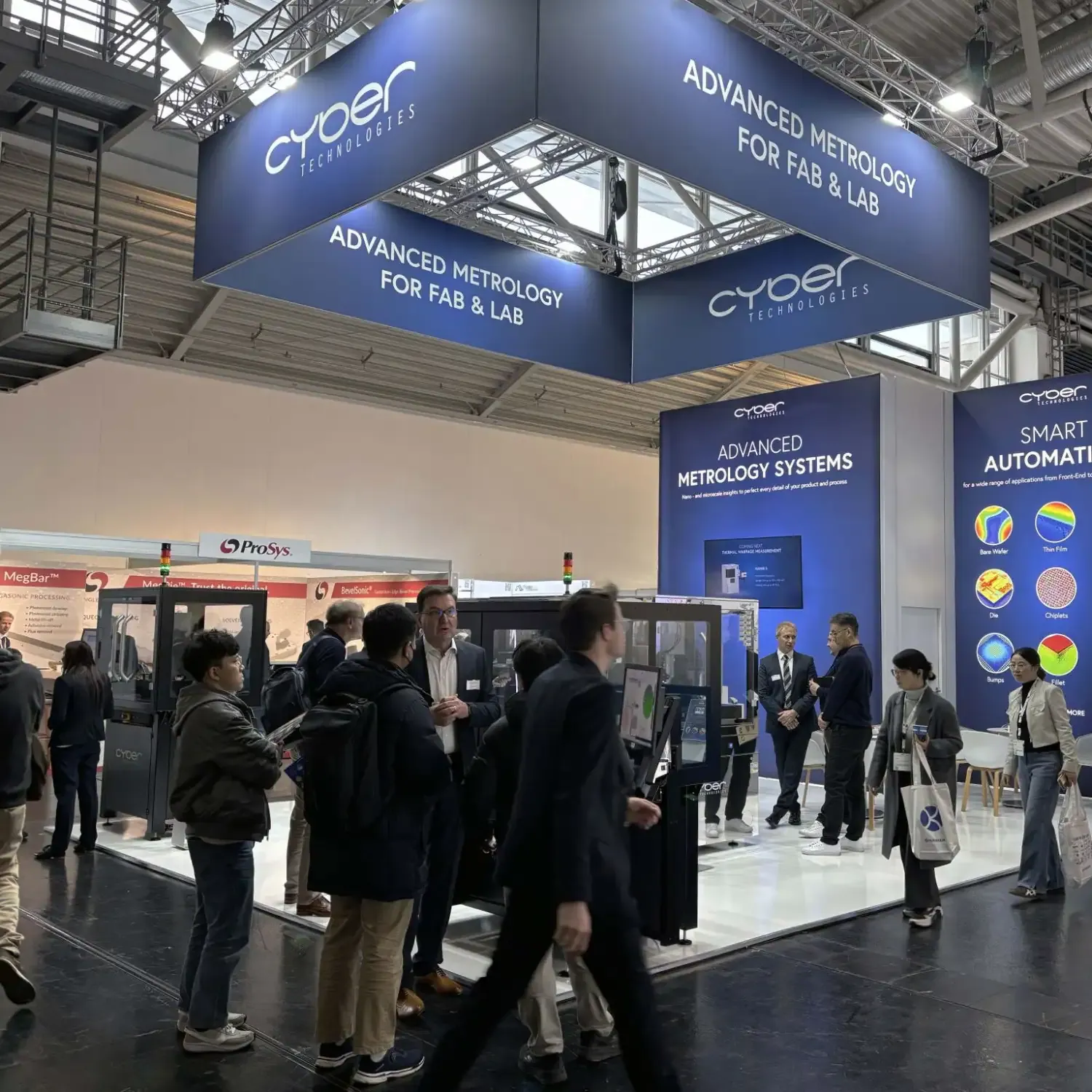
THE PEOPLE. THE PRODUCT. THE MOMENT.
Bring engineers close to the sample, with room to compare parts and review drawings. Keep the display precise while the meeting feels easy and personal.
Explore the project photographs ↓PRODUCTION NOTEBOOK
A materials supplier, equipment manufacturer and finished-component producer enter the conversation at different points. Put the exhibitor’s contribution first, then use selected examples to show how it connects to the rest of the workflow.
Provide a table where an engineer can compare samples or discuss a drawing with the specialist. Bring approved technical information for that conversation and clearly label representative examples. If a demonstration involves powders or other special materials, review the specific handling and display method with the responsible team and organizer before fabrication.
Small, fragile ceramic parts need individual protection and a clear inventory. Larger processing equipment requires separate weight and handling planning. Coordinate both with the assigned Cleveland receiving and installation schedule.
LET THE EXPERIENCE CHOOSE THE FOOTPRINT
A clean display, close viewing and a precise label can make a tiny component more compelling than a crowded case of samples.
2027 · ORGANIZER FACT FILE
Full event: April 19–21, 2027. Exhibitor/VIP reception April 19; exhibits and conference April 20–21.
Hall A and B at Huntington Convention Center of Cleveland host April 20–21 exhibits; the exhibitor and VIP reception is April 19.
Official source ↗The exhibitor FAQ still shows May 3–7 dates from 2026 despite its 2027 header. April 2027 build and freight-pickup windows remain unverified.
Official source ↗The reviewed FAQ directs builders to an EAC pack and exhibitor portal. A current 2027 height table and hanging-sign specification were not retrieved.
Official source ↗Freeman appears in the 2026 build schedule. Confirm the current Cleveland handling and EAC instructions instead of reusing the prior-edition timetable.
Official source ↗The organizer reports 40% attendee growth and participants from 27 countries. Its directory describes 250+ exhibitors across Ceramics and Thermal Management together; a separate final attendance total is not stated.
Official source ↗Ceramics Expo remains co-located with Thermal Management Expo. Specific new 2027 program additions have not yet been confirmed.
Official source ↗MAKE THE NEXT CONVERSATION SPECIFIC
Label each specimen’s composition, application and handling needs so engineers can compare the right properties at Ceramics Expo.
CERAMICS EXPO · EXHIBITOR QUESTIONS
Yes. Purple can plan cases, supports, lighting and application graphics around your samples. Provide dimensions, handling instructions and approved descriptions so the display reveals the detail while protecting the components.
Give them close viewing, controlled lighting and a clear application label. Use uncluttered supports or cases and consider an approved magnified view for details that cannot be appreciated at normal viewing distance.
Decide item by item with the product team. Provide selected touchable examples, handling instructions and a clear distinction from protected pieces. Plan a practical return position for each part after the discussion.
Yes. Use the manufacturing relationship to connect them: show what the equipment does and which representative sample demonstrates the result. Keep the machine’s access needs separate from the close-view sample area.
Sample cases, precision mounts, close-up lighting and technical graphics can matter more than large scenic features. Decide which product details need a physical display and which are better explained with a magnified image or process diagram.
Small, fragile ceramic parts need individual protection and a clear inventory. Larger processing equipment requires separate weight and handling planning. Coordinate both with the assigned Cleveland receiving and installation schedule.
FURTHER PLANNING
JUST SHOW UP.
Bring the ceramic component, its operating challenge and the material property that makes it valuable. We can turn those details into a readable display.