Live demo staff · every U.S. convention city

Product demonstrators for trade shows, launches and live demo stations

Product demonstrators who learn your script, run your demo on time all day and pass the right visitors to your sales team. Purple Exhibits books them for counters, stages, pods and outdoor demo lots nationwide, at one flat rate of $85 an hour.

  • $85/hr per person
  • 4-hr minimum
  • $0 travel fees
  • 35 city teams
Live demoLoop 04 · 00:07:42
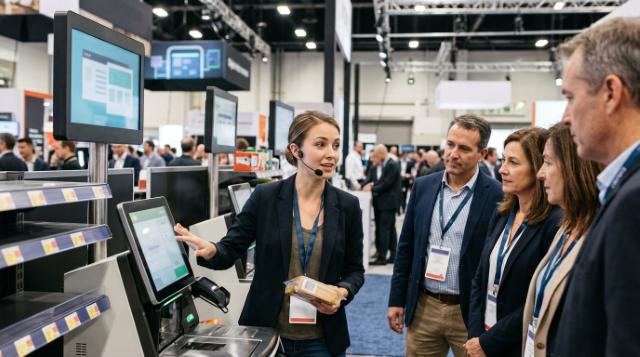
Purple Exhibits product demonstrators: a presenter in a brown ribbed cardigan with a handheld mic and a co-presenter in a striped satin set walk guests through a bath fixtures showroom booth
  1. Hook
  2. Show
  3. Try
  4. Hand off
Real Purple Exhibits events. A presenter with a handheld mic and her co-host take a group through the fixtures on the wall.
00:00The short answer

What product demonstrators do, and what they cost

Product demonstrators are the people who make your product move in front of a buyer: they run the live demo, keep it on script, invite visitors to try it and hand serious prospects to your sales team. Purple Exhibits books product demonstrators for trade shows in every U.S. convention city, from a single tabletop presenter at a 10×10 to a rotating stage crew at an island. Every demonstrator is $85 per person per hour with a four-hour minimum, and we never add travel fees. You send the script and the product; we match people to it, rehearse them with your team and put them on the floor ready to present from the first hour.

Role specRev. Oct 2026

Role
Product demonstrator, demo presenter, demo host
Works at
Counters, stages, pods, test bays, outdoor lots
Learns
Your script, click path, claims and hand-off line
Rate
$85 per person per hour, every city
Minimum
Four hours per person, per shift
Travel fees
None
Lead time
Four to six weeks is ideal; rush on 72 hours
00:45Call sheet

A product demonstrator’s day, hour by hour

Times shift with every show’s hall hours, but the shape of a good demo day does not. Here is a typical eight-hour exhibit day for one demonstrator at a busy booth, from call time to close-out.

Coral dots mark the moments that decide whether the day works: the first loop, the morning peak, the lunch reset and the last push.

  1. Call time and badge pickup

    The demonstrator arrives before the hall opens to exhibitors, collects an exhibitor badge from your booth manager and stows personal things out of sight. Arriving early is not a courtesy here; it is the only quiet time to touch the product before the aisles fill.

  2. Power-on and station check

    Every unit is switched on, every screen is woken, every demo login is tested. The demonstrator walks the reset checklist you sent: batteries charged, samples prepped, the floor mat straight, the spare unit hidden under the counter. Anything broken gets flagged to your booth lead now, not at 10:15 with a crowd waiting.

  3. Dry run with your product lead

    One full run of the demo, out loud, at show pace, with your product manager or engineer watching. This is where last-minute changes land: a feature that will not load on the hall Wi-Fi gets dropped, a new talking point from this morning’s press release gets added. The demonstrator rewrites the cue card by hand if needed.

  4. Doors open: the first loop

    The first demo of the day sets the tone. A good demonstrator starts presenting to the first two people in the aisle rather than waiting for a crowd, because a demo in progress pulls passers-by far better than an empty stage with a person standing next to it.

  5. Peak block one

    Mid-morning is usually the heaviest stretch. On a stage loop the demonstrator runs the script on the posted schedule; at a counter they run it on demand, every time someone stops. Between demos they scan badges, note what each visitor asked and point the curious toward your sales reps.

  6. First relief break

    A demonstrator who talks for hours straight loses energy and starts cutting corners in the script. A relief demonstrator or a second presenter takes the station for fifteen minutes. The handoff happens between demos, never in the middle of one, so the audience never sees a seam.

  7. Lunch rotation

    The aisles thin while attendees eat, which makes this the right window for a thirty-minute lunch break and a quick reset of the station: wipe the counter, restock samples, re-charge the handheld units, swap the headset battery.

  8. Afternoon block

    Afternoon visitors are often more serious. They have already walked the hall, and many arrive with a specific question. The demonstrator shortens the hook, goes faster to the part that answers that question and calls your specialist over sooner.

  9. Second break and a script check

    A ten-to-fifteen-minute break, plus a quick word with your booth lead: which line is landing, which question keeps coming up, should the closing ask change. Small adjustments here keep the last two hours as strong as the first.

  10. Last push

    Late-day traffic can surge as attendees make a final lap. The demonstrator keeps the loop running on schedule and does not start packing up early, because a booth that looks closed at 16:30 loses the visitors who saved you for last.

  11. Close-out and handover

    After the hall closes, the station is reset for tomorrow, the day’s lead notes are handed to your team, and the demonstrator tells your booth lead what to fix: a sticky button, a sample running low, a claim visitors challenged. Then a short note to our coordinator with the same points.

01:30Lookbook

Real demo crews, hands on the product

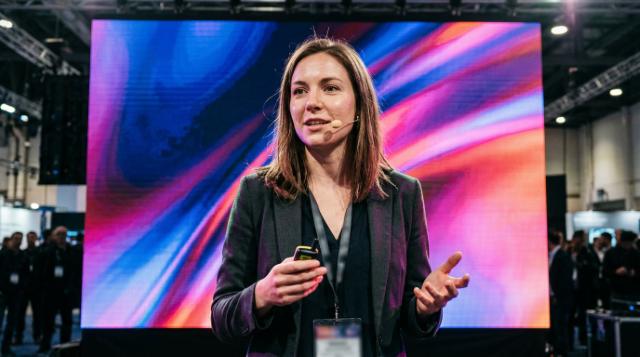
Two looks from real Purple Exhibits demo work, with the hero photo above as a third. The outfits differ, but the habits match: clean station, product facing the audience, hands busy, eyes on the visitor.

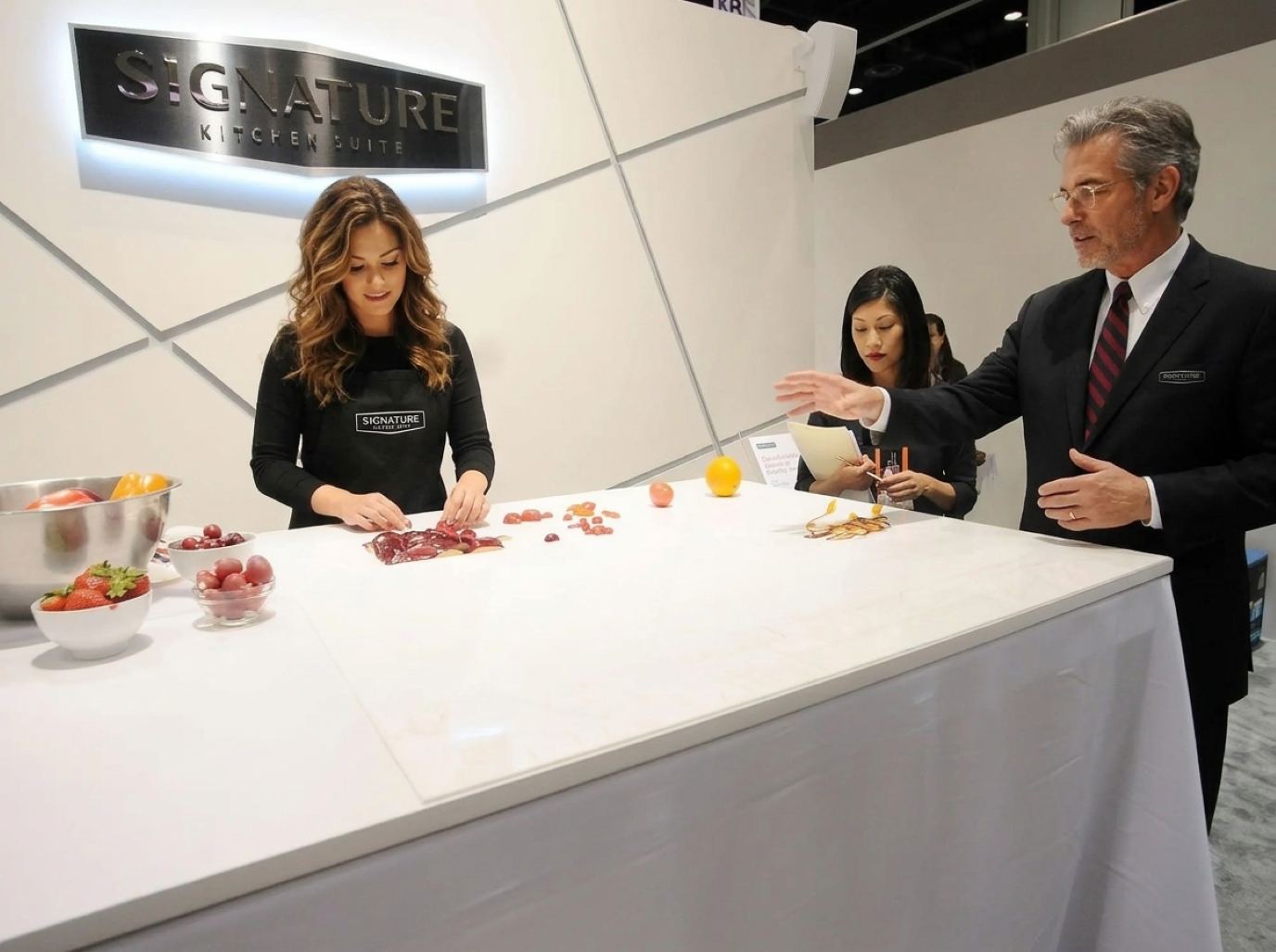
Product demonstrator in a black apron and black top preparing fresh fruit at a white kitchen island while a host in a dark suit and tie narrates for visitors, a hands-on cooking demo of the kind our product demonstrators runHands-on

The counter demonstrator

A black apron over a black long-sleeve top keeps the outfit out of the way of the product. She works with her hands at a clean white island while her partner in a dark suit talks the visitors through what they are seeing. One person shows, one person tells: the split that makes a cooking demo easy to follow from the aisle.

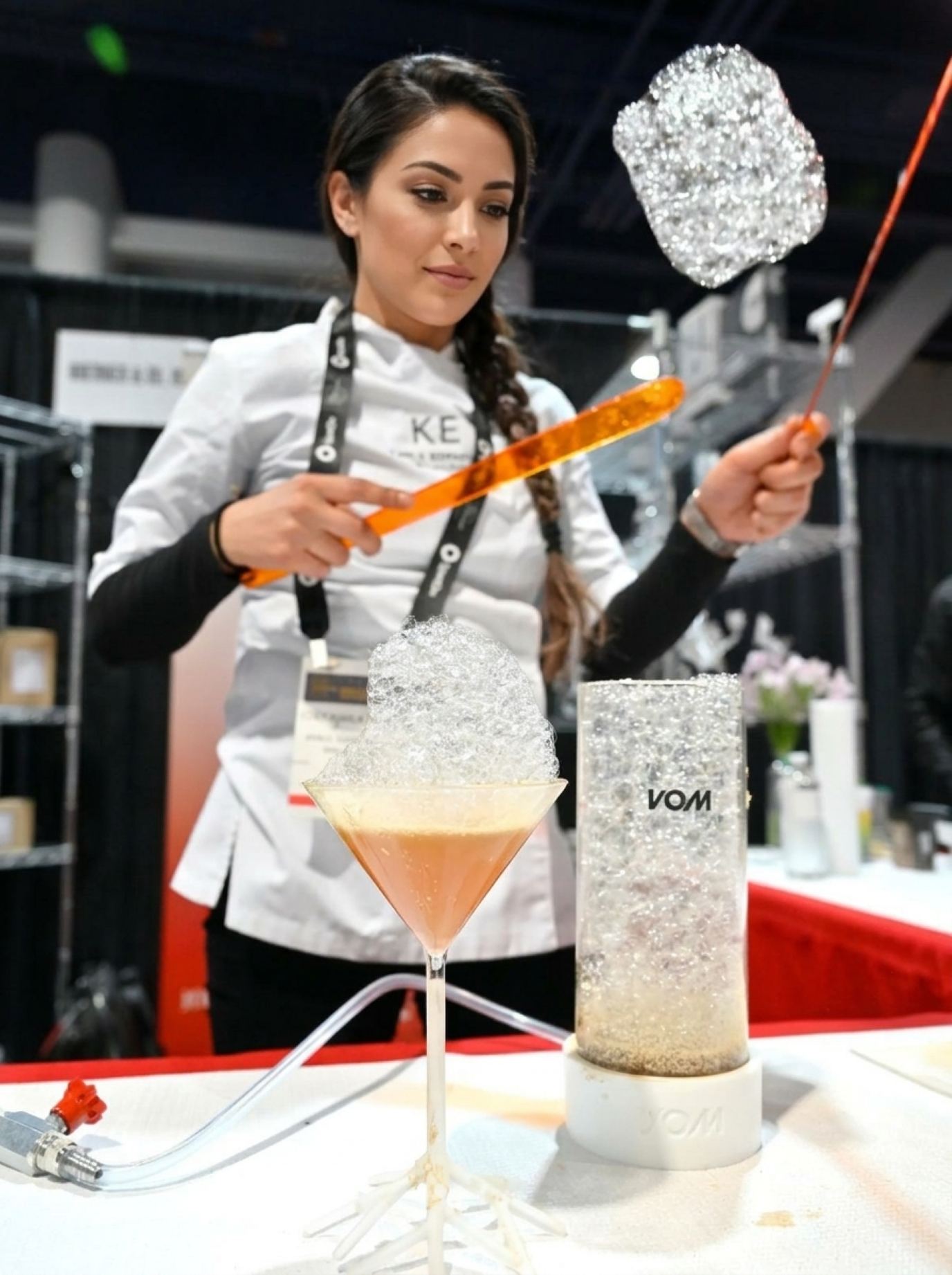
Demonstrator in a white chef jacket and lanyard lifting a cloud of foam above a cocktail glass at a beverage counter, product demonstrators for trade shows in a crisp culinary lookShowpiece

The showpiece presenter

A white chef jacket with dark sleeves underneath, hair back in a braid and a badge on a lanyard. The demo itself is the attraction: a tower of foam lifted over a coupe glass. Her job is to make the moment repeatable, on time, every few minutes, without the counter turning into a mess.

Real Purple Exhibits events.

02:10Which role?

Demonstrator, or a different role?

All six roles cost the same $85 an hour, so the choice is about the job, not the budget. Book product demonstrators when a visitor has to see the product work to care about it. Here is how the role compares with the other five we staff.

Brand ambassador

Book a brand ambassador when

Your goal is volume: pulling people off the aisle, sampling, handing out a giveaway, starting a conversation and passing it on.

Book a demonstrator when

Your product needs to be shown working before anyone cares. Ambassadors open the door; demonstrators prove the claim.

Hostess

Book a hostess when

You run a lounge, a meeting area or a VIP check-in, where the job is welcoming, seating and keeping a calendar on time.

Book a demonstrator when

The visitor came to see something happen. Hostesses look after people; demonstrators look after the product moment.

Lead capture staff

Book a lead capture staff when

Your booth already draws a crowd and the gap is in the follow-up: scanning, qualifying and tagging every badge before it walks away.

Book a demonstrator when

Visitors are not stopping at all, or stop and leave without understanding what the product does. Fix the demo first, then add lead capture.

Promotional model

Book a promotional model when

You need presence: a launch reveal, a photo moment, a stage that looks good on camera and a crowd facing your screen.

Book a demonstrator when

The audience will ask how it works. A demonstrator can hold a model’s stage presence, but the reason to book one is the explanation.

Bilingual booth staff

Book a bilingual booth staff when

A large share of your buyers prefer Spanish or another language and you want the whole conversation, not just the demo, in that language.

Book a demonstrator when

You can book both at once: a bilingual demonstrator runs the same script in two languages at the same $85 rate.

Or your own engineer? There is one more option: your own engineer or product manager runs the demo. That works for a deep technical audience in a small booth, and for the first hour of a launch day. It fails when your best technical person spends eight hours repeating the same opening lines to people who are not buyers. The common split is simple: a booked demonstrator handles the scripted part and the first round of questions; your specialist steps in only when a visitor asks something that matters to a deal.

03:00Formats

Eight ways to run a live demo

The format decides the staffing. A stage loop and a seated pod need different people, different scripts and a different number of hands. Pick the format first, then count demonstrators.

Scheduled, headset mic

Stage loop

A short presentation on a posted schedule, usually every 15 or 20 minutes, to a standing or seated audience. Works for screens, software, vehicles and any product that reads well from ten feet away. Needs a strong opener and strict timing so the next crowd forms on cue.

Crew: Two presenters who alternate, plus a gatherer at busy shows
On demand, two to five minutes

Counter demo

The demonstrator stands behind a counter or table and runs a short demo for whoever stops. The most common format at inline booths. The skill is starting the demo with only one or two people watching and letting the crowd build itself.

Crew: One per counter, a relief for long days
Seated, visitor at the controls

One-to-one pod

The visitor sits or stands at a pod while the demonstrator guides them through your software, console or device step by step. Slower and deeper than a counter demo, and the best way to find buyers who are actually evaluating.

Crew: One per pod, plus a lead capture person for every three pods
Hands-on, safety first

Try-it station

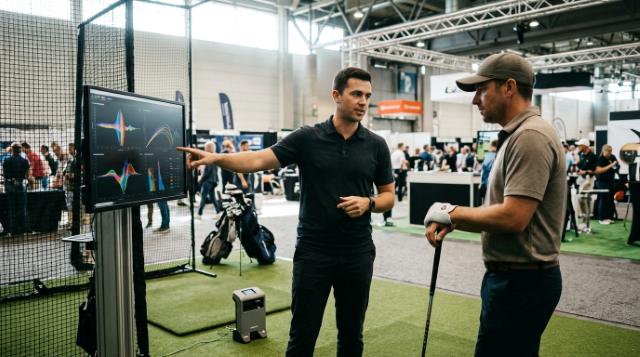
The visitor holds, wears, rides or uses the product: a power tool, a headset, a seat, a club, a camera rig. The demonstrator explains, fits, supervises and resets after every try, and keeps the line moving and polite.

Crew: One per station, two if fitting takes time
Prep, plate, explain

Cooking or sampling demo

A live food, beverage or appliance demo where the result is tasted. Needs food handling basics, clean resets and a rhythm that keeps samples fresh without running out before the last hour.

Crew: One cook-presenter and one runner or sampler
Vehicle, machine, large product

Walkaround

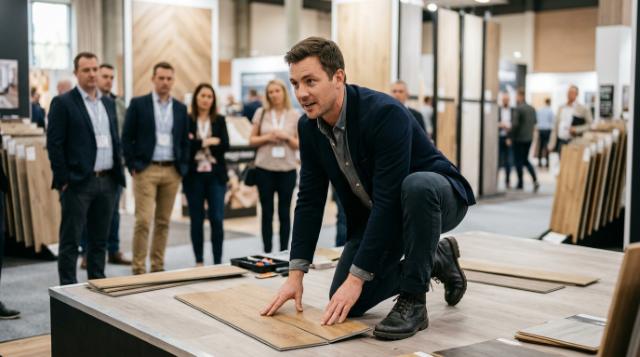
The demonstrator walks a small group around the product, opening doors, lifting panels and pointing to the parts that matter. Common for vehicles, boats, equipment and building products.

Crew: One per product, two for vehicles with interiors
Operator runs it, presenter explains

Outdoor live equipment

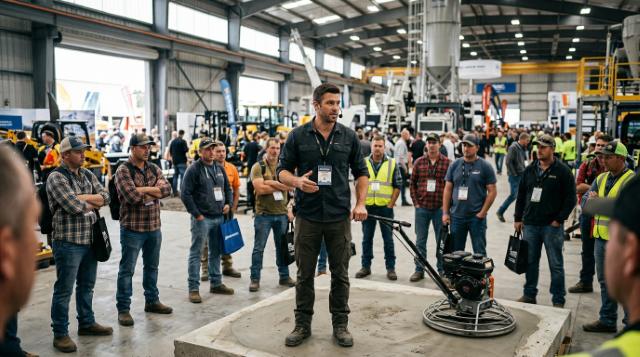
At outdoor demo lots the machine is run by your certified operator. The demonstrator holds the mic, narrates what the machine is doing and keeps visitors behind the line.

Crew: One presenter per machine and one line host
Booth studio, press day

On-camera and livestream

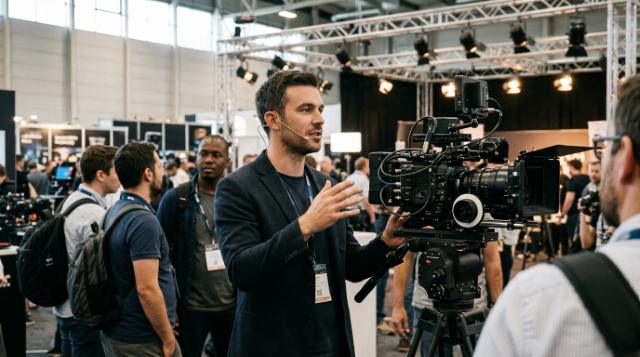
The demonstrator presents to a camera as well as the aisle: product segments for social media, livestreams from the booth, short interviews with your team. Needs someone comfortable with a lens and a countdown.

Crew: One host, plus your camera crew
04:20Tool

Demo schedule builder

Set the format, the demo length and the hall hours. The builder prints the day’s run sheet for one station, tells you how many demonstrators keep it running without anyone burning out, and prices the crew at $85 an hour.

Demo format
Why two per stagePresenting on a headset loop all day wears a voice down fast. Two demonstrators who alternate loops stay sharp, and one can scan badges while the other presents.
Why a reset gapThe minutes between demos are where the leads come from: scans, a qualifying question, a hand-off. A gap of zero means a crowd that claps and leaves.
Why reliefCounter and pod demonstrators on six hours or more need breaks. A relief demonstrator covers them so the station never goes dark during the show.
05:15Crew size

How many product demonstrators per booth size

A starting point from 10×10 to island. Count stations, add relief for long days, then adjust for the format. Prices are for an eight-hour show day at $85 per person per hour.

10×10 inlineOne counter or tabletop station
1demonstrator

One demonstrator. On shifts longer than six hours, add a second person who scans badges and covers breaks.

$680per 8-hour day
10×20 inlineOne main demo plus a try-it table
2demonstrators

One demonstrator on the main demo, one floater who runs the try-it table, scans and relieves.

$1,360per 8-hour day
20×20 island or peninsulaTwo stations, open on all sides
3demonstrators

Two demonstrators on stations facing different aisles, one relief who also handles lead capture.

$2,040per 8-hour day
20×30 or 20×40A stage loop plus pods
4demonstrators

Two stage presenters alternating loops and two pod demonstrators. Add a gatherer if your stage opens onto a main aisle.

$2,720per 8-hour day
30×30 island and largerStage, pods, try-it zone
6+demonstrators

Two stage presenters, three or four pod demonstrators and a relief. Large islands often add lead capture and a hostess for meetings.

$4,080per 8-hour day, from
Outdoor demo areaLive machines
2per machine

A presenter with the mic and a line host for each running machine. Your operators drive; ours explain and keep visitors safe.

$1,360per 8-hour day, per machine
06:00Briefing kit

What we brief demonstrators on

A demonstrator can only be as good as the brief. These eight items, sent three to four weeks before the show, are what turn a capable presenter into someone who sounds like part of your team.

01

The script, in your words

Send the demo as you want it heard, even if it is a rough page of bullet points. Our demonstrators turn it into spoken lines, then you approve the final version. If you have a recorded demo from a past show, send that too.

02

Three claims, no more

Pick the three things every visitor should remember. Everything in the script supports one of them. When a demo tries to say twelve things, visitors remember none, and the demonstrator starts improvising to fill time.

03

The click path or move list

For software, the exact screens in order, with a backup path if a feature will not load. For physical products, the order of moves: what gets picked up, opened, pressed or poured, and what the visitor gets to try.

04

Words to avoid

Claims your legal team has not approved, competitor names, pricing you do not want quoted on the floor, release dates that may move. Demonstrators keep a short do-not-say list on the back of the cue card.

05

The question ladder

Which questions the demonstrator answers alone, which ones they answer with a printed sheet, and which ones go straight to your specialist. This one page saves your engineers hours every day.

06

The hand-off line

The exact sentence that moves a visitor from the demo to your sales team, plus the name of the person on duty. A smooth hand-off is the difference between a crowd that claps and leaves and a list of follow-ups.

07

Safety and reset

How the product is powered off, cleaned, re-loaded or re-set between demos; where the spare goes; what to do if something breaks mid-demo; any rule about visitors touching the product.

08

Lead tags

The tags you want on every scanned badge: for example, evaluating now, next budget year, partner, press, student. Two to five tags is the sweet spot.

Briefing is not a document you send and forget. Plan a video call a week out where your product lead runs the demo for the crew and answers questions, then a full rehearsal at the booth before the show opens. Demonstrators learn fastest by watching your best person run it once and then running it themselves three times with feedback. A new software click path usually sticks after one practice session; a technical product with many variants takes longer, and we plan for it in the schedule.

07:00Script

A five-minute demo, beat by beat

The structure our demonstrators work from when a client sends a script that runs long. Stretch the middle for stage loops; cut it to ninety seconds for a busy counter. The order rarely changes.

  1. Hook

    One sentence and one action that makes the aisle look. A machine starts, a screen changes, a sample hits the pan. Never “Hi, can I tell you about our company?”

  2. Problem

    Name the problem your buyer has, in their language. Ten seconds. If the visitor nods, they stay.

  3. Show

    The product doing the thing. Narrate what is happening on screen or on the counter, slowly enough that someone joining late can follow.

  4. Prove

    A number, a comparison, a before-and-after. The one fact your sales team wants every visitor to repeat back at the office.

  5. Try

    Hand the product to a visitor, let them press the button or taste the result. A demo that someone touched is a demo they remember.

  6. Ask

    A simple question that sorts the audience: “Who here is looking at this for next season?” The answers tell the demonstrator who to scan first.

  7. Hand off

    Scan the badges of the people who raised a hand, say the hand-off line, introduce your specialist by name, then reset for the next loop.

07:45Dress code

What product demonstrators wear

The rule is simple: the outfit should never compete with the product. Pick the look that matches what the demo involves, and send any branded pieces two weeks out so we can check sizes.

Bench clean

White chef jacket or lab coat over dark trousers, hair tied back, closed shoes.

Best for: Food, beverage, beauty, lab and medical demos

Kitchen apron

Black or brand-colored apron over a black top and trousers, sleeves that roll up.

Best for: Cooking, appliance and tasting counters

Tech smart

Dark blazer, plain shirt, dark trousers or a dark knit, a headset mic clipped neatly.

Best for: Software, AV, electronics and stage loops

Branded polo

Your polo or tee, dark jeans or chinos, clean sneakers. Matches a hands-on, peer-to-peer crowd.

Best for: Tools, sporting goods, outdoor and try-it stations

Site ready

Work boots, work pants, your branded work shirt and any safety gear the show requires.

Best for: Construction, equipment and outdoor demo lots

Stage statement

One bold brand color worn by every presenter, tailored and easy to see from the back of a crowd.

Best for: Main stages, launches and livestreams
08:30Measure it

How to measure what a demonstrator delivers

A demo station is easy to measure if you decide what to count before the show. These six numbers fit on one tally sheet and tell you whether the script, the schedule and the staffing worked.

Demos run

Count each completed loop or counter demo. A tally sheet works; a clicker is faster.

Shows whether the schedule held and where the day lost time.

Audience per demo

A quick headcount at the hook and again at the ask.

The drop between the two numbers tells you whether the middle of the script is too long.

Scans per demo

Badges scanned after each demo, from your lead app.

The cleanest single number for a demo station. Compare stations and days, not booths.

Hands-on tries

How many visitors touched, used or tasted the product.

Visitors who try a product are more likely to accept a follow-up.

Specialist hand-offs

How many visitors were introduced to your sales or technical person.

Your team’s time is the scarce resource; this shows it went to the right people.

Top questions

The three questions asked most, written down by the demonstrator at close.

Free product research, and the best input for next year’s script.

Read the funnel, not the crowd

A big crowd at the hook looks great in photos and means little on its own. What matters is how many stay to the ask, how many get scanned and how many reach your specialist. Fill in a sheet like the one here at close each day, compare stations, and change one thing at a time: the hook, the length or the hand-off line.

The figures in this sample are placeholders to show the layout. Your own show will set the real numbers.

Demos run[ loops ]
Watching at the hook[ people ]
Still there at the ask[ people ]
Badges scanned[ scans ]
Handed to your specialist[ visitors ]
Top question of the day[ note ]
09:10Fault codes

Eight demo station mistakes, and the fix for each

Every one of these is common, visible from the aisle and cheap to fix before the show opens.

E01

A demo nobody can see

The product sits on a low table at the back of the booth. Raise it, turn it toward the aisle and put the screen above head height.

E02

A script that is really a brochure

Twelve features in five minutes. Cut to three claims and let the rest come out in questions.

E03

No sound plan

A loud hall swallows an unamplified voice past the second row. Use a headset mic for stage loops and keep counter demos short and close.

E04

Waiting for a crowd

A presenter who waits for ten people never starts. Begin with two; the motion brings the rest.

E05

The engineer on repeat

Your most expensive person spends the day saying the same opening lines. Put a demonstrator on the script and your engineer on the questions.

E06

No relief on long days

Energy drops after a few hours of non-stop talking. Plan breaks and a relief demonstrator from the start.

E07

A demo with no exit

Visitors clap and walk away. Every loop ends with a scan and a named hand-off, or it is a show, not a sales tool.

E08

Rehearsal on day one at 9:55

First practice in front of live visitors. Book a dry run before the doors open, every day of the show.

10:40Industries

Where demo staff make the biggest difference

Any product that is easier to understand in motion than on a sign is a candidate. These are the categories where exhibitors most often plan a live demo, and what each one asks of the demonstrator.

Consumer electronics

Wearables, phones, audio, smart home

Many units, short tries, constant cleaning and charging. Plan a spare of everything and a reset every few visitors.

Software and cloud

Dashboards, apps, platforms on a big screen or at pods

The click path must work offline or on a hotspot; hall Wi-Fi is unreliable. Seated pods find the real evaluators.

Food and beverage

Tastings, pours, plated bites

Fresh product in small batches, allergen answers on a card and a runner who restocks so the counter never empties.

Kitchen, bath and building products

Faucets, appliances, flooring, panels, fixtures

Water, power and installation steps at floor level. The demo shows how it fits, not only how it looks.

Beauty and personal care

Tools, skincare, hair and makeup

Scheduled demo slots on a model or a volunteer, mirrors, sanitizing between tries and a clear sign-up list.

Industrial and automation

Robots, conveyors, machines, controls

Your engineer runs the machine; our presenter narrates and keeps the safety line. Loops sync to the machine cycle.

Sporting goods and outdoor

Clubs, optics, apparel, fitness gear

Try-it stations with fitting, a short line and a demonstrator who can talk the language of the sport.

Pet, toy and gift

Products that need hands and play

Short, cheerful demos at counter height, with samples for buyers and a quick way to scan wholesale accounts.

11:20Pricing

Product demonstrator pricing: one flat rate

There is no premium for technical products, stage work or cooking demos, and no surcharge for smaller cities. The math is people × hours × $85.

$85/hr per person

  • Same rate for every role and every city
  • Four-hour minimum per person, per shift
  • No travel fees: no airfare, hotel or per-diem lines
  • Rehearsal time on site is billed at the same rate
  • You see the full quote before anyone is booked
BookingHoursCost
One demonstrator, half day4$340
One demonstrator, short day6$510
One demonstrator, full show day8$680
Stage pair, full show day2 × 8$1,360
One demonstrator, three-day show3 × 8$2,040
Stage pair plus two pods, four days4 × 4 × 8$10,880

Hours are per person on the floor. Need a custom mix? The schedule builder above prices any combination of stations, hall hours and days.

11:50Booking

From request to first loop

Five steps between your first message and a demonstrator presenting on the show floor. The earlier step two happens, the more practice your crew gets.

  1. Day 1

    Send the basics

    Show, dates, booth size, the product and the demo format you have in mind. A rough idea is enough; we help shape the staffing plan around it.

  2. Within a business day

    Get the plan and price

    A staffing plan with the number of demonstrators per shift, the hours, relief cover and the total at $85 an hour. Nothing is booked until you approve it.

  3. Three to four weeks out

    Share the brief

    Script, three claims, click path or move list, words to avoid, the question ladder and the hand-off line. We turn it into cue cards and send them back for your approval.

  4. One week out

    Video briefing

    Your product lead runs the demo once for the crew on a call and answers their questions. Demonstrators confirm the look, call time and lead app login.

  5. Show day

    Dry run, then doors

    The crew arrives before the hall opens, runs the full demo with your team, fixes what needs fixing and starts the first loop when the doors open.

12:00Request a crew

Tell us the product, the format and the show. We reply with a demonstrator quote within one business day.

  • 1
    $85 an hour, flatEvery demonstrator, every city, with a four-hour minimum and no travel fees.
  • 2
    Matched to your demoWe pick people who have run similar demos: software, cooking, machines or stage loops.
  • 3
    Rehearsed before doors openA video briefing ahead of the show and a full dry run at your booth.

Demonstrator request

About three minutes. No deposit to ask.

Demo
crew
Who do you need?

Prefer to talk? (800) 994-8030

12:30Where we staff

Product demonstrators in every city we staff

Demonstrators are local to each show city, which is why there are no travel lines on your invoice. Live demos carry the most weight in the big exhibit halls: product demonstrators in Las Vegas, Orlando demo presenters, Chicago product demonstrators, demo staff in Anaheim and Los Angeles, New York demo hosts, San Jose demo presenters for tech launches. On the show side, demo-heavy floors include CES demo hosts, NAB Show product presenters, InfoComm demo staff, ProMat robot demo presenters, KBIS kitchen demo presenters, Expo West tasting demonstrators, World of Concrete equipment presenters and Winter Fancy Food tasting presenters. Each city and show page below covers the venues, the crowd and the roles that fit that floor.

Staffing by city

Staffing by show

13:00FAQ

Product demonstrator questions

Call (800) 994-8030 and ask for demo staffing.

PE

Purple Exhibits staffing team
Checked by our staffing coordinators · Updated

What does a product demonstrator do at a trade show?

A product demonstrator runs your live demo on the show floor. They learn your script and product, present it on a schedule or on demand, let visitors try it, answer first-level questions, scan badges and hand serious prospects to your sales or technical team.

How much do product demonstrators cost?

Every Purple Exhibits demonstrator is $85 per person per hour, with a four-hour minimum per shift. There are no travel fees in any city. An eight-hour show day for one demonstrator is $680.

How is a product demonstrator different from a brand ambassador?

A brand ambassador draws people in, samples and starts conversations. A product demonstrator shows the product working and explains it. Many booths book both: ambassadors fill the aisle, demonstrators turn attention into understanding.

Can a demonstrator learn a technical product?

Yes, within limits we agree with you up front. Demonstrators learn the scripted demo, the click path and the first layer of questions. Deep technical questions go to your specialist, and the question ladder in the brief says exactly where that line is.

How many product demonstrators does my booth need?

Count demo stations first: one demonstrator per station, two for a stage loop that runs all day. Add a relief person for shifts over six hours. A 10×10 usually needs one, a 20×20 two or three, an island six or more. The demo schedule builder on this page does the math.

How long should a trade show demo be?

Most counter demos work best at two to five minutes, and stage loops at seven to twelve. Leave a short gap between loops for the reset, the scans and the hand-off. Longer demos suit seated pods where the visitor is already evaluating.

How far ahead should I book demonstrators?

Four to six weeks is ideal, because it leaves time for the script, a video briefing and a booth rehearsal. We can fill rush requests on 72 hours of notice, but a complex demo needs more practice than a rush allows.

Can I book a demonstrator for half a day?

Yes. The minimum is four hours per person, per shift. Many exhibitors book a second demonstrator only for the busiest hours or the first two days of a show.

Do you charge travel fees for shows outside major cities?

No. The rate is $85 an hour in every city we staff, and we do not add airfare, hotel nights or per-diem to your invoice.

Can demonstrators run cooking or food demos?

Yes. Tell us what the demo involves and whether your venue or product needs a food handler card. We look for staff who already work cooking and tasting demos and confirm the details with you before booking.

Will demonstrators scan badges and capture leads?

Yes. Demonstrators use your lead retrieval app or scanner, ask your qualifying question after each demo and tag every badge with the tags you choose. Send the app login steps before the show so they can test it at rehearsal.

Can a demonstrator present in Spanish or another language?

Spanish is the language we are asked for most. Other languages are possible on request, and we confirm the demonstrator by name before we book. The rate stays $85 an hour, with no language surcharge.

Do your demonstrators bring their own headset mic?

No. The mic and speakers come from your booth’s audio setup or your AV provider. Our presenters are comfortable with headsets, lavaliers and handhelds, and they test the setup at the dry run.

Can the same demonstrators work several shows for us?

Often, yes. Ask for the same people when you book your next show. A demonstrator who already knows your product needs a shorter refresh, and we reuse the brief from the last event.

What if a demonstrator cannot make a shift?

We tell you as soon as we know and send a replacement with the same brief and script. For multi-day shows we keep backup names in mind during booking, so a swap can be briefed before the doors open.

Your product, live every loop.

Send the demo, the booth size and the show dates. A demonstrator quote within one business day.

Book demonstrators(800) 994-8030Staffing desk · Mon–Fri
×

Is a Custom Exhibit Right for me?

Let’s get right on that answer for you: